Pacific Tsunami Spares Lives After Historic 8.8 Quake Off Russia
Waves up to three meters hit Hawaii and the U.S. West Coast, but mass evacuations of two million people across the Pacific avert disaster.
NEW ZEALAND —
Key facts
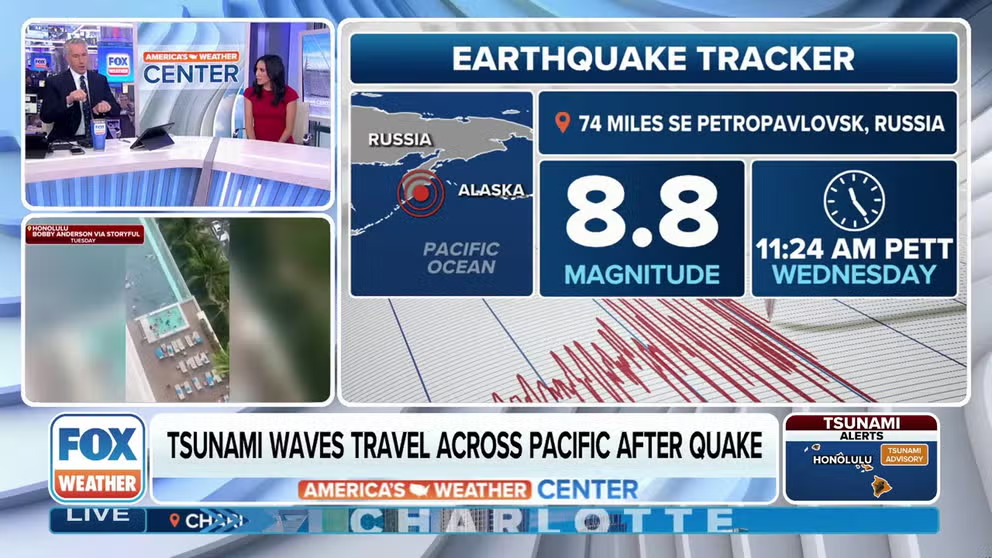
- A magnitude 8.8 earthquake struck off Russia's Kamchatka Peninsula at 11:25 local time on Wednesday.
- The quake is the sixth most severe in recorded history.
- More than two million people were ordered to evacuate across the Pacific.
- Tsunami warnings were issued for Japan, Hawaii, Alaska, U.S. West Coast, China, Philippines, Indonesia, New Zealand, Peru, Chile, Mexico, and Ecuador.
- Waves up to three meters (10 feet) were forecast and observed in some areas.
- by Russian authorities.
- Alerts were lifted about 17 hours after the quake.
A Tsunami That Didn't Deliver Its Worst
The sixth most powerful earthquake ever recorded tore through the seafloor off Russia's far eastern coast on Wednesday, unleashing a Pacific-wide tsunami that sent millions fleeing for higher ground. By Thursday morning, the waves had arrived — but the catastrophe many feared did not materialize. "The disaster we were expecting did not come," a tourist in Hawaii said half a day after the quake. no casualties. Yet the event, which triggered alerts from Japan to Chile, exposed the vulnerability of coastal populations to a phenomenon that can cross an ocean in hours.
The Quake That Shook a Continent
At 11:25 local time on Wednesday (00:25 BST), a magnitude 8.8 earthquake struck off Russia's Kamchatka Peninsula, making it the sixth most severe seismic event in recorded history. The rupture occurred beneath the Pacific Ocean, sending energy rippling outward and displacing a column of water that became a series of tsunami waves. The U.S. Pacific Tsunami Warning Center, based in Honolulu, Hawaii, issued alerts warning of waves up to three meters (10 feet) along coastlines from Russia to Ecuador. The warnings extended to Japan, Hawaii, Alaska, the U.S. West Coast, China, the Philippines, Indonesia, New Zealand, Peru, Chile, Mexico, and Ecuador.
Two Million Ordered to Evacuate Across the Pacific
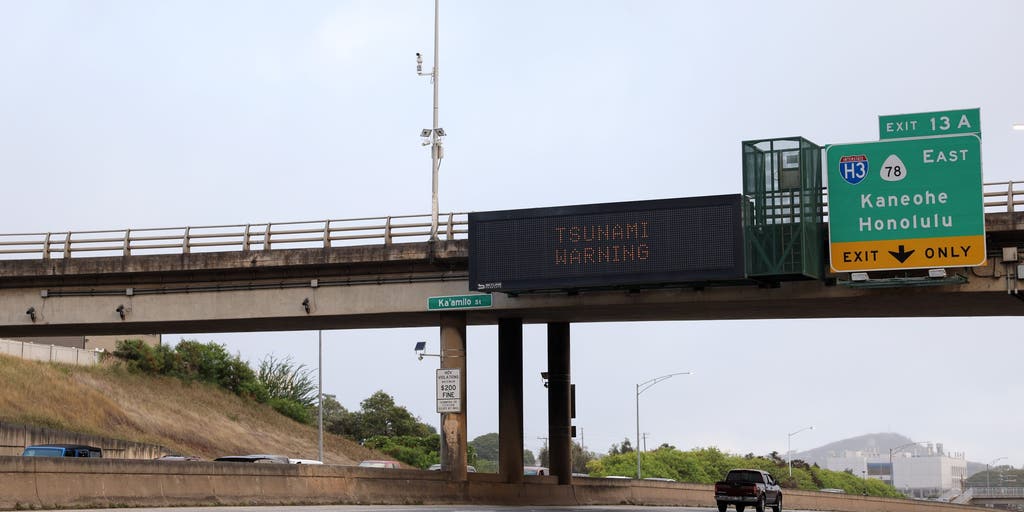
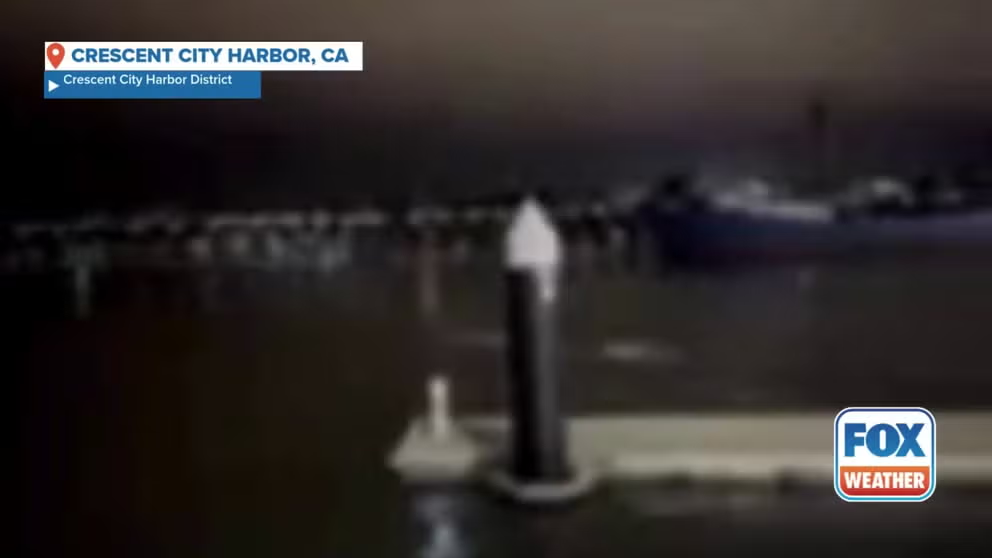
In the hours following the quake, more than two million people across the Pacific basin were ordered to evacuate. In Japan, authorities told residents in coastal areas to move inland. In Hawaii, freeway signs flashed "Tsunami Warning" as traffic backed up in Waikiki, where residents and visitors attempted to leave the Ala Wai Harbor area. In California, Los Angeles County lifeguards patrolled Venice Beach pier, and police officers drove along Santa Monica Pier warning the public of the regular closure time amid the tsunami warning. The alerts prompted a massive mobilization of emergency services from Alaska to Oregon.
Waves Reach Hawaii and the West Coast
Tsunami waves impacted coastal communities in Hawaii and Alaska, as well as California, Washington, and Oregon. In Honolulu, visitors watched from hotel balconies as the waves arrived at Ala Wai Harbor. The waves, while significant, did not reach the catastrophic heights that had been feared. The U.S. Pacific Tsunami Warning Center had warned of waves up to three meters (10 feet) possibly hitting the coasts of Russia, Hawaii, and even Ecuador and Chile along South America's west coast. The actual wave heights varied, but the worst-case scenario did not occur.
Why the Disaster Was Averted
The relatively low impact of the tsunami can be attributed to several factors. The earthquake's location off Russia's far eastern coast, while powerful, may have directed much of the energy away from densely populated areas. Additionally, the extensive warning system, despite facing funding and staffing cuts, successfully alerted millions of people in time to evacuate. A tourist in Hawaii captured the sentiment of many: "The disaster we were expecting did not come." The Russian government confirmed no casualties had been reported. As international alerts were lifted about 17 hours after the quake, the focus shifted to assessing the damage and preparing for potential aftershocks.
Global Preparedness Tested
The event served as a real-world test of the Pacific tsunami warning system, which has been under strain from funding and staffing cuts. The system's ability to issue timely alerts across multiple countries and territories was critical in preventing loss of life. However, the near-miss raises questions about future readiness. With the Pacific Ring of Fire remaining seismically active, the question is not if another major tsunami will strike, but when. The 8.8 magnitude quake was a reminder of the immense forces at play beneath the ocean.
The bottom line
- A magnitude 8.8 earthquake off Russia's Kamchatka Peninsula triggered a Pacific-wide tsunami on July 30, 2025.
- More than two million people evacuated across the Pacific, with no casualties reported.
- Tsunami waves up to three meters hit Hawaii, Alaska, and the U.S. West Coast.
- The event was the sixth most powerful earthquake in recorded history.
- Alerts were issued for over a dozen countries, from Japan to Chile.
- The tsunami warning system, despite cuts, successfully alerted populations in time.



On Eels vs Warriors

Havili's 150th ends in heartbreak as Hurricanes hold off Crusaders 38-31

Bostock's Two Tries Propel Dolphins to 28-10 Win Over Storm