Eta Aquarid Meteor Shower Peaks May 5-6: Up to 60 Meteors Per Hour, but Moon May Obscure View
Debris from Halley's Comet lights up pre-dawn skies, with best viewing in the Southern Hemisphere and a waning gibbous moon threatening to wash out fainter streaks.
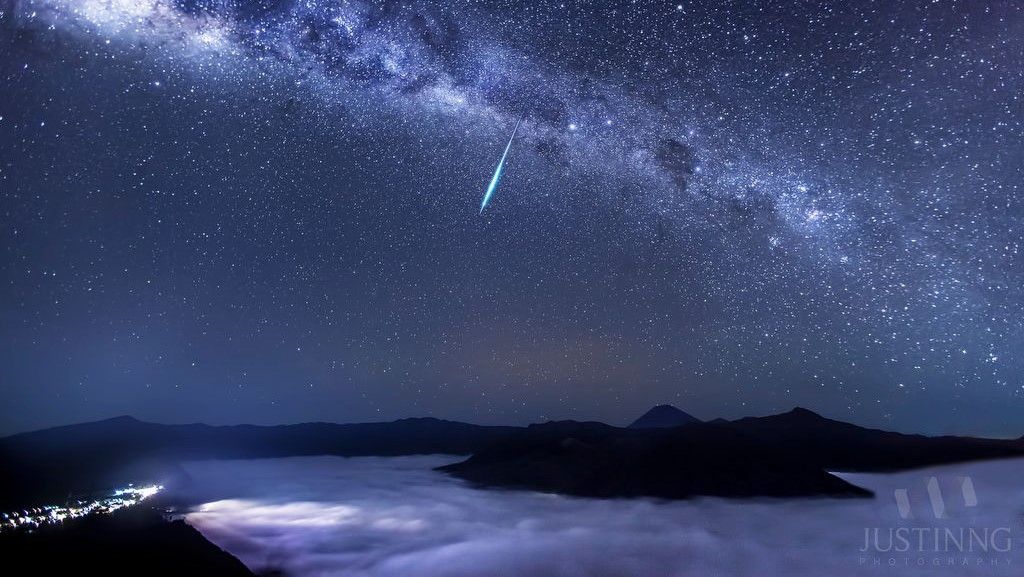
PHILIPPINES —
Key facts
- Eta Aquarid meteor shower active April 19 to May 28, peaks overnight May 5-6.
- Maximum rate: about 50 meteors per hour (AMS), up to 60 in Southern Hemisphere.
- Meteors travel at 41 miles (66 km) per second.
- Radiant near constellation Aquarius; best viewed before dawn on May 6.
- Southern Hemisphere: up to 60 meteors per hour; Northern: 10-30 per hour.
- Bright waning gibbous moon will interfere, but moon and radiant are on opposite sides of sky near peak.
- Debris source: Halley's Comet (1P/Halley), which orbits every 76 years.
A Celestial Show from Halley's Comet Debris
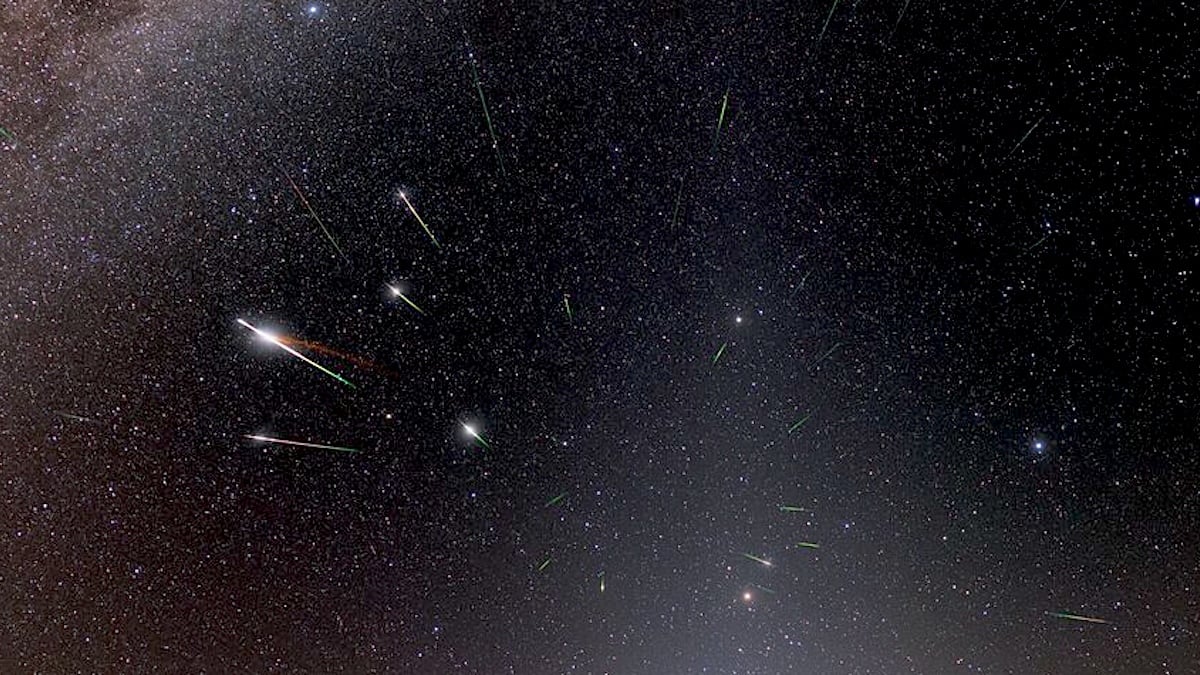
Earth is once again passing through a stream of debris left behind by Halley's Comet, producing the annual Eta Aquarid meteor shower. The shower, active since April 19, will peak overnight on May 5-6, offering skywatchers a chance to see up to 60 meteors per hour under ideal conditions. These fast-moving particles, traveling at 41 miles per second (66 km/s), burn up in the atmosphere, creating bright streaks across the sky. The American Meteor Society (AMS) estimates a maximum rate of about 50 meteors per hour in clear, dark skies, though the actual number visible depends on location and local conditions.
Best Viewing Times and Locations
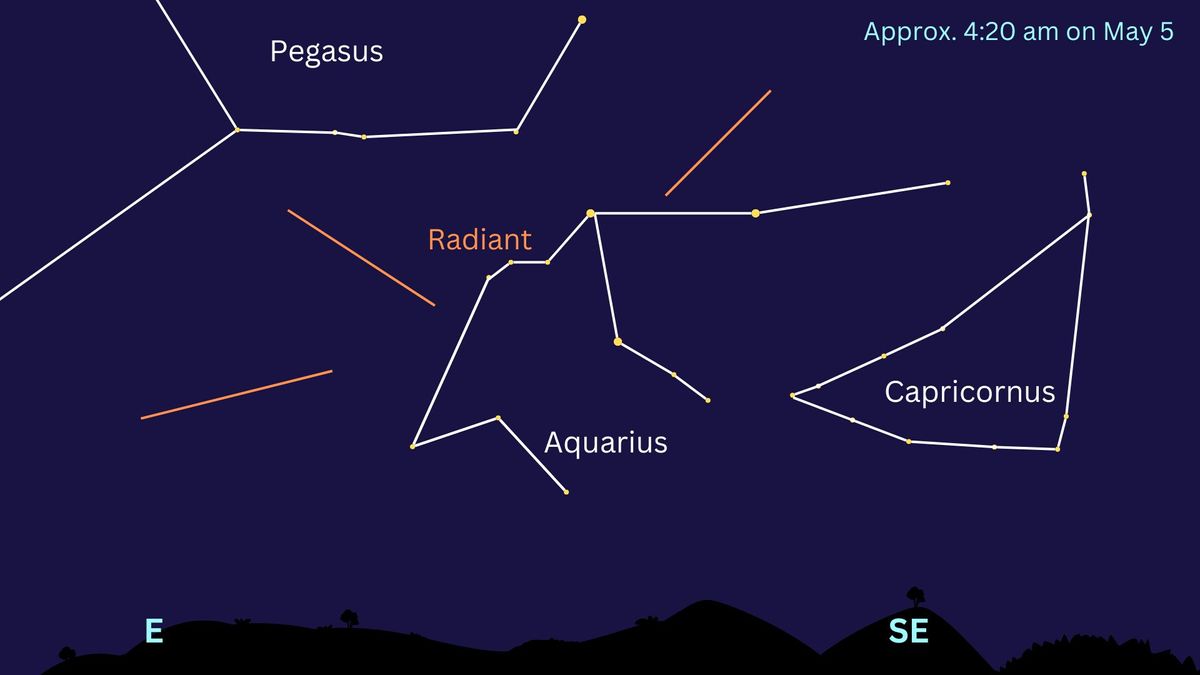
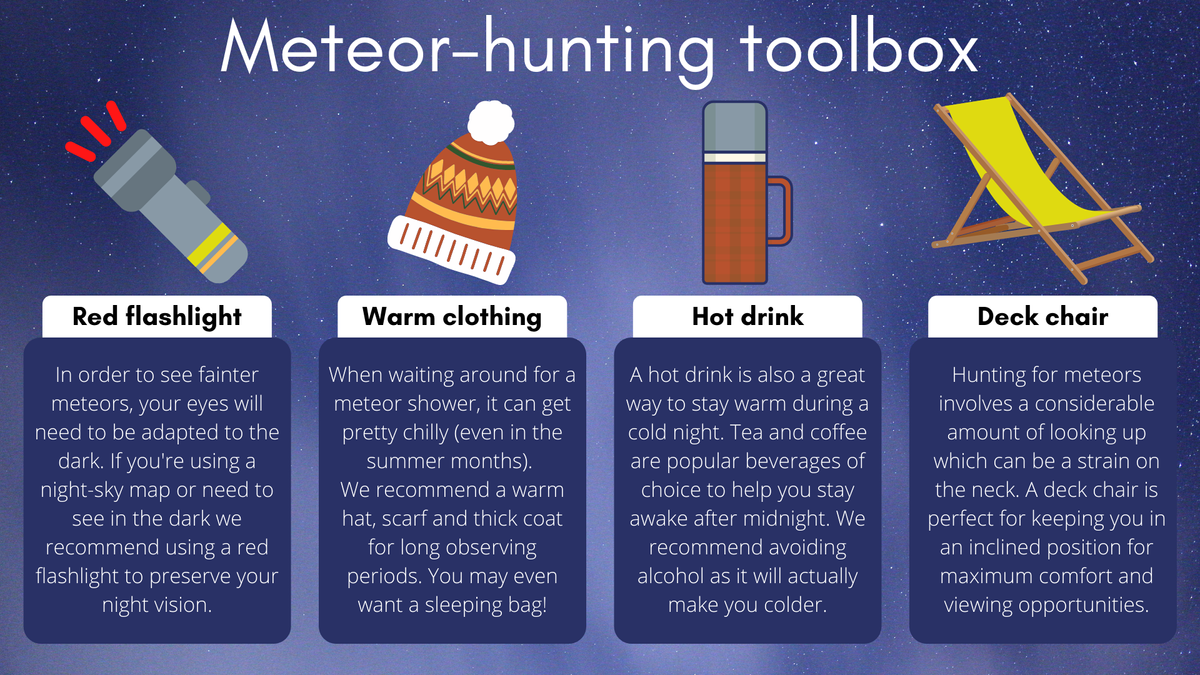
The optimal viewing window is before dawn on May 6, when the shower's radiant—near the constellation Aquarius—is highest in the sky. The Southern Hemisphere offers the best vantage point, with up to 60 meteors per hour, making it one of the year's most prolific showers there. Observers north of the equator can expect 10 to 30 meteors per hour, with lower rates closer to higher latitudes. For the best experience, find a dark location away from city lights, lie back, and allow at least 30 minutes for your eyes to adjust. No telescopes or binoculars are needed; the key is to take in as much sky as possible. Avoid using your phone or white flashlights to preserve night vision.
Moonlight Interference and How to Counter It
This year, the peak coincides with a bright waning gibbous moon, which can wash out fainter meteors. However, there is a silver lining: because Earth rotates from west to east, the moon and the radiant are on opposite sides of the sky during the pre-dawn hours. The moon will be setting in the west while Aquarius rises in the east. Viewers can reduce glare by turning their backs to the moon or using a large object—like a tree or building—to block its light. As May progresses, the moon wanes further, improving conditions for those who miss the peak but still want to catch the shower, which continues until around May 27 or 28.
The Science Behind the Shower
Meteor showers occur when Earth's orbit intersects with trails of debris left by comets or asteroids. In the case of the Eta Aquarids, the source is Halley's Comet (1P/Halley), which orbits the Sun every 76 years. As the comet approaches the Sun, ice beneath its surface sublimates, ejecting dust that spreads along its orbital path. When Earth passes through this material, particles enter the atmosphere at high speed, heating up and creating glowing trails. The radiant—the point from which meteors appear to originate—is near the constellation Aquarius, though meteors can be seen across the entire sky. Looking directly at the radiant may cause shorter, less spectacular streaks; it's better to scan nearby constellations.
Global Viewing Prospects and What to Expect
The Eta Aquarids are best observed from the Southern Hemisphere and near the equator, where the radiant climbs higher. In northern latitudes, observers may see fewer meteors, but the show remains worthwhile. the shower is classified as strong, with fast meteors that often leave persistent trains. For those unable to view in person, free livestreams are available online, allowing global audiences to watch the event. The shower will continue at reduced rates after the peak, so even late May offers opportunities to spot a few shooting stars.
A Recurring Cosmic Dance
The Eta Aquarids are one of several annual meteor showers that remind us of Earth's place in a dynamic solar system. Halley's Comet, which last passed through the inner solar system in 1986, leaves two debris streams: one produces the Eta Aquarids in May, and the other creates the Orionids in October. As the Northern Hemisphere enjoys spring evenings, this shower offers a chance to connect with a celestial visitor that has been observed for centuries. Whether you're a seasoned astronomer or a casual stargazer, the Eta Aquarids provide a reliable spectacle—one that, despite moonlight, rewards patience and a dark sky.
The bottom line
- Eta Aquarid meteor shower peaks May 5-6, with up to 60 meteors per hour in the Southern Hemisphere.
- Debris from Halley's Comet creates fast meteors traveling at 41 miles per second.
- Best viewing is before dawn on May 6, with radiant near Aquarius.
- Bright waning gibbous moon may obscure fainter meteors, but moon and radiant are opposite in the sky near peak.
- Shower active until May 27-28, offering multiple chances to observe.
- No special equipment needed; find a dark location and allow 30 minutes for dark adaptation.



Taal Volcano Records 20 Earthquakes in 24 Hours, PHIVOLCS Maintains Alert Level 1

Christopher Nolan’s ‘The Odyssey’ Trailer Unveils Cyclops, Calypso, and a $250M Epic Shot Entirely on IMAX

Christopher Nolan’s ‘The Odyssey’ Trailer Unveils Cyclops, Cast as $250M Epic Nears July Release