Mayon Volcano’s Lava Flow Reaches 3.8 km, Alert Level 3 Maintained
Phivolcs records 39 volcanic earthquakes and 376 rockfall events in 24 hours, with ash plumes rising 200 meters.

PHILIPPINES —
Key facts
- Lava flow reached 3.8 km in Basud gully, 3.2 km in Bonga gully, 1.6 km in Mi-isi gully.
- 39 volcanic earthquakes recorded, including 21 volcanic tremors lasting 1 to 44 minutes.
- 376 rockfall events detected in the past 24 hours.
- 2,147 tonnes of sulfur dioxide emitted from the crater.
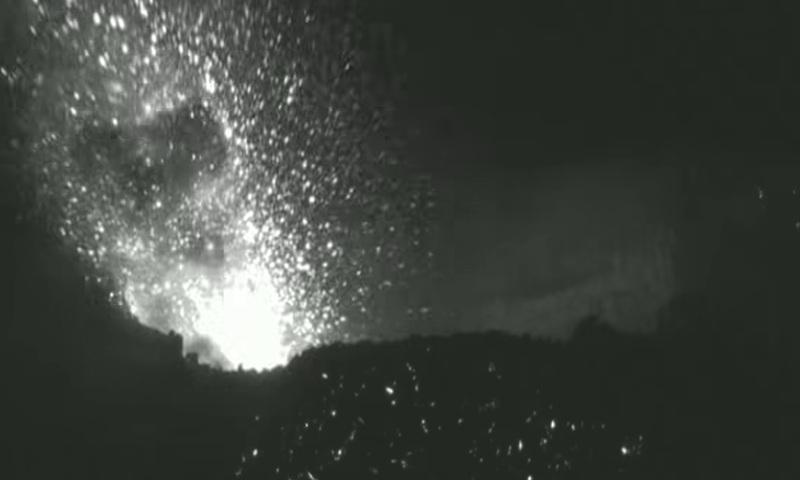
- Ash plume rose 100 meters on April 30 after minor strombolian activity.
- Alert Level 3 (intensified unrest) remains in effect for 115 consecutive days.
- Entry prohibited within 6-km Permanent Danger Zone; aircraft banned near volcano.
Lava Advances and Seismic Swarm
The Philippine Institute of Volcanology and Seismology (Phivolcs) reported that Mayon Volcano’s lava flow has extended to 3.8 kilometers over the past 24 hours, marking the longest advance since the current effusive eruption began. The lava, flowing down the Basud gully, has been followed by significant activity in the Bonga gully at 3.2 kilometers and the Mi-isi gully at 1.6 kilometers. In tandem with the lava effusion, Phivolcs recorded 39 volcanic earthquakes, including 21 volcanic tremors that lasted between one and 44 minutes. Additionally, 376 rockfall events were logged, indicating ongoing instability in the volcano’s edifice. The crater glow remains visible, and sulfur dioxide emissions reached 2,147 tonnes, a key indicator of magmatic activity.
Episodic Explosive Activity and Ash Plumes
On Thursday, April 30, Phivolcs observed a minor strombolian eruption at the summit crater at 9:01 a.m., generating an ash plume that rose approximately 100 meters before drifting westward. Earlier, between 2:15 and 2:17 a.m., the volcano exhibited lava effusion accompanied by collapse-fed pyroclastic density currents (PDCs) and short-lived lava fountaining. These events produced a distinct ash cloud, described by Phivolcs as “cloud-like ash,” which posed additional hazards to communities downwind. The agency noted that such strombolian activity is episodic but can escalate, potentially leading to more sustained explosive phases.
Alert Level 3 and Danger Zone Restrictions
Mayon Volcano remains under Alert Level 3, indicating intensified unrest with a heightened likelihood of hazardous eruption within weeks or days. This marks the 115th consecutive day of effusive eruption, a prolonged period of activity that has kept authorities on high alert. Phivolcs has strictly prohibited entry into the 6-kilometer Permanent Danger Zone (PDZ) and banned all aircraft from flying near the volcano. The agency warned of multiple hazards, including rockfalls, ballistic fragments, lava flows, pyroclastic density currents, moderate explosions, and lahar, especially during heavy rainfall.
Potential Hazards and Community Preparedness
Phivolcs outlined specific risks: rockfalls and landslides could occur without warning, while lava flows and PDCs threaten areas within the PDZ. The agency also cautioned that heavy rains could trigger lahars, or volcanic mudflows, which can travel rapidly down river channels and endanger communities far from the crater. Local authorities have maintained strict monitoring and evacuation protocols, though no large-scale evacuation has been ordered beyond the PDZ. The prolonged unrest has caused anxiety among residents, who face ongoing uncertainty about the volcano’s next move.
Scientific Monitoring and Data Collection
Phivolcs continues to deploy seismic, deformation, and gas monitoring instruments to track Mayon’s behavior. The 39 volcanic earthquakes and 376 rockfall events provide critical data for understanding the volcano’s internal state. Sulfur dioxide flux, measured at 2,147 tonnes per day, remains elevated, consistent with magma degassing. The agency also observed that steam plumes rose up to 200 meters before drifting westward, indicating sustained hydrothermal activity. These measurements are essential for forecasting potential escalation and issuing timely warnings.
Outlook and Ongoing Vigilance
Phivolcs has not lowered the alert level, suggesting that the threat of a more explosive eruption persists. The 115-day effusive phase is among the longest in recent history, and the volcano’s behavior remains unpredictable. Authorities continue to enforce the danger zone restrictions and advise the public to stay informed through official channels. following a magnitude 7.4 earthquake in Japan, Phivolcs remains focused on Mayon’s activity. The coming days will be critical as scientists watch for signs of escalation, such as increased seismicity or larger ash emissions.
The bottom line
- Lava flow has reached 3.8 km, the longest in the current eruption, with significant advances in three gullies.
- 39 volcanic earthquakes and 376 rockfalls were recorded in 24 hours, indicating ongoing unrest.
- Minor strombolian activity on April 30 produced an ash plume 100 meters high.
- Alert Level 3 remains in effect for 115 days, with a 6-km danger zone and flight ban enforced.
- Sulfur dioxide emissions hit 2,147 tonnes, a key marker of magmatic activity.
- Hazards include PDCs, lahars, rockfalls, and moderate explosions, especially during rain.


Ginebra, Meralco Clash in PBA Commissioner's Cup Marquee Duel with Top-Four Implications
Mayon Volcano's 116-Day Eruption: Strombolian Activity, Lava Flows, and Persistent Unrest