Congress Ends 76-Day DHS Shutdown, Leaving ICE and Border Patrol Unfunded
The longest partial government shutdown in US history concludes as lawmakers approve funding for most of the Department of Homeland Security, but immigration enforcement agencies remain in limbo.
PHILIPPINES —
Key facts
- The House approved a Senate-passed bill to fund the Department of Homeland Security, ending a 76-day partial shutdown.
- The bill does not include funding for Immigration and Customs Enforcement (ICE) or parts of Customs and Border Protection (CBP).
- Democrats refused to fund ICE and CBP, demanding reforms after two deadly shootings in Minnesota involving federal immigration officers.
- The shutdown caused chaos at US airports due to a shortage of security officers who went unpaid for weeks.
- President Donald Trump signed the spending bill after the House vote on Thursday.
- An additional $170bn approved as part of Trump's tax cuts bill last year has been used to fund immigration enforcement during the impasse.
- Trump signed an executive order in March to pay Transportation Security Administration agents after days of long queues at airports.
- Emergency DHS funds were set to run out later this week before the bill was passed.
A Record-Breaking Shutdown Ends
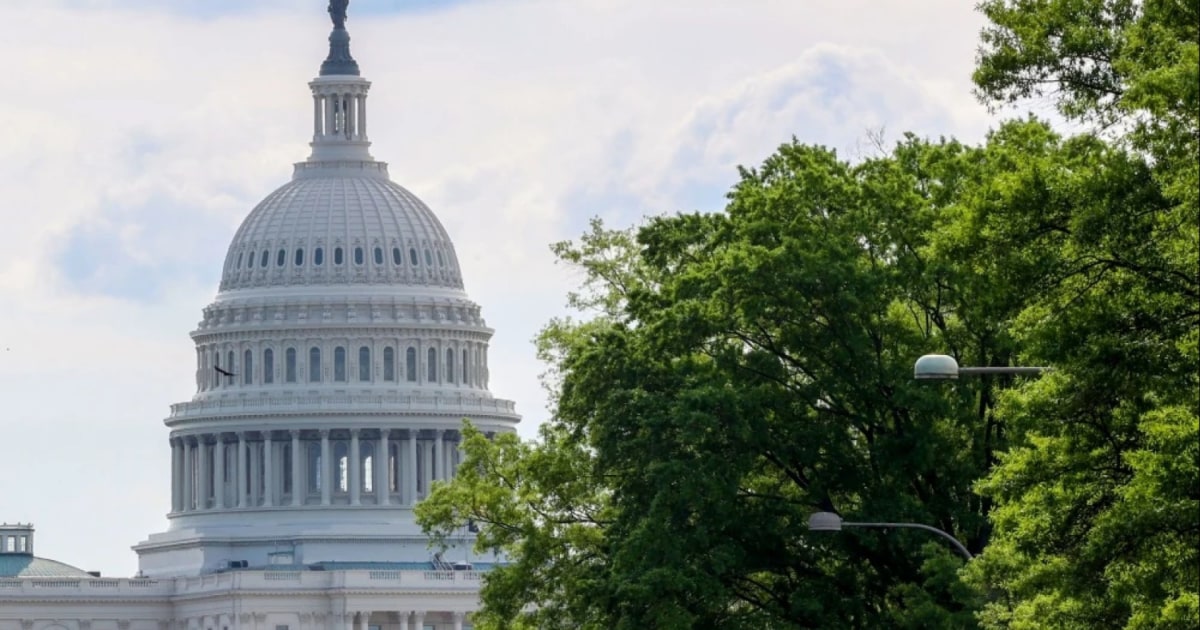
The longest partial government shutdown in American history concluded on Thursday as the House of Representatives approved a Senate-passed spending bill to fund the Department of Homeland Security (DHS). President Donald Trump signed the measure, ending a 76-day impasse that paralyzed immigration enforcement and airport security operations across the country. The shutdown began more than two months ago when funding lapsed for DHS, the sprawling agency that oversees immigration enforcement, border security, and airport checkpoints. Political disagreements over Trump's immigration crackdown had blocked routine appropriations, leaving hundreds of thousands of federal employees without pay and triggering widespread disruptions.
Immigration Agencies Left Out of Funding Deal
The newly enacted law reopens DHS but explicitly excludes funding for Immigration and Customs Enforcement (ICE) and parts of Customs and Border Protection (CBP). Democrats in Congress had refused to allocate money for these agencies, demanding structural reforms following two deadly shootings in Minnesota involving federal immigration officers. Republicans rejected those demands, pushing instead for full funding for ICE and CBP. The standoff created an impasse that neither party could break until Thursday's compromise, which funds most DHS operations while leaving the two enforcement agencies to be addressed separately.
Airport Chaos and Unpaid Workers
The funding gap caused weeks of chaos at airports nationwide, as a shortage of security officers—who were required to work without pay during the shutdown—led to hours-long wait times at checkpoints. The Transportation Security Administration (TSA), part of DHS, saw thousands of its agents call in sick or seek other employment, straining an already overburdened system. In March, after days of public frustration and long queues, Trump signed an executive order to pay TSA agents, who are considered essential workers. While that move eased some tensions, the administration warned that emergency DHS funds were running out, intensifying pressure on lawmakers to act.
A $170 Billion Stopgap and a New Bill
During the impasse, immigration enforcement has been funded using $170 billion approved by Congress as part of Trump's tax cuts bill last year. That temporary measure kept ICE and CBP operating but did not cover the full scope of DHS activities, leading to the disruptions at airports. A separate bill now under consideration in the House could provide dedicated funding for the two agencies. Its fate remains uncertain, as Democrats continue to demand reforms and Republicans insist on full funding without conditions.
The Human Toll and Political Fallout
The shutdown's impact extended beyond airport delays. Federal workers, including TSA agents and Border Patrol officers, went without pay for weeks, forcing many to rely on savings or side jobs. The standoff also fueled broader criticism of Trump's immigration policies, which Democrats say have created a culture of impunity within ICE and CBP. Calls for action intensified after a shooting at the White House Correspondents' Association dinner in Washington, where prosecutors say a man attempted to assassinate Trump. While the incident was not directly linked to the shutdown, it underscored the heightened tensions surrounding the administration's security posture.
What Comes Next for Immigration Enforcement
With DHS now funded through the main appropriations bill, the immediate crisis has passed. But the unresolved question of ICE and CBP funding leaves a lingering vulnerability. The House is expected to take up the separate bill in the coming weeks, though partisan divisions remain deep. Democrats are demanding oversight and accountability measures, including restrictions on immigration enforcement tactics. Republicans, backed by the White House, argue that full funding is essential to national security. The outcome will likely shape the broader debate over immigration policy heading into the next election cycle.
A Fragile Truce
Thursday's vote marks a temporary truce in a battle that has consumed Washington for months. While the reopening of DHS restores pay for thousands of workers and eases airport disruptions, the underlying conflict over immigration enforcement remains unresolved. The 76-day shutdown—the longest in US history—has left a legacy of mistrust and operational strain. Whether lawmakers can find a lasting solution for ICE and CBP funding will test the fragile bipartisan cooperation that ended this crisis.
The bottom line
- The 76-day partial government shutdown ended with a bill funding most DHS operations but excluding ICE and CBP.
- Airport chaos and unpaid TSA agents were key drivers of public pressure to resolve the impasse.
- Democrats continue to demand reforms to ICE and CBP after two deadly shootings in Minnesota.
- A separate House bill could provide funding for the two agencies, but its passage is uncertain.
- Emergency funds from Trump's tax cuts bill temporarily sustained immigration enforcement during the shutdown.
- The shutdown was the longest in US history, highlighting deep partisan divisions over immigration policy.



Jaden McDaniels Stirs Controversy as Timberwolves Seek Series Closeout Against Nuggets

Taylor Swift's Mysterious Countdown Clock Sparks Toy Story 5 Collaboration Rumors
76ers Stave Off Elimination as Embiid Powers 113-97 Game 5 Win Over Celtics
