Dean Wade: Cavaliers' Defensive Anchor or Offensive Liability?
The Cleveland Cavaliers grapple with the dual nature of Dean Wade's impact on the court, particularly in the playoffs.
PHILIPPINES —
Key facts
- Dean Wade generally plays more minutes than teammates Jaylon Tyson, Max Strus, and Keon Ellis.
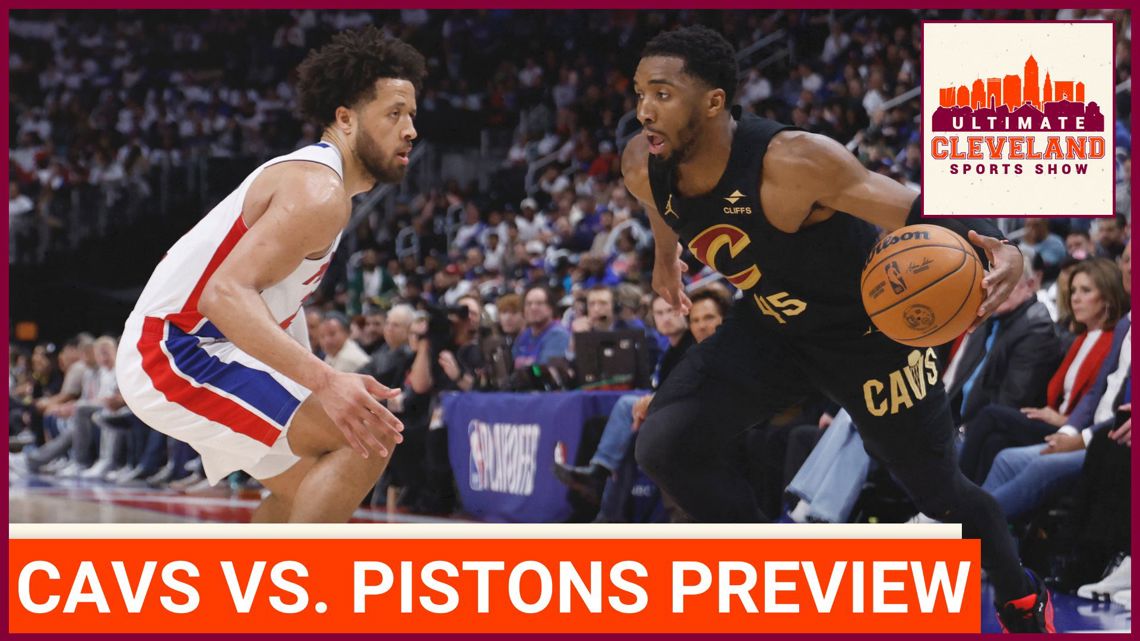
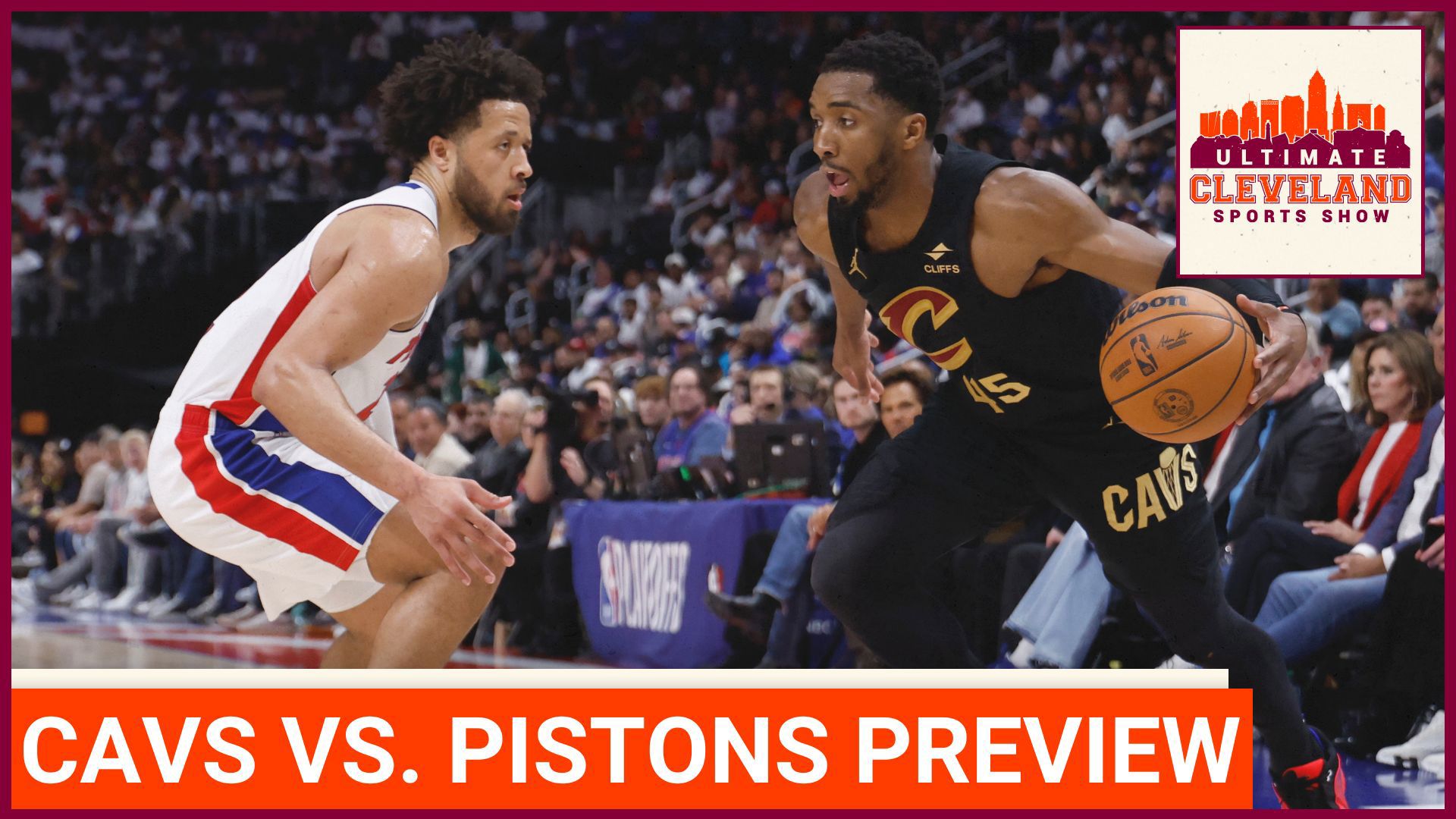
- Wade is often assigned to guard the opponent's best player, including Cade Cunningham against the Pistons.
- The Cavaliers score 6.2 more points per 100 possessions with Max Strus on the floor compared to Wade.
- Wade's playoff usage rate is 9.5%, the lowest for anyone in his position.
- Wade is a career 36.7% outside shooter.
- Head coach Kenny Atkinson has frequently used Wade as the fifth starter in the playoffs.
A Difficult Balancing Act for Coach Atkinson
The Cleveland Cavaliers find themselves in a perpetual strategic quandary, largely centered on the enigmatic presence of Dean Wade. Head coach Kenny Atkinson faces the unenviable task of navigating a roster replete with depth, a situation that frequently complicates lineup decisions. Among the wing players, Wade consistently emerges as a favored choice, logging more minutes than contemporaries such as Jaylon Tyson, Max Strus, and Keon Ellis. This recurring selection often sparks debate among fans and observers alike. The core of the issue lies in Wade's unique, albeit often understated, contributions. While he may not be a primary offensive engine, his individual defensive prowess is considered his most significant asset. This skill set positions him as the de facto assignment for neutralizing the opposition's most potent offensive threats. The Cavaliers' backcourt, featuring guards not renowned for their defensive tenacity, places an amplified burden on the team's perimeter defenders. With the formidable defensive capabilities of big men Evan Mobley and Jarrett Allen often occupied by opposing forwards, the responsibility to contain elite opposing guards and wings falls squarely on the shoulders of the starting wing. This is where Wade's role becomes critical, particularly against high-caliber offensive players.
The Dichotomy of Wade's Playoff Impact
Dean Wade embodies a peculiar paradox for the Cavaliers: the team experiences both its most inspired and its most disjointed stretches of play with him on the court during the postseason. Offensively, his presence can lead to a congested floor. Opposing defenders are at liberty to sag off Wade, thereby impeding the driving lanes for Cleveland's dynamic backcourt. This defensive strategy has proven effective in limiting the offensive impact of skilled players such as Brandon Ingram, Scottie Barnes, and most recently, Cade Cunningham. While Wade offers solid rebounding and serviceable outside shooting, these are his primary offensive contributions. When his perimeter shot falters, his confidence can wane, leading to hesitation and making him an easy player for opponents to ignore entirely. This lack of offensive threat can disrupt the spacing on an already crowded court, especially when Wade shares the floor with two traditional centers. Such scenarios have contributed to a concerning number of turnovers. The tactical advantage gained by opposing defenses, such as Tobias Harris positioning himself inside the paint even when Wade is on the wing, can force difficult shots and disrupt Cleveland's offensive flow.
Offensive Struggles vs. Defensive Necessity
The issue is not necessarily Wade's shooting ability itself; he holds a career average of 36.7% from beyond the arc, a respectable figure. However, he has encountered a cold spell during the current postseason. His playoff statistics reflect this offensive constraint: he is averaging just 5.3 shots per game in 25 minutes, translating to a usage rate of 9.5%—the lowest among players at his position in the playoffs. When a player does not pose a significant offensive threat, defenders have little incentive to guard them closely. This was particularly evident in the first-round series, prompting head coach Kenny Atkinson to insert Max Strus into the starting lineup. Strus, more inclined to take outside shots, helped the Cavaliers' offense, which saw a notable improvement, scoring 6.2 more points per 100 possessions with him on the floor. However, this offensive gain came at a considerable cost to the team's defensive integrity. Wade remains the Cavaliers' sole player possessing the requisite size, strength, and speed to effectively match up against the league's premier wings. This capability is paramount, as most contending teams feature at least one elite wing player. Wade's defensive assignments, such as guarding Cade Cunningham, are executed with remarkable proficiency, making him an indispensable asset in these crucial matchups.
Wade's Defensive Prowess in Action
Wade's individual defensive capabilities are a significant factor in his consistent playing time. His ability to stay with skilled offensive players through screens, maintain defensive positioning on drives, and utilize active hands to force turnovers is a testament to his commitment and skill. An illustrative example of his defensive impact can be seen in his matchups against Cade Cunningham. Wade demonstrates an impressive ability to navigate screens and remain connected to his assignment throughout the play. His active hands are frequently employed to disrupt ball-handlers and create opportunities for defensive stops. While acknowledging that stopping a player of Cunningham's caliber is ultimately a team effort, strong individual defense at the point of attack is crucial. The Cavaliers' strategy often involves making it difficult for such players to receive the ball cleanly. Once they do, the intention is to funnel them towards the team's interior defenders, creating a layered defensive approach that leverages Wade's on-ball pressure.
Strategic Decisions and Future Outlook
The strategic dilemma surrounding Dean Wade's role continues to be a focal point for the Cavaliers. His inclusion as the fifth starter for much of the playoffs underscores his perceived value, particularly on the defensive end. The coaching staff faces a recurring decision: adhere to the established lineup that prioritizes defense, or consider adjustments to bolster offensive output. This ongoing debate highlights the delicate equilibrium the Cavaliers are attempting to strike. They possess players capable of generating offense, but their defensive vulnerabilities can be exploited. Wade's unique skill set offers a solution to this defensive challenge, yet his offensive limitations present a counterbalancing concern. As the playoffs progress, the Cavaliers' ability to effectively manage this duality will be a key determinant of their success. The team must find a way to harness Wade's defensive strengths without allowing his offensive shortcomings to unduly hinder their scoring potential. The strategic deployment of Wade, alongside potential lineup adjustments, will remain a critical element of Kenny Atkinson's game plan.
The bottom line
- Dean Wade is a key defensive player for the Cleveland Cavaliers, often tasked with guarding opposing stars.
- His offensive limitations, particularly a recent shooting slump, can negatively impact team spacing and scoring.
- Max Strus provides a more potent offensive option, but his presence on the court diminishes the team's defensive capabilities.
- Wade's low playoff usage rate (9.5%) reflects his role as a defensive specialist rather than an offensive focal point.
- Head coach Kenny Atkinson faces a continuous challenge in balancing Wade's defensive contributions with the team's offensive needs.




No Earthquakes Recorded Near Montreal in Past 24 Hours as Seismic Activity Remains Low
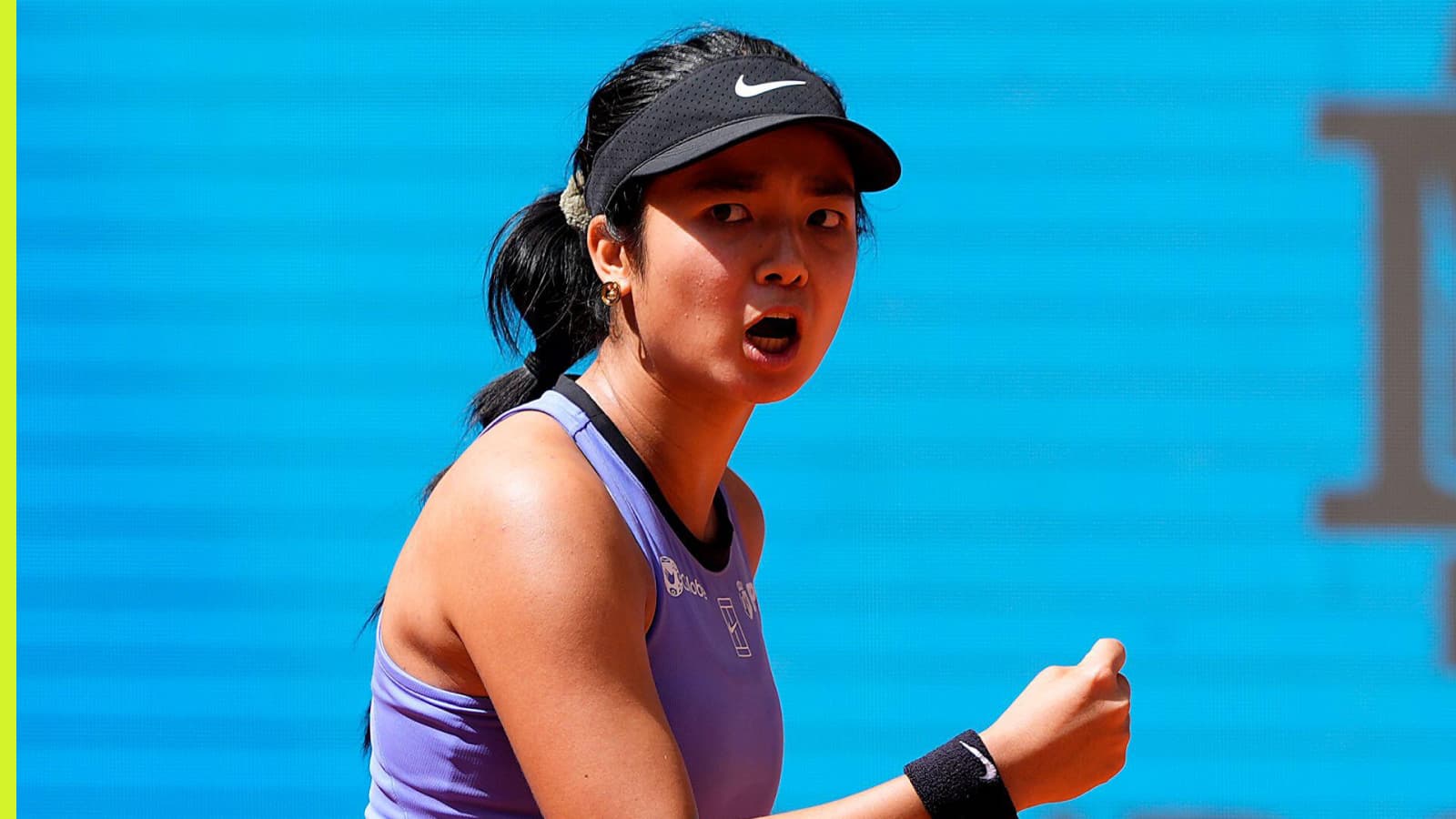
Alex Eala Advances in Italian Open After Upset of Wang Xinyu
Wang Xinyu's Berlin Run Reshapes Tennis Outlook