Diesel Prices Surge, Regaining Lost Ground Amid Supply Crisis Warnings
Benchmark fuel costs rebound sharply, erasing recent declines as analysts warn of worsening conditions.
PHILIPPINES —
Key facts
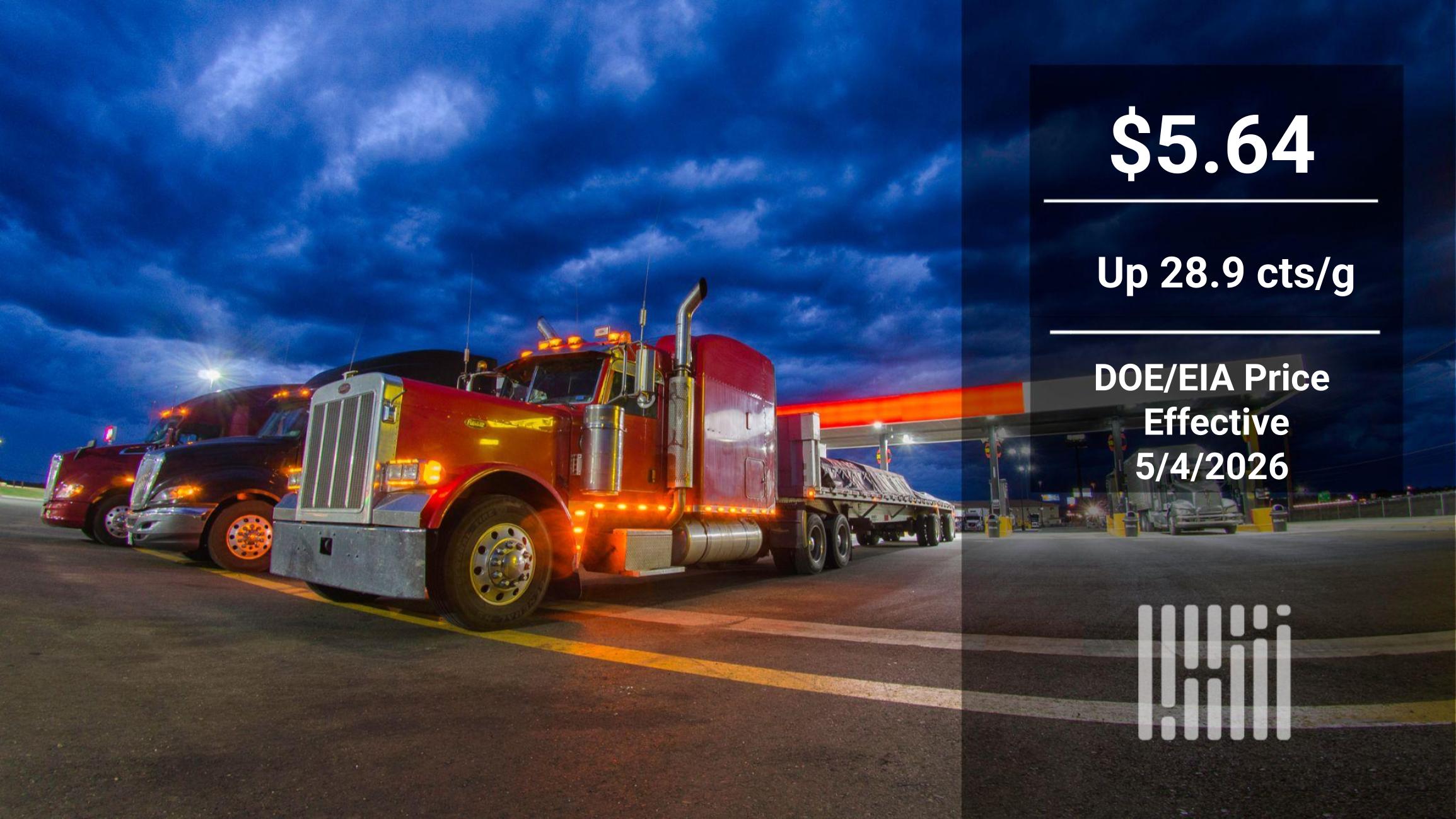
- Benchmark diesel price surged 28.9 cents/gallon to $5.64/g.
- Ultra low sulfur diesel futures for June delivery rose from $3.7943/g to $4.0723/g.
- Global petroleum liquids demand is projected to decline by 2-million b/d this year.
- April saw a record decline in global crude inventories of approximately 6.6 million b/d.
- Colorado Springs set a new record for its average diesel price over the weekend.
- A truck driver cited rising diesel costs as the reason for shutting down his business.
- Experts predict a significant impact on truck drivers and companies within two to four months.
Diesel Prices Rebound Sharply, Erasing Recent Declines
The benchmark price for diesel fuel has experienced a significant rebound this week, regaining nearly all of the ground lost over the preceding three weeks. This sharp reversal in pricing is now accompanied by escalating concerns about a potential supply crisis that has, until now, been largely managed through existing inventories. The average retail diesel price, a key metric for calculating fuel surcharges, jumped by 28.9 cents per gallon to reach $5.64. This increase brings the current price to within a fraction of a cent of its previous high point before the recent three-week decline. This latest surge in retail costs has occurred even before fully reflecting recent gains in the futures market. Ultra low sulfur diesel for June delivery on the CME commodity exchange saw a notable increase, rising 27.8 cents per gallon to $4.0723 on May 4, from a recent low of $3.7943 on April 27. This uptick in futures prices is occurring amidst ongoing disruptions, including blockages in the Strait of Hormuz.
Analysts Warn of Worsening Supply Conditions
The current market conditions present a paradoxical scenario, according to an analysis by S&P Global Energy. The oil market is simultaneously experiencing a decline in inventories and a drop in demand, a combination that theoretically should not occur together. Analysts suggest that the full impact of what they describe as the "greatest supply disruption in history" may not yet have been felt. The second quarter of the year is expected to see a reduction in global demand by approximately 5 million barrels per day from a base of 103 to 104 million barrels daily. This significant drop in consumption, potentially reaching as high as 20 million barrels per day at its peak, is contributing to a projected annual decline in global petroleum liquids demand by 2 million barrels per day for the year. Such annual declines are exceedingly rare, with the last significant drop occurring between 2019 and 2020 due to the pandemic.
Record Inventory Declines Amidst Falling Demand
Despite the decrease in demand, April witnessed a record-setting decline in global crude oil inventories, according to S&P Global Energy. This inventory drawdown averaged around 6.6 million barrels per day for the month and is expected to average approximately 5.5 million barrels per day for the entire quarter. This situation underscores the severity of the supply constraints. Even as consumption decreases, the rate at which crude oil and refined products are being drawn from reserves is outpacing the reduction in demand. from S&P Global Energy indicates that even reopening the Strait of Hormuz would not provide immediate relief. The longer these supply chain blockages persist, the greater the likelihood of an extended supply crisis, potentially stretching into late 2026 and 2027.
Colorado Springs Sets New Diesel Price Record
In the United States, Colorado Springs has recorded its highest-ever average price for a gallon of diesel fuel over the weekend.us high set in 2022 following Russia's invasion of Ukraine. The current market uncertainty, exacerbated by ongoing conflicts affecting critical shipping routes like the Strait of Hormuz—through which approximately 20% of the world's oil supply transits—is driving up costs across the board. While experts express concern about these rising prices affecting the cost of everyday goods, some local businesses have not yet seen a direct impact on their operational expenses. One neighborhood market owner noted that suppliers have not increased surcharges, though general food price volatility remains a concern.
Truckers Face Mounting Pressure as Prices Climb
However, for those on the front lines of transportation, the situation is far more dire. Truck drivers, particularly in northern Colorado Springs, are expressing deep anxiety about the escalating diesel prices. One driver, who recently closed his own trucking business due to these costs, stated that prices have nearly doubled. He voiced a plea for action to alleviate the financial burden on drivers, emphasizing the personal struggle to provide for his family amidst the soaring fuel expenses. The sentiment highlights the immediate and profound impact of the diesel price surge on the livelihoods of independent operators and small trucking companies. Experts like Joe Craig from the University of Colorado, Colorado Springs, anticipate that the effects will be felt most acutely by truck drivers and the companies that bear the cost of diesel first. He projects that consumers will likely experience these downstream price increases within the next two to four months.
Supply Disruptions Threaten Broader Economic Stability
The confluence of record inventory drawdowns, falling demand, and persistent supply chain blockages paints a concerning picture for the global economy. The benchmark diesel price, a critical indicator for numerous industries, has reversed a period of decline, signaling a potential escalation of costs. The warnings from analysts about the unprecedented nature of current market dynamics underscore the fragility of global energy supplies. The continued disruption in key shipping lanes, such as the Strait of Hormuz, poses a significant risk to the stability of oil and refined product markets. As prices continue their upward trajectory and supply remains constrained, the ripple effects are expected to become more pronounced. The economic strain on transportation sectors, as evidenced by the experiences of truck drivers, is likely to translate into higher costs for consumers, further complicating efforts to manage inflation and ensure economic stability.
The bottom line
- Benchmark diesel prices have reversed recent declines, reaching $5.64 per gallon.
- Futures markets show significant price increases for ultra low sulfur diesel.
- Global oil markets face a rare combination of falling demand and declining inventories.
- Colorado Springs has recorded its highest-ever average diesel price.
- Rising diesel costs have forced some trucking businesses to close.
- Widespread consumer price impacts are anticipated within two to four months.


No Earthquakes Recorded Near Montreal in Past 24 Hours as Seismic Activity Remains Low

Raptors Face Elimination as Barnes and Ingram Injuries Mount

TNT and Magnolia Face Do-or-Die Clash as PBA Commissioner's Cup Eliminations Wind Down
