Philippine Diesel Prices Drop ₱12.94 Per Liter as Government Rushes Supply, but Logistics Firms Warn of Rising Food Costs
A sharp rollback offers temporary relief to transport operators, yet manufacturers' price hikes on basic goods are set for May 10, threatening a new wave of inflation.
PHILIPPINES —
Key facts
- National average diesel price as of May 2, 2026: ₱89.35 per liter.
- DoE announced diesel rollback of ₱12.94 per liter effective April 28, 2026.
- Kerosene prices fell by ₱15.71 per liter; gasoline rose by ₱0.53 per liter.
- Four diesel shipments totaling 178 million liters arrived via PNOC: 22.6 million liters from Japan (Batangas, March 26), over 103 million liters (Subic), and 52 million liters (Davao).
- March 2026 inflation hit 4.1%, the highest since July 2024, driven by the energy crisis.
- Price hikes for basic necessities (canned goods, bread, bottled water, soap, detergent) take effect May 10, after two delays.
- HSBC warns the Philippines is most exposed in ASEAN to a potential 'food shock' from rising energy costs.
A Record Rollback Brings Relief, but Not for Long
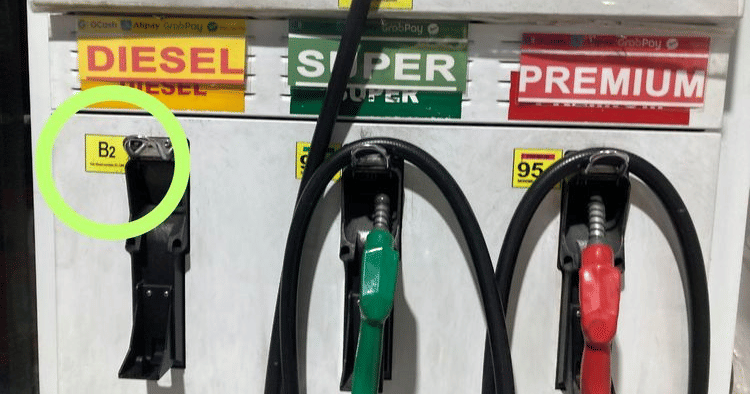
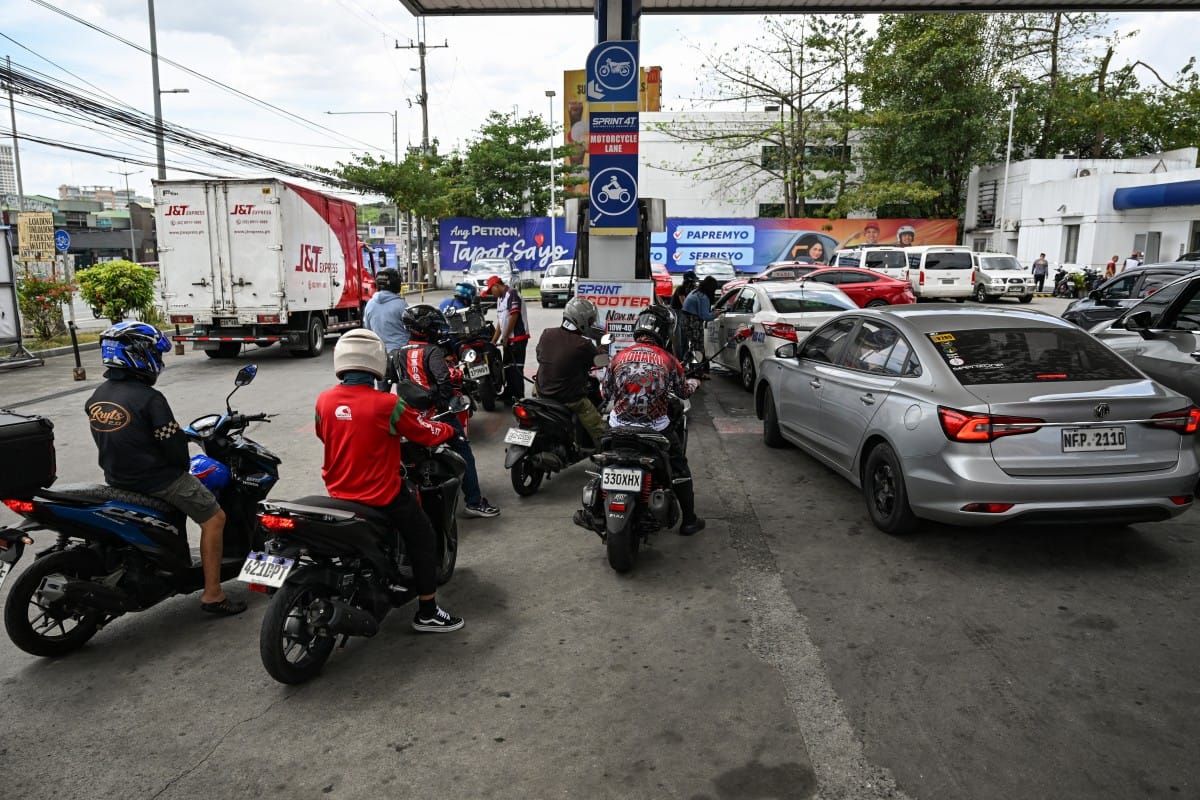
Philippine motorists woke on Tuesday, April 28, 2026, to one of the year’s steepest fuel price cuts, as the Department of Energy (DOE) ordered a sharp rollback in diesel and kerosene prices. Diesel fell by ₱12.94 per liter, bringing pump prices to a range of ₱75.93 to ₱101.96 depending on location, while kerosene dropped by ₱15.71 per liter, settling between ₱125.39 and ₱147.98. Gasoline, however, edged up by ₱0.53 per liter. The rollback follows weeks of relentless price increases that began in late February, after US and Israeli strikes on Iran on February 28 effectively halted maritime traffic through the Strait of Hormuz, triggering the worst energy crisis in history. The DOE’s intervention, orchestrated through the Philippine National Oil Company (PNOC), brought in four diesel shipments totaling about 178 million liters—enough to cover roughly five days of buffer stock.
Government Urgency: Four Shipments Arrive in Phases
Energy Secretary Sharon Garin announced the rollback on Monday, April 27, stating, “There will be a rollback tomorrow at ₱12.94 minimum. The estimated pump price range for diesel is ₱75.93 to ₱101.96.” She noted that prices vary by station depending on delivery distance from fuel depots. The four shipments arrived in a phased operation: more than 22.6 million liters from Japan docked in Batangas on March 26; two deliveries totaling over 103 million liters were received in Subic; and a final shipment of more than 52 million liters arrived in Davao. “The arrival of all four diesel shipments shows that the government is acting with urgency to protect the country’s fuel supply,” Garin said. “As the Middle East conflict continues, our priority is to ensure the Philippines remains prepared, adequately supplied, and able to respond swiftly to developments that may affect fuel availability and market stability.”
Logistics Firms Sound Alarm on Soaring Costs
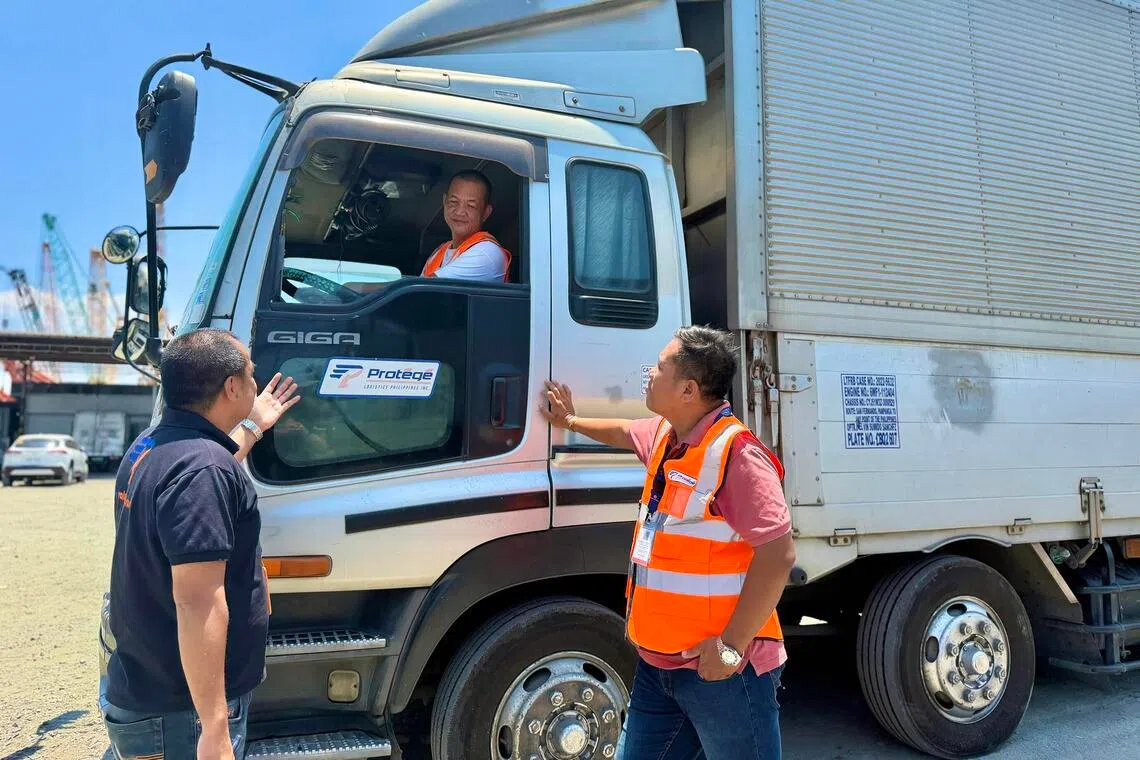
Despite the temporary relief at the pump, logistics players in the Philippines are warning that cost pressures from the prolonged fuel shock will inevitably raise prices of basic goods. In Laguna, Protege Logistics Philippines Inc. administrative and human resources head Omar Tigno, along with truck drivers Joseph Gayoso and Marcelo Nablo Jr., represent an industry grappling with huge diesel cost surges and cashflow issues that are limiting deliveries. Manufacturers have already planned price hikes for basic necessities and prime commodities—such as canned goods, bread, bottled water, soap and detergent—set to take effect from May 10, according to the Department of Trade and Industry. This follows two earlier deadlines of April 16 and April 30 that were postponed after rounds of negotiations between the government, manufacturers and retailers.
Inflation Spikes to 4.1% as Energy Crisis Bites
The broader economic impact is already visible. Inflation surged to 4.1% year on year in March 2026, the highest since July 2024, driven overwhelmingly by the energy crisis. Economists expect inflation to remain above 4% for the rest of 2026, significantly higher than 2025’s 1.7% and exceeding the central bank’s target range of 2% to 4%. from HSBC Global Investment Research warned that the current oil shock could evolve into a broader “food shock” for ASEAN countries. Higher energy costs eventually push up food prices, adding a second wave of inflationary pressure. The HSBC economists singled out the Philippines as “the most exposed” in the region, alongside Singapore, because both are net importers of food. “The Philippines’ agricultural sector has yet to catch up with its fast-growing population, with the archipelago having the highest fertility rate in Asia,” they noted. The population stands at around 117 million as of 2026.
Truck Drivers Bear the Brunt of a Fragile Supply Chain
In an archipelago that depends heavily on ground transport to move food and goods, the impact is felt first by logistics companies and their truck drivers. Drivers face severe hardship, with soaring diesel costs eating into their earnings, and many feel neglected by government subsidy programmes. underscores that the Philippines’ reliance on imported food and fuel makes it uniquely vulnerable to global supply disruptions. As manufacturers prepare to pass on costs to consumers, the risk of a “food shock” looms large. The rollback in diesel prices offers a brief respite, but logistics firms warn that without sustained intervention, the cost pressures will cascade through the supply chain, raising the price of everything from canned goods to bread. The coming weeks will test whether the government’s emergency fuel shipments can stabilize the market long enough to avert a deeper crisis.
The bottom line
- The DOE’s diesel rollback of ₱12.94 per liter is a temporary measure; prices remain volatile due to Middle East tensions.
- Four PNOC-arranged shipments added 178 million liters of diesel buffer stock, but that covers only about five days.
- March inflation hit 4.1%, the highest in nearly two years, driven by energy costs; economists expect it to stay above 4% in 2026.
- Manufacturers’ price hikes on basic goods, delayed twice, are set for May 10, threatening a new wave of consumer price increases.
- HSBC warns the Philippines is ASEAN’s most exposed country to a potential food shock, given its reliance on food imports and high population growth.
- Truck drivers and logistics firms face severe cashflow issues and feel left out of government subsidies, risking supply chain disruptions.



Raptors Face Elimination After Barnes and Ingram Injuries in Game 5 Loss to Cavaliers

Maxey and George Power 76ers Past Celtics 106-93, Forcing Game 7

Phoenix Fuel Masters Turn to Jonathan Williams as TNT Clash Looms in PBA Commissioner's Cup
