Eta Aquariid Meteor Shower Peaks This Week, Moonlight Threatens to Dampen Halley's Debris Display
The annual shower, caused by debris from Halley's Comet, will peak on the night of May 5-6, but a bright waning gibbous moon may cut visible rates by half.
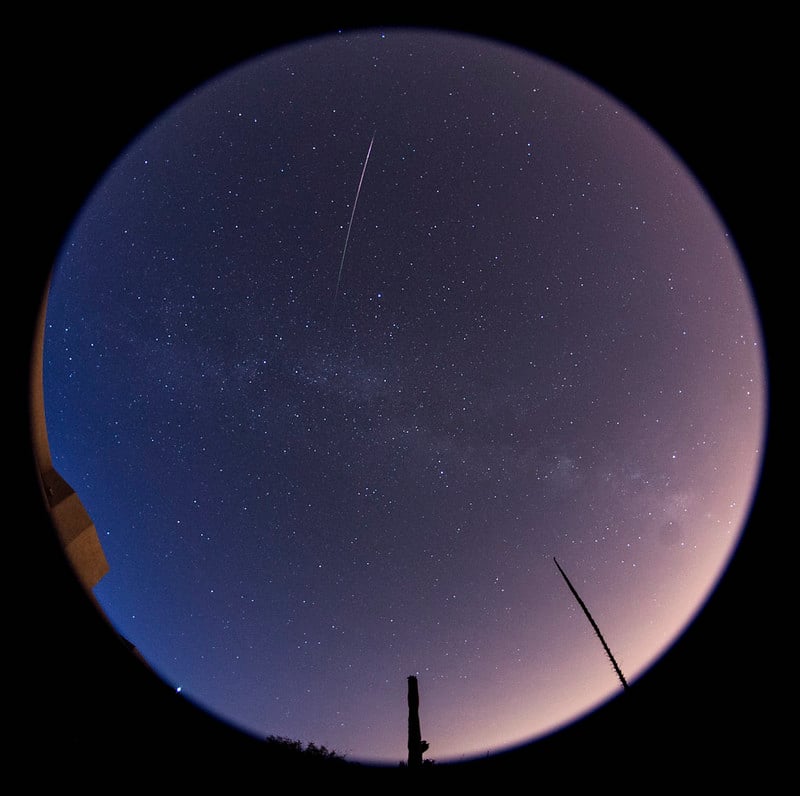
PHILIPPINES —
Key facts
- The Eta Aquariid meteor shower is active from April 19 to May 28, peaking overnight May 5-6.
- The shower's source is Halley's Comet, which last passed through the inner solar system in 1986 and will return in 2061.
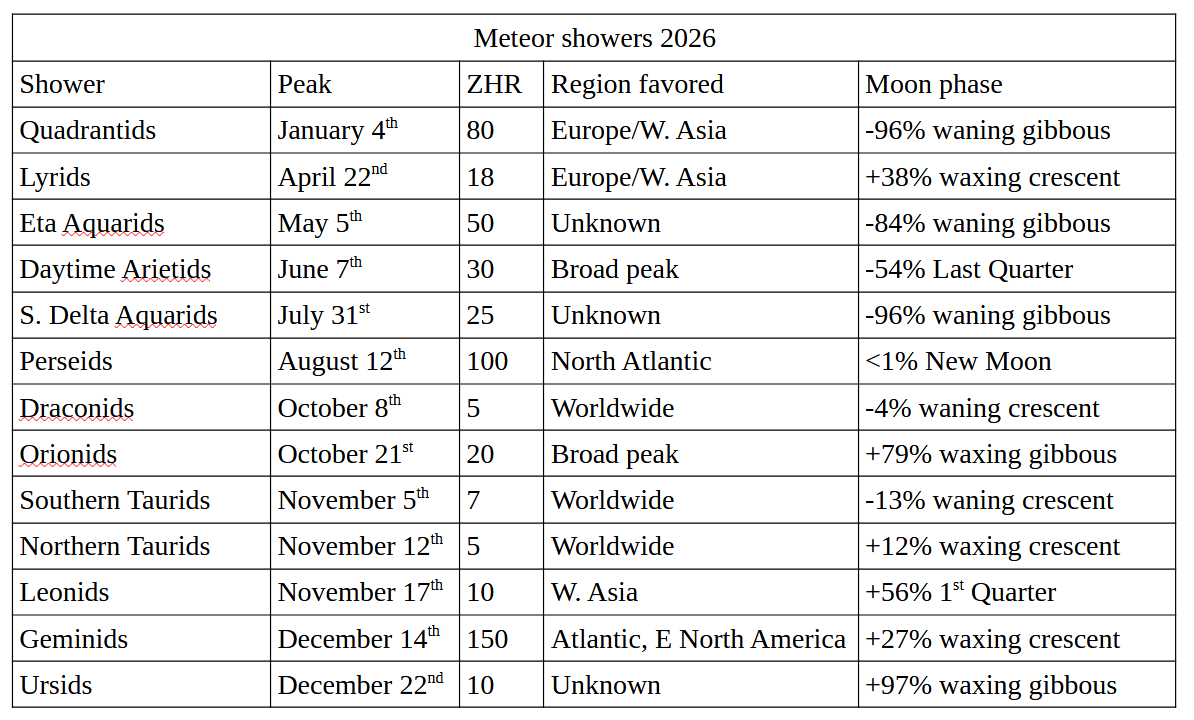
- Zenithal Hourly Rate can reach 60-100 meteors per hour in ideal conditions, but typical rates hover around 50 per hour.
- In 2013, rates unexpectedly topped 140 meteors per hour.
- The radiant lies at 1 degree declination, just below the celestial equator, favoring southern hemisphere viewers.
- Northern hemisphere observers may see only 10-30 meteors per hour during peak, while moonlight could reduce that further.
- The moon will be a waning gibbous, 84% full, causing significant interference.
- Meteors travel at 65.4 kilometers per second (about 41 miles per second), often leaving persistent trains.
A Shower of Halley's Debris Faces Lunar Competition
The Eta Aquariid meteor shower, one of the strongest annual displays, reaches its peak this week, offering skywatchers a chance to see fragments of Halley's Comet streak across the sky. But a bright waning gibbous moon, 84% full, threatens to wash out fainter meteors, reducing the spectacle. The shower is active from April 19 to May 28, with the key night being May 5-6. Under dark skies, the Zenithal Hourly Rate can reach 60-100 meteors per hour, but typical rates hover around 50. However, the moon's interference could cut visible numbers by half, according to the American Meteor Society.
Halley's Comet: The Source of Two Meteor Showers
The Eta Aquariids originate from debris left by Halley's Comet, which orbits the Sun every 74.7 years. The comet last visited the inner solar system in 1986 and will return in 2061. It reached aphelion, 35 Astronomical Units from the Sun, on December 9, 2023. Halley's Comet also produces the October Orionid meteor shower, a northern hemisphere event. The Eta Aquariids are one of only two major showers with a radiant in the southern hemisphere, the other being the August Delta Aquariids.
Best Viewing from the Southern Hemisphere
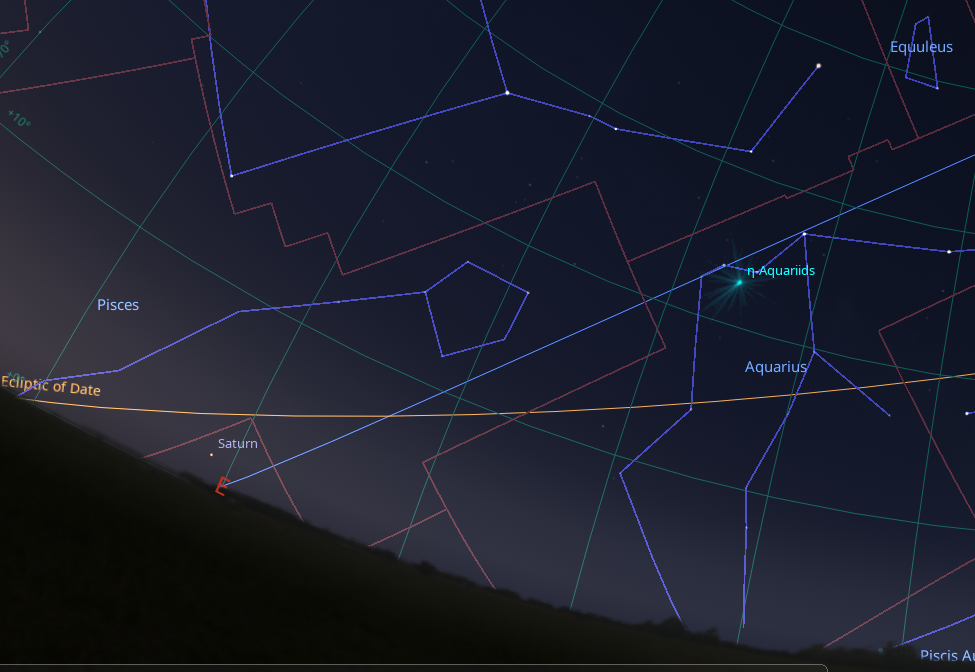
The shower's radiant sits at 1 degree declination, just below the celestial equator near the star Eta Aquarii in the Water Jar asterism. This position means the radiant rises around 2 a.m. local time and transits the meridian at about 8 a.m., after sunrise. For northern hemisphere observers, the window of darkness is narrow, and rates are typically 10-30 meteors per hour. In the south, where the radiant rides high, the Eta Aquariids are considered one of the best annual showers. “The farther south you are, the better you'll see it,” said Teri Gee, manager of the Barlow Planetarium in Wisconsin.
How to Watch: Timing and Tips
The best time to view is before dawn on May 6, when the radiant is highest. Observers should find a dark location away from city lights, ideally one that blocks the moon. No special equipment is needed; just a comfortable chair and patience. Allow at least 30 minutes for eyes to adjust to the dark, and avoid looking at phone screens. Look toward the constellation Aquarius, but scan the entire sky, as meteors farther from the radiant have longer trains. “You're looking for bright streaks that appear in the corner of your eye for a fraction of a second,” said astrophysicist Nico Adams with SSP International.
A Cosmic Coincidence: Why the South Gets More
Of the 13 major annual meteor showers, only two have radiants in the southern hemisphere. The Eta Aquariids are one; the other is the August Delta Aquariids. This imbalance is a cosmic coincidence with no known cause. Ironically, the southern hemisphere also tends to receive brighter comets, such as the currently bright Comet C/2025 R3 Pan-STARRS. For northern viewers, the Eta Aquariids remain elusive but rewarding, especially in years when the moon is absent.
Looking Ahead: Prospects for Future Years
While 2025's display is hampered by moonlight, future years may offer better conditions. The shower has surprised observers before, notably in 2013 when rates topped 140 per hour. The broad peak means that activity can remain elevated for several nights around the maximum. As Halley's Comet continues its long journey back toward the Sun, its debris will continue to produce these annual displays. The next return of the comet itself, in 2061, promises a spectacular show, but until then, the Eta Aquariids offer a yearly reminder of its presence.
The bottom line
- The Eta Aquariid meteor shower peaks May 5-6, with debris from Halley's Comet producing up to 50 meteors per hour under ideal conditions.
- A waning gibbous moon (84% full) will significantly interfere, potentially cutting visible rates by half.
- Best viewing is before dawn on May 6, from a dark location with an unobstructed eastern horizon.
- Southern hemisphere observers have the best vantage point, with rates of 50 per hour; northern viewers may see only 10-30.
- The shower is active from April 19 to May 28, with a broad peak that can yield surprises, as in 2013 when rates hit 140 per hour.
- Halley's Comet is also the source of the October Orionids, another major meteor shower.


Lakers' 3-0 series lead evaporates as Rockets force Game 6 in Houston
Lakers’ 3-0 series lead over Rockets evaporates as offense stalls in Games 4 and 5
May's Flower Moon Rises as Rare Blue Moon Looms Later This Month