U.S. Gas Prices Hit Four-Year High as Iran War Disrupts Global Oil Supply
National average reaches $4.30 per gallon, with California topping $6, as the Strait of Hormuz closure pushes oil above $100 a barrel.
PHILIPPINES —
Key facts
- National average gas price rose to $4.30 per gallon on April 30, 2026, up 27 cents in one week.
- Oil briefly hit $126 a barrel before settling at $108, the highest since the Iran war began.
- California leads the nation at $6.01 per gallon; Oklahoma has the lowest at $3.70.
- Filling a standard 18-gallon SUV tank now costs $79.74, up $26.82 from pre-war levels.
- Gasoline demand rose to 9.10 million barrels per day while supply fell to 222.3 million barrels.
- U.S. crude oil inventories decreased by 6.2 million barrels to 459.5 million barrels.
- The national average for public EV charging rose 1 cent to 41 cents per kilowatt hour.
Prices Surge Amid Ongoing Iran Conflict
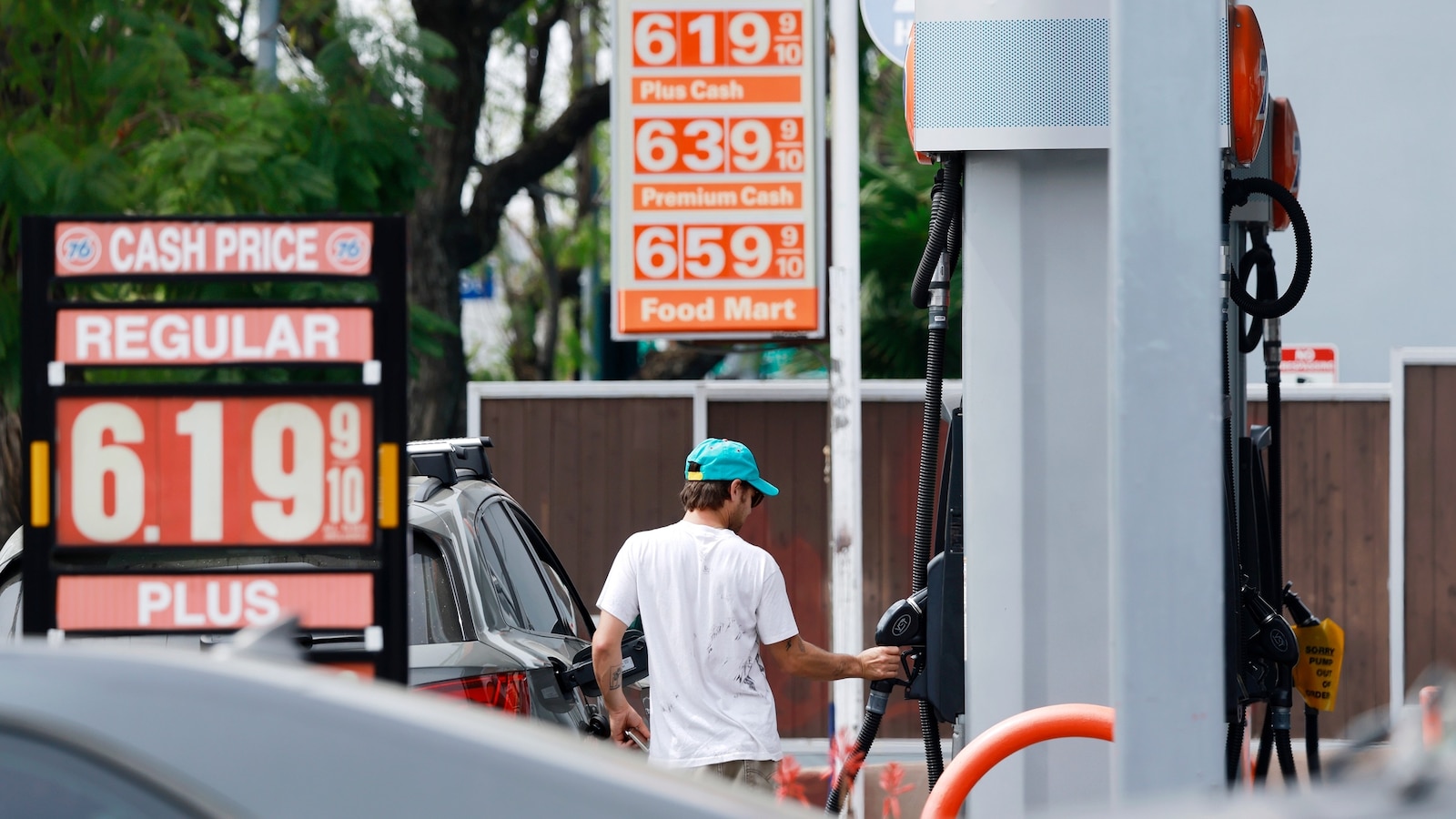
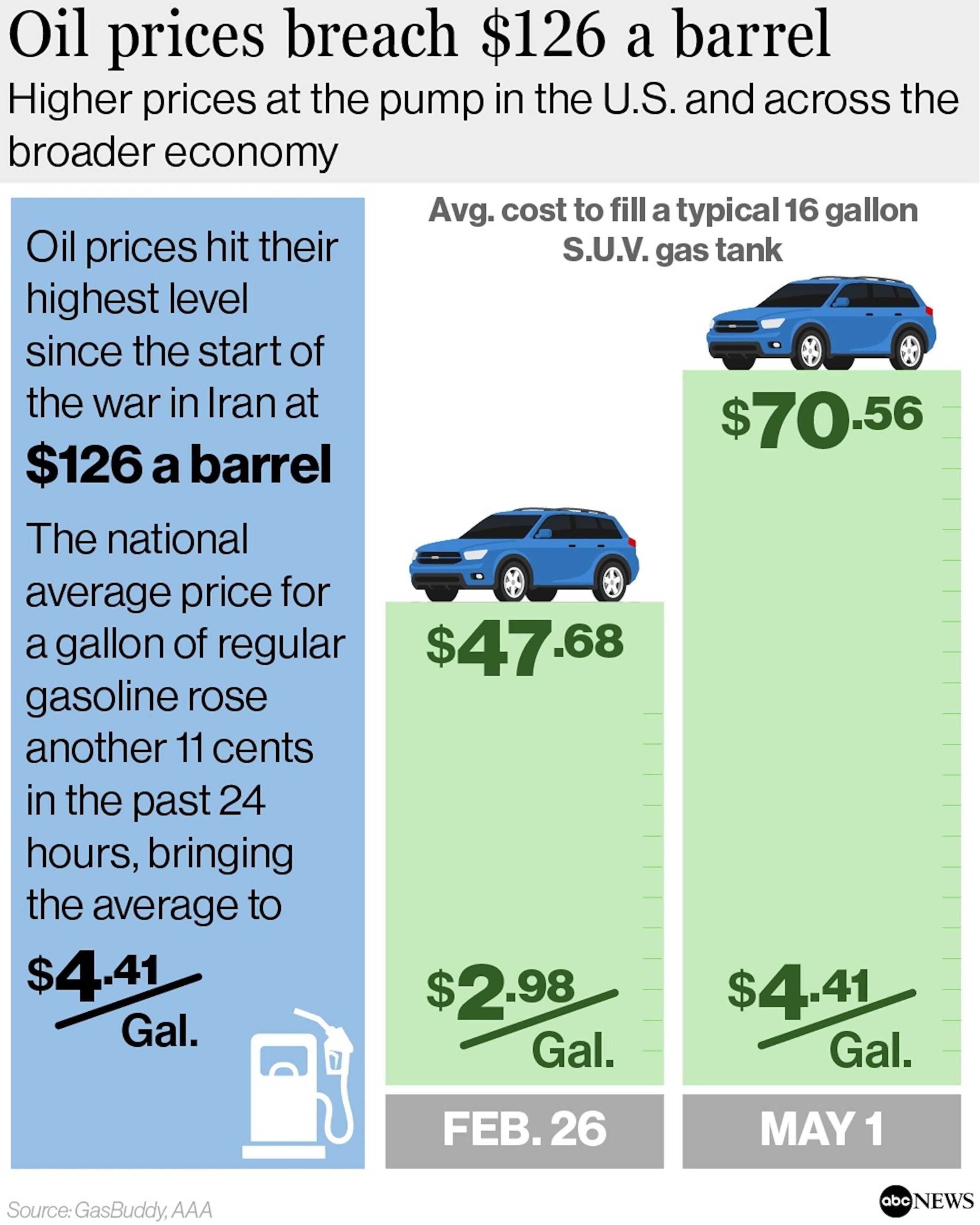
Gasoline prices across the United States have climbed to their highest level in four years, with the national average reaching $4.30 per gallon on April 30, 2026. The 27-cent jump in a single week reverses a brief two-week decline and reflects the deepening impact of the war in Iran on global oil markets. Oil prices briefly touched $126 a barrel on Thursday before retreating to around $108 on Friday, the highest since the conflict began. The surge has rapidly translated into higher costs at the pump and across the broader economy, with no end in sight as the Strait of Hormuz remains closed to commercial shipping.
National Average Nears $4.43 as Regional Disparities Widen
According to fuel price tracking service GasBuddy, the national average for a gallon of regular gasoline now stands at $4.43, up two cents from the previous day and nearly $1.50 higher than at the start of the war. Prices are 126 cents above last year's average of $3.172. Drivers in California face the highest prices in the nation at just over $6 per gallon, followed by Hawaii at $5.64, Washington at $5.57, Oregon at $5.15, and Nevada at $5.12. At the other end of the spectrum, Oklahoma offers the cheapest gas at $3.70, with Kansas, Georgia, Mississippi, and Arkansas all below $3.80.
Filling Up Costs Drivers Tens of Dollars More
The financial burden on American motorists is stark. Filling a standard 18-gallon SUV tank, which cost $52.92 before the war when gas was $2.94 per gallon, now costs $79.74 — an increase of $26.82. For a Ford F-150 with a 23-gallon tank, the cost has risen from $67.62 to $101.89, adding $34.27 per fill-up. These figures underscore how the conflict is directly hitting household budgets, with transportation costs rising sharply across the country.
Supply Tightens as Demand Edges Up
Data from the Energy Information Administration (EIA) shows that gasoline demand increased last week from 9.05 million barrels per day to 9.10 million, while total domestic gasoline supply fell from 228.4 million barrels to 222.3 million. Gasoline production also decreased, averaging 9.8 million barrels per day. Crude oil inventories dropped by 6.2 million barrels from the previous week, standing at 459.5 million barrels — about 1% above the five-year average for this time of year. At the close of Wednesday's formal trading session, West Texas Intermediate crude rose $6.95 to settle at $106.88 a barrel.
EV Charging Costs Also Rise, Vary Widely by State
The national average per kilowatt hour of electricity at a public EV charging station increased by one cent to 41 cents. West Virginia has the most expensive public charging at 53 cents per kWh, followed by Hawaii at 51 cents and Alaska at 50 cents. Kansas offers the cheapest at 29 cents, with Missouri at 31 cents and Utah at 32 cents. Drivers can find current gas and electric charging prices along their route using the AAA TripTik Travel planner, as the cost of both fuels continues to climb.
Outlook Uncertain as Strait of Hormuz Remains Closed
The national average is now $1.12 higher than it was a year ago, and oil prices remain above $100 per barrel with no indication of when the Strait of Hormuz will reopen. The waterway is a critical chokepoint for global oil shipments, and its closure has sent shockwaves through energy markets. Analysts warn that if the conflict continues to disrupt supply, prices could climb further. The current four-year high — last seen in late July 2022 — may be surpassed in the coming weeks as the war in Iran shows no signs of abating.
The bottom line
- U.S. gas prices are at a four-year high, driven by the Iran war and the closure of the Strait of Hormuz.
- The national average hit $4.30 on April 30, with California topping $6 per gallon.
- Filling a standard SUV now costs nearly $80, up $27 from pre-war levels.
- Gasoline demand rose while supply and production fell, tightening the market.
- Crude oil inventories dropped by 6.2 million barrels, with WTI settling at $106.88.
- EV charging costs also rose, with wide state-by-state variation from 29 to 53 cents per kWh.



No Earthquakes Recorded Near Montreal in Past 24 Hours as Seismic Activity Remains Low

Raptors Face Elimination as Barnes and Ingram Injuries Mount

Apple May Split iPhone 18 Launch Across Two Events as Premium Models and Foldable Debut in Fall
