May 2026 Flower Moon: A Micromoon Rises Amid Disagreement Over Its Status
The full moon on May 1 will appear slightly smaller than average as it reaches apogee, but astronomers differ on whether it qualifies as a micromoon.
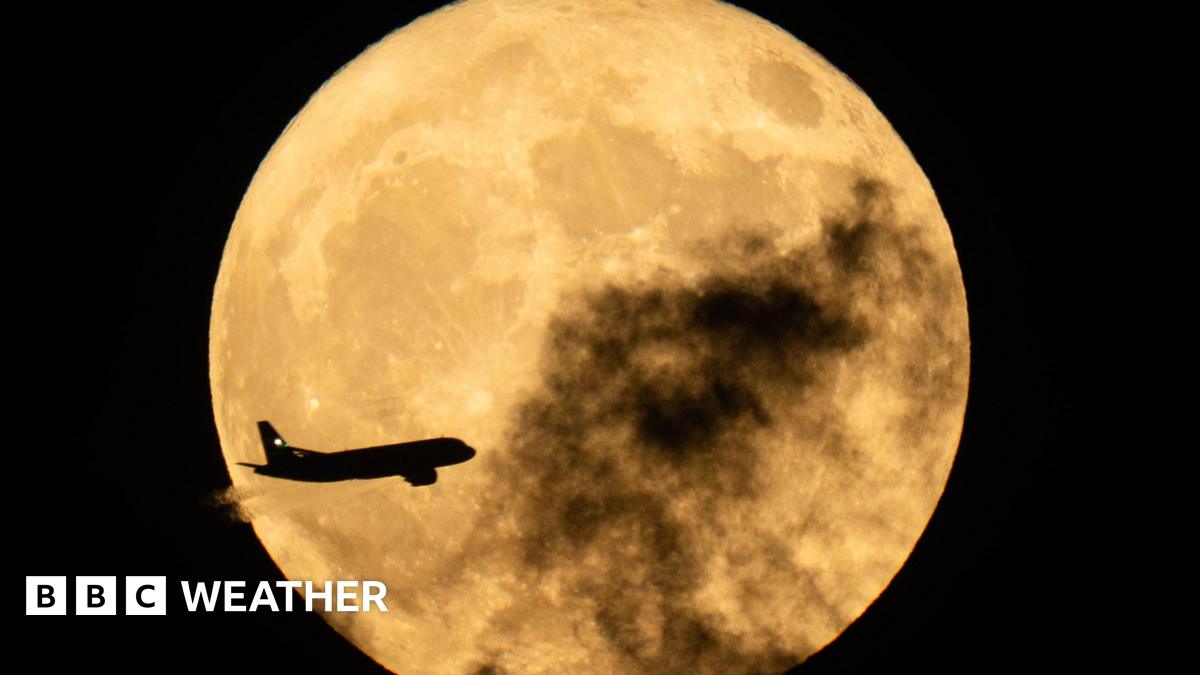
PHILIPPINES —
Key facts
- The Flower Moon reaches its fullest at 18:23 UTC on Friday, May 1, 2026.
- The moon will be at apogee, approximately 406,000 km (252,000 miles) from Earth.
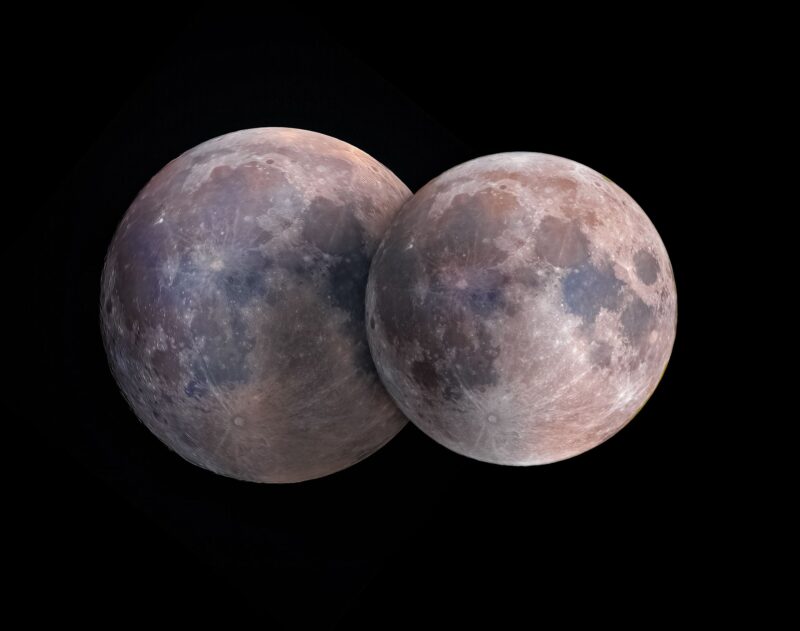
- A micromoon appears about 12-14% smaller than a supermoon and about 7% smaller than an average full moon.
- The moon's elliptical orbit causes a distance variation of about 43,000 km (26,000 miles) between apogee and perigee.
- A second full moon on May 30-31, a Blue Moon, will be 2026's most distant full moon at 406,135 km (252,360 miles).
- AstroPixels lists three full micromoons in 2026 (May 1, May 31, June 29); Timeanddate.com lists only two (May 31, June 29).
- The full moon occurs in the astrological sign of Scorpio, associated with transformation and hidden truths.
- The term 'Flower Moon' originates from the blooming of spring flowers in May.
A Diminutive Flower Moon
On Friday, May 1, 2026, the full Flower Moon will rise, reaching its peak illumination at 18:23 UTC. But skywatchers expecting a brilliant orb may notice something slightly off: this full moon will appear a touch smaller and dimmer than usual. The reason lies in its orbit—the moon will be near its farthest point from Earth, known as apogee, roughly 406,000 kilometers (252,000 miles) away. This phenomenon, often called a micromoon, occurs when a full or new moon coincides with apogee. Because the moon's orbit is elliptical, its distance from Earth varies by about 43,000 kilometers (26,000 miles) each month. At apogee, the moon appears about 7% smaller than an average full moon and up to 14% smaller than a supermoon—a difference barely perceptible to the naked eye but noticeable in photographs.
Defining a Micromoon: A Matter of Interpretation
Despite the widespread use of the term, there is no strict astronomical definition for a micromoon. This ambiguity has led to disagreement among sources over which full moons qualify. the May 1 Flower Moon is a micromoon, along with the Blue Moon on May 30-31 and the Strawberry Moon on June 29. However, Timeanddate.com excludes the May 1 event, considering only the May 31 and June 29 full moons as micromoons. The discrepancy arises from different thresholds for how close to apogee the moon must be. The May 31 full moon will be 2026's most distant, at 406,135 kilometers (252,360 miles), compared to the moon's average distance of 384,472 kilometers (238,900 miles). Both sources agree that the June 29 full moon is a micromoon, meaning 2026 will see either two or three consecutive micromoons, depending on the definition used.
Astrological Significance: Scorpio's Transformative Light
Beyond its astronomical characteristics, the May 1 full moon carries astrological weight. It falls in the intense and transformative sign of Scorpio, a placement that emphasizes rebirth, emotional depth, and uncovering hidden truths. Astrologers suggest that this lunation encourages letting go of what no longer serves, with each zodiac sign affected differently based on the position of Scorpio in their birth chart. For example, Aries may feel called to confront vulnerability in their eighth house of transformation, while Taurus might see relationships spotlighted in their seventh house. Gemini is advised to focus on self-care and routines, and Cancer to channel emotions into creative expression. The moon's Scorpio energy, combined with the Taurus sun, creates a tension between stability and profound change.
The Blue Moon Coda
Observers who miss the Flower Moon will have a rare second chance later in May. A Blue Moon—the second full moon in a single calendar month—will occur on May 30-31, reaching its peak on May 31. This full moon will be even more distant than the first, at 406,135 kilometers (252,360 miles), making it the most distant full moon of 2026. It will also be considered a micromoon by both AstroPixels and Timeanddate.com. Blue Moons are not actually blue in color; the term refers to the unusual occurrence of two full moons in one month. The last Blue Moon occurred in August 2023, and the next after 2026 will not happen until 2028.
A Season of Micromoons
The micromoon trend continues into June. The Strawberry Moon on June 29 will be the third full micromoon of 2026 and the second.moons is a result of the moon's orbital mechanics, where apogee and full moon phases align over consecutive months. For those interested in new moons, 2026 also features a new micromoon on December 9, which will be the most distant new moon of the year at 404,687 kilometers (251,460 miles). New micromoons are less commonly discussed but follow the same principle: a new moon occurring near apogee.
Practical Viewing and Cultural Roots
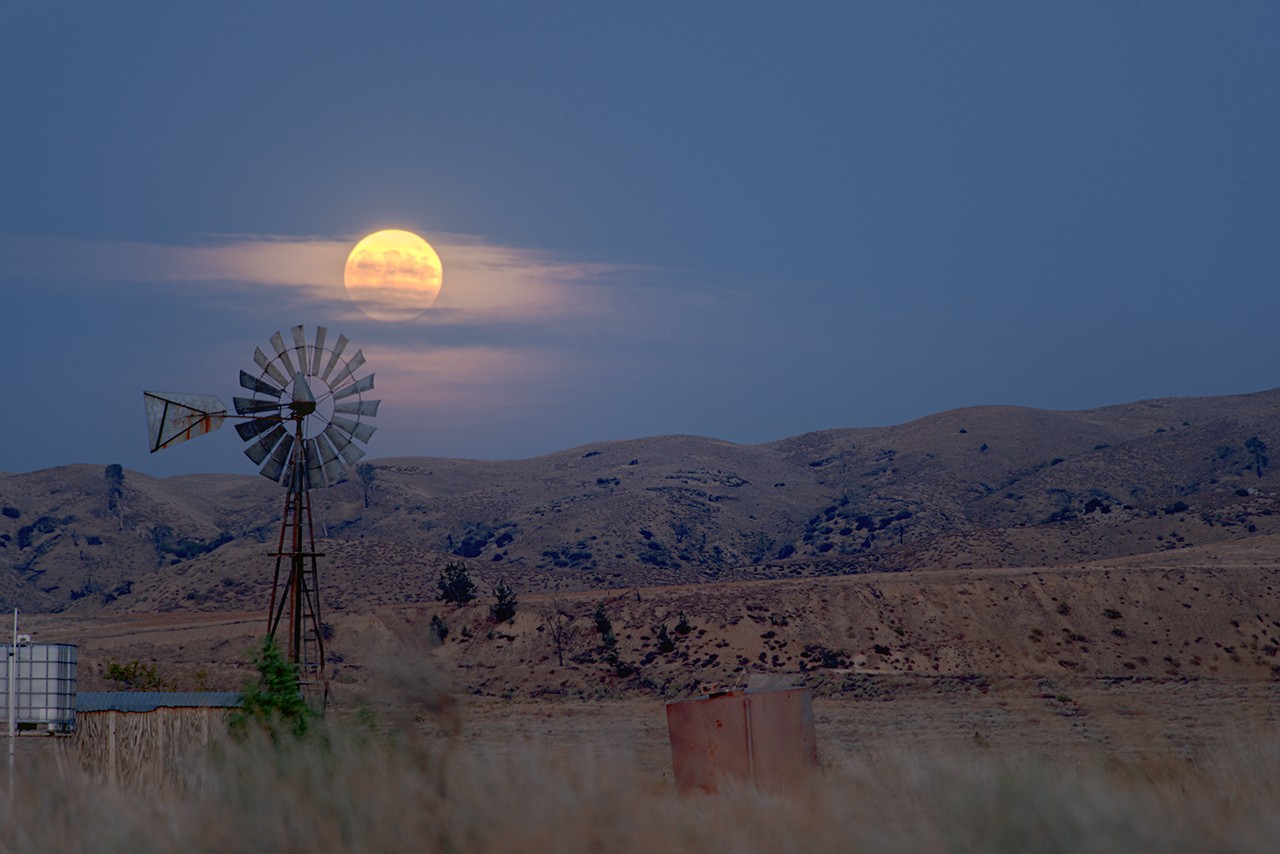
Weather permitting, the Flower Moon will be visible to the naked eye across the globe, though its reduced brightness may be more apparent to experienced observers. The name 'Flower Moon' is traditionally associated with the abundant blooming of spring flowers in May, a practice rooted in Native American and colonial naming conventions. To catch the best view, look for the moon rising in the east around sunset. The slight difference in size will be imperceptible to most, but photographers can capture the effect by comparing images taken at apogee and perigee. Whether one counts it as a micromoon or not, the May 1 full moon offers a moment to reflect on the dynamic dance between Earth and its celestial companion.
The bottom line
- The May 1, 2026 full Flower Moon is a micromoon, appearing about 7% smaller than average due to its position at apogee (406,000 km from Earth).
- There is no universal definition of a micromoon; AstroPixels counts three in 2026, while Timeanddate.com counts two, excluding the May 1 event.
- A second full moon on May 30-31 (a Blue Moon) will be the year's most distant at 406,135 km, and is universally considered a micromoon.
- The moon's elliptical orbit causes a 43,000 km distance variation, making micromoons about 12-14% smaller than supermoons.
- Astrologically, the full moon in Scorpio emphasizes transformation, emotional release, and hidden truths, affecting each zodiac sign differently.
- The term 'Flower Moon' reflects the spring blooming season, a tradition from Native American and colonial naming.


Rockets' Defensive Adjustments Push Lakers to Brink of Historic Collapse
Lakers’ Offensive Collapse Gives Rockets Life as Series Heads to Houston for Game 6
Flower Moon and Blue Moon: May Offers Two Full Moons, Meteor Shower, and Venus Conjunction