Google Launches Screenless Fitbit Air, Targets Health Insights Over Smartwatch Wars
The new $99 tracker and Google Health app aim to democratize wellness advice, challenging rivals with broad device compatibility.

PHILIPPINES —
Key facts
- Google introduces the Fitbit Air, a screenless fitness tracker, priced at $99.99.
- The device offers up to a week of battery life and fast charging.
- Fitbit Air tracks heart rate, sleep, and automatically detects workouts.
- It syncs with the new Google Health app, featuring an AI-powered health coach.
- The Google Health app and Fitbit Air are compatible with both Android and iOS devices.
- A three-month trial of Google Health Premium is included with pre-orders.
- Google aims to compete in AI health coaching rather than solely the wearable hardware market.
A New Approach to Wearable Wellness
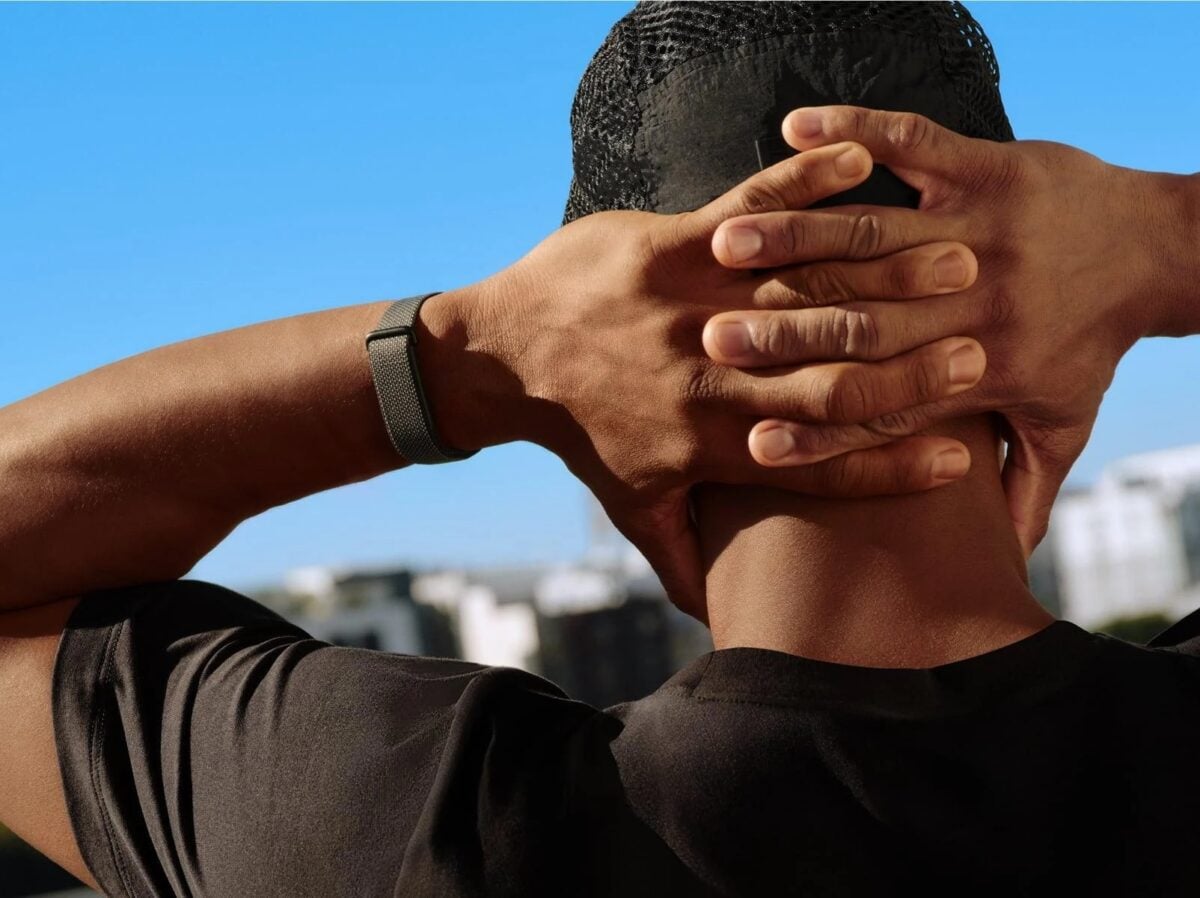
Google is venturing into the screenless wearable arena with the introduction of the Fitbit Air, a compact and affordable fitness tracker designed for continuous health monitoring. This new device, priced at $99.99, eschews a display in favor of a minimalist design, aiming to provide users with deep health and wellness insights through a companion mobile application. The move signals Google's strategic focus on leveraging artificial intelligence for personalized health guidance, potentially reshaping the competitive landscape for digital wellness. The Fitbit Air is positioned as a lightweight, unobtrusive accessory for 24/7 wear. Its core function is to track essential biometric data, including heart rate and sleep patterns, without the distractions often associated with screen-based smart devices. The company emphasizes its comfort and discreet form factor, designed to blend seamlessly into users' daily lives. This launch arrives as Google seeks to expand its reach beyond its existing user base of Pixel Watch and Fitbit owners. By making the new Google Health app and the Fitbit Air compatible with both Android and iOS devices, the tech giant is making a clear play to attract a wider audience, including users of competing wearables like the Apple Watch and Oura ring, as well as individuals who do not currently own a fitness tracker.
Fitbit Air: Minimalist Design, Maximum Insights
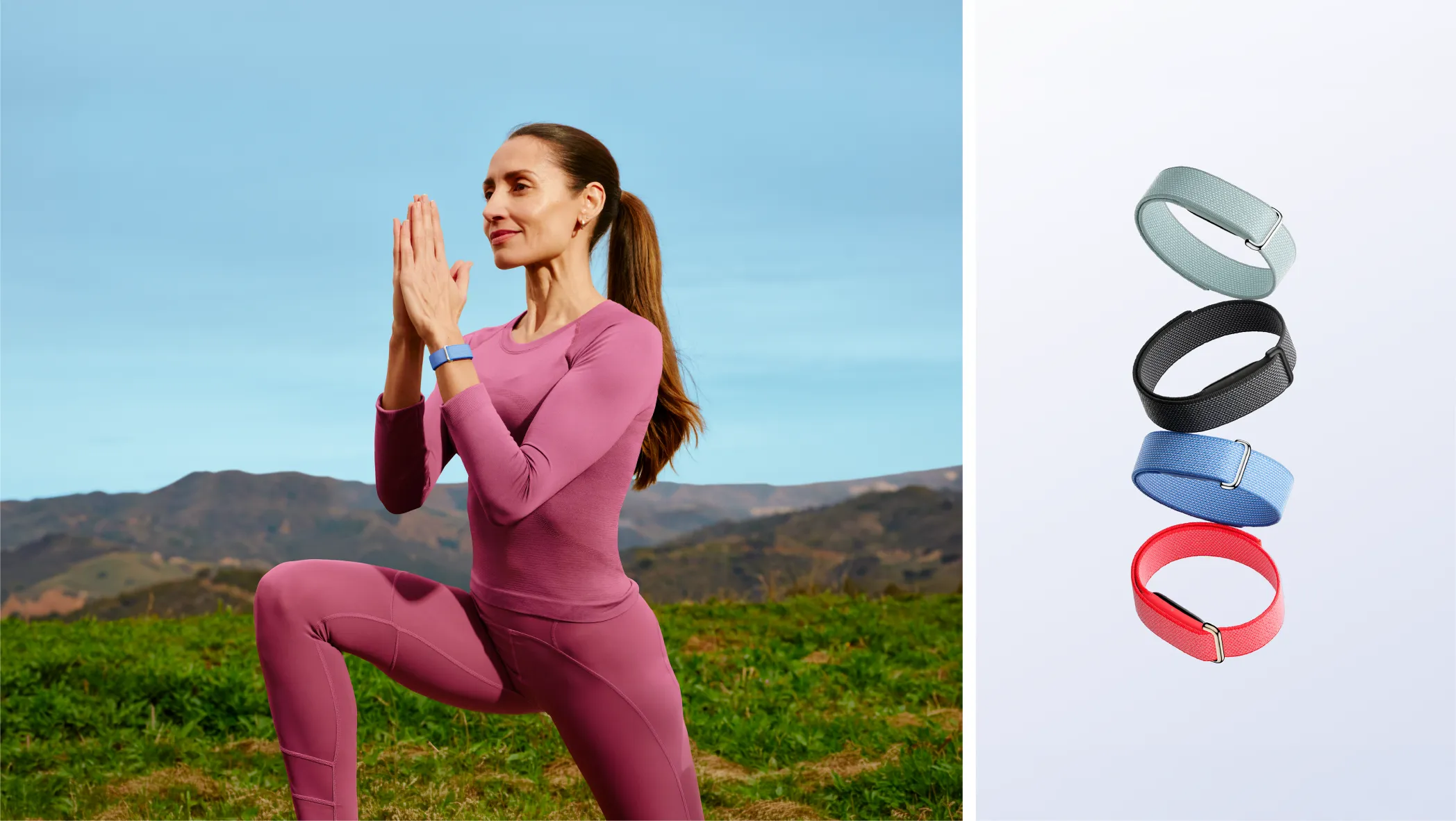
The Fitbit Air distinguishes itself with a screenless, pebble-like design, weighing a mere 12 grams. This minimalist approach is intended to keep users focused on their well-being rather than on notifications or data displayed on a wrist-worn screen. The device automatically detects common workouts, simplifying the tracking process, and also allows for manual logging of exercise sessions or even photo-based logging of gym equipment. Battery life is a key feature, with the Fitbit Air promising up to a week of use on a single charge. For those on the go, fast charging capabilities offer a full day's power in just five minutes. This extended battery performance is designed to accommodate busy schedules, ensuring continuous tracking from work and workouts to sleep. Comfort is paramount to the Fitbit Air's design philosophy. Its low profile and lightweight construction are intended to make it so comfortable that users forget they are wearing it, thereby facilitating uninterrupted sleep tracking, which Google highlights as crucial for a holistic view of health. The device also offers interchangeable bands, allowing users to customize its appearance to match their personal style.
The Google Health App and AI Coach
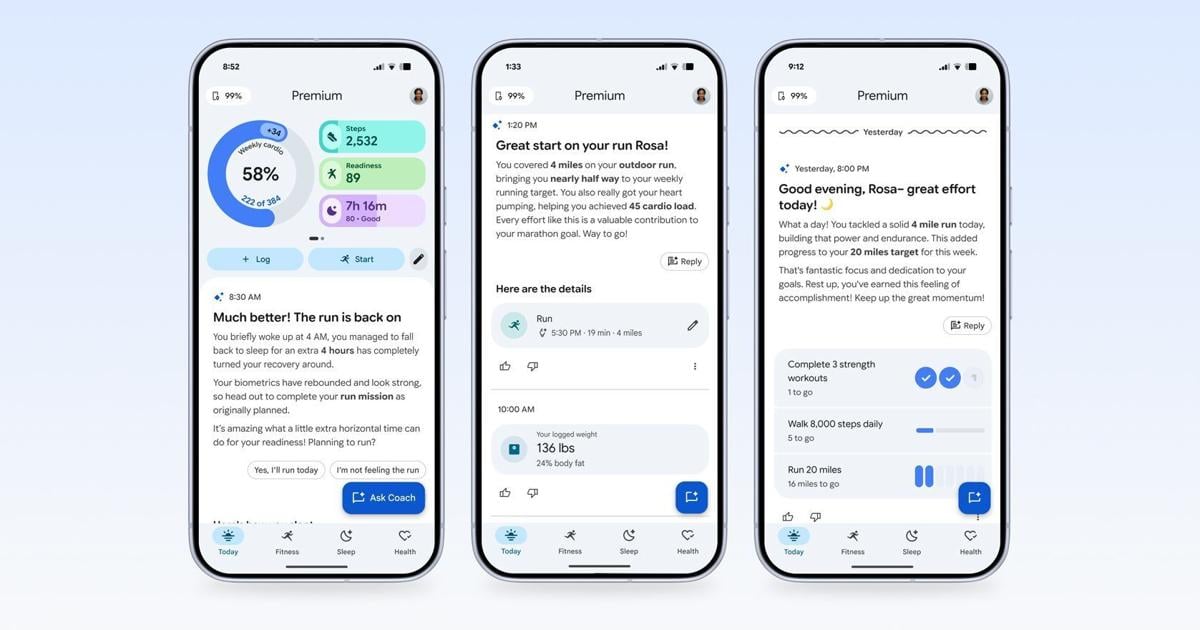
Central to the Fitbit Air experience is the new Google Health app, which will replace the existing Fitbit app starting May 19. This application serves as the central hub for all health data, offering personalized fitness plans and a chatbot powered by Google's Gemini models. This AI health coach aims to provide users with actionable insights and guidance based on their tracked data, functioning as a virtual wellness advisor. Rishi Chandra, general manager of Google Health, likens the AI coach to having a personal team of experts, including a nutritionist, sleep coach, and fitness trainer, available to everyone. The coach can identify trends in sleep and workouts, summarizing progress and providing context, such as how a particular run contributed to a weekly mileage goal. Many of the advanced features within the Google Health app, including the AI coach, require a Google Health Premium subscription. Pre-ordering the Fitbit Air includes a three-month trial of this premium service, offering users an opportunity to explore its capabilities. Google is also exploring integrations with cross-platform health data tools like Health Connect for Android and Apple's HealthKit, further aiming to centralize user health information.
Challenging the Competition
Google's entry into the screenless tracker market, with its $99 Fitbit Air and broadly compatible Google Health app, presents a significant challenge to established players like Samsung. While Samsung has strong offerings in the smartwatch and health tracking space, its ecosystem can be restrictive, particularly for users outside the Galaxy family or those using iPhones. The Fitbit Air's cross-platform compatibility directly addresses this limitation. Samsung's closest potential competitor, the Galaxy Ring, is reportedly nearly three times as expensive and faces similar ecosystem constraints. The trend towards discrete, screenless activity trackers, popularized by companies like Whoop, is gaining momentum, and Google's affordable and accessible offering is well-positioned to capitalize on this shift. This strategic pivot suggests Google is prioritizing competition in the AI-driven health coaching sector, akin to its rivalry with OpenAI and Microsoft, over a singular focus on dominating the global wearable hardware market, where it currently trails behind Apple, Samsung, Xiaomi, and Huawei.
Navigating AI's Health Promises and Perils
The integration of AI into health and wellness tools, as exemplified by Google's health coach, is a rapidly evolving field. While proponents highlight the potential for democratizing access to personalized health advice, institutions like the Mayo Clinic and Duke University School of Medicine have raised cautionary flags. They point to the risks of AI inaccuracies, a lack of essential context, and the inability of these tools to perform the diagnostic reasoning of medical professionals. Google, alongside other major tech companies developing AI health tools, including OpenAI and Microsoft, has stated that its products are not intended for medical use or to substitute for professional medical advice. This distinction is crucial as consumers increasingly turn to AI for health-related queries. The broader implications of this trend are significant. As AI becomes more sophisticated in analyzing personal health data, the potential for both unprecedented wellness insights and unforeseen risks grows. The challenge for companies like Google lies in balancing innovation with user safety and ethical considerations, ensuring that AI health tools augment, rather than replace, informed decision-making and professional medical care.
The bottom line
- Google's Fitbit Air offers a screenless, lightweight fitness tracking experience for $99.99.
- The device boasts up to a week of battery life and automatic workout detection.
- It integrates with the new Google Health app, featuring an AI-powered health coach.
- Cross-platform compatibility with Android and iOS devices broadens its market appeal.
- Google's strategy emphasizes AI health coaching over direct competition in the high-end smartwatch market.
- The introduction of AI-driven health tools raises ongoing discussions about accuracy and medical applicability.




No Earthquakes Recorded Near Montreal in Past 24 Hours as Seismic Activity Remains Low

Alex Eala Advances in Italian Open After Upset of Wang Xinyu

Wang Xinyu's Berlin Run Reshapes Tennis Outlook