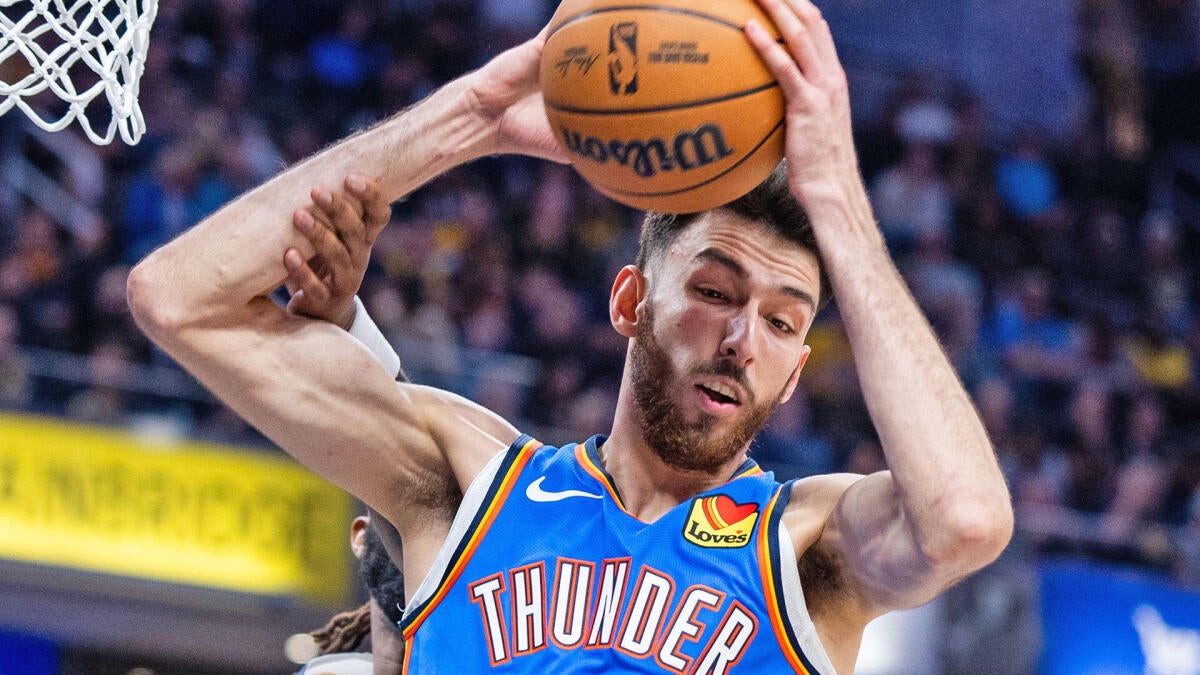
Lakers' Jake LaRavia Faces Scrutiny After Playoff Stumble
Concerns mount over the forward's effectiveness against the Oklahoma City Thunder's aggressive defense.
PHILIPPINES —
Key facts
- Jake LaRavia played 14 minutes in Game 1 against the Oklahoma City Thunder.
- LaRavia recorded three points, one rebound, one steal, and one block in Game 1.
- The Lakers lost Game 1 to the Thunder with a score of 108-90.
- In four regular season games against OKC, LaRavia averaged 6.8 points and 5.0 rebounds.
- During the regular season series, LaRavia shot 25.8 percent from the field against the Thunder.
- Jarred Vanderbilt suffered a dislocated right pinky finger in Game 1.
- The Lakers are set to face the Thunder again on Thursday night for Game 2.
Playoff Rotation Under Pressure After Game 1 Loss
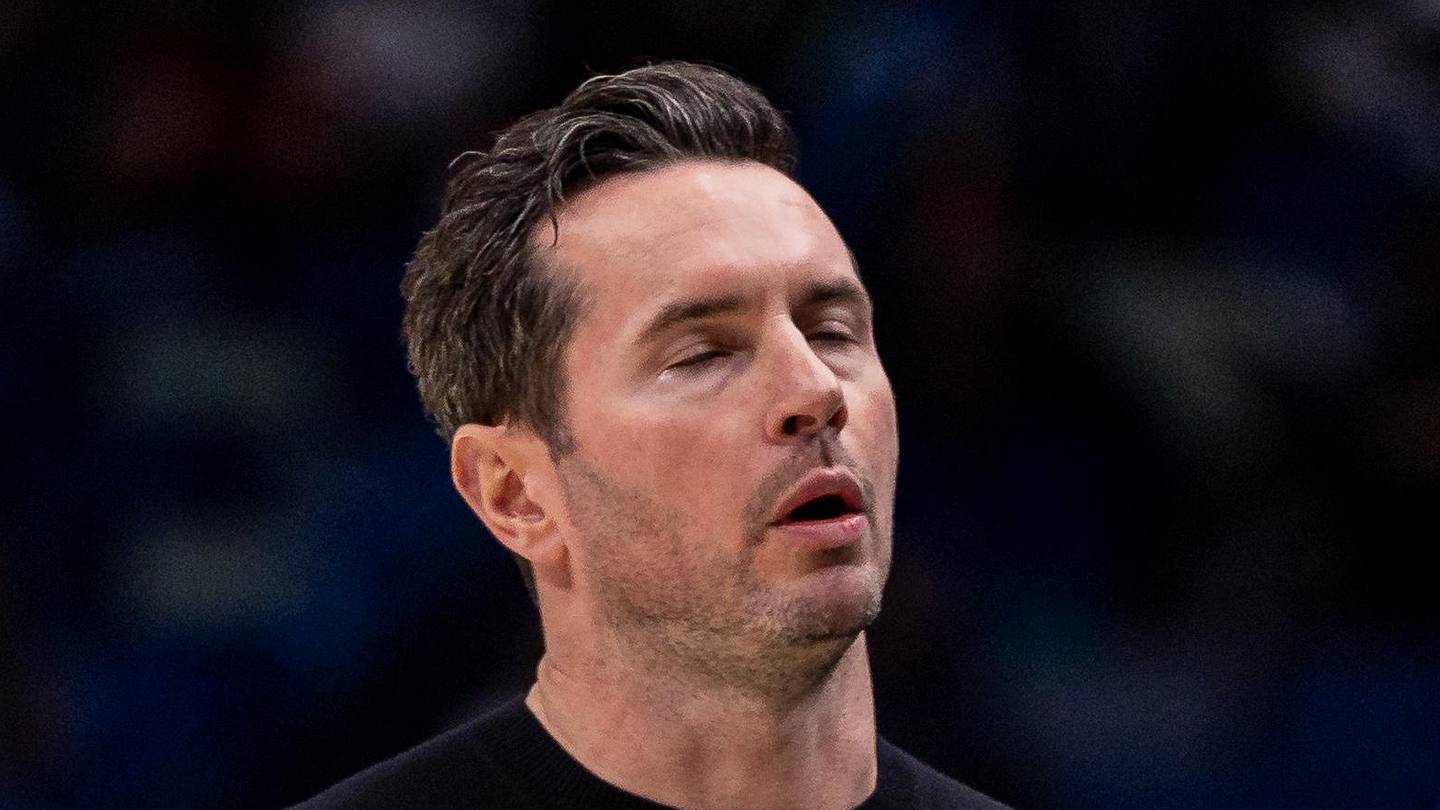
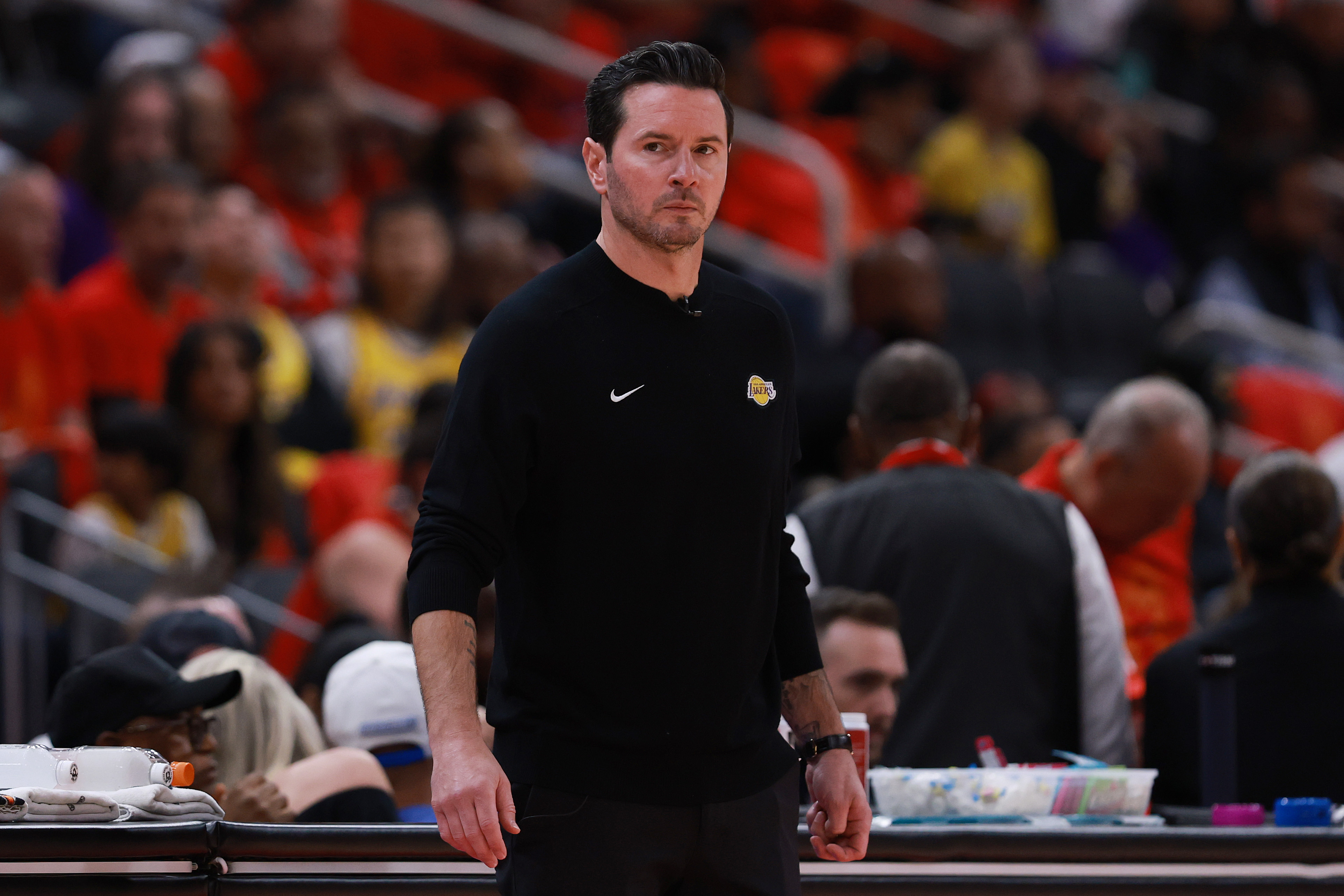
The Los Angeles Lakers find themselves in a precarious position following a decisive 108-90 defeat to the Oklahoma City Thunder in the opening game of their second-round playoff series. Amidst the team's struggles, forward Jake LaRavia has become a focal point of criticism, with suggestions emerging that his role in the playoff rotation should be significantly curtailed, if not eliminated entirely. The aggressive defensive pressure and fast-paced offense of the Thunder exposed vulnerabilities in the Lakers' lineup, particularly highlighting LaRavia's difficulties in handling the ball and making effective decisions under duress. The team's overall performance, marked by turnovers and inefficient shooting, has amplified the debate around player deployment as they prepare for Game 2. Coach JJ Redick faces immediate pressure to make adjustments. The Lakers cannot afford the kind of mistakes that plagued them in Game 1 if they hope to challenge the defending champions. The team's margin for error is exceptionally slim, making every personnel decision critical.
LaRavia's Struggles Against OKC's Defense
In his 14 minutes on the court during Game 1, LaRavia contributed three points, one rebound, one steal, and one block, alongside two turnovers. His sole made field goal, a three-pointer in the closing moments, did little to alter the game's outcome. This performance echoed a season-long trend observed in matchups against the Oklahoma City Thunder. During the four regular season meetings, the 6'7" forward averaged 6.8 points and 5.0 rebounds, numbers that mask a stark 25.8 percent shooting efficiency from the field and five turnovers per game. In those 98 minutes on the floor against OKC, the Thunder outscored Los Angeles by a significant 52 points. LaRavia's inability to consistently handle the ball under the Thunder's relentless pressure has led to ill-advised shots and costly turnovers. This plays directly into the hands of an Oklahoma City team that thrives on creating transition opportunities from opponent mistakes, a tactic that proved highly effective in the series opener.
The Case for Removing LaRavia from the Rotation
The argument for removing LaRavia from the rotation is rooted in the stark mismatch presented by the Thunder's style of play. His versatility, which made him an attractive signing, appears insufficient to overcome the defensive intensity of the reigning champions. "This is the worst possible matchup for the 6'7" forward," noted one analysis. "His versatility made him an outstanding signing, but he can’t handle the ball well enough to stave off the defending champion’s ball pressure. The Thunder have him throwing up wild shots or turning the ball over." This assessment suggests that LaRavia's presence on the court, particularly against Oklahoma City, creates more problems than it solves. The risk of turnovers and poor shot selection, coupled with the Thunder's ability to exploit these errors, makes his inclusion a tactical liability that coach Redick must address.
Broader Team Struggles and Injury Concerns
While LaRavia's performance has drawn scrutiny, the Lakers' Game 1 loss was a collective failure. Los Angeles shot a dismal 33 percent from three-point range and committed 17 turnovers, stark contrasts to Oklahoma City's 43 percent shooting and fewer miscues. The Lakers' bench production was particularly disappointing. Adding to the team's depth issues, veteran forward Jarred Vanderbilt suffered a game-ending injury during Game 1, diagnosed as a full dislocation of his right pinky finger. This setback further diminishes the Lakers' available personnel as they navigate a critical playoff series. Coach Redick acknowledged that the team made "gameplan mistakes" and that their "margin for error is not that high" against the world champions. The focus now shifts to how the Lakers will adapt their strategy and personnel for Game 2, which is scheduled for Thursday night.
Looking Ahead to Game 2
With the series shifting back to Oklahoma City, the Lakers face an urgent need to regroup and make significant adjustments. The team has a day to reflect and strategize before Game 2, a crucial opportunity to demonstrate resilience and tactical acumen. The potential removal of LaRavia from the rotation is the most immediate and discussed change. However, the Lakers also need contributions from other players, such as Luke Kennard and Jaxson Hayes, to step up and fill the void left by injuries and underperformance. Ultimately, the Lakers' success in this series hinges on their ability to execute with precision, minimize errors, and adapt to the Thunder's formidable strengths. The coming games will test the team's depth, coaching, and mental fortitude under the intense spotlight of the NBA playoffs.
The bottom line
- Jake LaRavia's performance in Game 1 against the Oklahoma City Thunder has led to calls for his removal from the Los Angeles Lakers' playoff rotation.
- LaRavia struggled with turnovers and inefficient shooting against the Thunder's aggressive defense, mirroring regular season difficulties.
- The Lakers lost Game 1 by 18 points, with significant contributions from turnovers and poor bench play.
- The team is also dealing with the injury of Jarred Vanderbilt, who suffered a dislocated finger in Game 1.
- Coach JJ Redick faces pressure to make tactical adjustments and potentially alter player rotations for Game 2.
- The Lakers' ability to execute and minimize mistakes will be crucial if they are to compete against the defending champions.

No Earthquakes Recorded Near Montreal in Past 24 Hours as Seismic Activity Remains Low
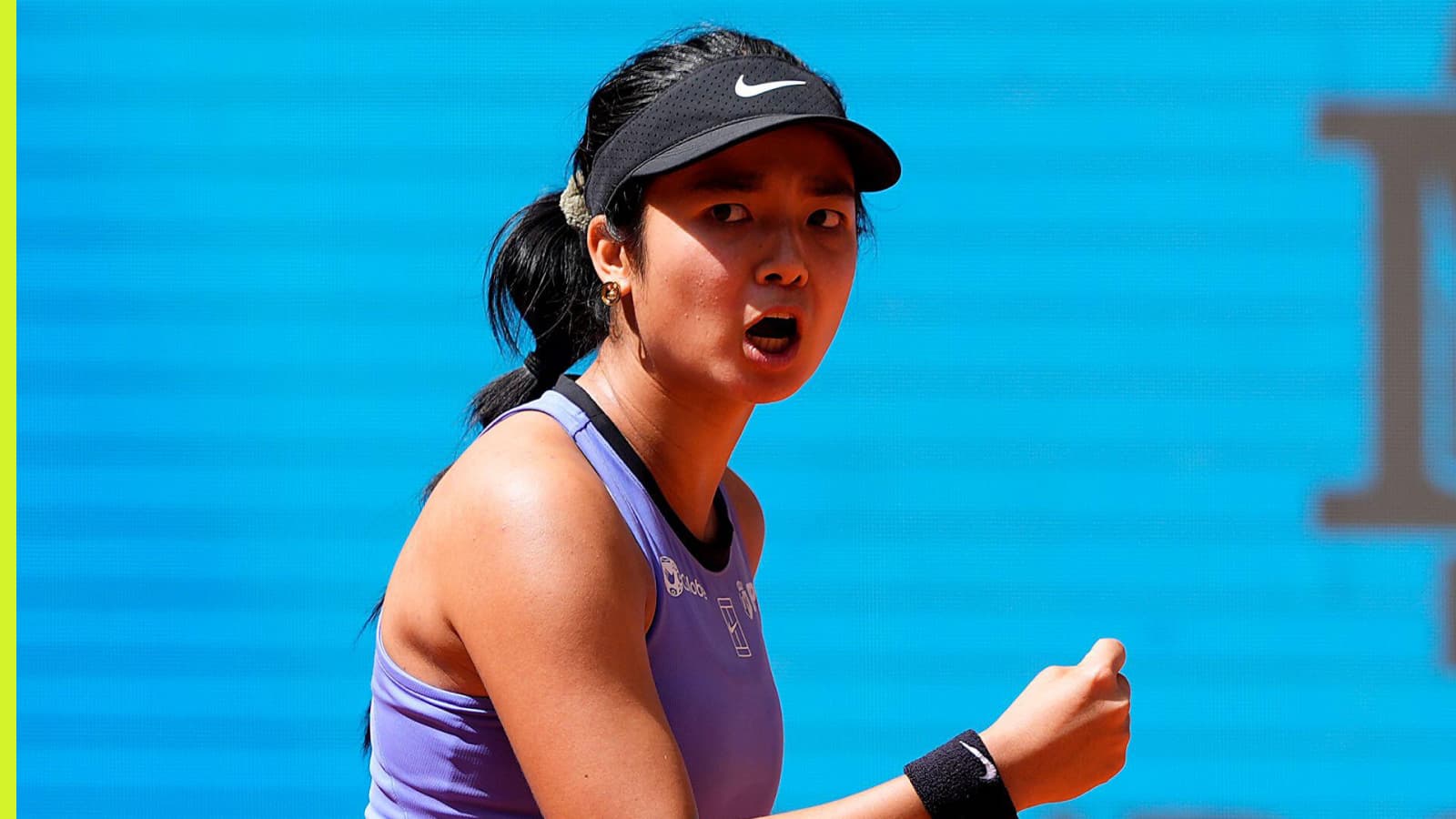
Alex Eala Advances in Italian Open After Upset of Wang Xinyu
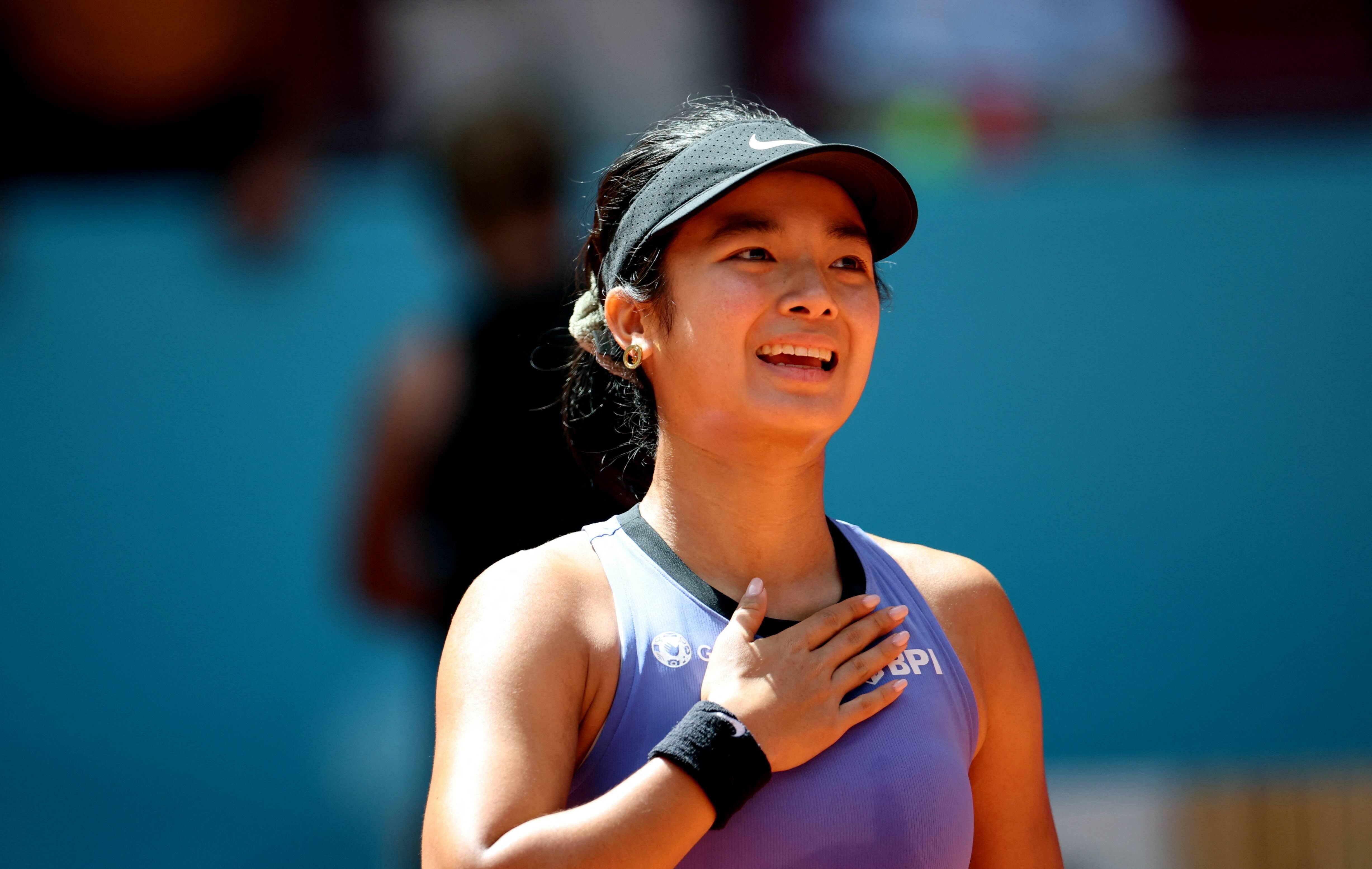
Wang Xinyu's Berlin Run Reshapes Tennis Outlook