Ostapenko's Rome Stumble: On-Court Actions and Off-Court Rhetoric Fuel Debate
The Latvian player's performance and public statements in Rome have ignited discussions among fans and observers.
PHILIPPINES —
Key facts
- Jelena Ostapenko is competing in the WTA Rome Open.
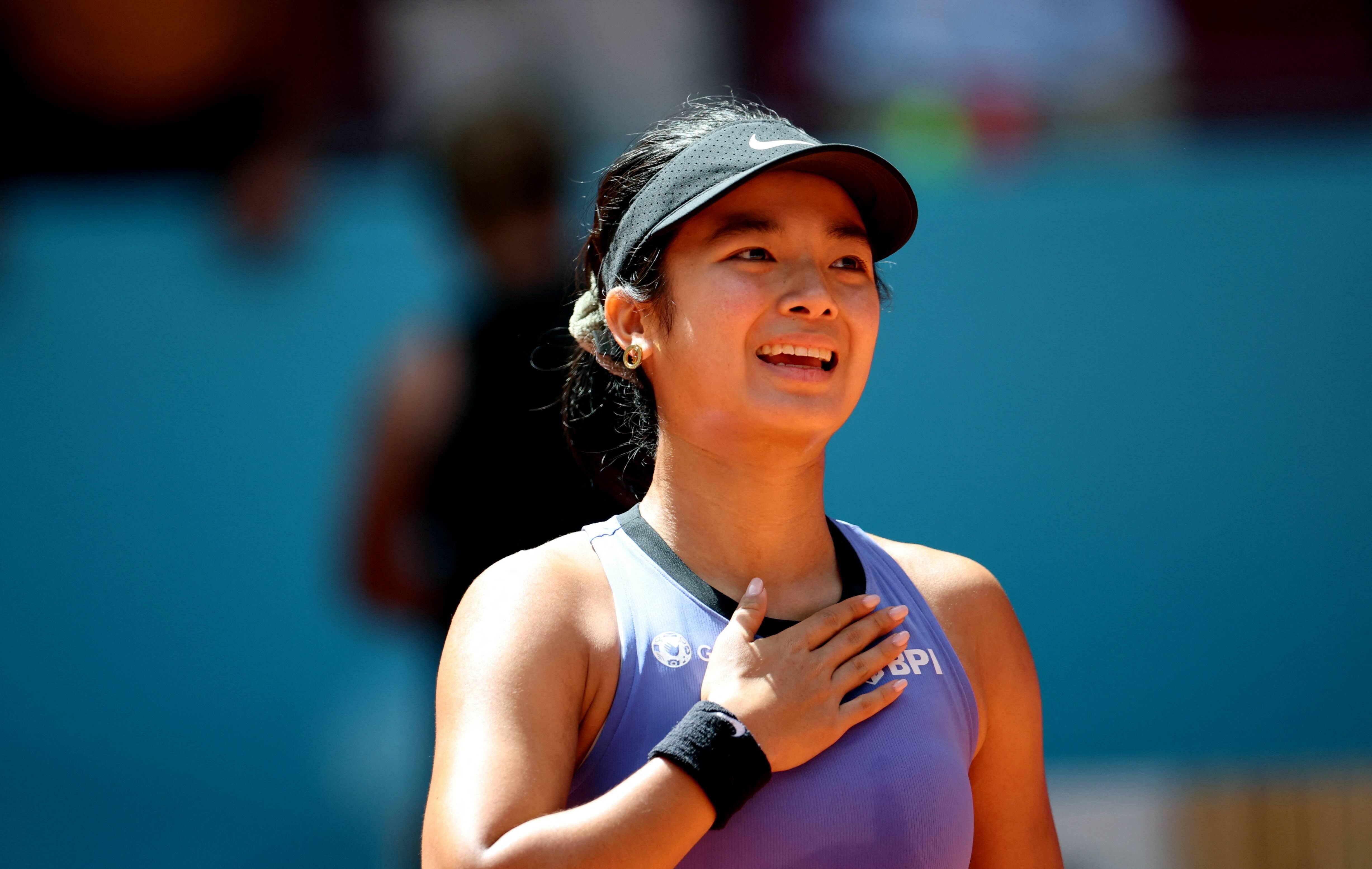
- First-round action includes players like Alexandra Eala and Maria Sakkari.
- Online commentary criticizes current WTA player performance and conduct.
- Concerns are raised about chair umpire control over players.
- There is commentary suggesting players are not adequately disciplined.
- A specific criticism targets Ostapenko's stance on competing against Russian opponents.
- The use of hi-tech line calls on clay courts is noted as problematic.
Ostapenko Faces Scrutiny Amidst Rome Open Play
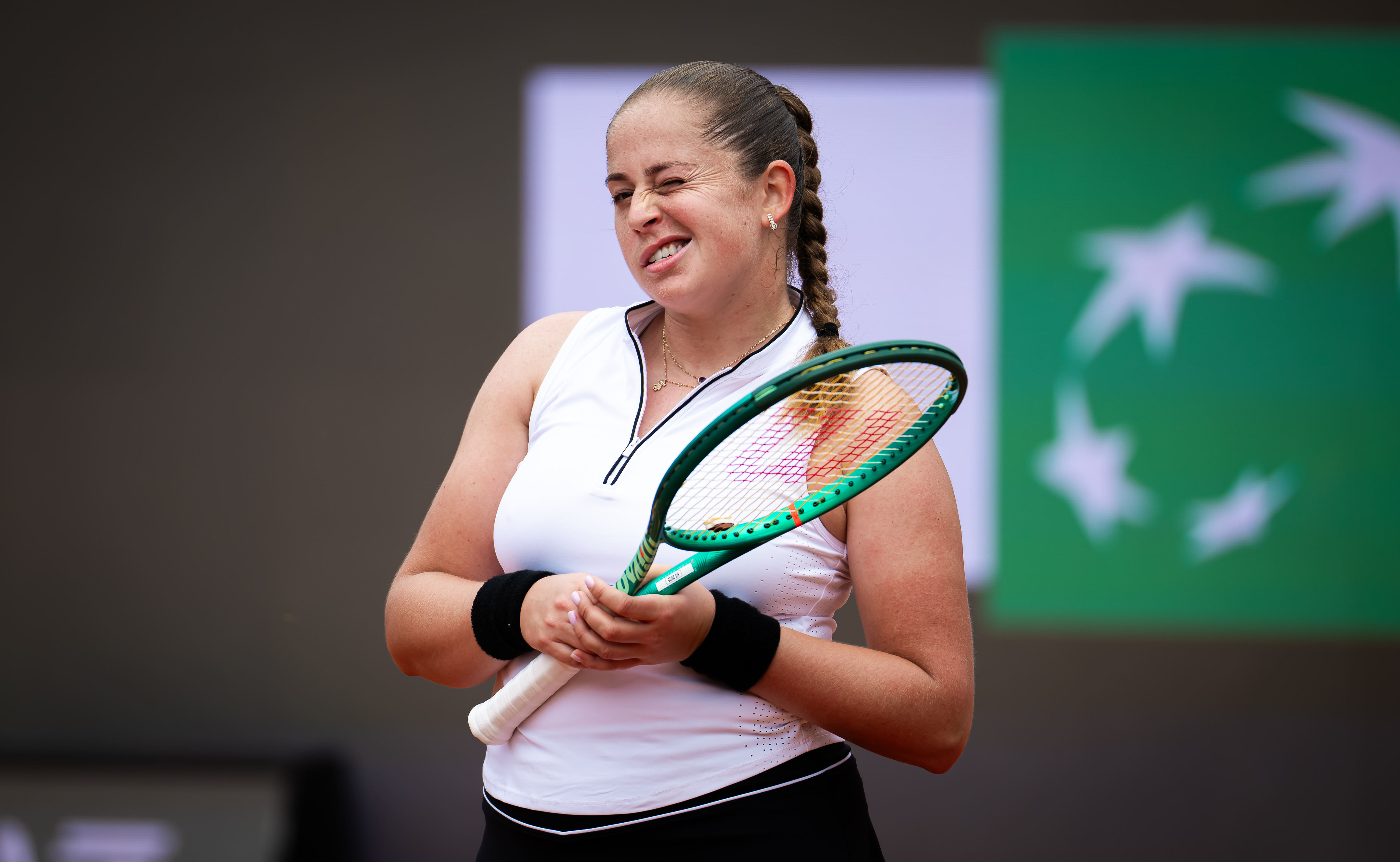
Jelena Ostapenko's presence at the WTA Rome Open has become a focal point, drawing attention not only for her on-court performance but also for the accompanying discourse surrounding her actions and statements. The tournament, which features a lineup of notable players including Alexandra Eala and Maria Sakkari, is currently navigating its initial rounds. However, the conversation around Ostapenko has extended beyond typical match analysis, touching upon broader issues within women's tennis. The Latvian player's participation has coincided with a wave of critical commentary from observers, many of whom express dissatisfaction with the general standard of play in the WTA. These critiques often point to a perceived increase in unforced errors and a lack of consistent performance from many players on the tour. Furthermore, the conduct of players on court has come under fire, with calls for stricter control from chair umpires. The sentiment is that a sense of entitlement among some athletes is undermining the authority of officials and the integrity of the game.
Criticism Mounts Over Player Conduct and Discipline
A significant undercurrent of online commentary suggests that the current crop of tennis players, particularly within the WTA, may not warrant the level of financial support they receive. This view is bolstered by observations of frequent errors, with balls landing out of bounds or into the net becoming a common sight. The issue of player discipline is frequently raised, with a strong sentiment that chair umpires need to reassert their authority. The current atmosphere, according to some, allows for behavior that is seen as overly entitled and disrespectful. Beyond on-court demeanor, there are also pointed remarks about the perceived lack of accountability for player actions. The commentary suggests a pattern where players are not adequately held responsible for their conduct, leading to a decline in the overall respect for the sport's established norms.
Ostapenko's Stance on Russian Opponents Draws Ire
Specific criticism has been directed at Jelena Ostapenko regarding her public pronouncements and actions concerning Russian opponents. Observers argue that her stance, which includes a refusal to shake hands, is misplaced and does not contribute to resolving the geopolitical conflicts that fuel such sentiments. Commentators contend that directing animosity towards Russian players, who are not directly involved in initiating military actions, is unproductive. The bitterness and unforgiveness fostered by such attitudes are seen as detrimental to the athletes themselves and the sport. There is a prevailing view that Ostapenko's actions are performative, with little genuine impact on global affairs. Her public statements are characterized as an attempt to influence world events from a position of privilege, overlooking the complex realities faced by those directly affected by conflict.
Technological Challenges in Modern Tennis
The integration of technology into tennis officiating, particularly on clay courts, has also become a point of contention. Tennis authorities are acknowledged to have a significant challenge with the accuracy and implementation of hi-tech line calls on this surface. Despite these acknowledged issues, the sport's governing bodies have opted for a policy that prohibits players from arguing calls, regardless of the evidence. This rule, intended to streamline matches, has instead led to frustration among players and spectators alike. This situation is compounded by other behavioral issues, such as players audibly yelling over their opponents during play. Incidents of such disruptive behavior have been noted in previous seasons, prompting requests for players to cease such actions, yet the problem persists.
Broader Implications for Player Relations and Sport Integrity
The ongoing debates surrounding Ostapenko's conduct and the general state of player behavior in women's tennis highlight a growing schism. The friction between players, the perceived lack of umpire control, and the contentious use of technology are creating an environment of unease. These issues collectively raise questions about the future trajectory of professional tennis. The emphasis on individual player narratives, sometimes overshadowing the sport itself, risks alienating a segment of the audience. Ultimately, the current climate demands a careful re-evaluation of how player conduct is managed and how technological advancements are integrated. A failure to address these concerns could have lasting repercussions on the integrity and appeal of women's tennis globally.
The bottom line
- Jelena Ostapenko's participation in the WTA Rome Open has sparked debate beyond her match results.
- Online commentary reflects widespread dissatisfaction with the current performance level and player conduct in women's tennis.
- Critics argue for stronger umpire authority and player discipline.
- Ostapenko's public stance on competing against Russian players has drawn significant criticism for being unproductive and misplaced.
- The effectiveness and implementation of hi-tech line calls on clay courts remain a contentious issue.
- Concerns exist about the overall integrity and future direction of women's professional tennis due to these ongoing issues.


No Earthquakes Recorded Near Montreal in Past 24 Hours as Seismic Activity Remains Low
Wang Xinyu's Berlin Run Reshapes Tennis Outlook

Alex Eala Advances at Italian Open Amidst Personal Best Season