Magnitude 6 Earthquake Strikes Eastern Samar, Felt Across Visayas
Tremors registered up to Intensity 2 in Cebu, prompting temporary suspension of provincial board sessions.
PHILIPPINES —
Key facts
- A magnitude 6 earthquake occurred on Monday afternoon, May 4, 2026.
- The epicenter was located northwest of San Julian, Eastern Samar.
- The earthquake's shallow depth was 10 kilometers.
- Intensity 2 tremors were felt in San Francisco, Cebu.
- Intensity 1 tremors were recorded in Cebu City, Carcar, and Liloan.
- The provincial board session in Cebu was temporarily suspended.
- The earthquake was felt in numerous other locations across the Philippines.
Eastern Samar Jolted by Strong Quake
A powerful magnitude 6 earthquake shook Eastern Samar on Monday afternoon, May 4, 2026, with its tremors reaching as far as Cebu and other parts of the Visayas. The seismic event, which occurred at 2:09 PM, originated from a shallow depth of 10 kilometers. The epicenter was pinpointed nine kilometers northwest of San Julian, Eastern Samar. This significant seismic activity caused noticeable shaking across various provinces, highlighting the archipelago's vulnerability to geological disturbances. The earthquake's impact was felt with varying intensities, with the strongest aftershocks recorded in the immediate vicinity of the epicenter and surrounding Leyte and Samar provinces.
Cebu Experiences Noticeable Tremors
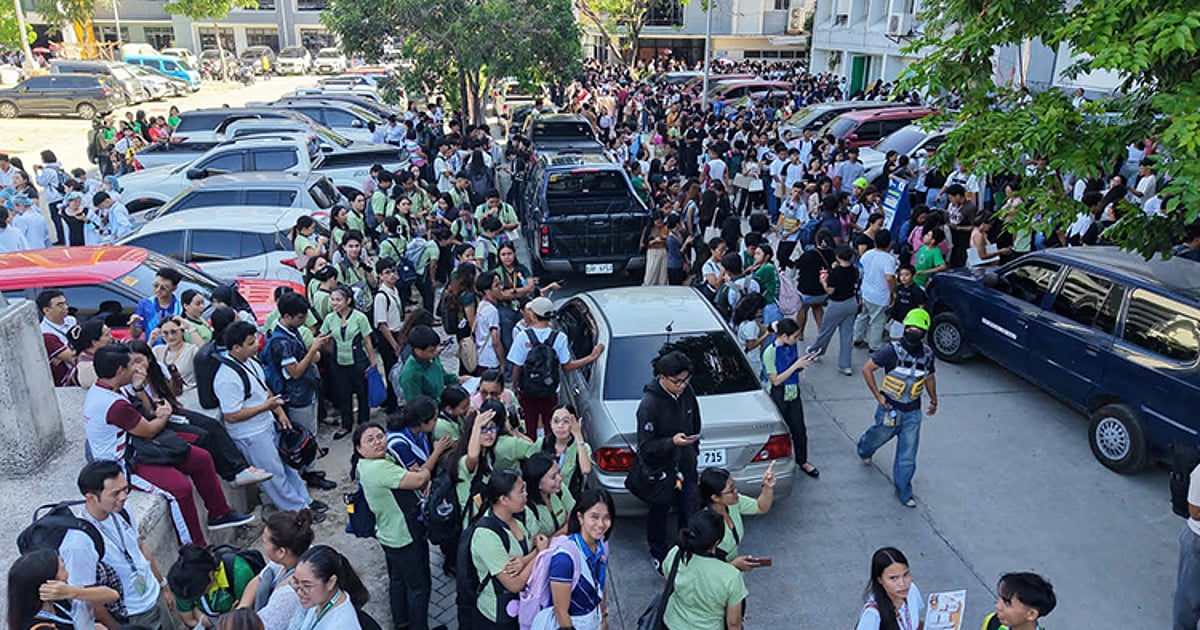
In Cebu, several areas experienced the earthquake's effects, registering at Intensity 2 in San Francisco. The provincial capital, Cebu City, along with Carcar and Liloan, recorded tremors at Intensity 1. These readings indicate that while the shaking was perceptible, it did not reach levels that would typically cause widespread damage in these locations. Nevertheless, the experience was enough to prompt immediate reactions from those present. The tremors served as a stark reminder of the region's seismic activity, prompting a swift response from local authorities and the public.
Provincial Session Halted Amidst Shaking
The provincial board session in Cebu was temporarily suspended as the earthquake struck. Officials and attendees in the Capitol building quickly evacuated the session hall. This immediate evacuation underscores the ingrained safety protocols in place for such events. The swift action ensured the safety of those within the provincial government's premises. The disruption, though brief, highlights how seismic events can interrupt even critical governmental functions, necessitating a pause for safety assessments.
Widespread Intensity Readings Across the Archipelago
Beyond Cebu, the Philippine Institute of Volcanology and Seismology (Phivolcs) reported a broad spectrum of intensity readings across the nation. Eastern Samar and Leyte bore the brunt, with Intensity 5 felt in Can-Avid, Dulag, and Alangalang. Leyte experienced Intensity 4 in Abuyog, Palo, and Carigara. Further afield, Intensity 3 tremors were noted in multiple locations, including Naval in Biliran; Hernani in Eastern Samar; Ormoc City, Hilongos, Albuera, Baybay, Villaba, and Isabel in Leyte; Sorsogon City, Bulusan, and Sorsogon; and Malitbog, San Francisco, Hinundayan, and Sogod in Southern Leyte. Even areas as distant as Sorsogon, Masbate, Albay, and Davao Occidental registered the earthquake at lower intensities, demonstrating the significant reach of the magnitude 6 event.
Geological Context of the Philippine Ring of Fire
The Philippines lies within the Pacific Ring of Fire, a horseshoe-shaped zone of intense seismic and volcanic activity. This geological setting means earthquakes are a frequent occurrence in the region. Phivolcs continuously monitors seismic activity, providing crucial data and warnings to the public. The shallow depth of this particular earthquake contributed to its widespread detectability, despite its epicenter being in a less populated area. Understanding the tectonic plates' interactions is key to comprehending the frequency and intensity of seismic events that shape the Philippine archipelago.
Ongoing Monitoring and Public Preparedness
Following the tremor, Phivolcs continues to monitor for any aftershocks and assess the geological impact. in the areas where tremors were felt, authorities emphasize the importance of preparedness. Residents are urged to remain vigilant and follow safety guidelines during and after seismic events. This includes knowing safe places to take cover and evacuation routes. The incident serves as a timely reminder for continuous reinforcement of disaster preparedness measures across the country.
The bottom line
- A magnitude 6 earthquake struck Eastern Samar on May 4, 2026, with its effects felt across multiple Philippine provinces.
- The earthquake's shallow depth of 10 kilometers contributed to its widespread detectability.
- Cebu experienced tremors up to Intensity 2, leading to a temporary suspension of the provincial board session.
- Phivolcs recorded a range of intensity readings from 1 to 5 in various locations, highlighting the quake's reach.
- The Philippines' location on the Pacific Ring of Fire makes it prone to frequent seismic activity.
- Authorities stress the importance of ongoing monitoring and public preparedness for earthquakes.

No Earthquakes Recorded Near Montreal in Past 24 Hours as Seismic Activity Remains Low

Wang Xinyu's Berlin Run Reshapes Tennis Outlook

Mother's Day 2026: Retailers Unveil Deals Amid Gift Fatigue
