Alaskan Megatsunami Height Rivals Record, Scientists Warn of Climate Link
A colossal wave, nearly 500 meters high, crashed through a remote Alaskan fjord, highlighting the growing threat from melting glaciers.
PHILIPPINES —
Key facts
- A wave nearly 500 meters tall was generated by a massive landslide in Alaska.
- 64 million cubic meters of rock fell into Tracy Arm Fjord.
- The event occurred in the early hours of the morning, avoiding cruise ship passengers.
- Geologist Dr. Bretwood Higman described the event as a "close call."
- Alaska's geography makes it particularly susceptible to megatsunamis.
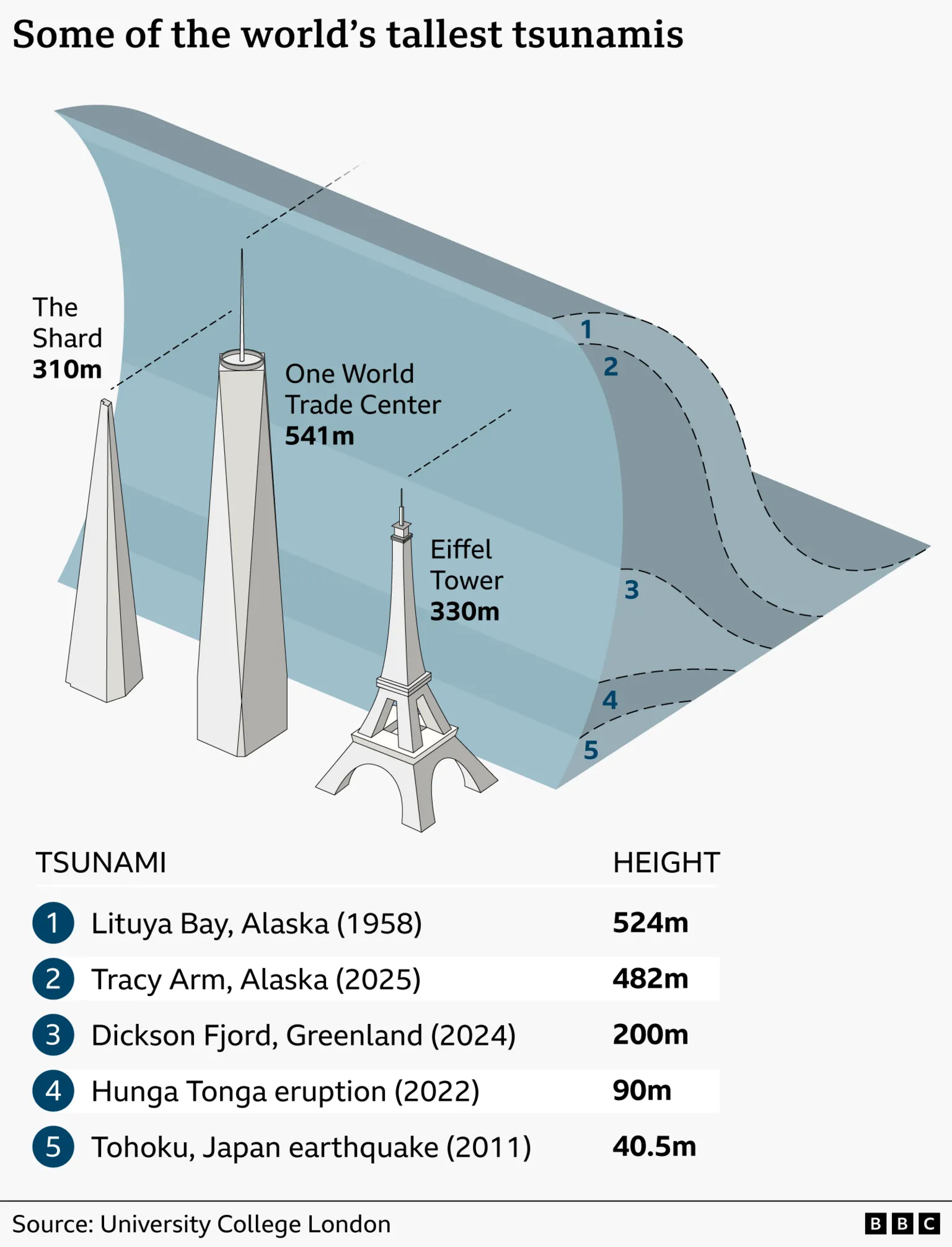
- The tallest recorded megatsunami occurred in the 1950s, exceeding 500 meters.
A Colossal Wave Roars Through Alaskan Fjord
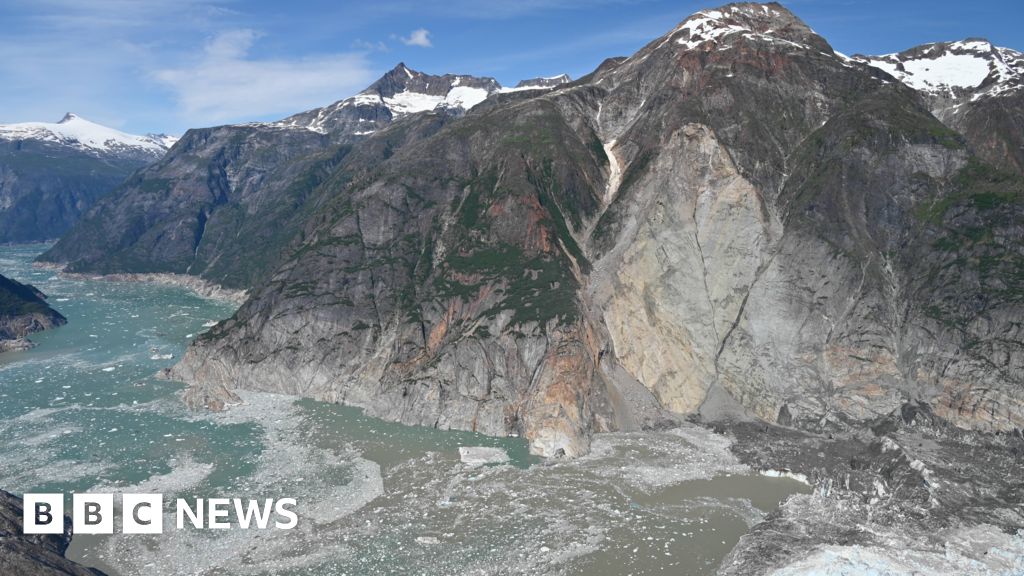
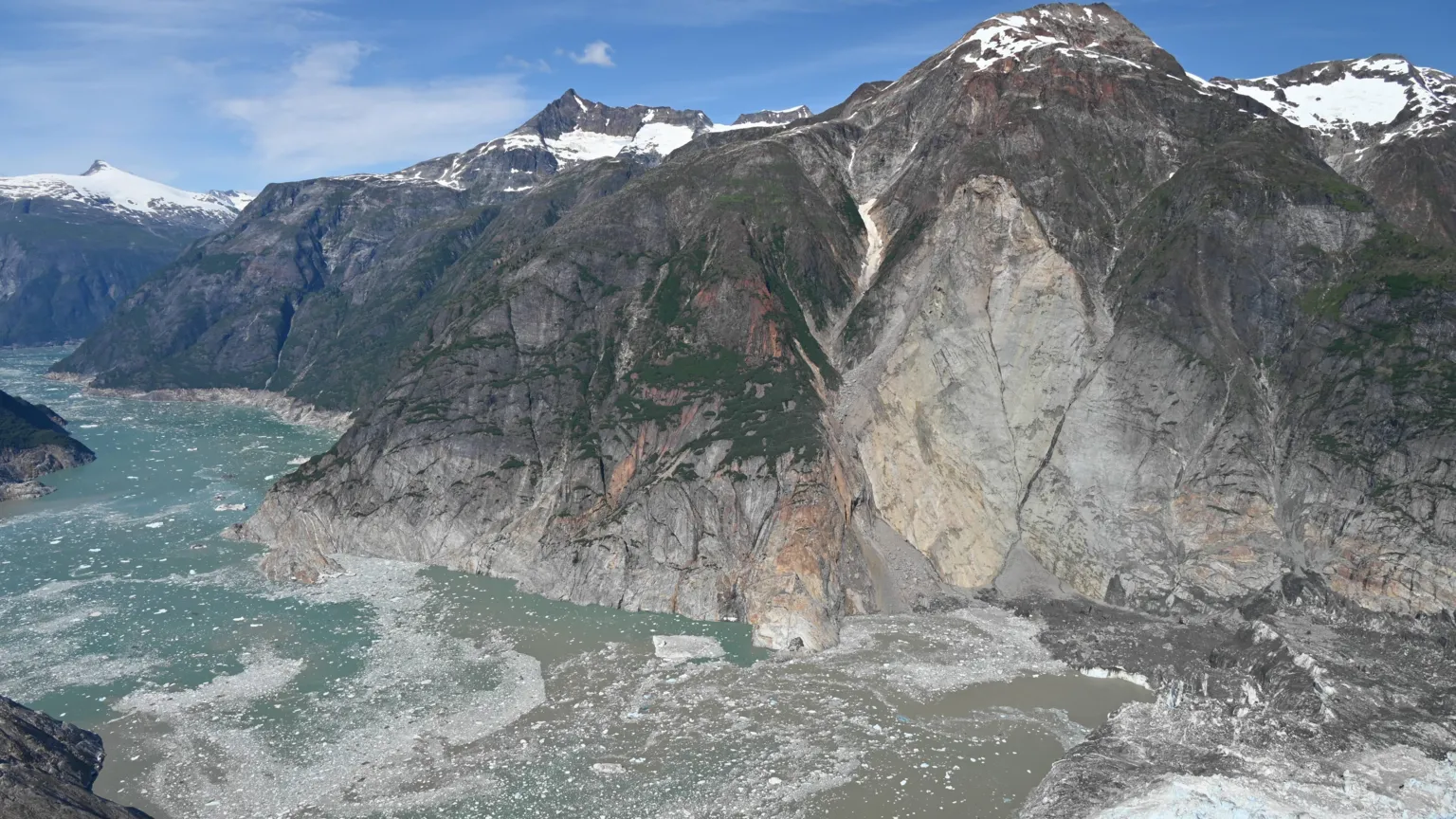
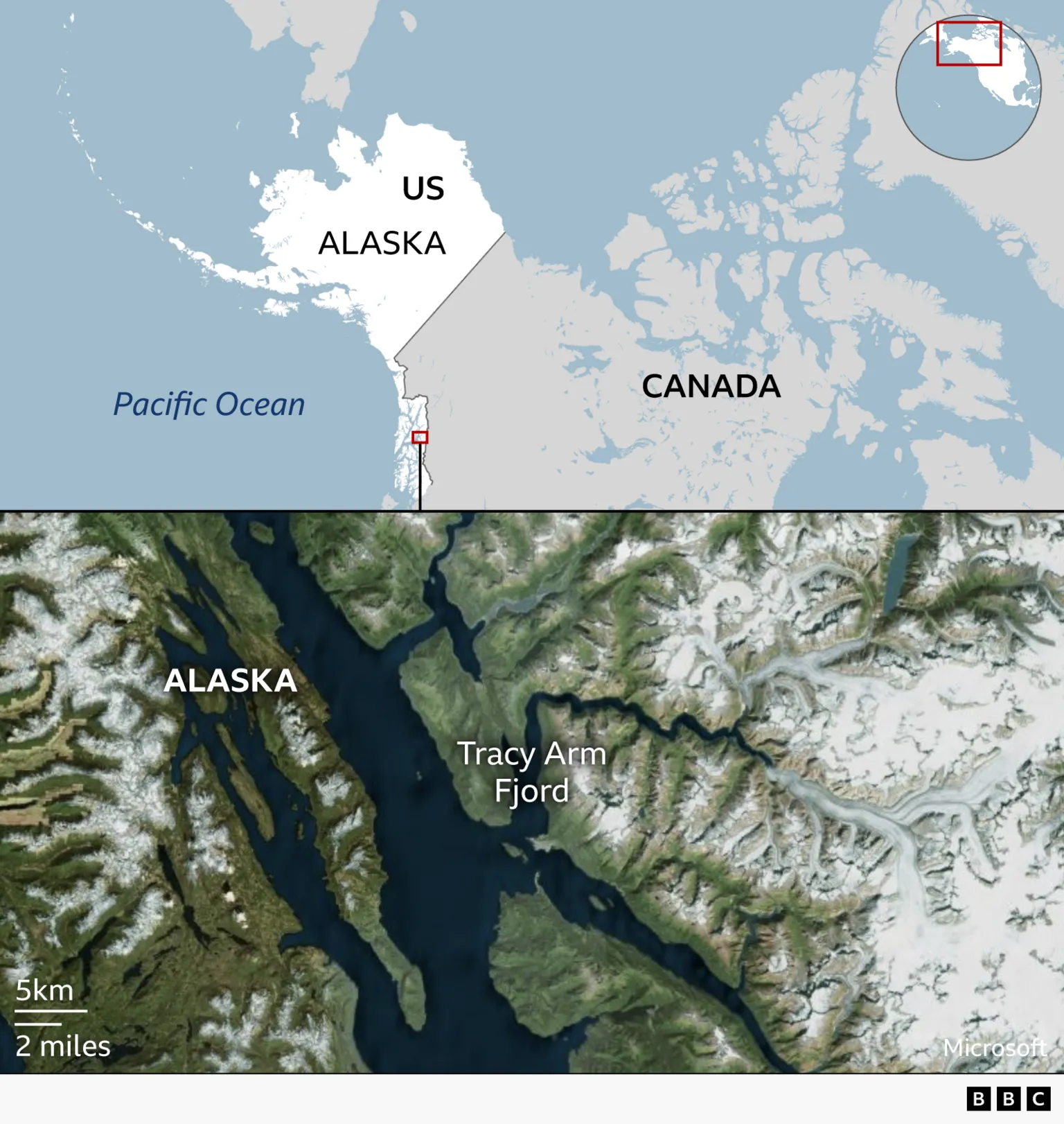
A catastrophic wave, nearly 500 meters in height, surged through a remote Alaskan fjord last summer, leaving a trail of destruction. This immense wave, the second tallest ever recorded, was triggered by a colossal landslide in Tracy Arm Fjord, a popular destination for cruise ships. The sheer scale of the event, which went largely unreported at the time, is now being analyzed by scientists who warn of escalating risks. The landslide involved an astonishing 64 million cubic meters of rock, equivalent to the volume of 24 Great Pyramids, that plunged into the water in less than a minute. The force of this immense rockfall generated a gigantic wave, underscoring the potent geological forces at play in Alaska's dramatic landscapes. Researchers noted that the timing of the event, occurring in the early hours of the morning, was fortunate. This prevented tourist cruise ships from being caught in the path of the devastating wave, a near miss that underscores the unpredictable nature of such natural phenomena.
Geologist Recounts Scene of Devastation
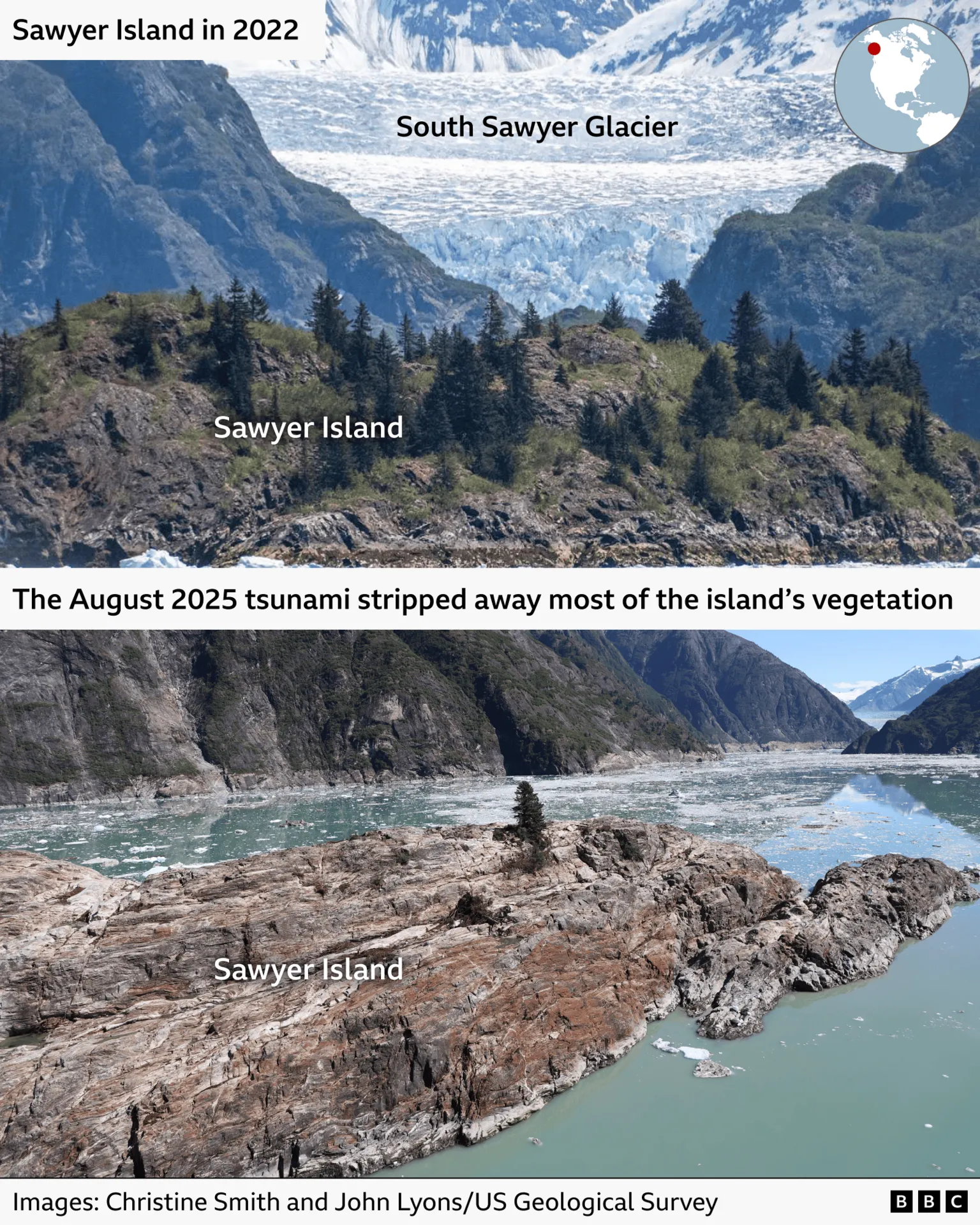
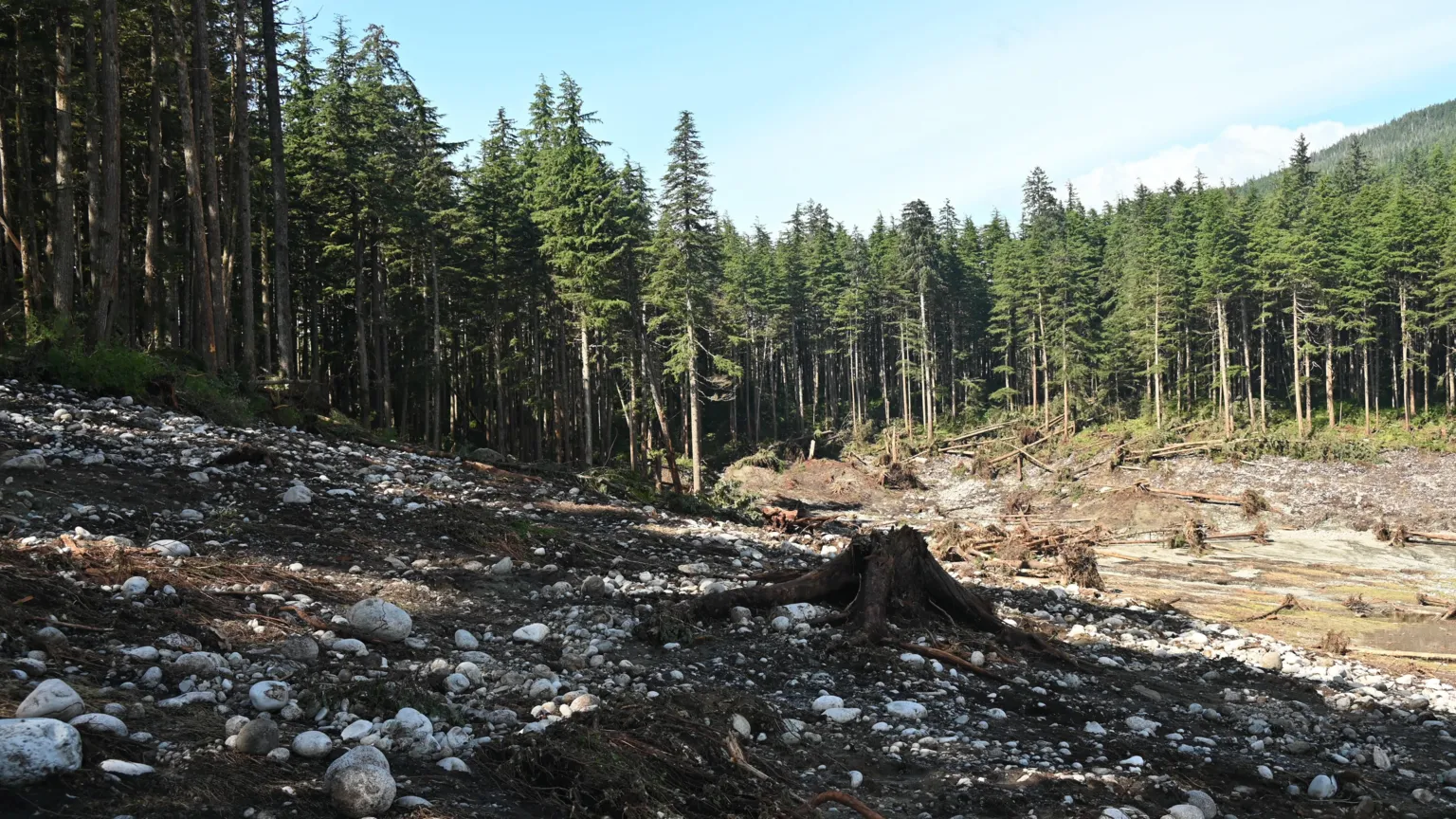
Dr. Bretwood Higman, an Alaskan geologist, personally witnessed the aftermath of the megatsunami at Tracy Arm Fjord. He described the scene as evidence of a "close call," with debris strewn across the landscape. Upon arriving weeks after the event, Dr. Higman observed extensive damage: broken trees littered the mountainside and were hurled into the water, while vast areas of scarred rock were stripped bare of soil and vegetation. This visual evidence provided a stark testament to the wave's destructive power. "We know that there were people that were very nearly in the wrong place," Dr. Higman stated, expressing deep concern for future events. "I'm quite terrified that we're not going to be so lucky in the future."
Understanding Megatsunamis and Their Triggers
Scientists categorize these colossal waves as 'megatsunamis,' distinguishing them from tsunamis typically generated by earthquakes in the open ocean. Megatsunamis are caused by massive landslides, either triggered by seismic activity or the instability of loose rock, that impact a body of water. In contrast, conventional tsunamis, like the one that struck Japan in 2011, originate from underwater earthquakes or volcanic eruptions and can travel thousands of miles across oceans, posing a threat to distant populated areas. The scale of the Alaskan event, however, points to a different, albeit equally dangerous, mechanism. The largest previously recorded megatsunami occurred in the 1950s, with a wave height exceeding 500 meters, placing the recent Alaskan event as a close second in recorded history.
Alaska's Vulnerability to Extreme Waves
Alaska's unique geological and geographical characteristics render it particularly susceptible to the formation of megatsunamis. The state's landscape is defined by steep mountains that rise dramatically from the sea, interspersed with narrow, deep fjords. These fjords act as natural funnels, capable of amplifying the destructive power of waves generated by landslides. Furthermore, Alaska is situated in a seismically active region, increasing the likelihood of earthquakes that could destabilize mountainsides. Combined, these factors create a precarious environment where the risk of massive rockfalls into the water and the subsequent generation of enormous waves is significantly elevated.
Climate Change and the Growing Threat
New research suggests that the increasing rate of glacier melt, driven by climate change, is exacerbating the risk of these giant waves. As glaciers recede, they can destabilize the surrounding rock formations, making landslides more probable. The thawing of permafrost and the loss of ice that once buttressed mountain slopes can lead to increased rockfall activity. This phenomenon adds another layer of concern to Alaska's already high susceptibility to megatsunami events. Scientists are increasingly linking environmental changes to the heightened frequency and intensity of natural disasters, with the Alaskan megatsunami serving as a potent, albeit localized, example of this trend.
The bottom line
- A megatsunami nearly 500 meters high struck Alaska's Tracy Arm Fjord, caused by a 64 million cubic meter rockslide.
- The event is the second tallest wave ever recorded, highlighting the destructive potential of landslides into water.
- Geologists warn that Alaska's steep fjords and frequent earthquakes make it a hotspot for such phenomena.
- Climate change and melting glaciers are identified as factors increasing the risk of landslides that can trigger megatsunamis.
- The near miss with cruise ships underscores the potential for catastrophic loss of life in future, less fortunately timed events.

Anthony Edwards cleared for Game 1 against Spurs after nine-day recovery from knee injury

Magnitude 6 Earthquake Rattles Eastern Samar, Causing Minor Damage and Injuries

NLEX faces four-way tie scenario that could cost No. 1 seed against Titan Ultra
