Alaskan Megatsunami Heightens Climate Change Fears
A colossal wave in Tracy Arm Fjord, triggered by a landslide exacerbated by glacier melt, serves as a stark warning.
PHILIPPINES —
Key facts
- A 481-meter tsunami occurred in Alaska's Tracy Arm Fjord on August 10, 2025.
- The wave was caused by a 64 million cubic meter rockslide into the fjord.
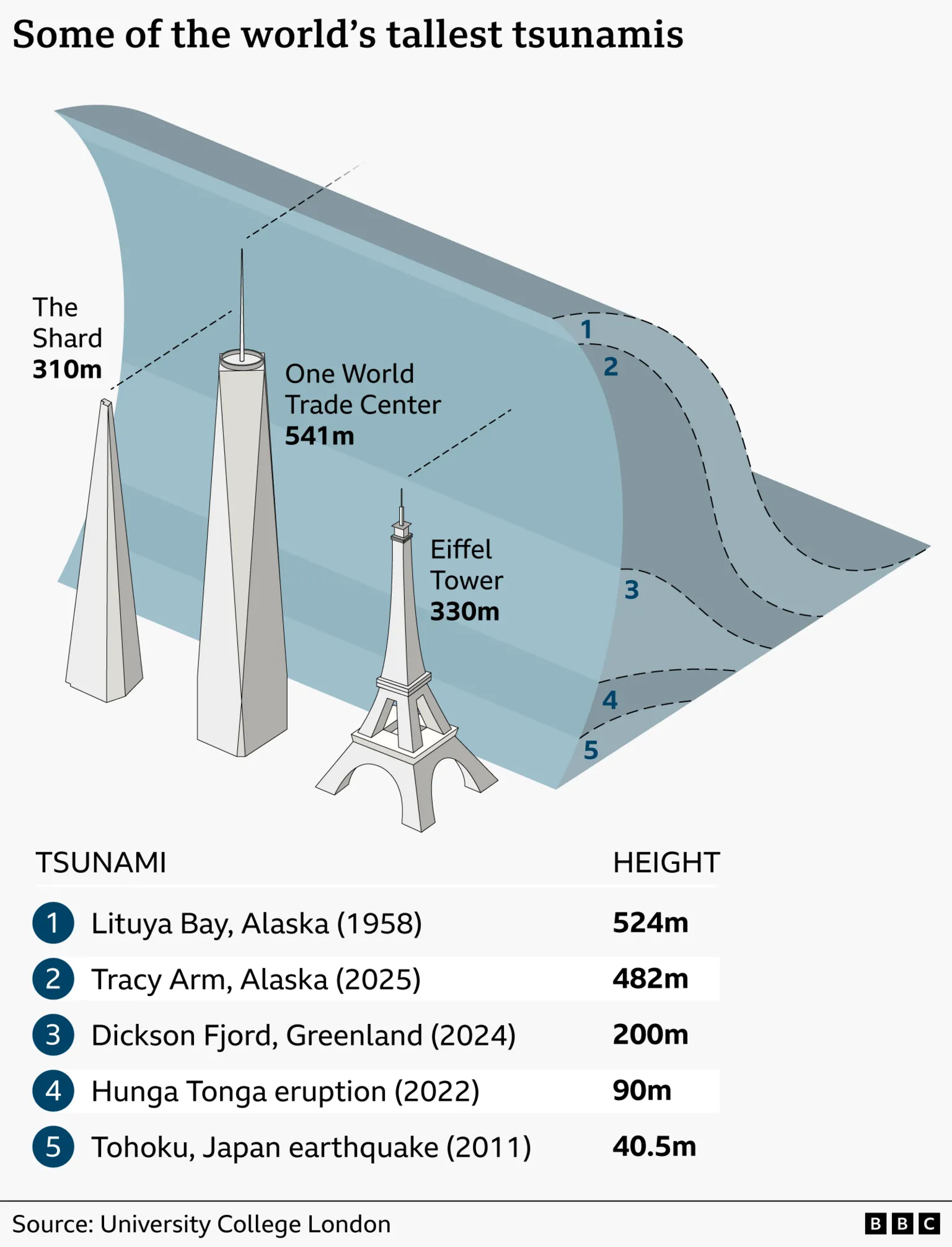
- This event was the second-largest tsunami ever recorded and the largest not caused by an earthquake.
- Scientists link the landslide to the rapid retreat of South Sawyer Glacier.
- Glacier retreat is attributed to global climate change.
- The tsunami's height exceeded that of the world's 14 tallest buildings.
- The event occurred in the early morning, narrowly avoiding cruise ship passengers.
A Colossal Wave Emerges from a Remote Fjord
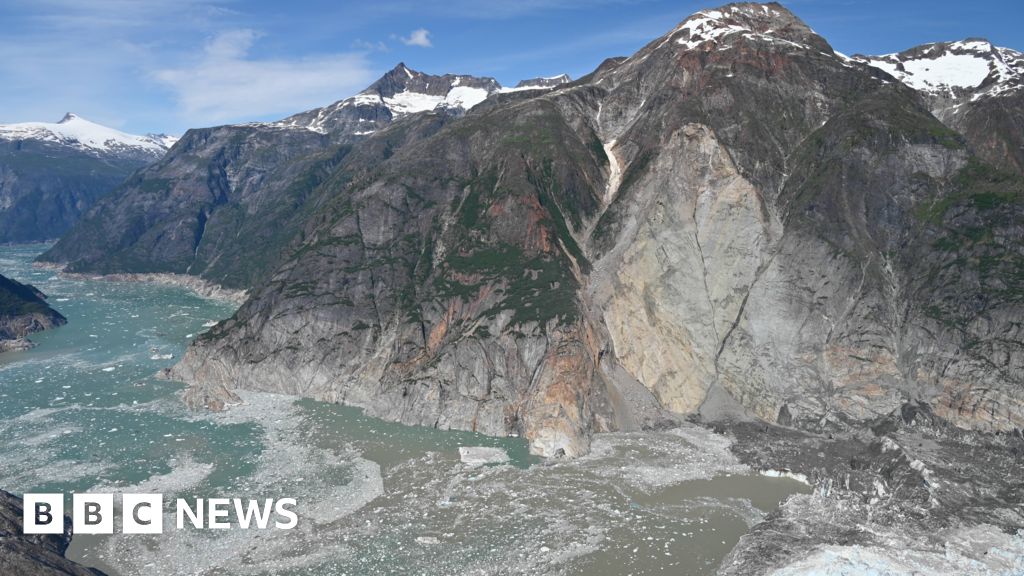
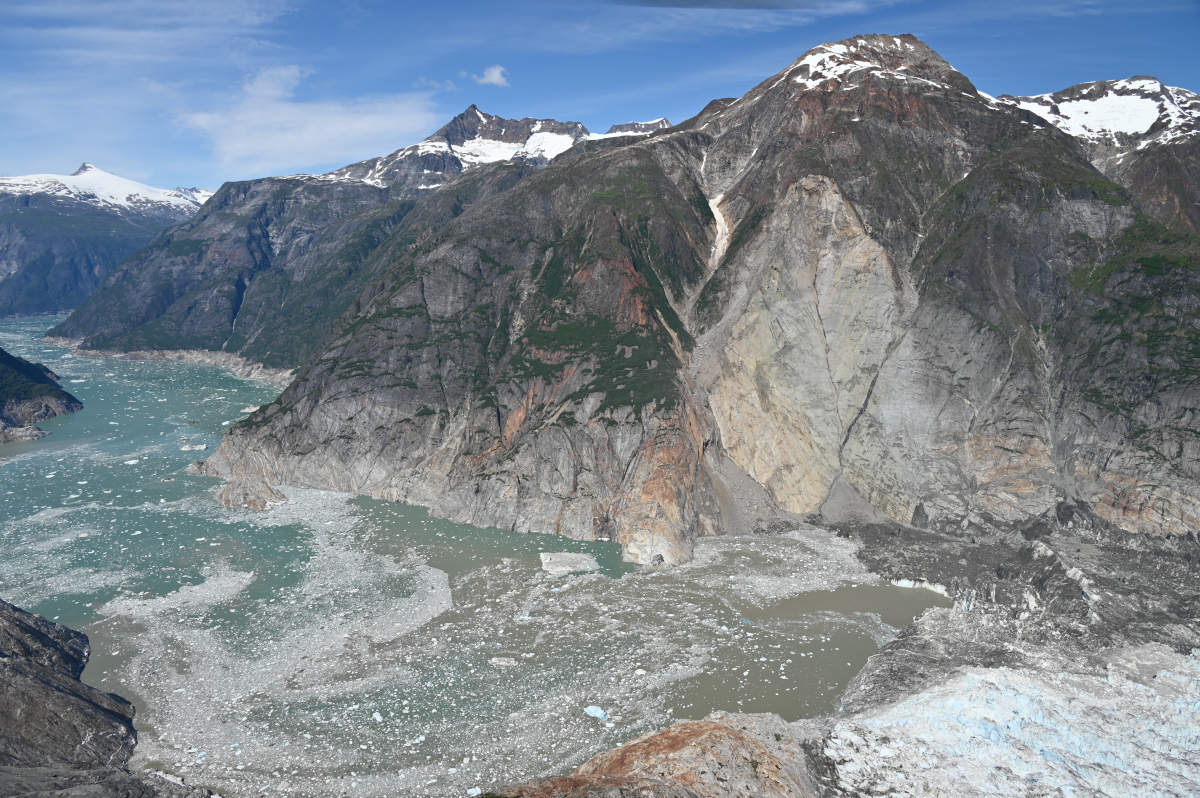
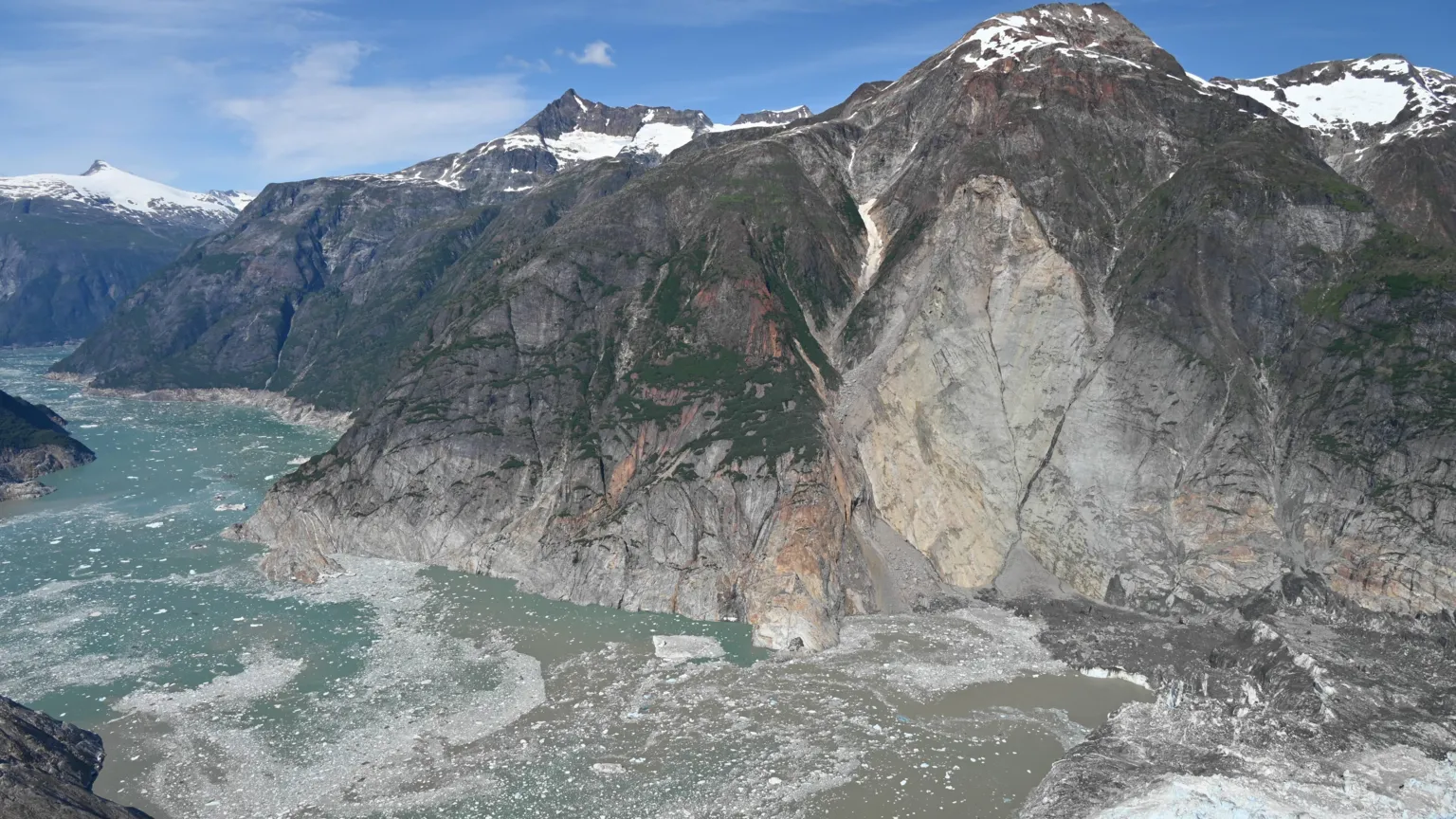
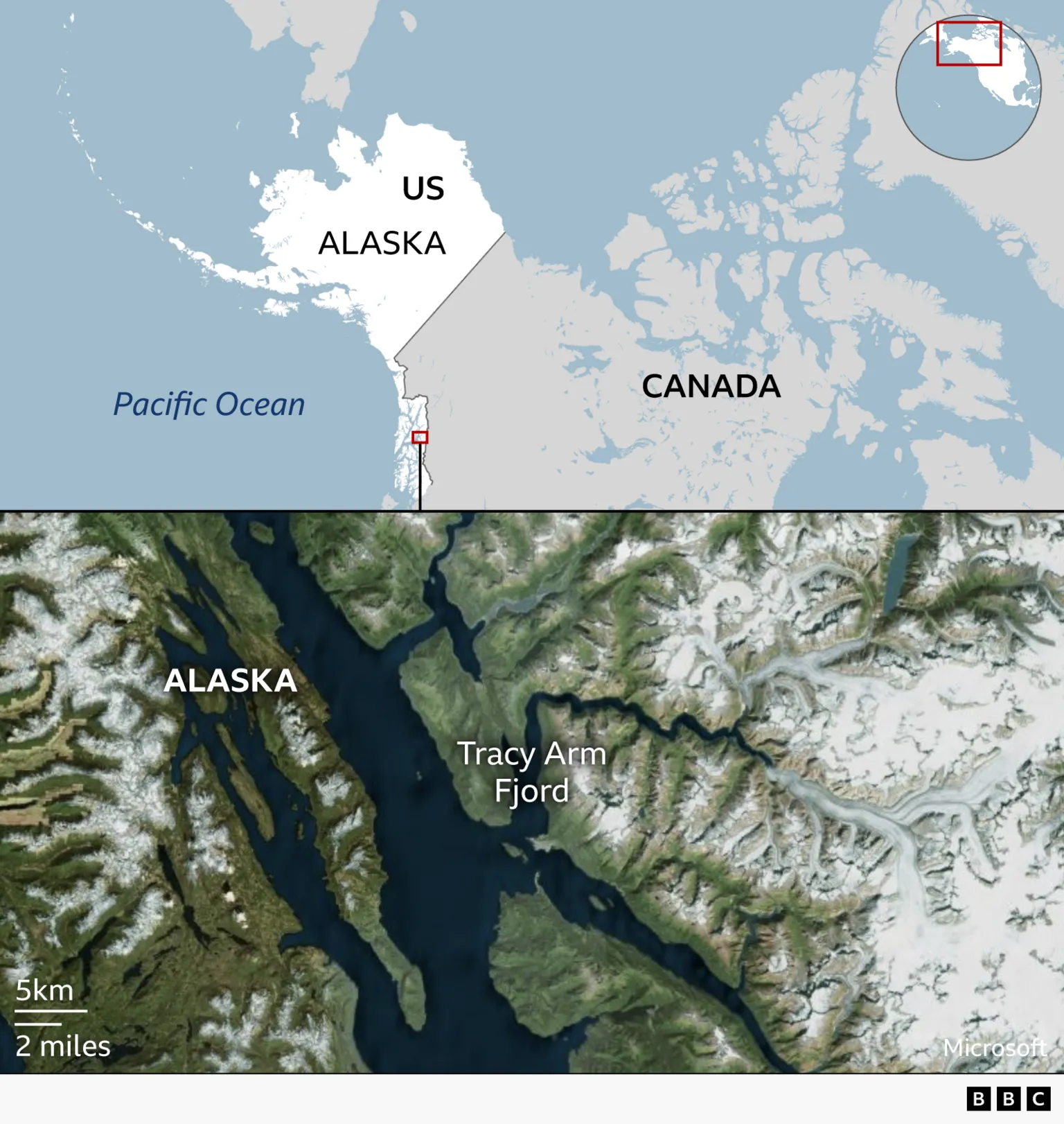
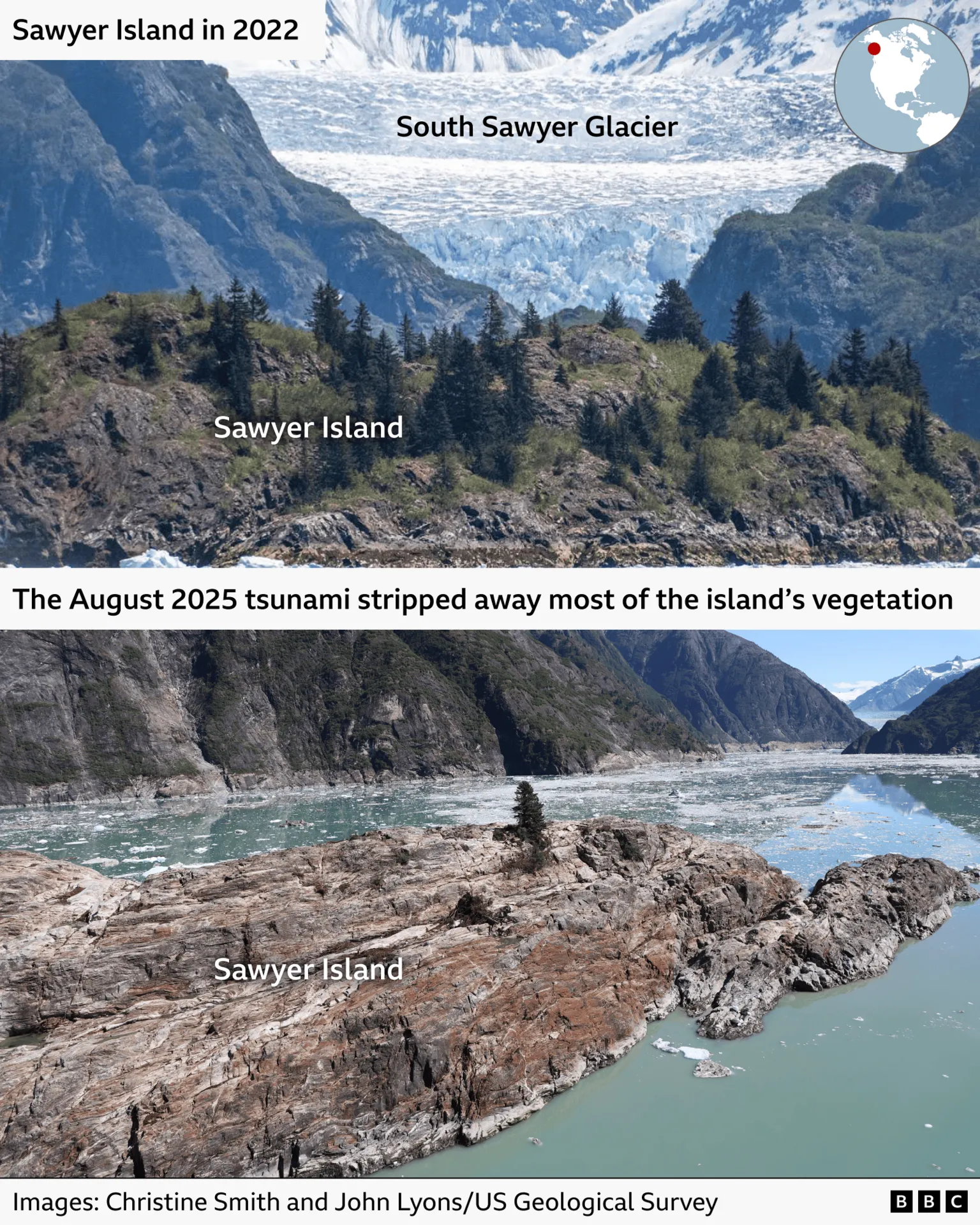
In the early hours of August 10, 2025, a vast mountainside in southeastern Alaska's Tracy Arm Fjord gave way, sending an immense volume of rock plunging into the water below. The resulting wave, a staggering 481 meters high on the opposite fjord wall, has been identified as the second-largest tsunami ever recorded. This colossal event, dwarfing all but the world's 14 tallest skyscrapers, was not triggered by seismic activity but by a massive landslide, leaving a trail of destruction in its wake. The sheer scale of the rockfall—64 million cubic meters, equivalent to 24 Great Pyramids—generated a wave of unprecedented power. Fortunately, the timing of the collapse, occurring in the pre-dawn darkness, meant that tourist cruise ships scheduled to visit the scenic fjord later that morning were spared. The incident, however, serves as a potent reminder of the volatile forces at play in the region.
The Glacier's Retreat Unleashed the Mountain
New scientific analysis has illuminated the underlying cause of the catastrophic landslide. Researchers have presented strong evidence linking the event to the rapid retreat of the South Sawyer Glacier. As the glacier, which had long acted as a natural buttress supporting the fjord's steep valley walls, receded, it exposed the rock to destabilization. Daniel Shugar, a geomorphologist at the University of Calgary and lead author of the study published in Science, likened the process to a child tidying a room by hiding clutter in a closet. The glacier's presence had held the slopes in place; its absence, due to warming temperatures, allowed the rock to become vulnerable. While rainfall may have played a role in weakening the fjord's walls, the removal of the glacial support—a phenomenon termed 'debuttressing'—is considered the critical factor making the collapse possible.
A 'Close Call' in a Vulnerable Landscape
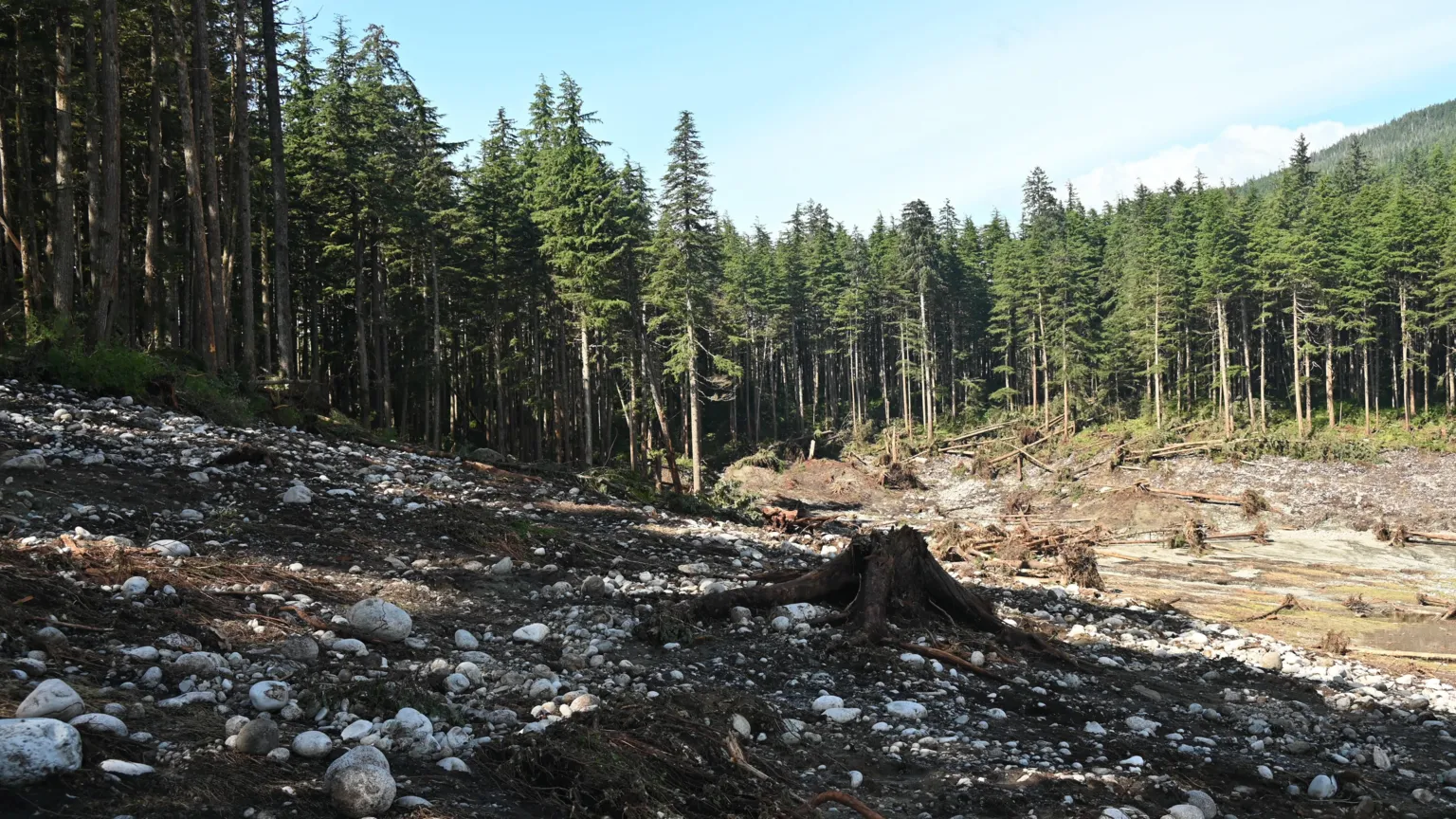
Geologist Bretwood Higman, who surveyed the damage at Tracy Arm Fjord weeks after the event, described the situation as a "close call." He observed extensive damage, including trees ripped from mountainsides and vast scars on the rock stripped of vegetation. Alaska's unique geography, characterized by steep mountains and narrow fjords, makes it particularly susceptible to such megatsunamis. The fjord's steep, confining walls amplified the energy of the landslide-generated wave, concentrating its destructive power. Unlike tsunamis originating from earthquakes in the open ocean, which can travel thousands of miles, these fjord-bound events unleash their full force in a more localized, albeit devastating, manner. The memory of the 1958 Lituya Bay megatsunami, which reached an even greater height of 524 meters, looms large in the region's geological history.
Climate Change as the Ultimate Driver
The findings presented at the European Geosciences Union 2026 General Assembly highlight a critical connection between the Tracy Arm landslide and global climate change. The study posits that the rapid retreat of the South Sawyer Glacier, which accelerated significantly in the spring of 2025 with a retreat of approximately 500 meters, is a direct consequence of rising global temperatures. This phenomenon of 'debuttressing' is not isolated to Tracy Arm. Satellite data, specifically interferometric synthetic aperture radar (InSAR) images, reveals that numerous slopes across Alaska and beyond are exhibiting signs of instability. A significant majority of these shifting slopes are situated above thinning glaciers, indicating a widespread and growing risk of future landslides and associated tsunamis.
Lessons from the Fjord's Fury
The Tracy Arm event, while causing no human casualties, underscores the escalating risks associated with a warming planet. The study's authors emphasized the need for vigilance, as the geological processes set in motion by glacial retreat could lead to future disasters. The lack of seismic precursors for the Tracy Arm landslide, unlike the Lituya Bay event, necessitates a deeper understanding of the subtle, non-seismic triggers for such massive geological events. As glaciers continue to melt at an alarming rate, the buttressing effect they provide to surrounding slopes diminishes. This 'unveiling' of unstable rock faces presents a clear and present danger. The scientific community's focus now shifts to monitoring these vulnerable areas and refining predictive models to anticipate and mitigate the impact of future megatsunamis, a stark consequence of a changing climate.
The bottom line
- A 481-meter tsunami in Alaska's Tracy Arm Fjord in August 2025 was the second largest ever recorded and the largest not caused by an earthquake.
- The wave resulted from a 64 million cubic meter rockslide, triggered by the retreat of the South Sawyer Glacier.
- Scientists attribute the glacier's rapid retreat to global climate change, a process known as 'debuttressing'.
- The event served as a near-miss for cruise ship passengers, highlighting potential human impact.
- Alaska's geography makes it particularly vulnerable to megatsunamis generated by landslides.
- Satellite data suggests similar slope instabilities are occurring globally above thinning glaciers, indicating a broader risk.

Anthony Edwards cleared for Game 1 against Spurs after nine-day recovery from knee injury

Magnitude 6 Earthquake Rattles Eastern Samar, Causing Minor Damage and Injuries

NLEX faces four-way tie scenario that could cost No. 1 seed against Titan Ultra
