Eta Aquariids Peak May 5-6: Halley's Comet Debris to Light Up Skies, Moon Poses Challenge
The annual meteor shower, one of the strongest of the year, faces significant moonlight interference during its 2026 peak, particularly for northern hemisphere observers.

PHILIPPINES —
Key facts
- The Eta Aquariid meteor shower is active from April 19 to May 28, peaking on the night of May 5-6.
- The shower's Zenithal Hourly Rate (ZHR) can reach 60-100 meteors per hour in some years, but 2026 rates are expected around 50 per hour.
- The source of the Eta Aquariids is Halley's Comet (1P/Halley), which last visited the inner solar system in 1986 and will return in 2061.
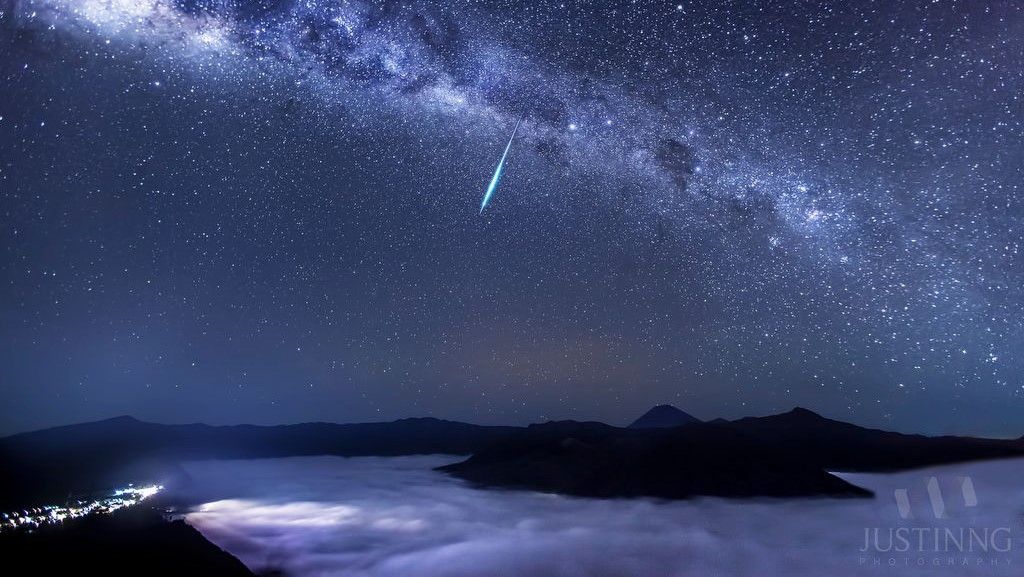
- Meteors travel at 65.4 km/s (about 41 miles per second) and often leave persistent trains.
- The radiant is at 1 degree declination, just below the celestial equator, making it a southern hemisphere shower.
- In 2026, a waning gibbous moon at 84% illumination, four days past full, will interfere with observations.
- The Eta Aquariids are the third strongest annual meteor shower after the Perseids and Geminids.
- Halley's Comet reached aphelion at 35 AU from the sun on December 9, 2023.
A Shower of Mythical Status Faces Lunar Hurdle
The Eta Aquariid meteor shower, an annual display of debris from Halley's Comet, reaches its peak on the night of May 5-6, 2026, offering observers a chance to see up to 50 meteors per hour under ideal conditions. However, this year's viewing will be hampered by a waning gibbous moon, 84% illuminated and just four days past full, which will wash out fainter meteors. Despite the lunar interference, the shower remains a compelling target for dedicated skywatchers, particularly in the Southern Hemisphere where the radiant climbs high in the sky. The Eta Aquariids are known for their swift meteors, traveling at 65.4 kilometers per second, and often leave glowing persistent trains that can last several seconds.
Halley's Comet: The Celestial Source
The Eta Aquariids originate from the most famous of all comets, 1P/Halley, which orbits the sun every 74.7 years. Halley's Comet last passed through the inner solar system in 1986 and will return in 2061, but the debris causing the meteor shower was laid down thousands of years ago, well out of the comet's current path. Halley's Comet reached aphelion—its farthest point from the sun—at 35 Astronomical Units (AU) on December 9, 2023. The comet is also responsible for another major meteor shower, the October Orionids, which is visible in the Northern Hemisphere.
Southern Hemisphere Dominance and Northern Challenges
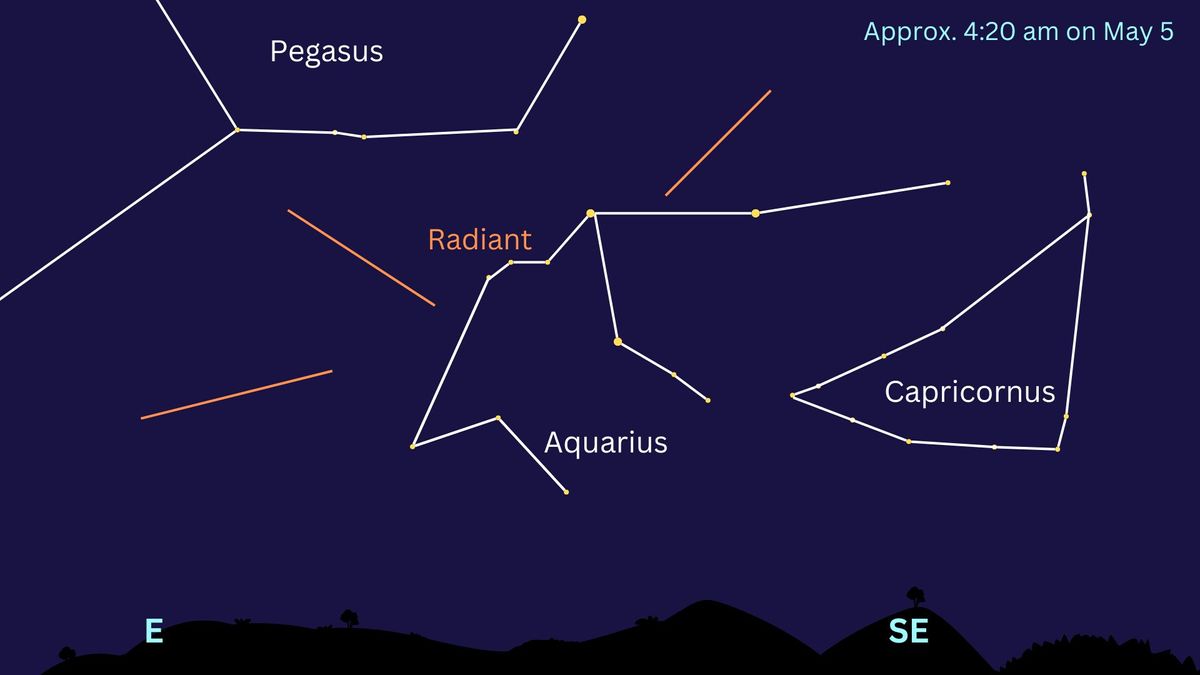
The Eta Aquariids are a rare southern hemisphere shower, with a radiant at one degree of declination, just below the celestial equator near the star Eta Aquarii. For northern observers, the radiant rises only around 2 a.m. local time and transits the meridian after sunrise, leaving a narrow window of darkness. In contrast, observers in the Southern Hemisphere—where it is fall heading into winter—enjoy the radiant high in the sky, making the Eta Aquariids one of the best annual meteor showers. Australians have described it as a highlight of the year, with rates often exceeding 50 meteors per hour.
Historical Outbursts and 2026 Prospects
While typical rates hover around 50 meteors per hour, the Eta Aquariids have produced surprises in the past. In 2013, rates topped 140 per hour, offering a spectacular show. Outbursts from Halley's Comet were more frequent in the 5th and 10th centuries AD, but modern rates remain steady. For 2026, the American Meteor Society (AMS) estimates a maximum rate of about 50 meteors per hour in a clear sky. The moon's interference will reduce visible numbers, but observers can mitigate this by positioning themselves so that the moon is physically blocked by a building or hill.
Viewing Tips for Optimal Observation
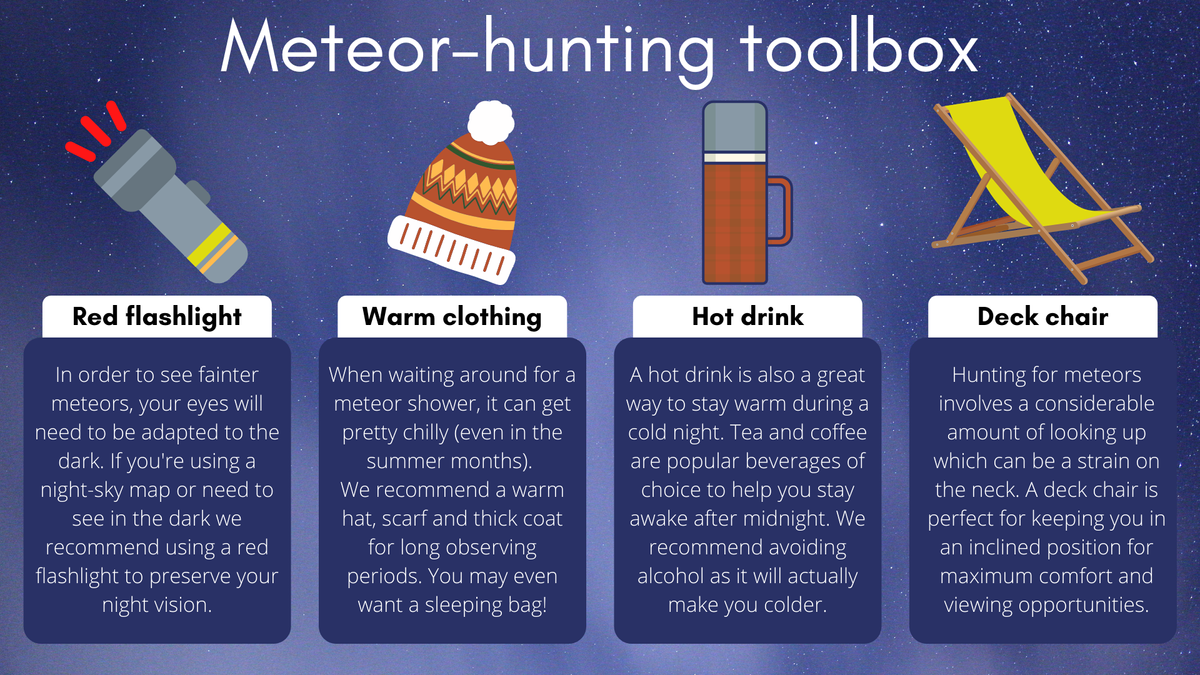
To maximize the chance of seeing meteors, observers should find the darkest possible location, away from city lights. No special equipment is needed; the key is to take in as much sky as possible and allow at least 30 minutes for eyes to adjust to the dark. Avoid using phones or other white-light sources; if a flashlight is necessary, use a red light setting to preserve night vision. Meteors will appear across the entire sky, not just near the radiant in Aquarius, so scanning the heavens is recommended. For northern hemisphere viewers, the best time is before dawn on May 6, when the radiant is highest.
A Cosmic Coincidence of Shower Distribution
Of the 13 major annual meteor showers, only two have radiants in the southern hemisphere: the Eta Aquariids and the August Delta Aquariids. This asymmetry is a cosmic curiosity, as the Southern Hemisphere also tends to host the brightest comets, such as the currently bright Comet C/2025 R3 Pan-STARRS. Despite the northern hemisphere's wealth of major showers, the Eta Aquariids remain a challenging but rewarding target. The shower's broad peak means that activity may be visible for several days around the maximum, offering multiple opportunities to catch a glimpse of Halley's legacy.
Looking Ahead: Future Peaks and Halley's Return
The Eta Aquariids will continue to grace Earth's skies annually, with the next peak in May 2027. The moon phase will be more favorable in some future years, allowing for better viewing conditions. Halley's Comet itself will not return until 2061, but its debris continues to produce two reliable meteor showers each year. For now, skywatchers can enjoy the Eta Aquariids as a reminder of the comet's enduring presence in the solar system.
The bottom line
- The Eta Aquariid meteor shower peaks May 5-6, 2026, with up to 50 meteors per hour expected, but a bright moon will obscure fainter meteors.
- The shower's source is Halley's Comet, which last visited in 1986 and will return in 2061; debris laid down centuries ago creates the meteors.
- Best viewing is in the Southern Hemisphere; northern observers may see 10-30 meteors per hour due to the low radiant.
- Meteors travel at 65.4 km/s and often leave persistent trains, making them spectacular despite lunar interference.
- To optimize viewing, find a dark location, avoid light sources, and allow 30 minutes for dark adaptation.
- The Eta Aquariids are the third strongest annual meteor shower, after the Perseids and Geminids.



Former TV Host Jay Sonza Arrested Over False Medical Claims About Philippine President

Timberwolves’ Terrence Shannon Jr. Could Be Key After Edwards, DiVincenzo Injuries

Ginebra Eyes Top Spot as Meralco Seeks to Halt Skid in PBA Commissioner's Cup Clash