Mother's Day: From Peace Advocacy to Commercial Holiday
The holiday's founder envisioned a day of remembrance, not a retail event, a sentiment echoed in ancient traditions.

PHILIPPINES —
Key facts
- Mother's Day was founded in 1908 by Anna Jarvis.
- Jarvis's mother, Ann Maria Reeves Jarvis, organized "Mothers' Day Work Clubs" before the Civil War.
- The first public celebration of Mother's Day was on May 10, 1908.
- President Woodrow Wilson signed a proclamation designating the second Sunday in May as Mother's Day in 1914.
- Consumer spending on Mother's Day in the U.S. is estimated to be around $34 billion.
- Ancient Greek texts from the 5th century B.C.E. depict mothers advocating for peace.
- The infant mortality rate in the U.S. is 5.5 per 1,000, ranking it 33rd out of 38 developed nations.
A Day's Complex Origins
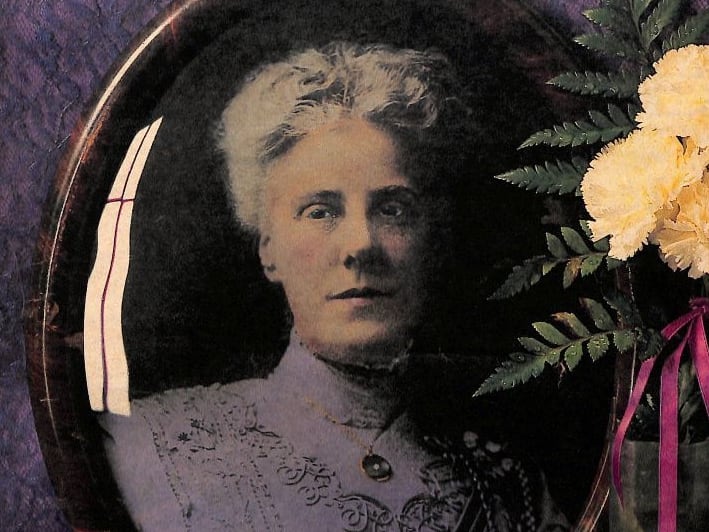
The annual celebration of Mother's Day, now a significant driver of consumer spending, began with a vision of remembrance and political activism. Anna Jarvis, the holiday's founder, intended the day to honor women's collective work, particularly their efforts toward peace. This original intent, however, has largely been overshadowed by the modern emphasis on gift-buying and dining out, a commercialization that deeply troubled Jarvis herself. Jarvis initiated the holiday in 1908, inspired by her own mother, Ann Maria Reeves Jarvis. The elder Jarvis was an activist who established "Mothers' Day Work Clubs" in West Virginia. These clubs provided education and assistance to families, and during the Civil War, they shifted their focus to promoting peace and offering aid to wounded soldiers from both the Union and Confederate armies. The mothers involved believed peace was essential for community preservation and the well-being of their families. This historical context highlights a tradition of recognizing mothers' roles beyond the domestic sphere. For millennia, mothers have been seen as protectors and advocates for their communities, particularly in matters of peace. This understanding of maternal influence extends back to ancient civilizations, where the role of mothers was intrinsically linked to the health and continuity of society.
From Civil War Activism to National Recognition
Anna Jarvis's inspiration stemmed from her mother's work and a personal request. Ann Maria Reeves Jarvis, who had given birth to 13 children, with only four surviving to adulthood, asked her daughter to memorialize the often-invisible labor of mothers before her death. Jarvis, who had gained marketing experience working in Philadelphia, channeled her efforts into a public relations campaign. She began a letter-writing initiative to politicians and city officials, advocating for a dedicated day to honor mothers. On May 10, 1908, the third anniversary of her mother's passing, Jarvis organized the first public Mother's Day celebration. She sent 500 carnations, her mother's favorite flower, to her mother's home church in West Virginia and spoke at an event in Philadelphia's Wanamaker Building, thanking mothers for their contributions. Her campaign garnered support from prominent figures, including John Wanamaker, founder of the department store, and James Elverson, publisher of the Philadelphia Inquirer. The enthusiasm for the holiday grew rapidly. By May 9, 1914, President Woodrow Wilson officially recognized the significance of the day, signing a proclamation that declared the second Sunday in May a national holiday dedicated to honoring mothers.
The Founder's Discontent with Commercialization
Despite the widespread adoption of Mother's Day, Anna Jarvis became increasingly disillusioned with its commercial trajectory. She had envisioned an intimate day of personal reflection and remembrance, a sentiment she believed was lost as the holiday transformed into a "Hallmark holiday." Jarvis's initial intention was for a liturgical service, and she expressed unhappiness as it became increasingly tied to retail. Jarvis's conviction was rooted in a desire to celebrate mothers authentically. Taylor Schmalz, director of collections and interpretations at Historic St. George, emphasizes that while people enjoy the holiday, they often forget Jarvis or her original vision. Schmalz aims to reframe Jarvis's story, focusing on her commitment to the day's purity rather than her later distress over its commercialization. Jarvis's efforts to distance herself from the increasingly commercialized holiday underscore a persistent critique: that the true appreciation of mothers' work is often overshadowed by material gestures. Her struggle highlights the tension between genuine recognition and the economic forces that shape cultural observances.
Ancient Echoes of Maternal Influence
The concept of honoring motherhood and recognizing women's roles in public life is not new; it has historical precedents stretching back to antiquity. Texts from as early as the fifth century B.C.E. illustrate mothers actively promoting peace and community well-being. In Aristophanes' play "Lysistrata," Athenian women unite to end the Peloponnesian War, arguing that women suffer disproportionately from conflict as they bear children only to send them to war. In the ancient world, motherhood conferred significant power and influence within families and communities. The birth of a male heir, for instance, secured a woman's position and provided continuity for the family line. Classical scholars explain that motherhood elevated women to the status of protectors and sustainers of the city, responsible for nurturing new generations of citizens and soldiers. This dual role of mothers as nurturers and protectors is reflected in the worship of ancient deities. The Greek goddess Hera, queen of the gods, presided over childbirth through her daughter Eileithyia and served as the divine protector of cities like Argos. In Rome, Juno, Hera's counterpart, was associated with marriage and childbirth but also played a crucial role in the city's protection, famously credited with warning Rome of an approaching Gallic attack through her sacred geese.
Modern Pressures and Diminished Reverence
Today, the role of mothers has evolved, layered with additional responsibilities and heightened expectations. While mothers have historically managed domestic duties, the past half-century has seen a significant increase in mothers entering the workforce to support family finances. This trend is particularly pronounced among single working mothers, who face the daunting task of providing for their children both financially and domestically. This increased burden, often described as an "unfair dilemma," creates significant stress and apprehension for mothers regarding their children's future. Despite the revered ideal of motherhood, the actual respect and understanding for the tireless work involved may have waned. The sentiment is captured in observations that motherhood is the "lynchpin that helps hold our culture together." While gestures like cards and candy are appreciated, a deeper understanding of mothers' contributions is often lacking, as evidenced by societal actions. The United States faces a notable challenge in this regard, with an infant mortality rate of 5.5 per 1,000, placing it 33rd among 38 developed industrial nations. This statistic suggests that as a developed nation, the infrastructure and support systems for maternal and child well-being may not fully align with the reverence afforded to motherhood.
The bottom line
- Mother's Day was founded in 1908 by Anna Jarvis to honor women's work for peace, not for commercial purposes.
- The holiday was officially recognized nationally in 1914, designated as the second Sunday in May.
- Jarvis actively opposed the commercialization of Mother's Day, seeking to preserve its original intent.
- Ancient cultures recognized mothers' roles as protectors and advocates for peace and community.
- Modern mothers face increased responsibilities, balancing work and domestic duties, often with inadequate societal support.
- The U.S. infant mortality rate suggests a gap between the idealization of motherhood and practical support systems.




Alexandra Eala Advances at Italian Open

Philippines Declares Three-Day Holiday in Cebu as It Hosts 48th ASEAN Summit

Qatar-Donated 747-8i Completes Testing, Set to Serve as Interim Air Force One This Summer
