Philippine Peso's Purchasing Power Plunges to Eight-Year Low as Inflation Hits 7.2%
A single peso from 2018 now buys just 73 centavos worth of goods, squeezing households amid soaring food, transport, and utility costs.
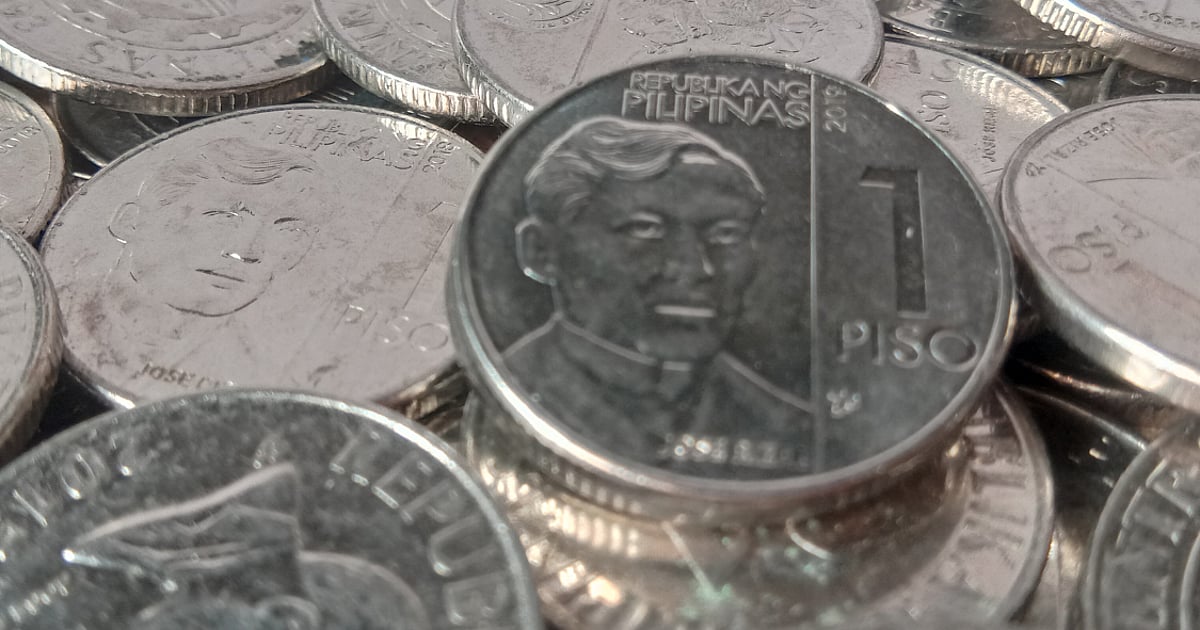
PHILIPPINES —
Key facts
- Purchasing power of the Philippine peso fell to P0.073 in April 2026, the lowest since the 2018 base year.
- National Statistician Dennis Mapa announced the decline on May 5, 2026.
- Inflation accelerated to 7.2% in April 2026, the highest since March 2023.
- The peso's value dropped from P0.75 in March 2026 to P0.73 in April 2026.
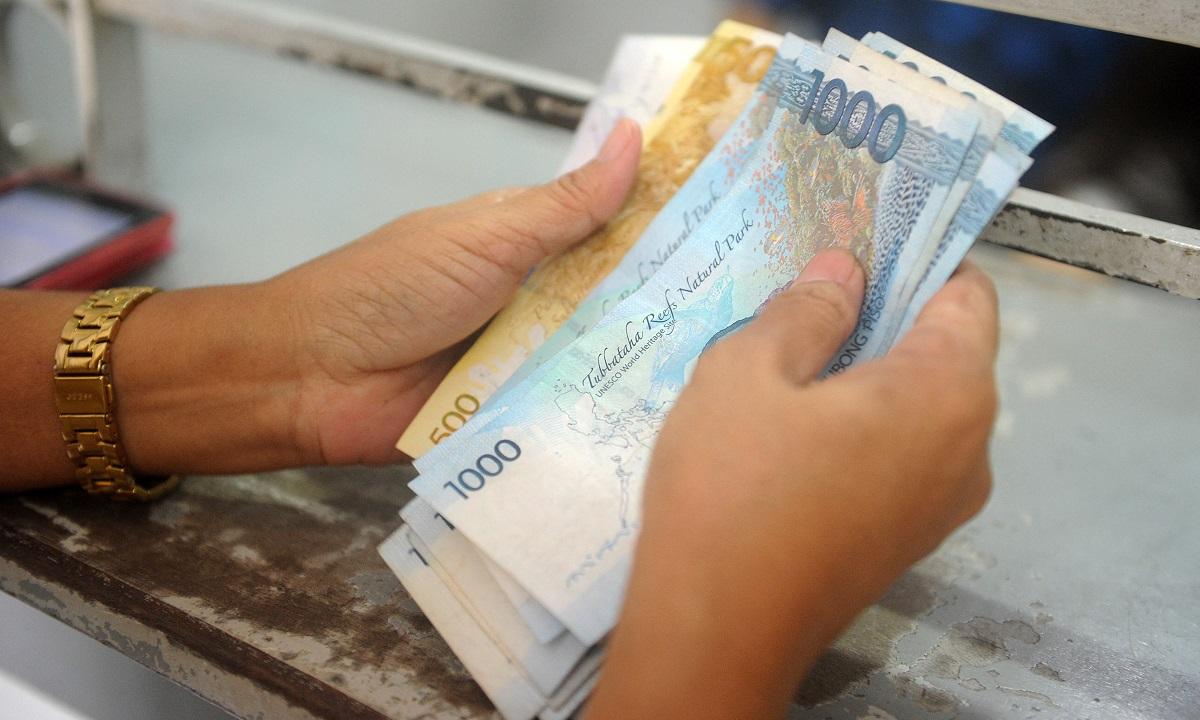
- P100 from 2018 is now worth only P73; P1,000 is worth P730.
- Rising global fuel prices have driven up costs of food, transportation, and utilities.
- Purchasing power is calculated as 1 divided by the consumer price index, multiplied by 100.
- A lower purchasing power means consumers need more money to buy the same basket of goods.
Peso's Buying Power Erodes to 73 Centavos
The purchasing power of the Philippine peso has sunk to its weakest level in eight years, with one peso from the 2018 base year now worth just 73 centavos as of April 2026. National Statistician and Civil Registrar General Dennis Mapa disclosed the figure during a press conference on Tuesday, May 5, marking a continued erosion of household spending capacity. This decline means that what 100 pesos could buy in 2018 now costs about 137 pesos. The peso's real value has been steadily falling as inflation accelerates, with the latest reading showing a sharp uptick in consumer prices.
Inflation Surges to 7.2%, Fastest in Three Years
The purchasing power drop coincides with inflation hitting 7.2% in April 2026, the highest rate since March 2023. Just a month earlier, in March, inflation stood at 4.1%, meaning the pace of price increases nearly doubled in a single month. Mapa explained the direct link: "When inflation increases, the consequence is the purchasing power of the peso declines." The surge has been largely driven by global fuel price shocks, which have rippled through food, transportation, and utility costs — essential categories that dominate household budgets.
How Purchasing Power Is Measured
The Philippine Statistics Authority defines purchasing power of the peso as the "real value" of the local currency in a given period relative to a base year, which is currently 2018. It is computed by dividing 1 by the consumer price index and multiplying by 100. A lower purchasing power indicates that consumers can buy fewer goods and services with the same amount of money compared to the base year. The latest figure of 73 centavos means that the peso has lost 27% of its value since 2018.
Impact on Filipino Households
The erosion of the peso's buying power directly reduces the spending capacity of Filipino families. For a household that earned and spent 10,000 pesos monthly in 2018, they would now need roughly 13,700 pesos to maintain the same standard of living, assuming their consumption basket matches the CPI. Essential items such as food, transportation, and utilities have seen the steepest price increases, forcing many to cut back on non-essential spending or dip into savings. The PSA noted that the peso's value had already fallen to 75 centavos in March 2026, before deteriorating further in April.
Global Fuel Shocks Amplify Domestic Pressures
The acceleration in inflation is attributed largely to global fuel price shocks, which have pushed up costs across the economy. Higher energy prices raise transportation expenses, which in turn increase the cost of food distribution and other goods. Utilities, heavily dependent on fuel for power generation, have also become more expensive. These external pressures compound domestic factors, leaving policymakers with limited tools to quickly restore purchasing power.
Outlook: Continued Strain Without Wage Adjustments
With inflation expected to remain elevated in the near term, the peso's purchasing power may decline further. The government faces growing calls for emergency wage increases to help workers cope with rising living costs, though no such measures have been enacted. Mapa's announcement underscores the urgency: the peso's value has now fallen to its lowest since the 2018 rebasing, and without intervention, Filipino households will continue to bear the brunt of diminished buying power.
The bottom line
- The Philippine peso's purchasing power hit an eight-year low of 73 centavos in April 2026, down from 75 centavos in March.
- Inflation surged to 7.2% in April, the highest in over three years, driven by global fuel price shocks.
- Food, transportation, and utilities are the main drivers of inflation, directly impacting household budgets.
- A peso from 2018 now buys only 73% of what it did, meaning 100 pesos then is worth 73 pesos now.
- The purchasing power decline is calculated using the consumer price index relative to the 2018 base year.
- Without wage adjustments or policy intervention, Filipino consumers face continued erosion of real income.

Orlando Magic fire coach Jamahl Mosley after first-round playoff collapse

Cavaliers and Pistons Set for Second-Round Showdown After Game 7 Victories

Pistons Complete Historic 3-1 Comeback, Crush Magic 116-94 in Game 7
