Purple Yam Ube Goes Global as Philippines Struggles to Meet Surging Demand
Once a nostalgic taste of home for Filipinos abroad, ube has become a social media sensation driving a 230% menu increase in the US, but climate change is squeezing supply.
PHILIPPINES —
Key facts
- Ube exports from the Philippines hit $3.2 million in 2025, up 20% year-on-year.
- Nearly 1.7 million kilograms of ube were shipped in 2025, with the US importing half.
- Ube menu offerings in the US have risen 230% over the past four years, per Datassential.
- Starbucks launched Ube Iced Coconut Latte and Ube Espresso Martini in 2025.
- Global ube market forecast to grow at 6.9% CAGR through 2035.
- Philippine ube production is slowly declining due to climate change.
A Purple Revolution in Beverages
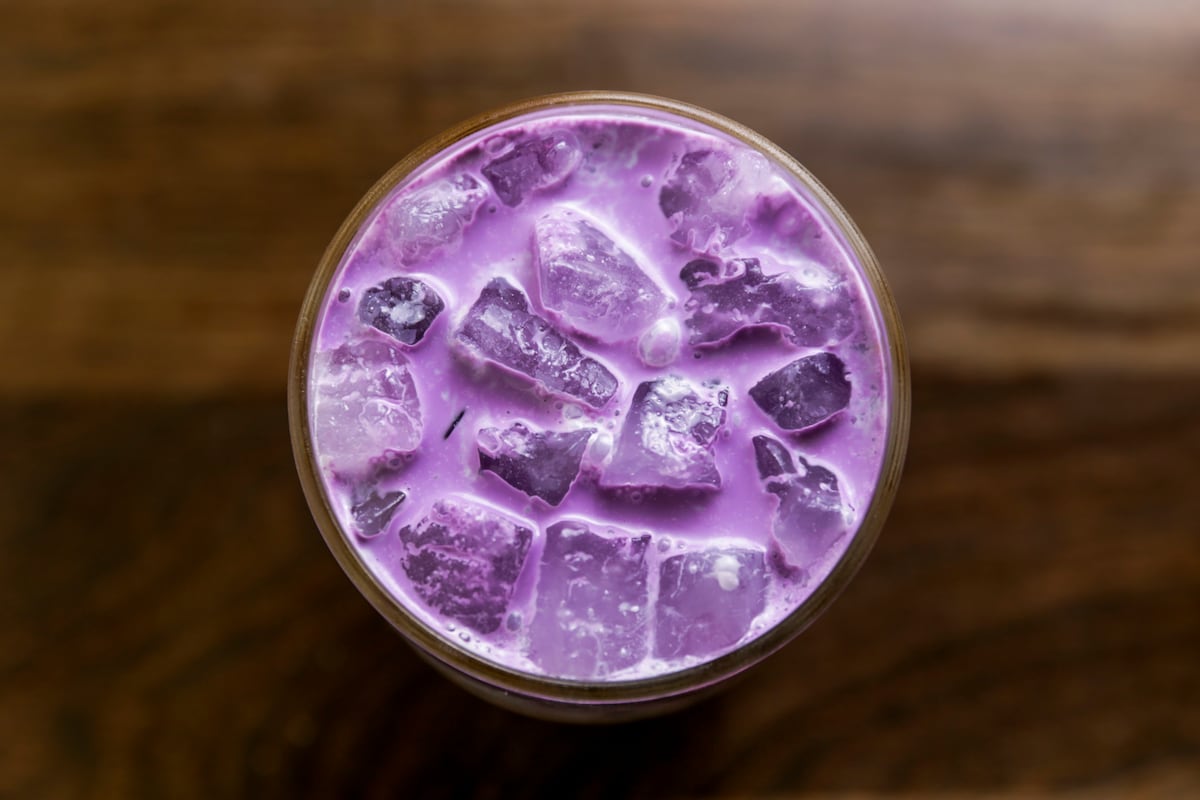
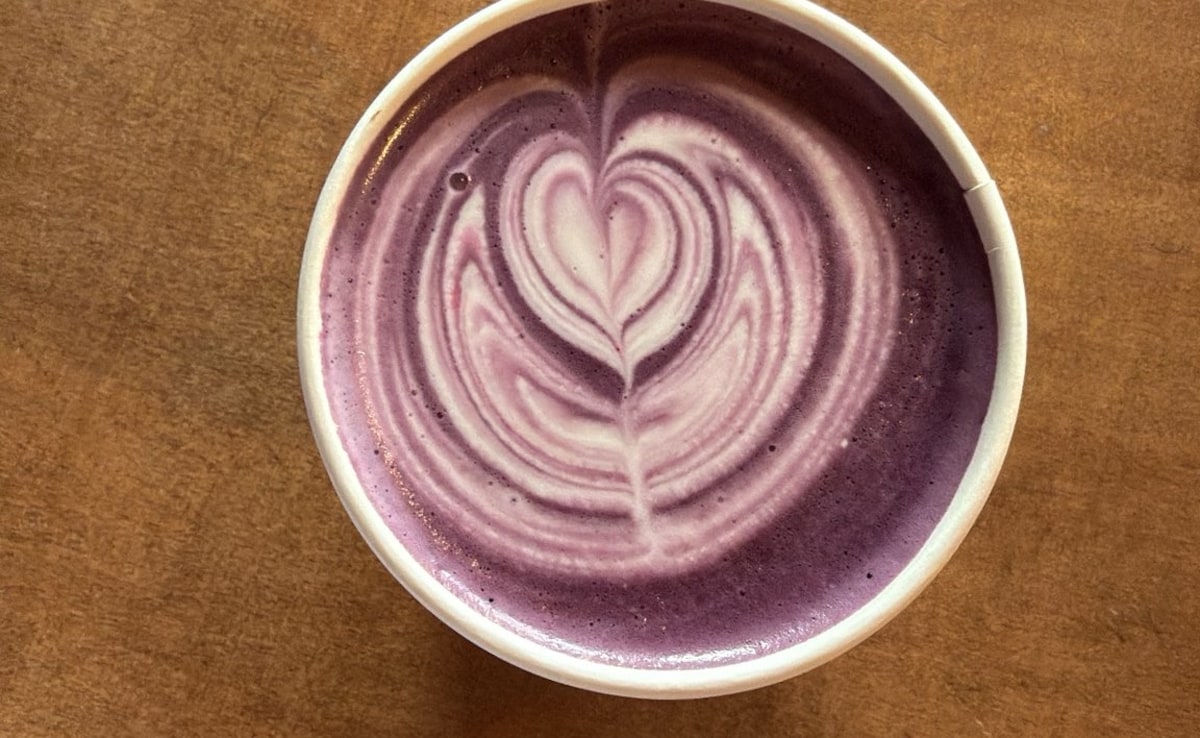
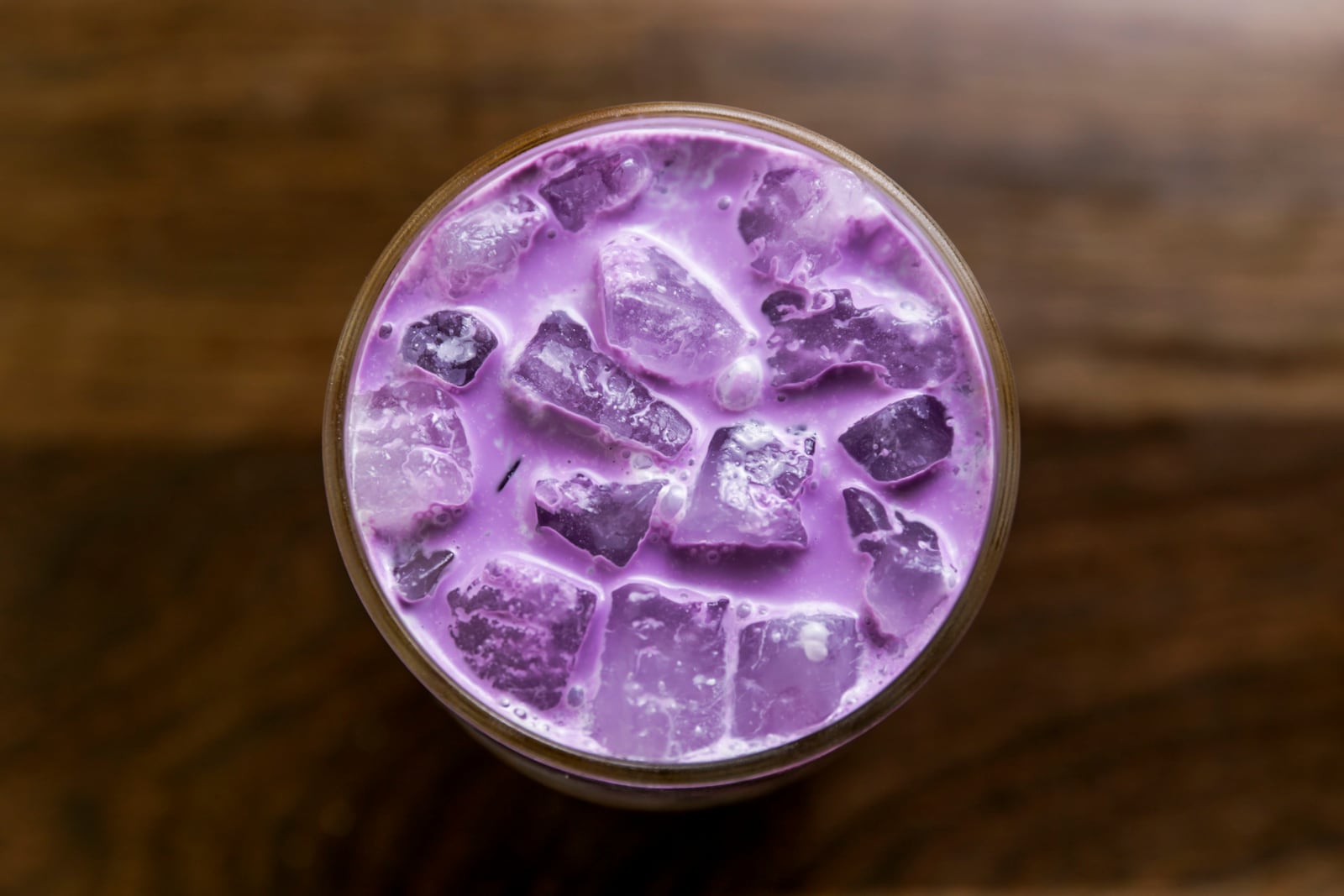
The ube latte, a vibrant purple drink made from the Filipino purple yam, is rapidly overtaking matcha and turmeric lattes as the must-order beverage in trendy cafés worldwide. Social media feeds are saturated with images of the striking purple concoction, often topped with a creamy foam or a drizzle of ube jam. The drink's natural sweetness, caffeine-free appeal, and photogenic hue have made it a viral sensation, with influencers and baristas alike championing its rise.
From Nostalgia to Mainstream Craze
For years, ube was a niche ingredient cherished by the Filipino diaspora. Chris Joseph, a long-time Filipino restaurateur in London, has served ube dishes at his establishments for a decade, initially catering to homesick Filipinos. But in the past year, he has seen a surge of curious non-Filipino customers. "What we've seen now is people walking in and [being] curious about ube, people that we don't normally see," Joseph told CNBC. His restaurant Kasa and Kin, co-founded with wife Rowena Romulo, now features an ube latte, ube martini, ube tsunami cheesecake, and ube cream cheese bread.
Corporate Giants Fuel the Trend
Major coffee chains have accelerated ube's mainstream adoption. Starbucks introduced limited-time Ube Iced Coconut Latte and Ube Espresso Martini in 2025, and expanded its 2026 spring lineup with an Ube Matcha Latte and Ube Vanilla Macchiato. Peet's Coffee also joined the trend with an Iced Vanilla Latte with Ube Dream Top. According to food and beverage analytics firm Datassential, ube offerings on US restaurant menus have increased 230% over the past four years, now appearing at 95 chains, with a projected 74% growth over the next four years.
Supply Squeeze as Climate Change Bites
The surge in global demand is colliding with a troubling reality: Philippine ube production is slowly declining due to climate change. Farmers are struggling to keep up, and prices are climbing. In 2025, the Philippines exported about $3.2 million worth of ube—nearly 1.7 million kilograms—a roughly 20% increase from the prior year, according to the Philippine Statistics Authority. The United States was the largest importer, accounting for around $1.6 million, or roughly half of total exports, followed by Canada, Australia, and the UK.
The Visual and Health Appeal
Ube's popularity is driven as much by its striking purple colour as by its taste. "Colour remains one of the most powerful tools a brand can wield—to shape expectations, signal flavour, and make products instantly recognisable," said Regina Maiseviciute Haydon, food and drink associate principal at market analytics company Mintel. Ube's purple hue "conveys personality, confidence and distinction." Beyond aesthetics, ube is rich in antioxidants similar to those found in berries and packed with fibre, making it a gut-friendly ingredient that can be part of a balanced daily diet.
A New Contender in the Beverage Arena
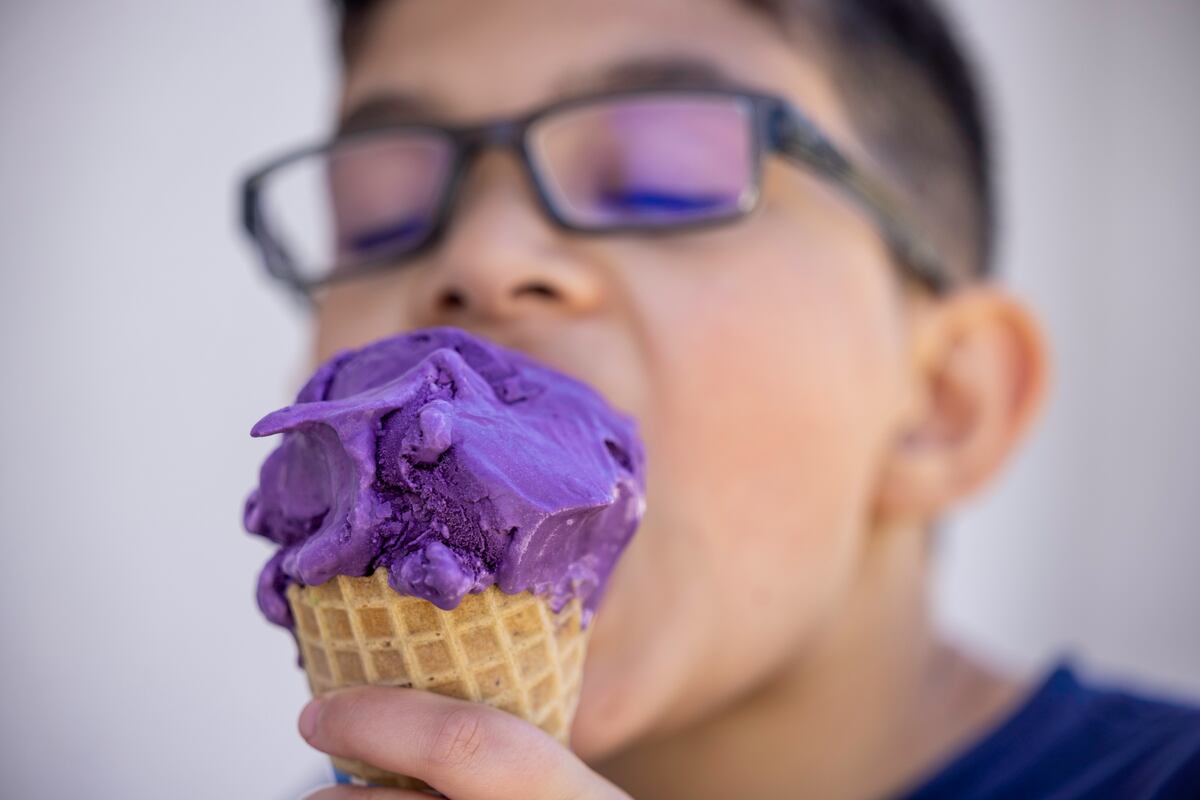
Ube is positioning itself as a worthy challenger to matcha, which has dominated the global beverage trend for years. While matcha's earthy, slightly bitter taste divides opinions, ube offers a naturally sweet and creamy alternative that appeals to a wider audience. Its caffeine-free nature is another advantage, attracting those seeking a calming drink without jitters. As ube continues to appear in coffees, cocktails, ice creams, and even cheese, its versatility suggests it may have staying power beyond a fleeting social media fad.
Outlook: Balancing Hype and Harvest
The ube trend shows no signs of slowing, but its long-term viability hinges on the Philippines' ability to boost production amid climate pressures. The 6.9% compound annual growth rate forecast through 2035 signals sustained global appetite. For restaurateurs like Joseph, the boom has been a boon: "What was really flying off the shelf was ube from the start," he said. Yet the question remains whether farmers can scale up sustainably to meet the world's craving for purple.
The bottom line
- Ube has transitioned from a Filipino staple to a global beverage trend, driven by social media and major coffee chains.
- US restaurant menus featuring ube have increased 230% in four years, with 95 chains now offering it.
- Philippine ube exports rose 20% in 2025 to $3.2 million, but production is declining due to climate change.
- Ube's appeal lies in its vibrant purple color, natural sweetness, and health benefits like antioxidants and fiber.
- The global ube market is projected to grow at 6.9% CAGR through 2035, but supply constraints pose a challenge.
- Ube offers a caffeine-free, naturally sweet alternative to matcha, broadening its consumer base.




Jarrett Allen's 22-Point, 19-Rebound Game 7 Saves Cavaliers' Season

RJ Barrett's Buzzer-Beater Forces Game 7 as Raptors Stun Cavaliers
Brandon Ingram's Season-High 37 Points Propel Raptors to Eighth Straight Win Over Cavaliers