Philippine Senator 'Bato' Dela Rosa Flees Senate Amid ICC Arrest Warrant Standoff
Gunshots and a political power shift marked a tense four-day refuge for the lawmaker wanted by international prosecutors.
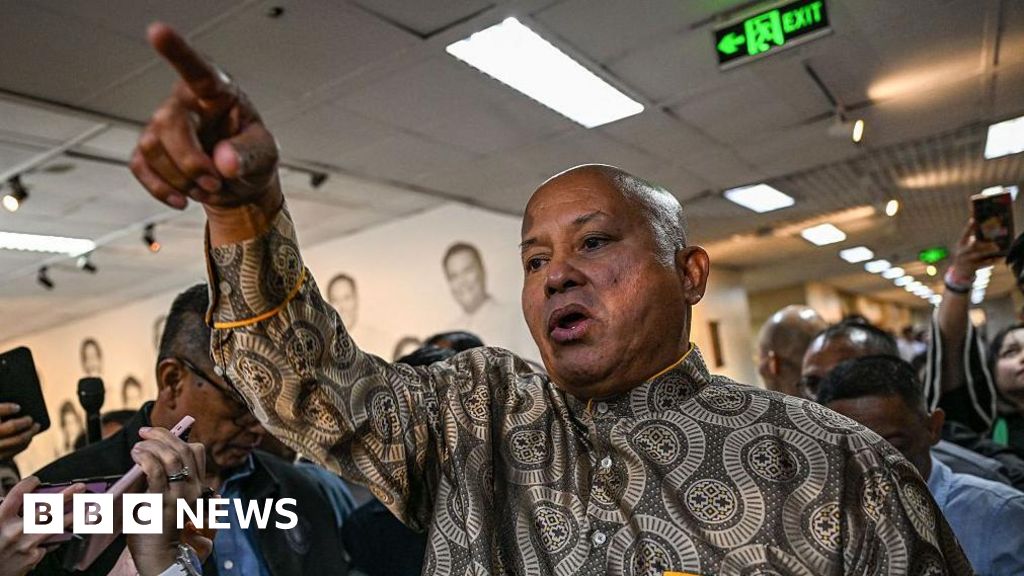
PHILIPPINES —
Key facts
- Senator Ronald 'Bato' dela Rosa sought refuge in the Philippine Senate from May 11.
- Gunshots were heard at the Senate building on the evening of May 13.
- The International Criminal Court (ICC) unsealed an arrest warrant for dela Rosa on Monday, May 11.
- Dela Rosa is accused by the ICC of killing dozens during the Duterte administration's war on drugs.
- Alan Peter Cayetano was elected Senate President during the standoff, replacing Tito Sotto.
- Dela Rosa left the Senate premises early Thursday morning, May 14.
- The Supreme Court refused to issue a temporary restraining order against dela Rosa's arrest on Wednesday, May 13.
Chaos Erupts as Senator Seeks Refuge
Gunshots shattered the tense atmosphere at the Philippine Senate on Wednesday evening, May 13, as Senator Ronald 'Bato' dela Rosa, a figure wanted by the International Criminal Court (ICC), remained holed up within its walls. The dramatic events capped a four-day standoff that had brought the nation's already volatile political climate to a fever pitch. Dela Rosa, who had been in unexplained absence for months, resurfaced on Monday, May 11, seeking refuge in the Senate building. His presence there was a direct response to an ICC arrest warrant, unsealed that same day, which accuses him of orchestrating the killings of dozens of people during his tenure as police chief under former President Rodrigo Duterte. The campaign, known as the war on drugs, saw thousands of alleged drug dealers and pushers killed between 2016 and 2018. Human rights groups contend that many of these deaths amounted to summary executions, fueling the ICC's investigation into crimes against humanity.
The ICC's Pursuit and Dela Rosa's Defense
The ICC's pursuit of dela Rosa stems from his role as the chief enforcer of President Duterte's brutal anti-narcotics campaign. While the Philippines withdrew from the ICC during Duterte's presidency, the tribunal asserts jurisdiction over crimes committed before the withdrawal in 2019. The investigation also encompasses drug war deaths that occurred when Duterte served as mayor of Davao City. Dela Rosa's legal team had petitioned the Supreme Court to halt any attempts to enforce the ICC warrant. However, on Wednesday, May 13, the court declined to issue a temporary restraining order. Instead, it granted the government 72 hours to provide its response to the senator's plea. During his time as police chief, dela Rosa was known for his unwavering loyalty to Duterte. After retiring from the police force, he was appointed head of the prisons bureau by the former president. He was later re-elected as a senator in the previous year, securing third place in the senatorial race, a performance that saw candidates aligned with Duterte outperform those of President Ferdinand Marcos.
Senate Leadership Shake-up Amid Standoff
Senator dela Rosa's dramatic return to the Senate on Monday, May 11, after six months in hiding, coincided with a significant shift in the chamber's leadership. His presence provided the crucial votes for a faction aligned with former President Duterte to unseat Senate President Tito Sotto. Alan Peter Cayetano was subsequently elected as the new Senate President. Immediately following his election, Cayetano and his allies placed dela Rosa under what they termed 'protective custody' within the Senate premises. This move was ostensibly to shield the senator from imminent arrest related to the ICC warrant. Critics, however, denounced the action as an obstruction of justice and an attempt to undermine law enforcement processes. Minority senators attempted to persuade dela Rosa to surrender voluntarily on Tuesday, May 12, filing a resolution urging his cooperation with authorities. Senate President Cayetano, however, rejected the measure, further entrenching the standoff and deepening political divisions within the Senate.
Escalation and Departure
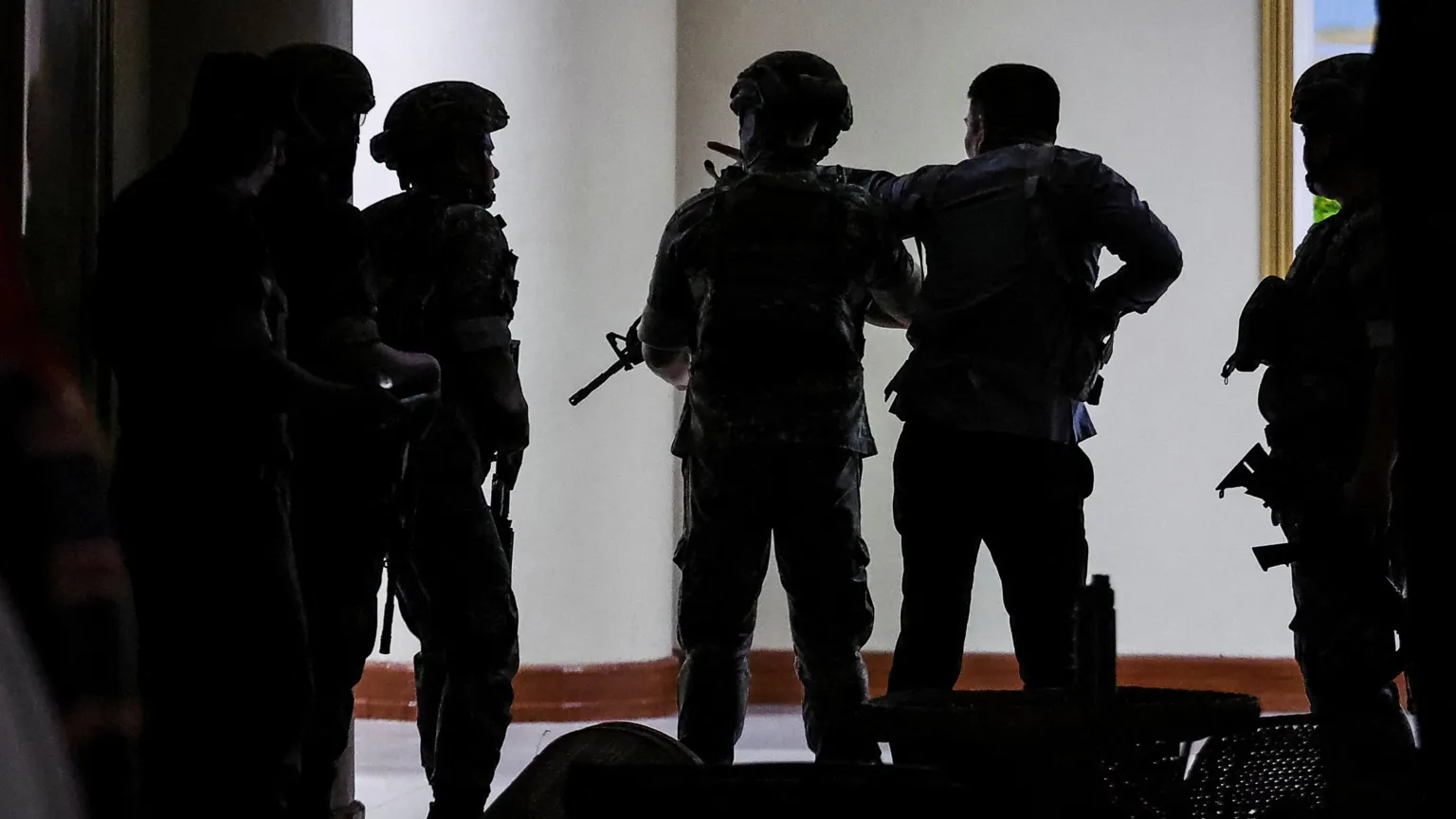
The tension reached a peak on Wednesday evening, May 13, when gunshots were reported within the Senate complex. While state forces maintained they were not involved in serving any warrant nor responsible for the shooting, the incident amplified concerns about security and the rule of law. CCTV footage later emerged showing dela Rosa moving through Senate hallways, with the senator alleging pursuit by agents from the National Bureau of Investigation (NBI). Although the footage did not depict a physical confrontation, dela Rosa claimed authorities attempted to apprehend him. By Thursday morning, May 14, reports began to surface that Senator dela Rosa was no longer in the Senate. A member of the Senate secretariat confirmed his departure around 2:30 a.m. Malacañang, the presidential palace, also indicated through multiple sources that the senator had left the premises, though official confirmation from the NBI was pending.
Wider Political Ramifications
The events unfolded against a backdrop of significant political maneuvering. The arrival of Articles of Impeachment against Vice President Sara Duterte for the Senate to convene as a trial court added another layer of complexity to the already charged atmosphere. Senator dela Rosa, popularly known by his nickname 'Bato' (Tagalog for rock), is a prominent ally of former President Duterte. His re-election to the Senate placed him third in the race, a testament to his enduring political standing despite the ongoing legal challenges. Interior Secretary Jonvic Remulla assured the public that dela Rosa was 'safe' and under security protection following the Senate lockdown, indicating a degree of official oversight even after his departure from the building. The full implications of the ICC warrant and the senator's evasion remain a subject of intense speculation and concern.
The bottom line
- Senator Ronald 'Bato' dela Rosa, facing an ICC arrest warrant for alleged drug war killings, sought refuge in the Philippine Senate.
- Gunshots were heard at the Senate on May 13, escalating a tense standoff that began when dela Rosa resurfaced on May 11.
- The crisis saw a change in Senate leadership, with Alan Peter Cayetano elected Senate President.
- Dela Rosa left the Senate premises early on May 14, ending his four-day refuge.
- The Supreme Court declined to block the ICC warrant, giving the government 72 hours to respond to dela Rosa's petition.
- The events highlight ongoing political divisions and the complex legal standing of officials involved in the Duterte-era war on drugs.



Sara Duterte Defends Family Privacy Amid Impeachment Proceedings

Spurs Weigh Harrison Barnes' Future Amid Youthful Rebuild

India Meteorological Department Issues Orange Alert for Delhi as Storms Approach