TESDA Breaks Ground on Innovation Center in Taguig to Future-Proof Filipino Workforce
The P1.2-billion facility, set to open by March 2027, will offer free training in automation, mechatronics, and smart technologies, targeting higher-level certifications.
PHILIPPINES —
Key facts
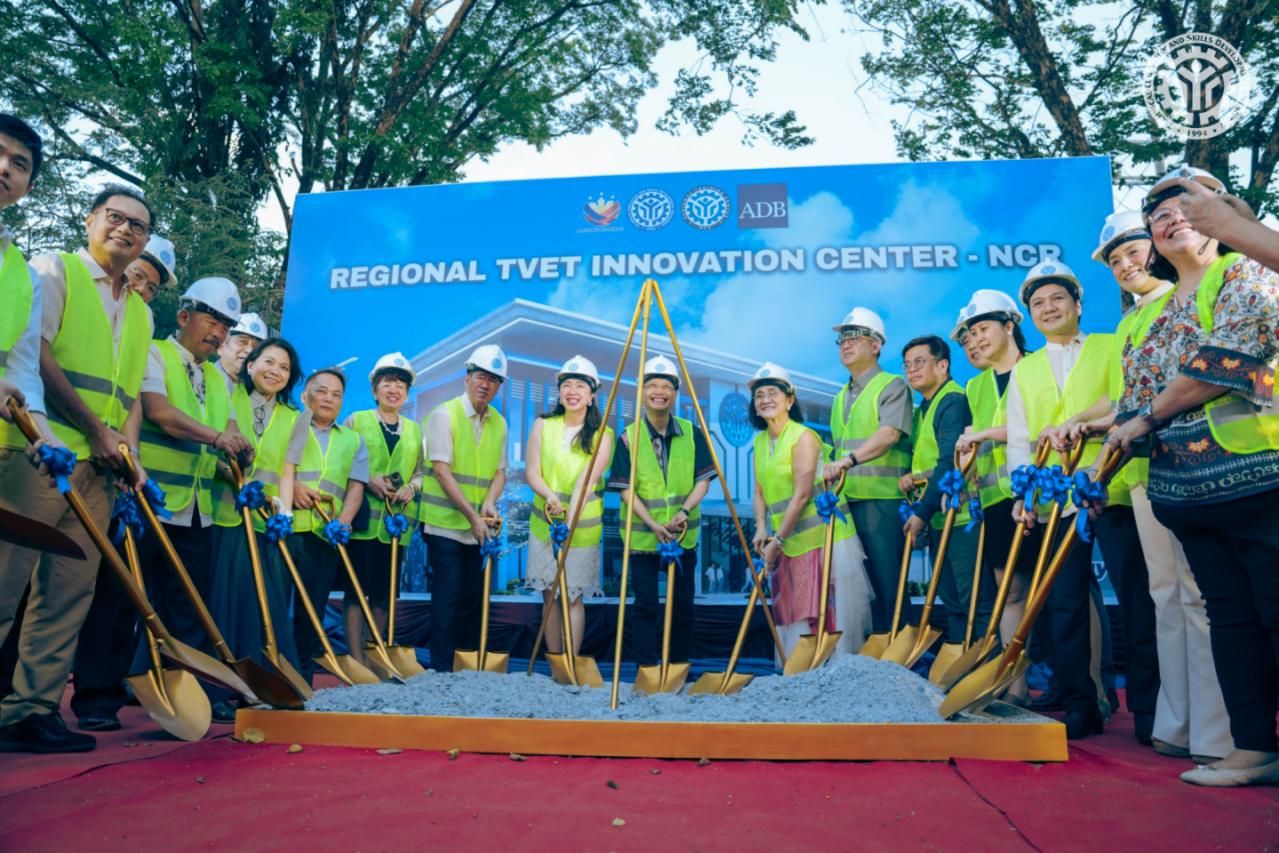
- TESDA Secretary Kiko Benitez led the groundbreaking of the Regional TVET Innovation Center – National Capital Region (RTIC-NCR) in Taguig City.
- The facility is expected to be completed by March 2027.
- It will provide training in automation, mechatronics, and smart technologies.
- The center will offer National Certificate Levels III, IV, and V, and diploma programs.
- The project is funded by the Asian Development Bank (ADB).
- It is implemented under the Strategic Industry Partnership Program in TVET System (SIPTVETS).
A New Hub for Advanced Skills Training
The Technical Education and Skills Development Authority (TESDA) officially launched the construction of a Regional TVET Innovation Center in Taguig City on Tuesday, aiming to equip Metro Manila's workforce with competencies demanded by emerging industries. The facility, located within the TESDA complex, is designed to serve as a central hub linking government agencies, industry partners, higher education institutions, and training providers. TESDA Secretary Kiko Benitez led the groundbreaking ceremony, emphasizing the need to strengthen training institutions and deepen industry partnerships through innovation-driven systems. “Through the RTIC-NCR, we are expanding opportunities for Filipinos to access advanced skills training that leads to better employment, higher productivity, and inclusive growth,” he said.
Timeline and Target Completion
The innovation center is slated for completion by March 2027. Once operational, it will provide accessible, high-quality training programs in fields such as automation, mechatronics, and smart technologies. The facility will also support higher-level qualifications, including National Certificate (NC) Levels III, IV, and V, as well as diploma programs tailored to industry demands. This timeline aligns with the government's broader push to future-proof the Filipino workforce, as articulated by President Ferdinand Marcos Jr., who has vowed to make jobs and skills training more accessible to Filipinos.
Funding and Implementation Partners
The project is implemented under the Strategic Industry Partnership Program in TVET System (SIPTVETS) and is funded by the Asian Development Bank (ADB). The ADB's involvement underscores the international dimension of the initiative, which seeks to align Philippine technical education with global standards. TESDA officials noted that the center will serve as a model for collaboration between the public and private sectors, fostering knowledge exchange and innovation.
Addressing the Skills Gap in Metro Manila
The RTIC-NCR is part of a broader strategy to address the skills mismatch in the National Capital Region, where rapid technological change has created demand for advanced technical skills. By offering free TESDA certification, the center aims to lower barriers for learners, workers, and jobseekers. Benitez highlighted the importance of keeping up with evolving job demand, stating that the innovation center reflects TESDA's commitment to “future-proofing Filipino talent.” The agency has also announced free skills certification for 260,000 senior high school graduates, further expanding access to training.
Broader Context: Government Push for Skills Development
The groundbreaking comes amid a series of government initiatives to enhance skills training and employment opportunities. President Marcos has launched a new merit-based scholarship program and emphasized the need to make jobs and training more accessible. The RTIC-NCR is a tangible step toward these goals, providing a dedicated space for advanced technical education. such facilities are critical for the Philippines to compete in a global economy increasingly driven by automation and smart technologies.
What Comes Next: Operational Plans and Impact
Upon completion, the RTIC-NCR is expected to become a central node for TVET in the region, linking various stakeholders to ensure training programs remain responsive to industry needs. TESDA will continue to develop curricula aligned with emerging fields, with the center serving as a testbed for new training methodologies. The long-term impact will depend on the center's ability to attract industry partners and adapt to changing labor market demands. If successful, it could serve as a blueprint for similar centers across the country.
The bottom line
- TESDA's new innovation center in Taguig will offer advanced training in automation, mechatronics, and smart technologies by March 2027.
- The facility is funded by the Asian Development Bank and implemented under the SIPTVETS program.
- It will provide free certification up to NC Level V and diploma programs, targeting Metro Manila's workforce.
- The project is part of a broader government push to make skills training more accessible and aligned with industry needs.
- Secretary Kiko Benitez emphasized the center's role in future-proofing Filipino talent and fostering inclusive growth.

Rockets' Defensive Adjustments Push Lakers to Brink of Historic Collapse
Lakers’ Offensive Collapse Gives Rockets Life as Series Heads to Houston for Game 6

Flower Moon and Blue Moon: May Offers Two Full Moons, Meteor Shower, and Venus Conjunction