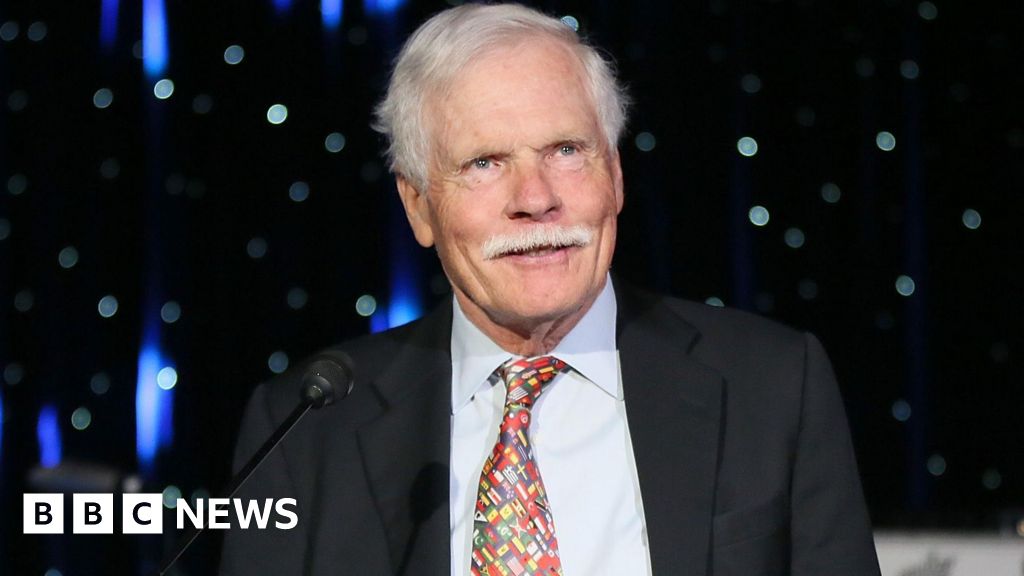
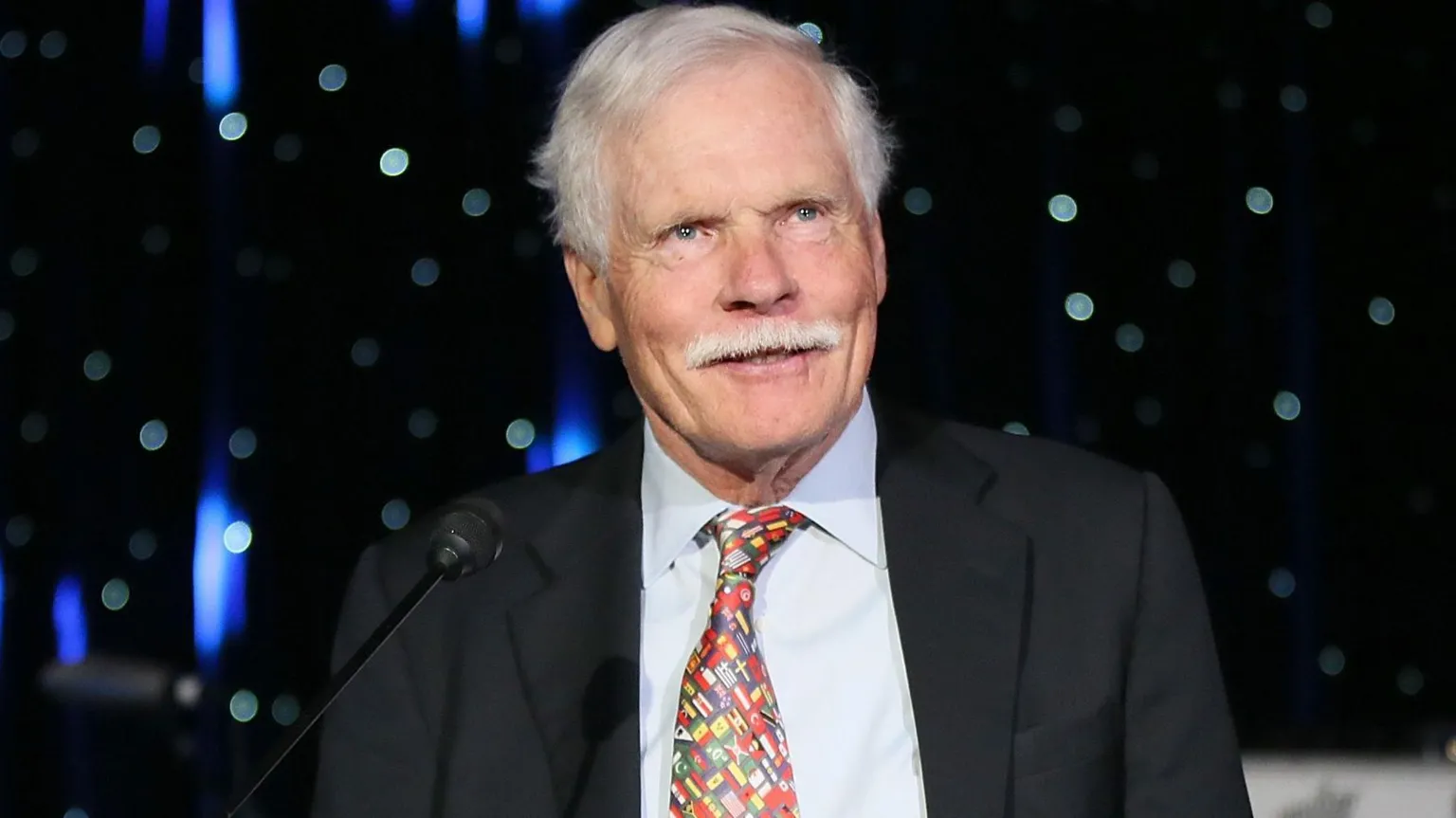
Ted Turner, Pioneer of 24-Hour News and Media Visionary, Dies at 87
The larger-than-life figure who launched CNN and reshaped broadcasting, philanthropy, and sports, has passed away.

PHILIPPINES —
Key facts
- Ted Turner died at the age of 87.
- He founded CNN in 1980, pioneering the 24-hour news cycle.
- Turner was named Time Magazine's Man of the Year in 1991.
- He donated $1 billion to create the United Nations Foundation.
- Turner disclosed his diagnosis of Lewy body dementia in September 2018.
- He owned the Atlanta Braves during their World Series victory.
- He was the largest single landowner in the U.S. for years.
A Life of Audacious Gambles and Lasting Impact
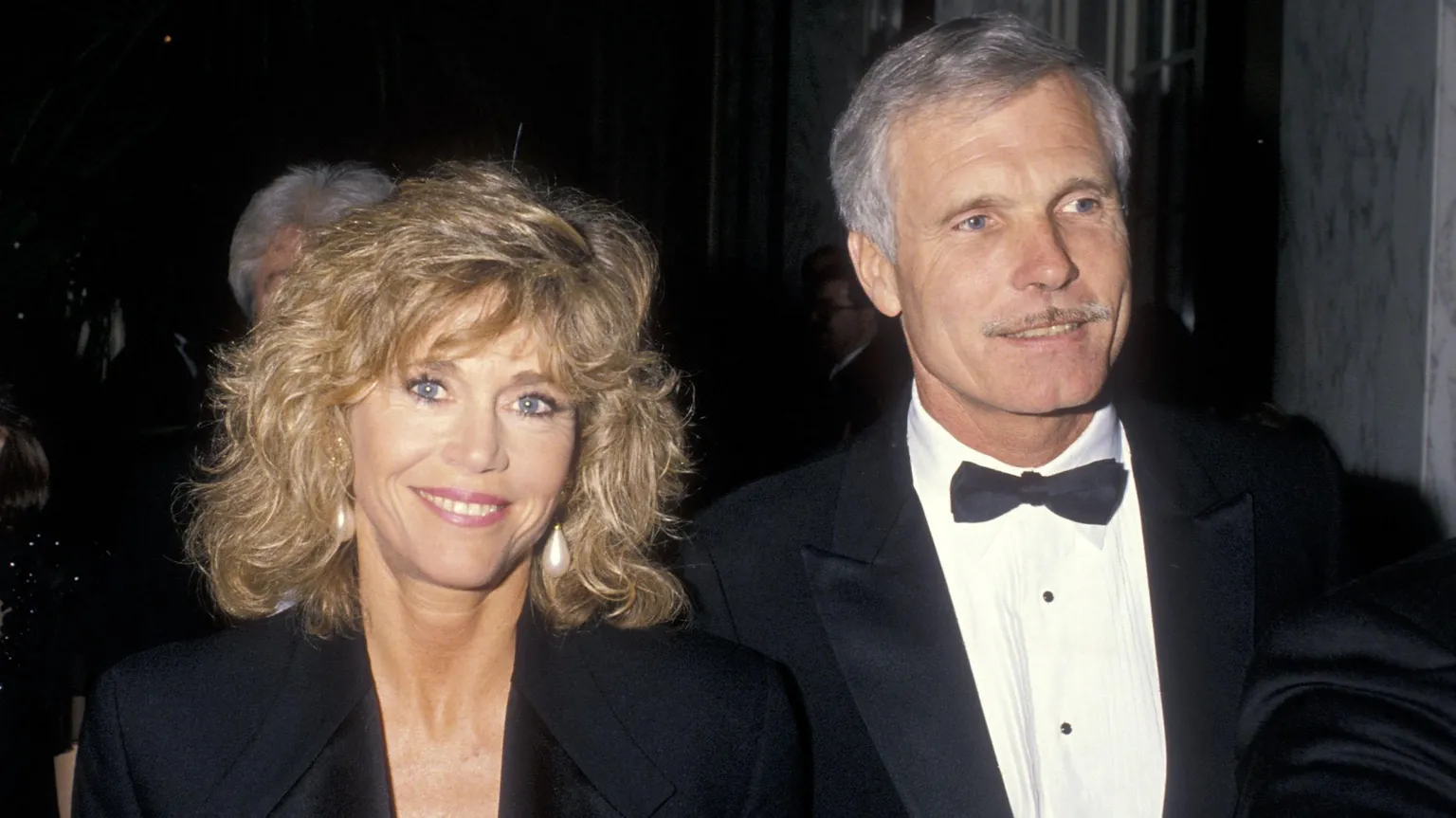
Ted Turner, the towering figure who redefined television news, sports broadcasting, and philanthropy, has died at the age of 87. His passing marks the end of an era for a man whose life was a testament to audacious gambles and visionary thinking. From launching the world's first 24-hour news network to championing environmental causes, Turner left an indelible mark on the late 20th century and beyond. Turner disclosed in September 2018 that he was battling Lewy body dementia, a progressive brain disorder affecting cognitive functions. Yet, even as he faced this personal challenge, his legacy as a media titan and a force for global change remained undiminished. He was a man who consistently pushed boundaries, often with a flair for the dramatic that mirrored his own larger-than-life persona. His influence extended across multiple domains, earning him the moniker "Time Magazine's Man of the Year" in 1991. Turner's career was characterized by a relentless drive to innovate, whether it was through the relentless pursuit of news or the strategic acquisition of sports franchises. His life story reads like a script, filled with dramatic turns and pivotal moments that shaped industries and public discourse.
The Birth of the 24-Hour News Cycle
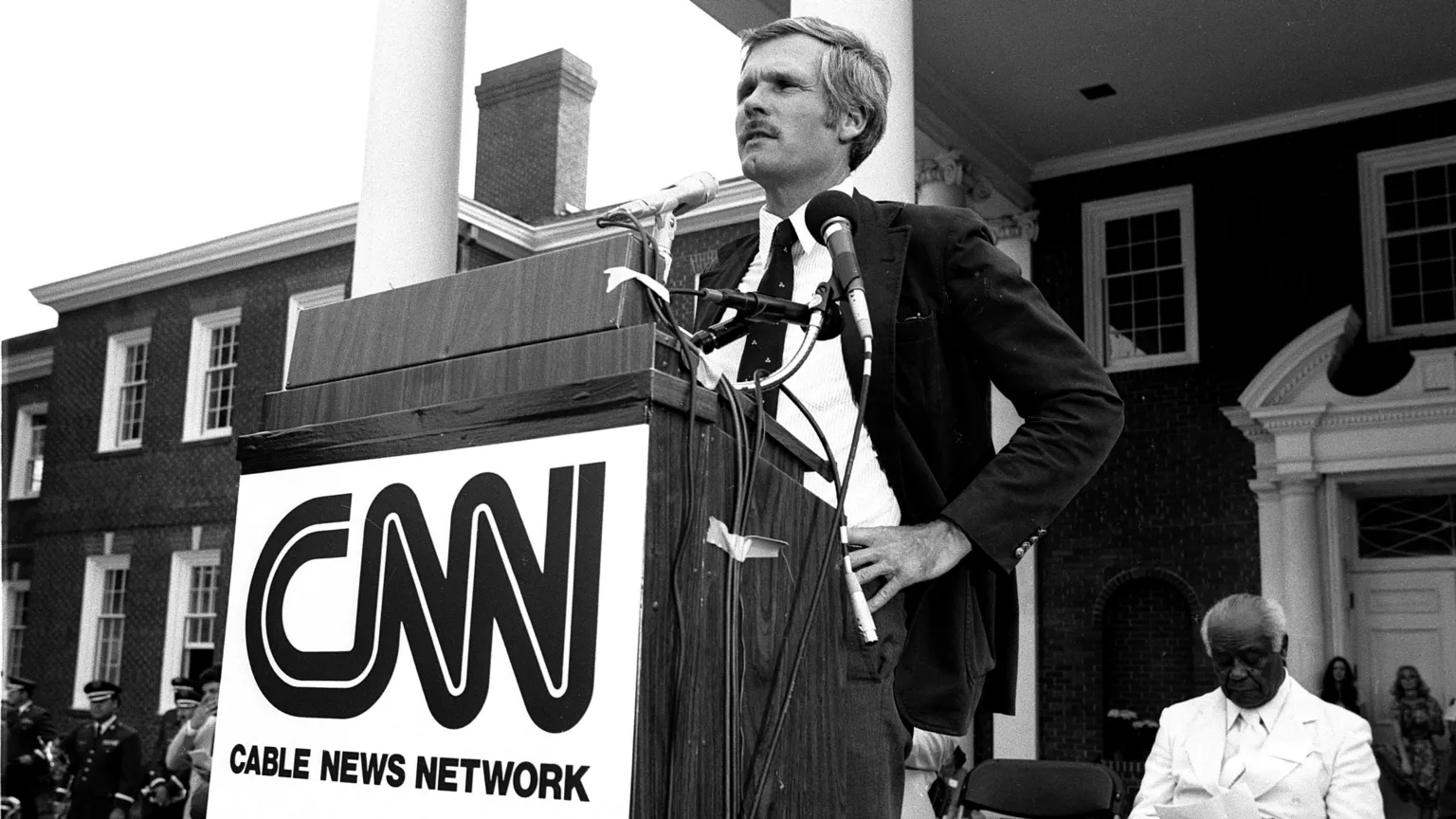
In 1980, Ted Turner fundamentally altered the media landscape by launching the Cable News Network (CNN). This groundbreaking venture established the concept of a dedicated rolling news channel, a format that would soon become indispensable to global audiences. Initially met with skepticism and derision, with critics mockingly dubbing it the "Chicken Noodle Network," CNN persevered. The network proved its mettle by delivering immediate coverage of critical events, including the 1981 assassination attempt on President Ronald Reagan and the 1986 Challenger space shuttle disaster. CNN's global reach and real-time reporting came into its own during the 1990-1991 Gulf War, providing unparalleled live coverage from the conflict zone. So impactful was CNN's reporting during the war that President George Bush famously remarked he learned more from the network than from the CIA. CNN's success spurred the creation of similar outlets, including Fox News, launched in 1996 by Turner's long-time rival, Rupert Murdoch. The network he built became a cornerstone of modern journalism, setting a standard for continuous news delivery that continues to influence media today.
A Sports Mogul and Philanthropic Trailblazer
Beyond news, Turner's impact resonated deeply within the world of sports. He was not merely an owner but a participant, famously winning the America's Cup. His ownership of the Atlanta Braves coincided with their World Series triumph, cementing his status as a formidable figure in professional sports. Turner also redefined the very notion of philanthropy. He was among the first prominent individuals to commit vast sums to charitable causes during his lifetime, rather than leaving them as bequests. His landmark donation of $1 billion established the United Nations Foundation, a testament to his commitment to global well-being. "Everybody could be doing more! I could be doing more!" he once declared to Variety, underscoring his passionate drive to improve the world. His philanthropic endeavors extended to environmental advocacy, with initiatives like "Captain Planet and the Planeteers," an animated series aimed at educating young audiences about ecological issues.
Financial Acumen and Subsequent Setbacks
Turner's career was marked by shrewd business decisions that often yielded immense financial rewards. When he sold his Turner Broadcasting System to Time Warner, his personal income surged by $1 billion within nine months. This financial success enabled his significant philanthropic gestures, including the substantial donation to the United Nations. However, Turner's fortunes also experienced dramatic reversals. The merger of Time Warner with AOL in 2000 proved disastrous, causing the company's stock to plummet. Within two years, Turner lost 80% of his wealth. He later admitted to voting in favor of the merger against his better judgment, a decision that ultimately led to further financial losses and his eventual ousting from the company. Despite these setbacks, Turner remained committed to his principles and continued his activism. He dedicated himself to fighting against nuclear weapons, climate change, and overpopulation, issues that remained central to his worldview.
A Legacy Rooted in Entrepreneurship and Vision
Turner's entrepreneurial journey began with the family's billboard company, which he took over after his father's death. He then acquired a radio station in Atlanta, Georgia, which rapidly grew into the foundation of the Turner Broadcasting System. This early success laid the groundwork for his later media empire. His personal philosophy, often humorously summarized as "Early to bed, early to rise, work like hell and advertise," guided his relentless pursuit of success. His father’s advice to set impossibly high goals – "Be sure to set your goals so high that you can’t possibly accomplish them in one lifetime. That way you’ll always have something ahead of you" – clearly resonated, shaping a life of continuous ambition. In his later years, Turner channeled his passion for sustainability into Ted's Montana Grill, a chain of eco-friendly restaurants. He also became one of the largest landowners in the United States, managing vast ranches, including a significant property near Bozeman, Montana, where he spent much of his final years.
Tributes from Across the Spectrum
News of Ted Turner's death drew immediate tributes from prominent figures, reflecting his broad influence. U.S. President Donald Trump remembered him as "one of the greats of broadcast history, and a friend of mine," adding, "Whenever I needed him, he was there, always willing to fight for a good cause!" This sentiment was echoed by current CNN CEO and chairman Mark Thompson. Thompson described Turner as "the giant on whose shoulders we stand," acknowledging his foundational role in the network's existence. "Ted was an intensely involved and committed leader, intrepid, fearless and always willing to back a hunch and trust his own judgement," Thompson stated, emphasizing Turner's decisive leadership style. He concluded by affirming, "He was and always will be the presiding spirit of CNN." These tributes highlight Turner's complex legacy – a figure who, despite his sometimes contentious business dealings and outspoken nature, commanded respect for his pioneering spirit and dedication to his convictions.
The bottom line
- Ted Turner, a pivotal figure in media and philanthropy, has died at 87.
- He revolutionized television by creating CNN, the first 24-hour news network.
- Turner was a significant philanthropist, donating $1 billion to establish the United Nations Foundation.
- His ventures included sports ownership, with the Atlanta Braves winning the World Series under his stewardship.
- He battled Lewy body dementia, a condition he disclosed in 2018.
- Turner's life was characterized by bold business strategies and a commitment to environmental and social causes.

12 Lotto Jackpot Winners in Philippines on May 5, 2026; 10 Share ₱76.31 Million Ultra Lotto 6/58 Prize

Philippine House panel approves impeachment articles against Vice President Sara Duterte

The case of Scottie Barnes
