US State Department Cautions Travelers to Bolivia
Updated advisory highlights risks from petty crime, demonstrations, and narcotrafficking, with a 'do not travel' warning for one province.
PHILIPPINES —
Key facts
- US State Department updated Bolivia travel advisory on April 28.
- Advisory urges Americans to 'exercise increased caution' in Bolivia.
- Petty crime is common, especially in tourist areas.
- Large demonstrations can occur with little warning, blocking transportation.
- Tourists are urged not to travel to the province of Chapare for any reason.
- Chapare Province has a higher prevalence of violent crime linked to narcotrafficking.
- US government employees require special authorization for Chapare.
Bolivia Travel Advisory Heightened
The U.S. State Department has issued a revised travel advisory for Bolivia, urging American citizens to exercise heightened caution. The update, effective April 28, maintains Bolivia's Level 2 status but introduces specific new warnings concerning prevalent petty crime, the potential for disruptive political demonstrations, and the significant dangers associated with narcotrafficking activities. This advisory comes at a time when rising travel costs may be influencing Americans to seek out less conventional destinations. The State Department's guidance aims to inform potential visitors about the specific risks they might encounter in this South American nation, known for its diverse landscapes ranging from the Andes to jungles and salt flats. Officials are emphasizing the need for travelers to remain vigilant. "Stay aware of your surroundings" is a key piece of advice, reflecting concerns about opportunistic theft and other criminal activities that can affect tourists, particularly in well-frequented locations.
Demonstrations Pose Transportation Risks
The advisory specifically calls out the potential for sudden and impactful demonstrations related to Bolivia's internal political and economic affairs. These gatherings can materialize with minimal prior notice, leading to significant disruptions. Such demonstrations have the capacity to block essential transportation routes and other vital services, potentially stranding travelers or impeding their movement within the country. This underscores the unpredictable nature of public gatherings and their direct impact on logistical planning for visitors. Even U.S. government personnel in El Alto, the nation's second-largest city, are being advised to pay particular attention to their immediate environment due to the noted prevalence of petty crime.
Chapare Province: 'Do Not Travel' Zone
A stark warning has been issued regarding the province of Chapare, located in Bolivia. The State Department explicitly advises American citizens against traveling to this region "for any reason." This stringent recommendation stems from the province's status as a major hub for illegal coca production. The advisory highlights that the local police presence in Chapare is limited, creating an environment where violent crime associated with the narcotrafficking trade is more prevalent. Reflecting the seriousness of the situation, U.S. government employees are required to obtain "special authorization" before they can undertake any travel to Chapare Province, indicating a significant level of risk deemed unacceptable for routine visits.
Bolivia's Tourist Appeal Amidst Warnings
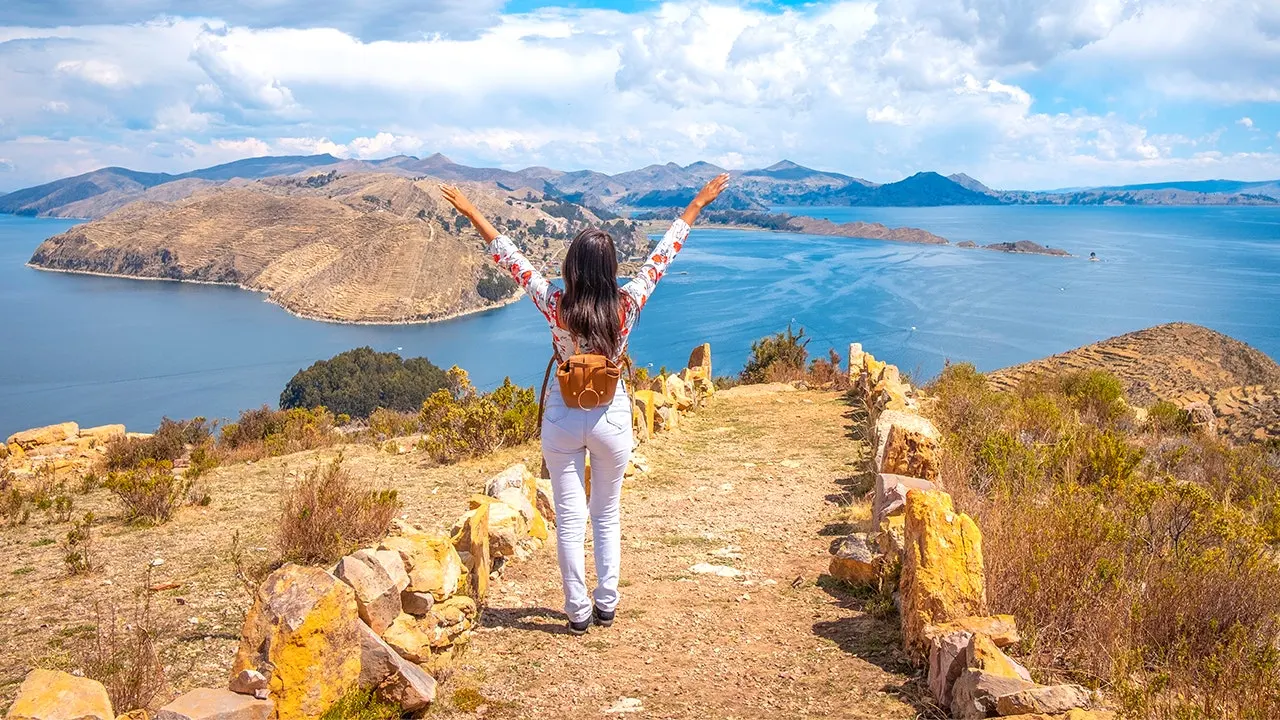
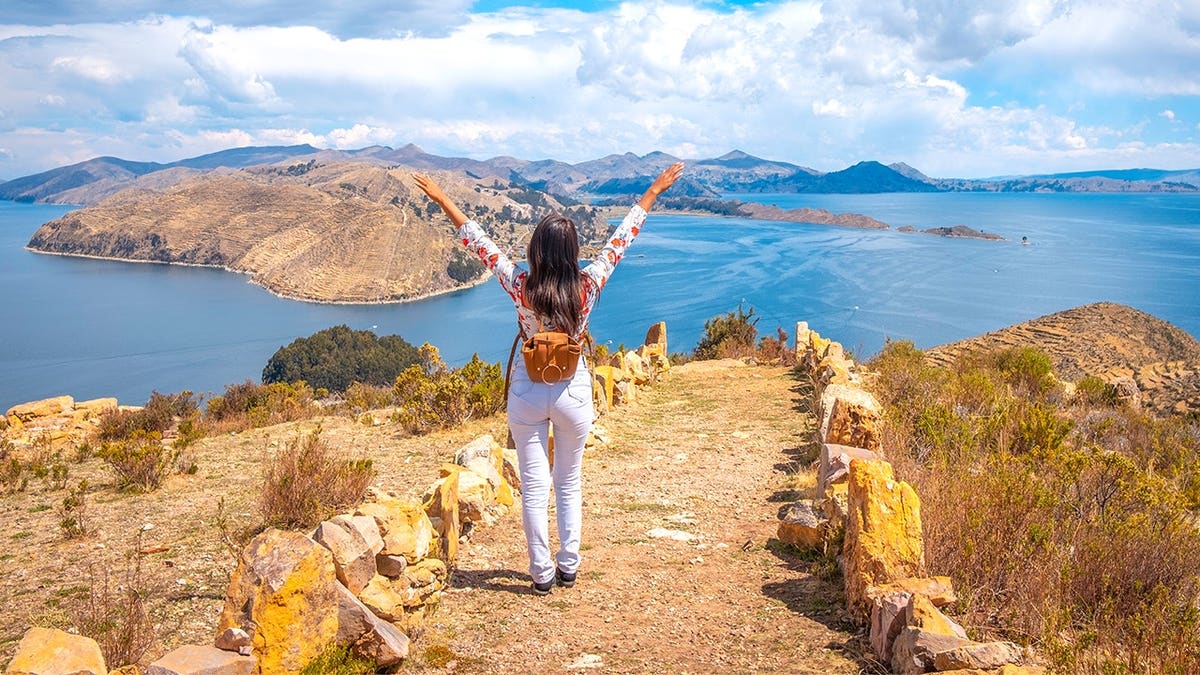
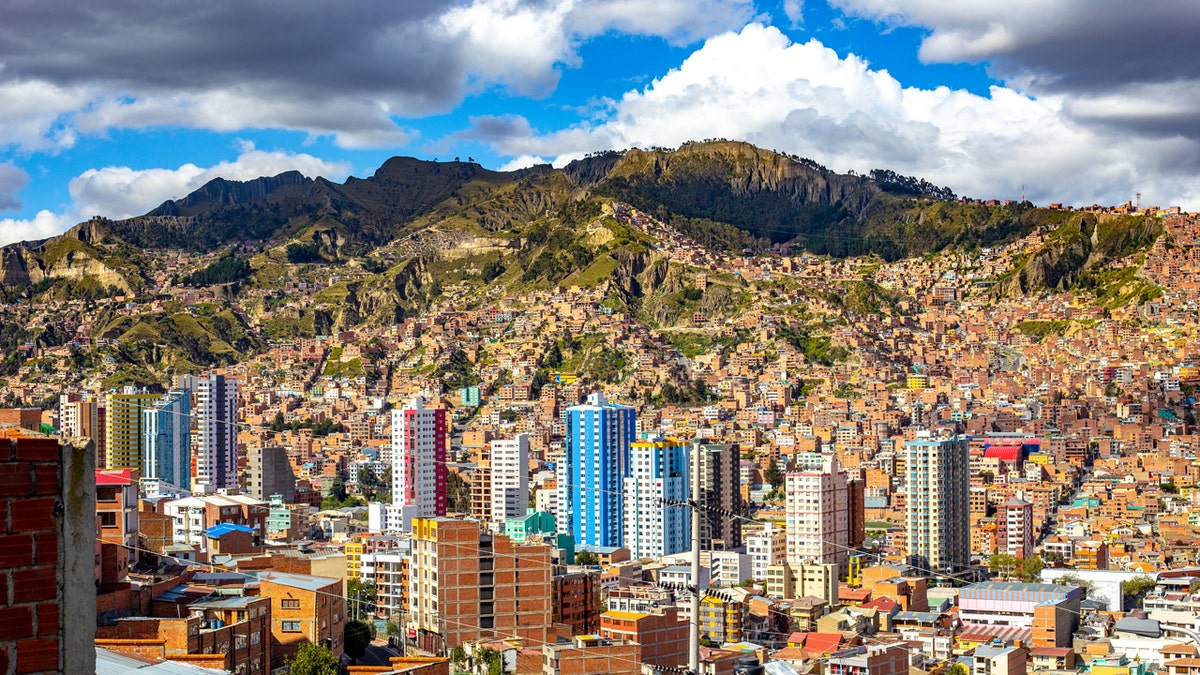
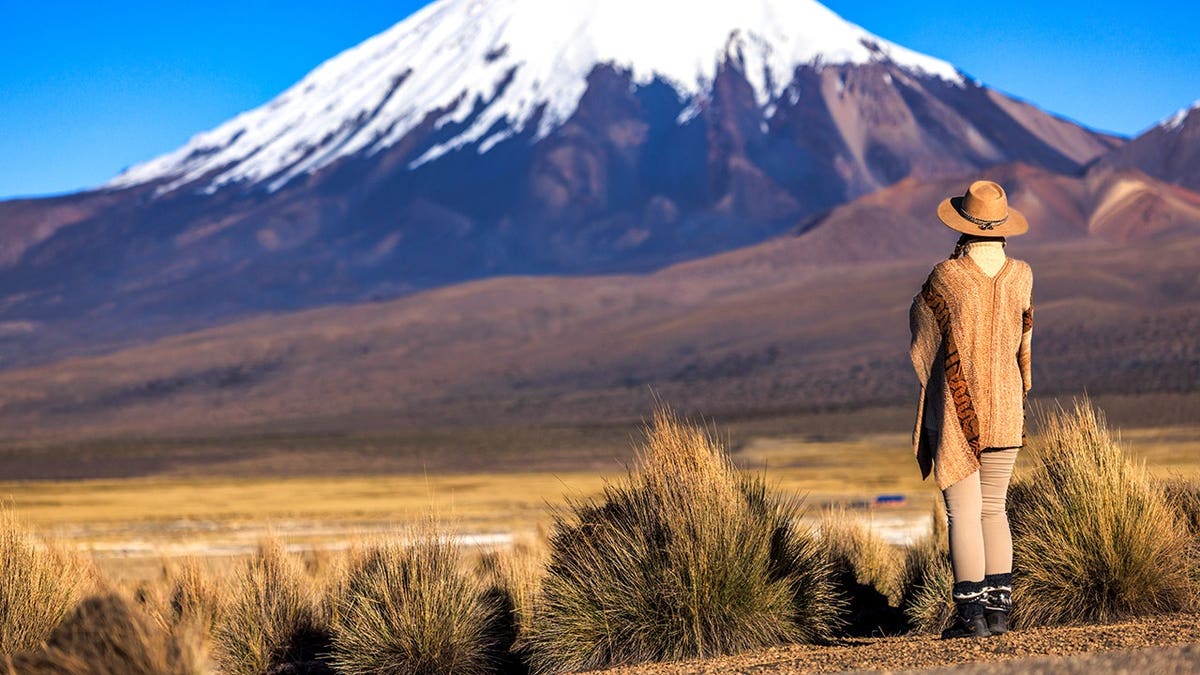
Despite the cautionary tone of the updated advisory, Bolivia remains a destination that attracts international visitors. The country's unique geography includes the dramatic Andean mountain ranges, vast salt flats like Salar de Uyuni, and lush jungle territories. Popular sites such as the administrative capital, La Paz, and the iconic Lake Titicaca, which straddles the border with Peru, continue to draw tourists seeking cultural and natural experiences. These areas, however, are also cited as places where petty crime is common. The State Department's updated guidance aims to balance the country's appeal with a clear-eyed assessment of the security challenges that travelers may face, particularly in specific regions and circumstances.
The bottom line
- Americans are advised to exercise increased caution when traveling to Bolivia.
- Petty crime is a common concern, especially in tourist-heavy areas.
- Political demonstrations can cause unexpected and significant disruptions.
- Travel to Chapare Province is strongly discouraged due to narcotrafficking and violent crime.
- The U.S. State Department updated its travel advisory for Bolivia on April 28.


Pasig City Wins $1 Million for Floating Parks Initiative

Alex Eala Advances in Italian Open After Upset of Wang Xinyu

Toyota Profit Plummets Amid Tariffs and Rising Costs