Hantavirus Confirmed on Atlantic Cruise Ship After Three Deaths, WHO Investigates
A Dutch couple and a German national died, a British passenger is in intensive care, and two crew members await evacuation as the MV Hondius remains anchored off Cape Verde.
PAKISTAN —
Key facts
- Three people died: a Dutch husband and wife and a German passenger.
- Hantavirus confirmed in the Dutch woman and a 69-year-old British national hospitalized in Johannesburg.
- Two crew members (one British, one Dutch) with unconfirmed cases and a close contact of the German national await evacuation.
- The MV Hondius carries 149 people from 23 countries, anchored near Cape Verde since May 4, 2026.
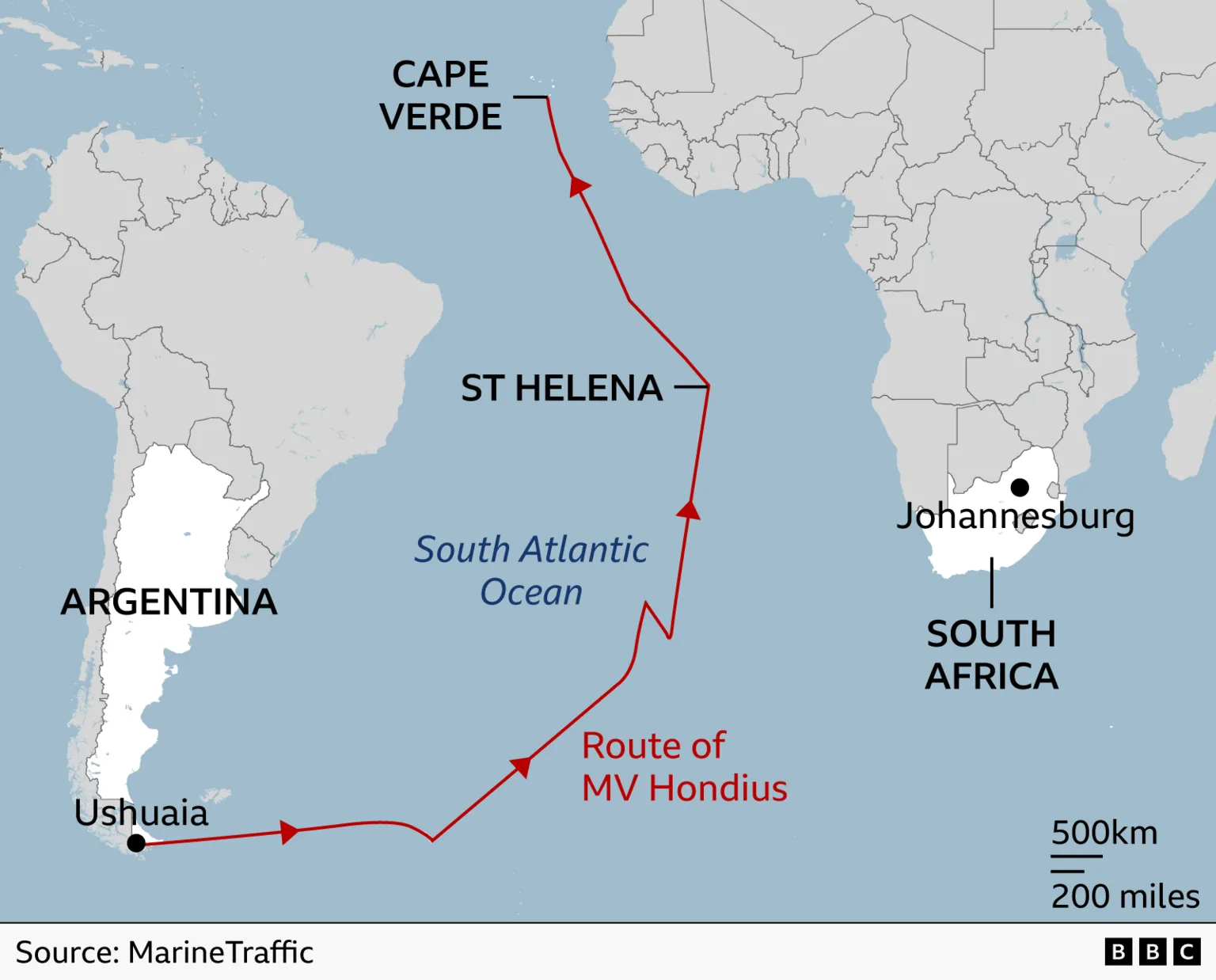
- Local authorities barred disembarkation on safety grounds; the ship traveled over 6,000 miles from Argentina.
- WHO is in talks with Spanish authorities for a risk assessment in the Canary Islands (Las Palmas or Tenerife).
A Deadly Voyage Across the Atlantic
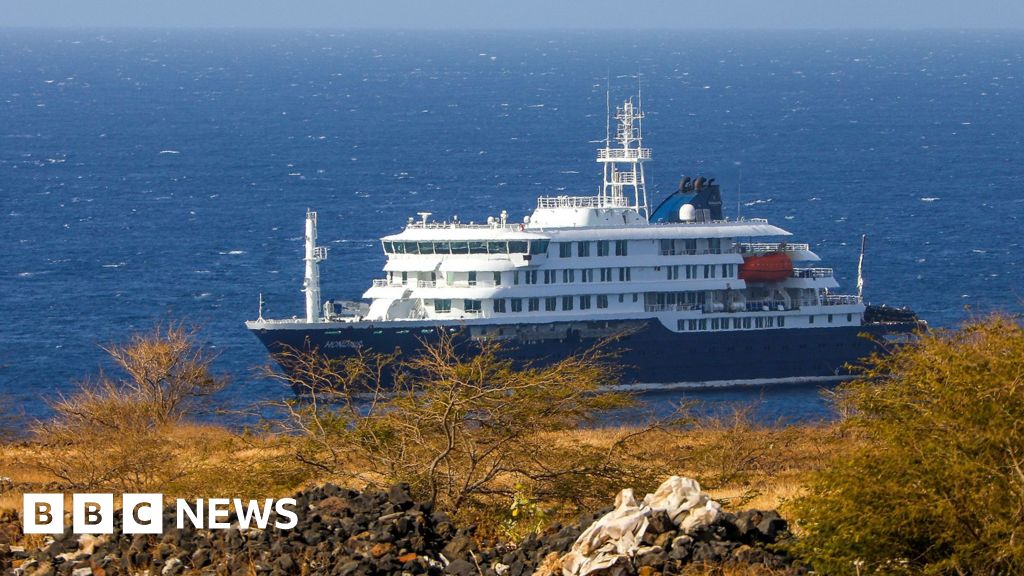
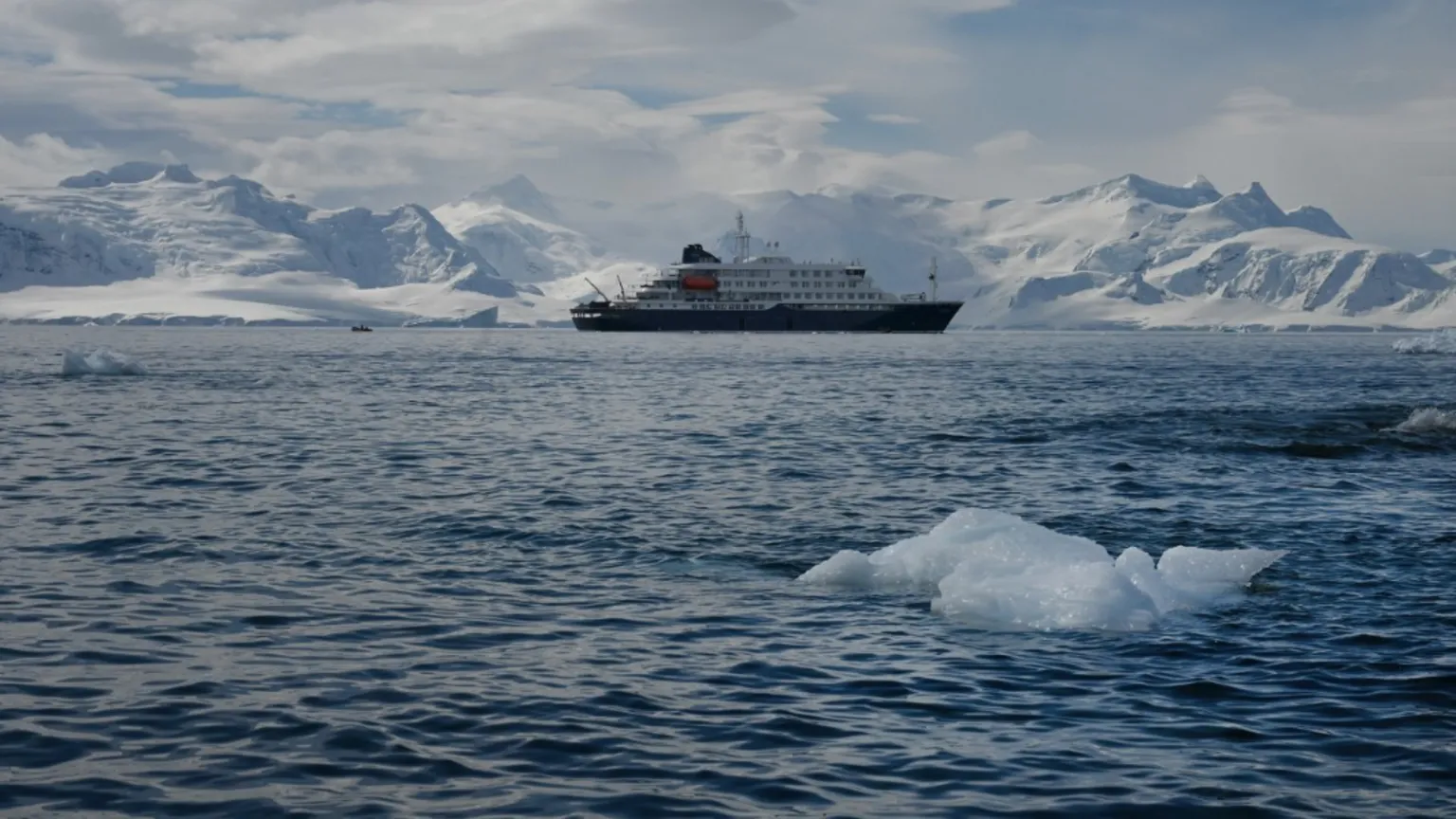
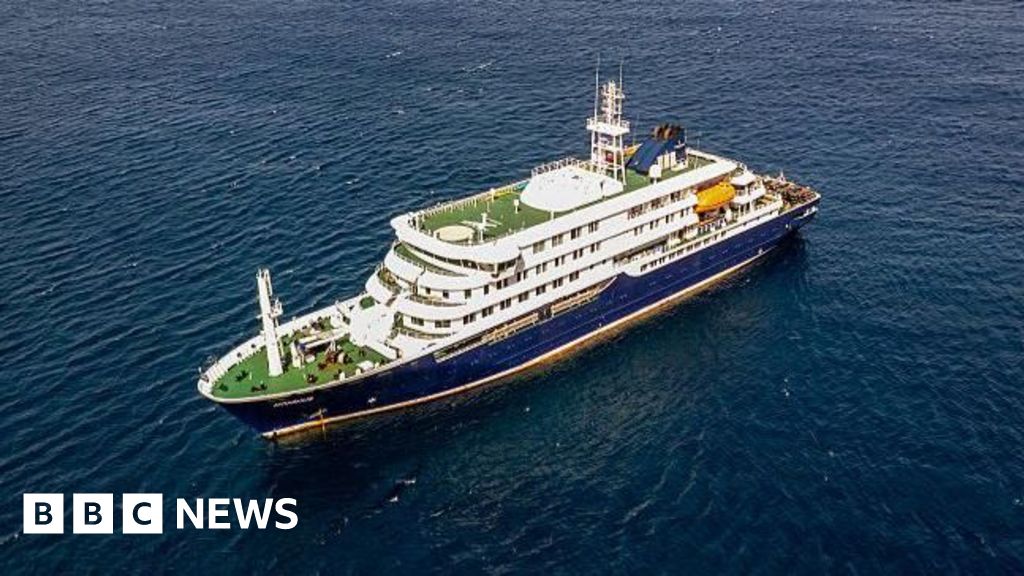
A suspected hantavirus outbreak aboard the MV Hondius, a cruise ship operated by Oceanwide Expeditions, has claimed three lives and left several others seriously ill, prompting a complex international response as the vessel remains stranded off the coast of Cape Verde. The ship, which set sail from Argentina about a month ago and has traveled more than 6,000 miles, is now anchored near Praia, Cape Verde, after local authorities refused to allow passengers to disembark due to health concerns. Among the deceased are a Dutch husband and wife and a German national. The Dutch woman tested positive for hantavirus; her husband died at sea last month, and she later passed away after being flown to a hospital in Johannesburg. The cause of death for the German passenger is still under investigation. A 69-year-old British national, who also tested positive, was evacuated to a hospital in South Africa and remains in intensive care.
Confirmation of a Rare Pathogen
Hantavirus, a rodent-borne illness typically spread through contact with rodent feces, saliva, or urine, has been confirmed in two cases: the Dutch woman and the British passenger. The virus can cause hantavirus pulmonary syndrome, a severe respiratory disease. Unlike norovirus or COVID-19, hantavirus is rarely transmitted between humans, making this outbreak unusual. Two crew members—one British and one Dutch—with unconfirmed cases, along with a close contact of the German national, are scheduled for evacuation. The World Health Organization (WHO) is conducting detailed investigations, including further laboratory testing, to determine the full scope of the outbreak.
International Coordination and Quarantine Measures
The MV Hondius currently holds 149 people from 23 countries, all under strict precautionary measures including isolation and hygiene protocols.o dock in Cape Verde on Tuesday, but local authorities barred disembarkation on safety grounds, leaving passengers and crew in limbo. The WHO's director of epidemic and pandemic preparedness, Dr. Maria van Kerkhove, stated that the organization is in talks with Spanish authorities about continuing the ship's journey to the Canary Islands. The plan involves a "proper risk assessment" with all passengers remaining on board. Oceanwide Expeditions confirmed that sailing to Las Palmas or Tenerife is being considered as a "gateway for disembarkation, where further medical screening and handling could take place."
Cruise Ships as Hotbeds for Disease Outbreaks
Disease outbreaks on cruise ships are not uncommon, with gastrointestinal and respiratory illnesses occurring periodically due to close quarters and prolonged voyages. According to the U.S. Centers for Disease Control and Prevention, there were 23 gastrointestinal outbreaks on cruise ships that called at U.S. ports last year, 18 of which were caused by norovirus. However, hantavirus is not typically associated with cruise ships, and its emergence in this context is alarming. Paul Hunter, a professor of medicine at the University of East Anglia and an expert in infectious disease epidemiology, noted that hantavirus can be spread through contaminated aerosol vapor, but it is not easily transmitted between people. Studies indicate hantaviruses have existed for centuries, with outbreaks documented in Asia and Europe, but a previously unknown group emerged in the southwestern United States in the early 1990s, causing hantavirus pulmonary syndrome.
Unanswered Questions and the Path Forward
The investigation into the outbreak is ongoing, with the WHO and local health authorities working to determine the source of the virus and prevent further spread. Key questions remain: How did the virus, typically rodent-borne, infect passengers on a ship at sea? Could this be a rare case of human-to-human transmission, as some reports suggest? The ship's operator and health officials are racing to provide answers while ensuring the safety of those still aboard. As the MV Hondius awaits permission to dock in the Canary Islands, the incident serves as a stark reminder of the vulnerabilities inherent in confined environments like cruise ships. The coming days will be critical in determining whether the outbreak is contained and what lessons can be learned to prevent similar events in the future.
The bottom line
- Three people died and one is in intensive care after a suspected hantavirus outbreak on the MV Hondius cruise ship in the Atlantic Ocean.
- Hantavirus, a rare rodent-borne illness, has been confirmed in two cases; human-to-human transmission is uncommon but suspected in this outbreak.
- The ship, carrying 149 people from 23 countries, is anchored off Cape Verde after local authorities denied disembarkation.
- WHO is coordinating with Spanish authorities to allow the ship to dock in the Canary Islands for a risk assessment.
- Cruise ships are prone to disease outbreaks due to close quarters, but hantavirus is not typical; the incident highlights emerging infectious disease risks.
- Investigations are ongoing to determine the source of the virus and whether further cases will emerge.


Three dead in suspected hantavirus outbreak on Atlantic cruise ship
Three Dead in Suspected Hantavirus Outbreak on MV Hondius Cruise Ship

Ving Rhames Hospitalized After Collapsing at North Hollywood Restaurant, Now 'Heading Home'