Fuel Price in Pakistan: what's happening and what it means
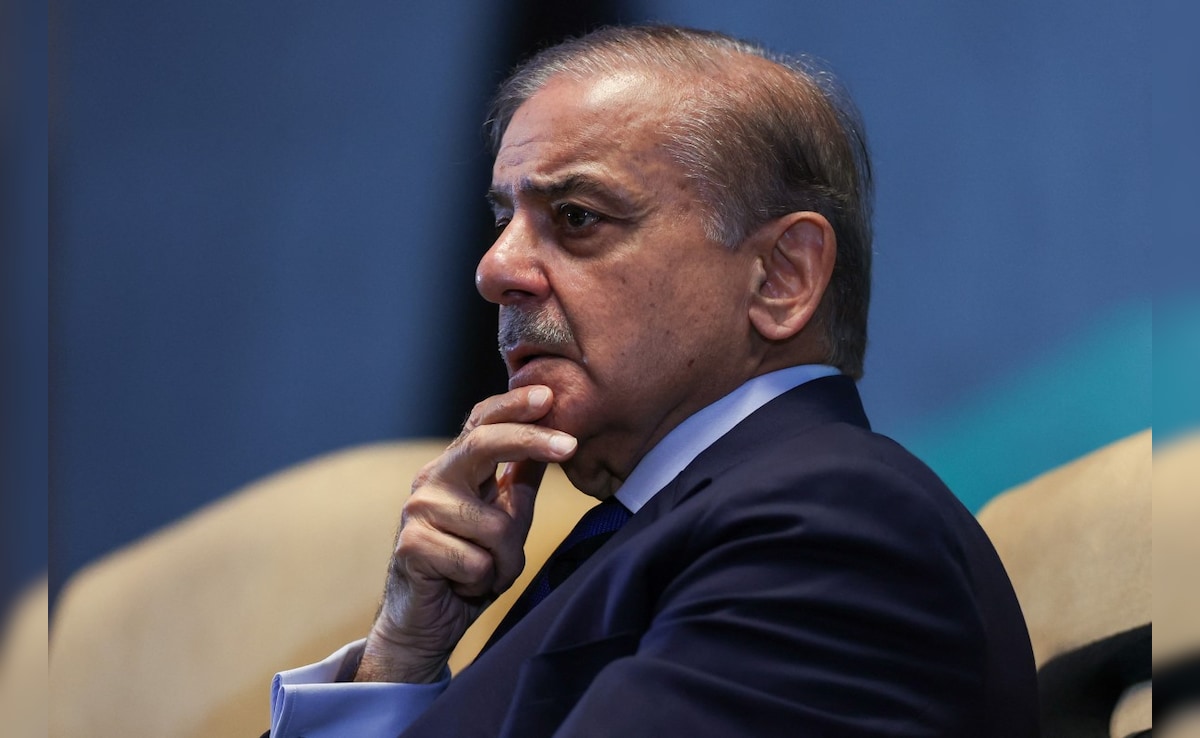
The most serious fuel price shock to hit Pakistan in more than half a century threatens to unleash a flood of cascading crises that could batter all aspects of the economy and undermine the government of Prime Minister Shehbaz Sharif.

PAKISTAN —
The most serious fuel price shock to hit Pakistan in more than half a century threatens to unleash a flood of cascading crises that could batter all aspects of the economy and undermine the government of Prime Minister Shehbaz Sharif. Fuel Price in Pakistan has emerged this Friday as one of the stories drawing attention in Pakistan.
Key facts
- The most serious fuel price shock to hit Pakistan in more than half a century threatens to unleash a flood of cascading crises that could batter all aspects of the economy and undermine the government of Prime Minister Shehbaz Sharif.
- Fuel import costs are soaring in Pakistan, creating cascading crises that threaten to weaken the economy and undermine the government.
- Pakistan's oil import bill had surged from $300 million before the conflict to $800 million, the prime minister said.
- Soaring fuel costs have a global impact, but Pakistan is particularly vulnerable.
- Fuel prices feed directly into inflation – diesel powers trucks, buses, tractors, generators and parts of the food supply chain, while petrol affects commuting and consumer transport.
What we know
Going deeper, Fuel import costs are soaring in Pakistan, creating cascading crises that threaten to weaken the economy and undermine the government.
On the substance, Pakistan's oil import bill had surged from $300 million before the conflict to $800 million, the prime minister said.
Beyond the headlines, Soaring fuel costs have a global impact, but Pakistan is particularly vulnerable.
More precisely, Fuel prices feed directly into inflation – diesel powers trucks, buses, tractors, generators and parts of the food supply chain, while petrol affects commuting and consumer transport.
It is worth noting that the government is caught between two bad options, say analysts – pass on global oil prices to consumers and face public anger, or subsidise fuel and blow a hole in the budget.
By the numbers
At this stage, Earlier this week, Sharif said Pakistan’s oil import bill had surged from $300 million before the conflict to $800 million now, which he said erased all the economic progress the country had made over the past two years.
On a related note, list 1 of 3Iranian FM Araghchi to visit Pakistan, as talks with US set to resume.
Going deeper, list 2 of 3Oil prices rise despite Iran’s proposal to reopen Strait of Hormuz.
On the substance, the State Bank of Pakistan raised its key policy rate by a full percentage point to 11.5 percent.
What they're saying
“We are in a state of absolute dependency, where even a $1bn tranche, which is a microscopic amount in global fiscal terms, can make the difference between survival and collapse,” said economist Kaiser Bengali, former adviser for planning and development to the Sindh chief minister.
“The current government’s penchant for ‘austerity theatre’ – selling off official cars or symbolic goats and horses – is a joke that has been played out for 40 years,” he said. “It does nothing to impact the oil market.”
“The government’s flawed policies have imposed an economic war on the people,” said Aslam Ghauri of the JUI-F party.
The wider context
On a related note, Shehbaz said Pakistan's oil import bill had surged from $300 million before the conflict to $800 million.
Going deeper, Speaking during a Cabinet meeting here, Shehbaz said Pakistan's oil import bill had surged from $300 million before the conflict to $800 million, placing additional pressure on the economy.
On the substance, the Iranian minister made two brief visits to Pakistan within 48 hours over the weekend, meeting with Field Marshal Munir and PM Shehbaz to discuss the regional situation.
Beyond the headlines, Analysts say the knock-on effects will be increasingly severe, impacting everything from agriculture and transport to the price of food and basic goods, worsening the plight of families already facing a cost-of-living crisis.
More precisely, In particular, the global energy prices, freight charges and insurance premiums continue to remain significantly above pre-conflict levels.
The bottom line
- The government is caught between two bad options, say analysts – pass on global oil prices to consumers and face public anger, or subsidise fuel and blow a hole in the budget.
- The State Bank of Pakistan raised its key policy rate by a full percentage point to 11.5 percent.
- The Iranian minister made two brief visits to Pakistan within 48 hours over the weekend, meeting with Field Marshal Munir and PM Shehbaz to discuss the regional situation.
- Searches spiking right now: Soaring fuel prices in Pakistan threaten economic and political crises, Govt hikes petrol price by Rs6, diesel by Rs19, Global Oil at $126: Will Petrol Hit Rs. 440 on May 1?, Petrol price in Pakistan — May 1, 2026.


Hyderabad Kingsmen vs Islamabad United: جو آپ کو جاننا چاہیے
Hyderabad Kingsmen vs Islamabad United Match Scorecard: جو آپ کو جاننا چاہیے

Akif Javed: what's happening and what it means