Nvidia's Latest High Signals Potential Bull Trap as Divergences Mount
Technical analysis reveals a troubling pattern: while the broader semiconductor sector surges to new highs, Nvidia lags behind, echoing pre-correction signals from the past.
PAKISTAN —
Key facts
- Nvidia is up over 1700% from the October 2022 low.
- The Broad-Based Semiconductor ETF (SMH) has gained over 470% since the 2022 low.
- SMH sits more than 30% above its late-October 2025 top.
- Nvidia is still 1% below that same late-October 2025 level.
- GPU-based AI servers will account for 69.7% of shipments in 2026, per TrendForce.
- ASIC-based servers are projected to rise to 27.8% of shipments by 2026.
- one-quarter delay.
A Bull Trap in the Making?
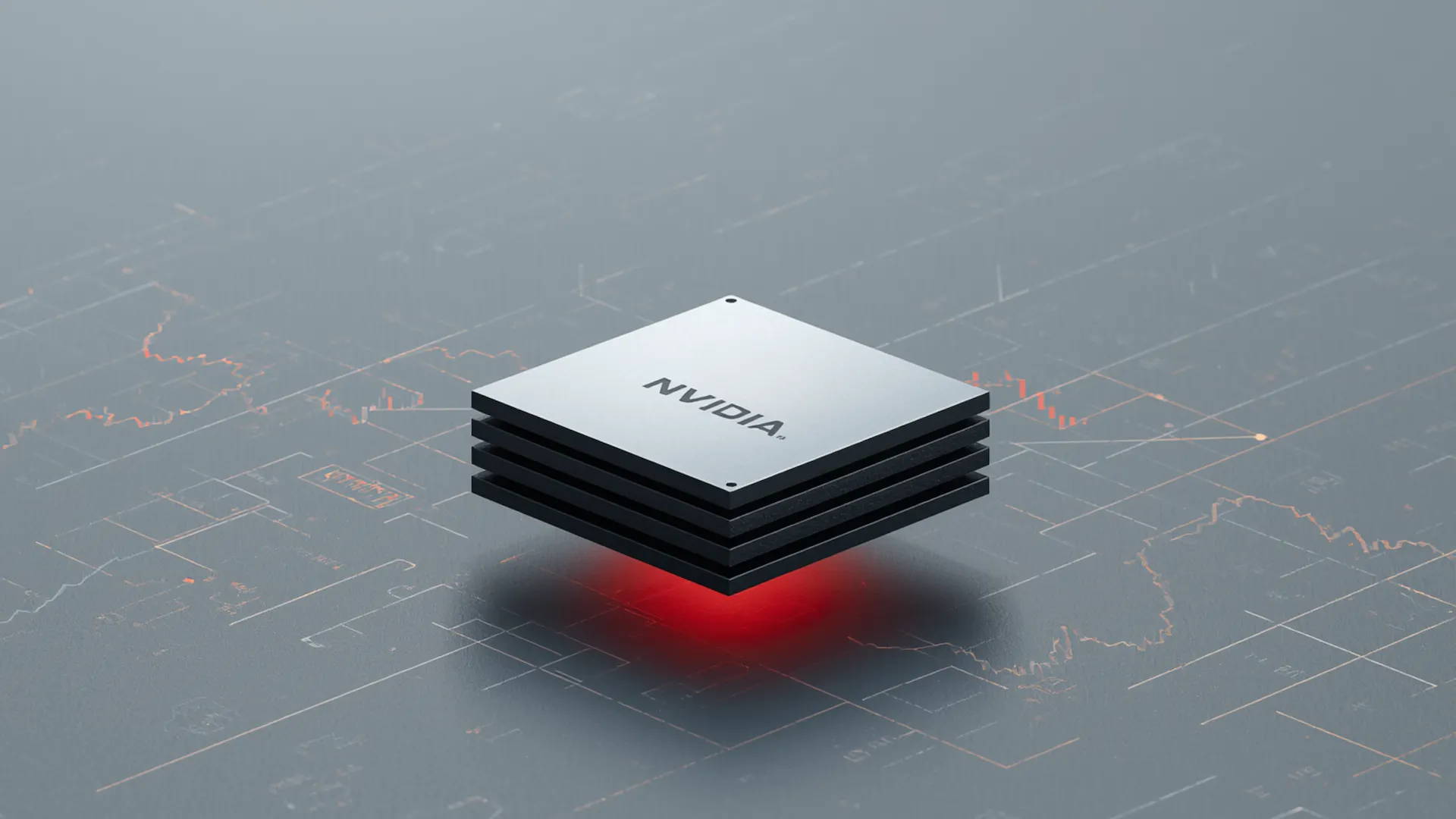
Nvidia’s latest all-time high may be a trap for unwary investors. The stock, which has soared more than 1700% from its October 2022 low, is now showing signs of exhaustion. Technical analysis suggests that the recent breakout could be a false signal, luring buyers into a position just before a correction. The warning comes from a divergence between Nvidia and the broader semiconductor sector. While the SMH semiconductor ETF has pushed more than 30% above its late-October 2025 peak, Nvidia remains 1% below that same level. Historically, such divergences have preceded notable sector downturns.
The Divergence Pattern That Spells Trouble
Since Nvidia’s watershed earnings report in May 2023, which ignited the AI trade, a clear pattern has emerged. Every time the SMH has made a new high without Nvidia confirming, it has signaled that the prevailing trend is running on fumes. The current setup mirrors those past instances, raising the risk of a reversal. This divergence is not limited to Nvidia. The broader market shows similar cracks: the NASDAQ-100 and S&P 500 are at new highs, but other major sectors and supporting markets are failing to confirm the move. When every major index and sector breaks out together, it signals a powerful, sustainable trend. The current lack of broad confirmation suggests the rally may be on shaky ground.
Fundamental Pressures on Nvidia's Dominance
The technical warnings are reinforced by fundamental shifts in the AI landscape. The trend is moving from training to inference, a phase that pressures Nvidia’s pristine positioning. GPU-based AI servers will account for 69.7% of shipments in 2026, while ASIC-based servers rise to 27.8%. This growing share of custom chips erodes Nvidia’s hardware moat. Compounding this, Nvidia’s next-generation Rubin platform is reportedly delayed by one quarter. The timing could not be worse: the hardware advantage that justified premium pricing and 70% gross margins is becoming less absolute. As the moat narrows, the case for Nvidia’s valuation weakens.
A Strategic Pivot by Informed Investors
In response to these signals, some investors are already reducing exposure. detailed a significant trimming of Nvidia positions, a stock that had been a top-three holding since 2021. The rationale cited the shifting AI landscape and the technical divergences as reasons to de-risk. This move reflects a broader caution. The current bull cycle, which began in October 2022, has been defined by AI hardware buildout concentrated in semiconductors. The SMH has gained over 470% from the low, while the NASDAQ-100 has risen roughly 150%. Nvidia’s 1700% gain has been the standout, but its outsized influence means its performance relative to the market is a reliable tell for coming weakness.
What Comes Next: Correction Within a Larger Uptrend
The emerging top is likely to be a correction within a much larger uptrend, not the end of the bull market. However, the scale of potential drawdown exposes investors to a level of risk not seen in recent years. The combination of technical divergences and fundamental headwinds suggests that the easy gains of the past may be behind. For now, the market is at a critical juncture. If Nvidia fails to confirm the SMH’s new highs, history suggests a sector-wide pullback is imminent. Investors would be wise to monitor whether other key sectors join the rally or continue to diverge. The next few weeks will reveal whether this is a pause or a turning point.
The bottom line
- Nvidia’s failure to confirm the SMH’s new high echoes past patterns that preceded semiconductor corrections.
- The shift from AI training to inference and the rise of ASIC chips threaten Nvidia’s hardware moat and margins.
- A one-quarter delay in Nvidia’s Rubin platform adds to the fundamental pressure.
- Broad market divergences—with the S&P 500 and NASDAQ-100 at highs but other sectors lagging—signal elevated risk.
- Informed investors are trimming Nvidia positions, anticipating a correction within the longer-term uptrend.
- The current setup exposes investors to a level of risk not experienced in recent years.


Jemima Goldsmith to Marry Irish Financier Cameron O'Reilly After Year-Long Romance

Pakistan Forms High-Level Committee on One Constitution Avenue as Minister Vows End to Selective Enforcement

Gold Price in Pakistan Plunges Rs2,100 per Tola, Third Consecutive Day of Decline