China Sentences Two Former Defence Ministers to Suspended Death Sentences
Wei Fenghe and Li Shangfu found guilty of bribery in sweeping anti-corruption crackdown, with sentences commuted to life imprisonment.
PAKISTAN —
Key facts
- Two former Chinese defense ministers, Wei Fenghe and Li Shangfu, received suspended death sentences.
- The sentences were handed down by a military court on Thursday, May 7.
- Both men were convicted of corruption charges, specifically bribery.
- Their personal assets have been confiscated.
- The suspended death sentences will be commuted to life imprisonment after two years.
- This marks a significant escalation in China's anti-corruption campaign within the military.
Top Military Officials Receive Harsh Sentences
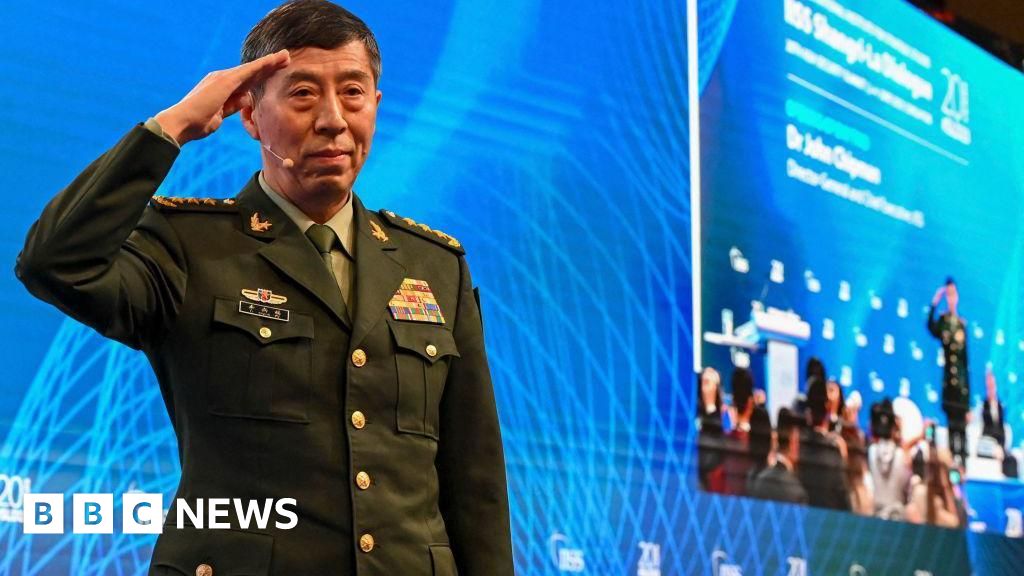
China's military court has delivered suspended death sentences to two former defense ministers, Wei Fenghe and Li Shangfu, on corruption charges. The pronouncement on Thursday signifies a dramatic escalation in President Xi Jinping's ongoing anti-corruption campaign, which has already led to the ousting of numerous high-ranking officials. The sentences, which include the confiscation of all personal assets, were reported by state media, including Xinhua. These convictions represent the most severe punishments meted out to the military's top echelon since the anti-corruption drive began. The suspended death sentence, a penalty typically reserved for grave offenses, means that Wei and Li will likely serve life imprisonment after a two-year reprieve, without the possibility of parole or sentence reduction. This outcome suggests a complex calculation by the leadership, balancing severity with the need to maintain stability within the People's Liberation Army (PLA). The cases of Wei and Li are part of a broader purge within the military, which President Xi has described as undergoing "revolutionary tempering." The crackdown has seen the removal of other key figures, including Zhang Youxia, the country's top military general. Critics, however, suggest that these anti-corruption efforts also serve as a mechanism for eliminating political rivals.
Guilty of Bribery and Disloyalty
Investigations into both former ministers revealed extensive corruption. Wei Fenghe, who served as defense minister from 2018 to 2023, was found to have accepted "a huge amount of money and valuables" in bribes and to have facilitated improper personnel arrangements for others. His tenure was followed by Li Shangfu's appointment in March 2023, who himself was dismissed in October of the same year, two months after vanishing from public view. Li Shangfu was accused of both taking and giving bribes, with past reports indicating he was suspected of receiving "huge sums of money." An investigation found that he "did not fulfil political responsibilities" and "sought personal benefits for himself and others." Both men were found guilty of bribery, a charge that underscores the pervasive nature of corruption within the ranks. The sentences come after nearly two years of investigation into the former officials. Their downfall is emblematic of the sweeping changes President Xi has implemented since assuming power, aiming to root out graft and ensure loyalty within the powerful military apparatus.
A Precedent Set by Gu Junshan
The penalty of a death sentence with a two-year reprieve is a severe measure, typically reserved for major corruption cases, premeditated murder, or large-scale drug trafficking. The last high-profile PLA officer to receive such a sentence was Gu Junshan, former deputy director of the General Logistics Department, whose corruption case reportedly involved over 600 million yuan (approximately $98 million). Gu's cooperation with investigators by "exposing others" is believed to have spared him from immediate execution, leading to a life sentence in a military prison. This precedent suggests that Wei and Li, despite initial resistance, likely provided critical information on former colleagues, a move that spared them from execution but will undoubtedly implicate more officers. Gu's case had previously triggered a cascade of investigations, leading to the downfall of former Central Military Commission (CMC) Vice Chairmen Guo Boxiong and Xu Caihou, as well as PLA Chief of Staff Fang Fenghui. While Xu died awaiting sentencing, Guo and Fang received life sentences, a less severe outcome than the suspended death sentences now imposed on Wei and Li.
Deterrence and Political Calculation
The decision to impose a suspended death sentence on senior officers like Wei and Li was likely driven by a dual purpose: deterrence and political expediency. The severity of the punishment serves as a potent warning against corruption and malfeasance, particularly in departments like the Rocket Force and Equipment Development Department, which they previously led. The scale of their alleged illicit gains must have been substantial, potentially impacting the operational effectiveness of these critical units. However, imposing an outright death sentence on such high-ranking figures could have destabilized the officer corps and negatively impacted PLA morale. The suspended death sentence, therefore, represents a strategic middle ground. It is severe enough to instill fear and ensure compliance, while simultaneously mitigating the political risks associated with a direct execution. Sentencing in China's military courts requires the approval of the commander-in-chief, especially under the CMC chairman responsibility system. This indicates that President Xi Jinping directly oversaw and sanctioned the stringent penalties for Wei and Li, underscoring the gravity with which his administration views military corruption.
Implications for the PLA Officer Corps
The conviction and sentencing of Wei Fenghe and Li Shangfu are expected to trigger further investigations and potentially ensnare additional high- and mid-ranking PLA officers. The pattern established by Gu Junshan's case, where cooperation led to implicating others, suggests that Wei and Li's testimony will be crucial in uncovering further corruption networks. This ongoing purge within the military is reshaping the leadership landscape and reinforcing President Xi's authority. The campaign aims to ensure not only the integrity of the armed forces but also their unwavering loyalty to the party and its leader. As more officers are drawn into the anti-corruption vortex, the PLA's structure and personnel are undergoing a profound transformation. The long-term consequences for military readiness and strategic decision-making remain to be seen, but the immediate impact is a clear message of zero tolerance for corruption at any level.
The bottom line
- Two former Chinese defense ministers, Wei Fenghe and Li Shangfu, have been sentenced to death with a two-year reprieve for bribery.
- The sentences will be commuted to life imprisonment without parole after the reprieve period.
- This represents the most severe punishment for top military officials in China's ongoing anti-corruption campaign.
- Both officials had their personal assets confiscated.
- The penalties are seen as a deterrent against corruption and a means to purge political rivals within the military.
- The cases are expected to lead to further investigations and implicate more PLA officers.

Shaheen Afridi Reaches 100 WTC Wickets, Joins Elite Pace Group

Apple to Keep iPhone 18 Pro Base Prices Unchanged Despite Rising Memory Costs, Analyst Says
Shanto Claims Bangladesh Pace Advantage Ahead of Pakistan Tests