Pakistan Raises Light Diesel Price by 17.03 Rupees per Litre, Adding to Fuel Burden
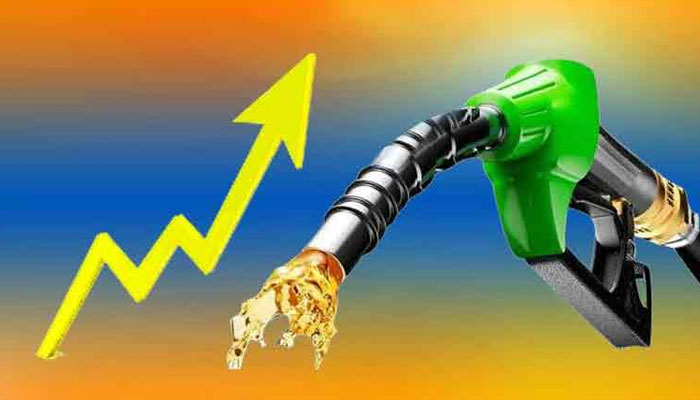
The latest increase, following hikes in petrol and high-speed diesel, intensifies pressure on transport and essential goods prices.
PAKISTAN —
Key facts
- Light diesel price increased by 17.03 rupees per litre, now 287.54 rupees per litre.
- Petrol and high-speed diesel prices were raised a day earlier.
- Kerosene oil price reduced by 4.45 rupees per litre, now 360.76 rupees per litre.
- OGRA issued the official notification for the light diesel hike.
- Experts warn the increase will affect goods transport and essential commodity prices.
- The fuel hikes follow a pattern of rising inflation and public concern.
New Fuel Hike Compounds Economic Strain
Pakistan’s government has raised the price of light diesel by 17.03 rupees per litre, effective immediately, according to a notification from the Oil and Gas Regulatory Authority (OGRA). The increase sets the new price at 287.54 rupees per litre, adding to the financial burden on citizens and the transport sector. This latest adjustment follows a similar hike in petrol and high-speed diesel prices just one day earlier. The cumulative effect has heightened public anxiety over inflation, with analysts warning that the cost of transporting goods and essential commodities will rise further.
OGRA Notification Triggers Immediate Effect
The price revision was formalized through an official OGRA notification, which did not specify a reason for the increase. However, the move aligns with a broader trend of rising fuel costs in Pakistan, where the government has been adjusting petroleum product prices periodically. Light diesel is primarily used in agricultural machinery and small transport vehicles, making the hike particularly impactful for rural economies and supply chains. The transport sector, already grappling with high operational costs, is expected to pass on the increased expenses to consumers.
Kerosene Oil Price Reduced Amid Overall Fuel Hikes
In a contrasting move, the government reduced the price of kerosene oil by 4.45 rupees per litre, bringing it to 360.76 rupees per litre. Kerosene is commonly used for heating and lighting in off-grid areas, and the reduction offers some relief to low-income households. However, the cut is marginal compared to the steep rise in light diesel, and overall fuel inflation continues to squeeze household budgets. The mixed adjustments reflect the government’s attempt to balance competing pressures, but experts argue the net effect remains negative for most consumers.
Transport and Goods Prices Expected to Rise
Economists and industry experts have warned that the light diesel increase will directly impact the cost of transporting goods, from food staples to construction materials. Higher logistics costs are likely to be passed on to consumers, exacerbating an already high inflation environment. The transport sector, a key driver of economic activity, faces mounting operational challenges. Many small transport operators operate on thin margins and may be forced to raise fares or reduce services, further disrupting supply chains.
Public Concern Mounts as Inflation Deepens
The consecutive fuel price hikes have sparked widespread concern among the public, with many taking to social media to express frustration. The government has not announced any compensatory measures, such as subsidies or relief packages, to cushion the impact on vulnerable groups. Inflation in Pakistan has been running at elevated levels, driven by energy costs, currency depreciation, and fiscal pressures. The latest fuel increases are expected to push consumer prices higher, particularly for food and transportation, which account for a significant share of household spending.
Outlook: Further Adjustments Likely
With global oil prices volatile and Pakistan’s foreign exchange reserves under strain, further fuel price adjustments cannot be ruled out. The government faces a delicate balancing act between meeting fiscal targets and managing public discontent. Analysts suggest that without structural reforms in the energy sector, periodic price hikes will continue to weigh on the economy. The coming weeks will reveal whether the government can stabilize prices or if additional increases are in store.
The bottom line
- Light diesel price increased by 17.03 rupees per litre to 287.54 rupees per litre, following petrol and high-speed diesel hikes.
- Kerosene oil price reduced by 4.45 rupees per litre to 360.76 rupees per litre, offering limited relief.
- OGRA issued the official notification for the light diesel increase, effective immediately.
- Experts predict higher transport costs will push up essential goods prices, worsening inflation.
- Public anxiety is rising as consecutive fuel hikes compound economic pressures.

Pakistan Braces for 37°C Heat as Rain Clears, Winds Drop

Rain Washes Out Second T20I in Chattogram, Bangladesh Clinch Series
Rain Washes Out Second T20I as Bangladesh Secures Series Lead