Pakistan's 28-Day Oil Stock: A Fragile Buffer Against Crisis
Officials insist the country maintains a 28-day strategic oil reserve, but experts question whether it is sufficient to weather a major disruption.

PAKISTAN —
Key facts
- Pakistan's government claims it holds a 28-day stock of oil for emergencies.
- The stock is meant to cover both petrol and diesel supplies.
- Officials have repeatedly stated the reserve exists for any crisis or emergency situation.
- The reserve's adequacy is being questioned amid rising global oil prices.
- Pakistan has not built its own strategic storage facilities due to financial constraints.
- The country relies on commercial stocks and supplier agreements for its reserve.
- A major disruption could expose the vulnerability of the 28-day buffer.
A 28-Day Cushion
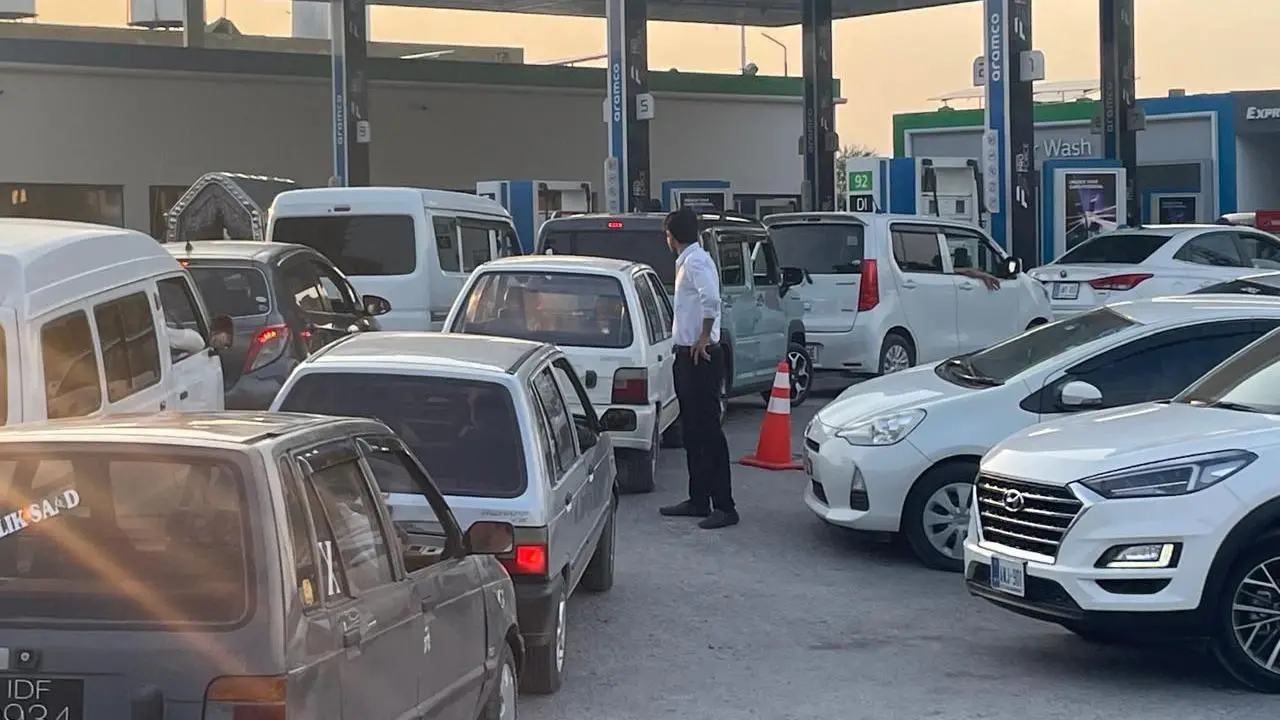
Pakistani officials have repeatedly assured the public that the country maintains a 28-day strategic stock of oil, sufficient to navigate any crisis or emergency. This reserve covers both petrol and diesel, the lifeblood of the nation's transport and industry. But as global oil prices surge and geopolitical tensions mount, the question of whether this buffer is enough has become increasingly urgent. The government's stance is clear: the 28-day stock is a reliable safety net. Yet critics argue that the reserve is merely a commercial inventory, not a dedicated strategic storage built and managed by the state. The distinction matters because commercial stocks can be depleted quickly in a prolonged crisis, leaving the country exposed.
Why Pakistan Cannot Build Its Own Reserve
The fundamental reason Pakistan relies on a 28-day commercial stock rather than a larger, state-owned strategic reserve is financial. Building and maintaining dedicated storage facilities requires billions of dollars in investment—money the cash-strapped government does not have. Instead, the country depends on oil marketing companies to hold inventories as part of their business operations, supplemented by agreements with suppliers. This arrangement leaves little room for error. If a major disruption—such as a war, a natural disaster, or a sudden supply cut—were to occur, the commercial stocks could be drained within weeks. The government has no fallback option beyond these 28 days, raising the stakes for any potential crisis.
Global Context: Rising Prices and Geopolitical Risks
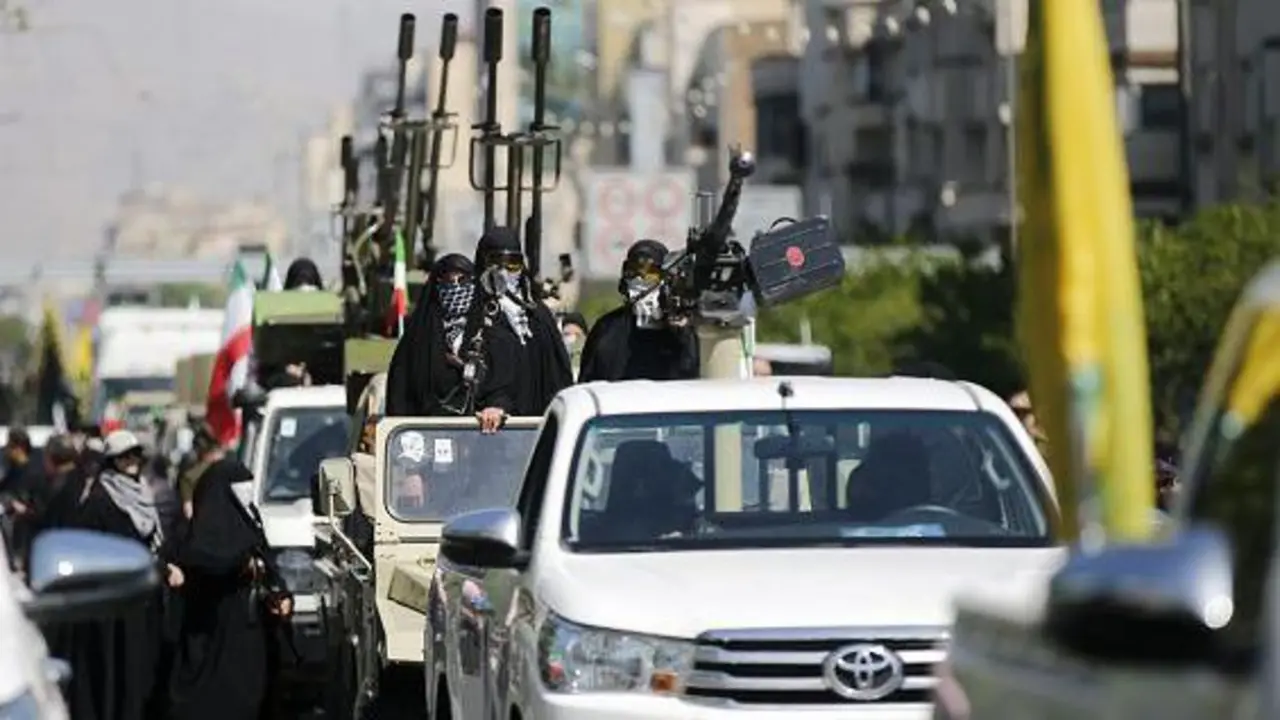
The debate over Pakistan's oil reserves comes at a time of heightened global uncertainty. The United States recently approved the sale of $8.6 billion worth of weapons to Israel and Arab allies, a move that has stoked tensions with Iran. A senior Iranian military official, Mohammad Jafar Asadi, deputy inspector of the Khatam al-Anbiya Central Headquarters, warned that the arms deal could reignite conflict between Iran and the United States. Such a conflict could disrupt oil supplies from the Middle East, a region on which Pakistan heavily depends. The International Energy Agency has also signaled that warning lights are flashing on the global economic dashboard, with many analysts predicting a financial crisis that could be more severe than previous ones. For Pakistan, already grappling with high inflation and a balance-of-payments crisis, the implications are dire.
The Abbottabad Aftermath: A Lesson in Crisis Management
The killing of al-Qaeda leader Osama bin Laden by U.S. special forces in Abbottabad on May 2, 2011, remains a stark reminder of how quickly a crisis can unfold in Pakistan. While the details of the raid have been extensively documented in books, articles, and films, less attention has been paid to the chaos that erupted within Pakistan's corridors of power immediately afterward. The incident exposed deep fractures in the country's security establishment and its relationship with the United States. It also highlighted the government's inability to control events on its own soil, a vulnerability that extends to its energy security. The parallels are not lost on analysts: just as the state was caught off guard in Abbottabad, it could be caught off guard by an oil supply disruption.
What Comes Next? The Stakes for Pakistan
The 28-day oil stock is a fragile buffer, not a robust strategic reserve. As global economic warning lights flash and regional tensions simmer, Pakistan faces a choice: continue with the current arrangement and hope for the best, or find the resources to build a genuine strategic reserve. The latter would require difficult fiscal decisions and international support, but the alternative could be catastrophic. For now, the government insists the 28-day stock is adequate. But the question lingers: adequate for what? A minor disruption, perhaps. But for a major crisis—the kind that history suggests is inevitable—it may be woefully insufficient. The clock is ticking.
The bottom line
- Pakistan's 28-day oil reserve is a commercial stock, not a state-built strategic storage, leaving it vulnerable to prolonged disruptions.
- Financial constraints prevent the government from constructing its own dedicated storage facilities.
- Global oil price hikes and geopolitical tensions, including the U.S. arms sale to Israel and Arab allies, increase the risk of supply shocks.
- The Abbottabad incident serves as a historical example of Pakistan's crisis management weaknesses.
- Experts warn that the next global financial crisis could be more severe than previous ones, compounding Pakistan's energy challenges.
- Without investment in strategic reserves, Pakistan remains exposed to potential energy emergencies.




Pakistan Meteorological Department Dismisses Viral 'Heat Burst' Warning as Unfounded

UAE Fuel Price Committee Raises Petrol Prices for May 2026 as Global Oil Costs Climb

On Labor Day