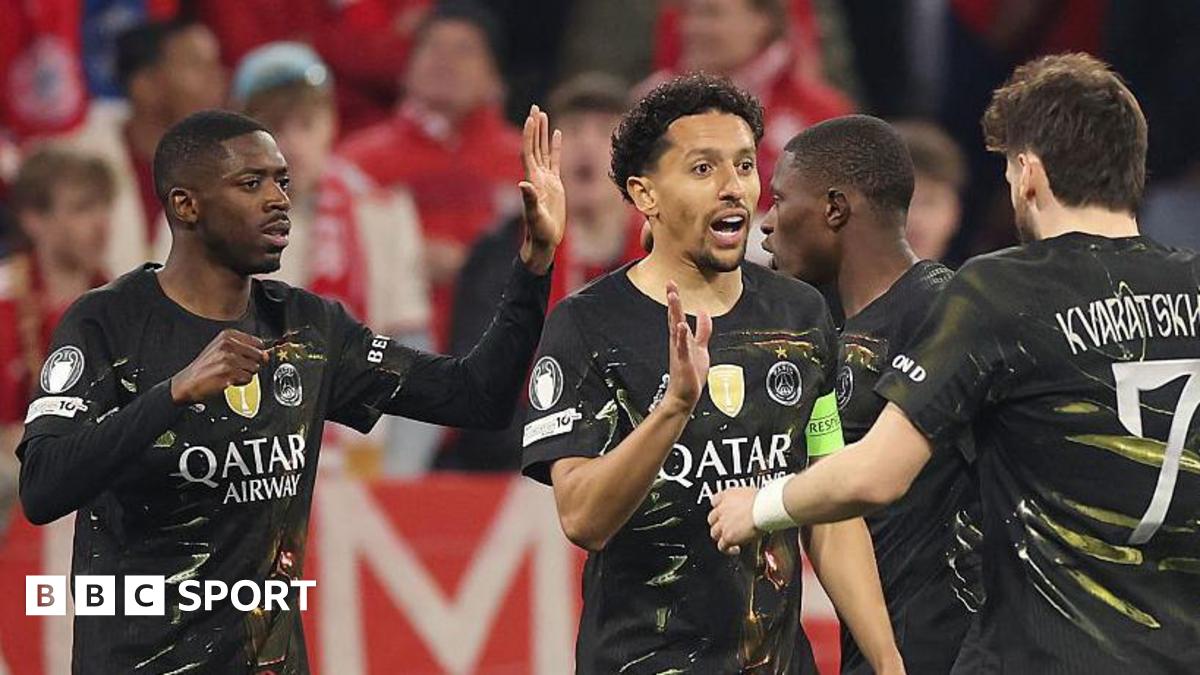
PSG Reach Champions League Final, Set to Face Arsenal
Ousmane Dembélé's early strike secured Paris Saint-Germain's aggregate victory over Bayern Munich, advancing them to a second consecutive final.
PAKISTAN —
Key facts
- Paris Saint-Germain defeated Bayern Munich 6-5 on aggregate in the Champions League semifinals.
- Ousmane Dembélé scored the decisive goal for PSG in the third minute of the second leg.
- Harry Kane scored for Bayern Munich in the 94th minute, but it was not enough to overturn the deficit.
- PSG will face Arsenal in the Champions League final on May 30 in Budapest, Hungary.
- This marks PSG's second consecutive Champions League final appearance.
- The first leg of the semi-final tie concluded with a 5-4 victory for PSG.
- A total of 11 goals were scored across the two legs of the semi-final.
Paris Saint-Germain Advances to European Final
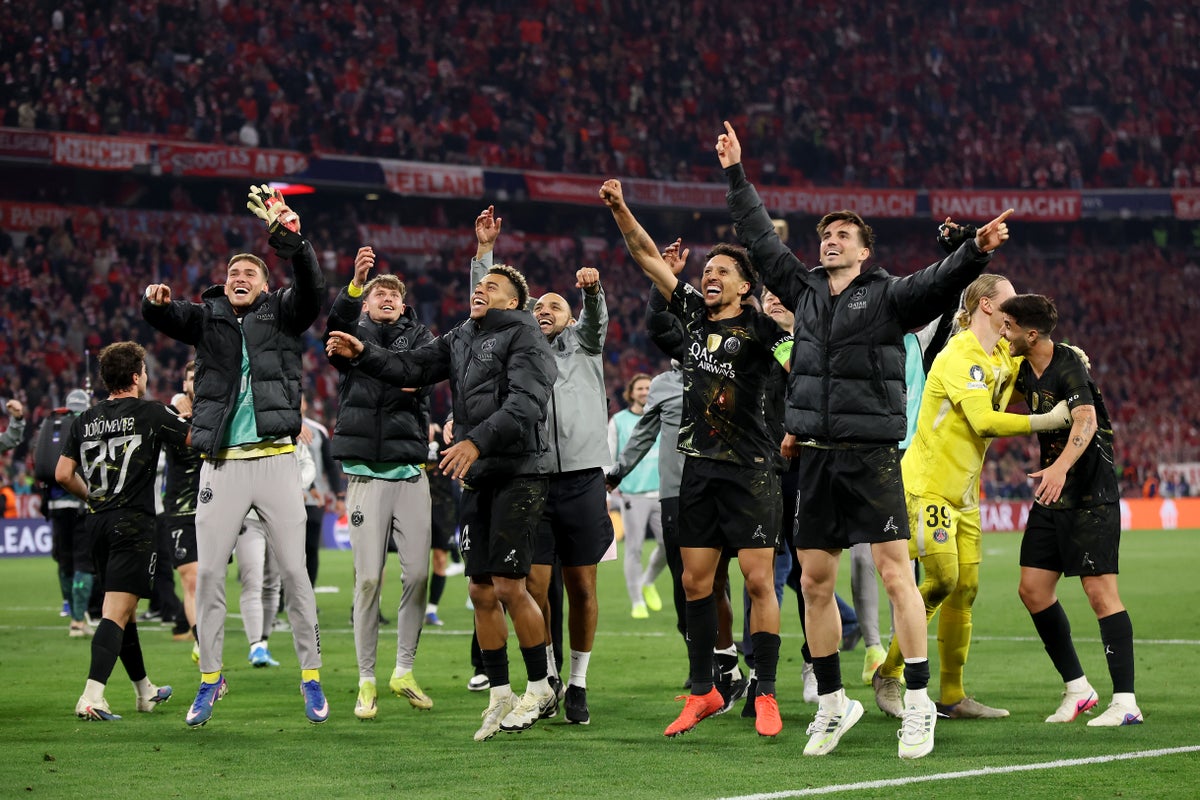
Paris Saint-Germain has secured its place in a second consecutive Champions League final, overcoming a resilient Bayern Munich over two captivating legs. The French champions advanced with a 6-5 aggregate victory after a tense second-leg encounter at the Allianz Arena, where an early goal from Ousmane Dembélé proved decisive. They will now face Arsenal for the coveted trophy on May 30 in Budapest, Hungary, setting up a highly anticipated clash between two of Europe's elite clubs. The semi-final tie, which began with a nine-goal thriller in Paris, concluded with a more measured but equally dramatic affair in Munich. PSG's ability to manage the game and secure the necessary result underscored their status as defending European champions, demonstrating a blend of attacking flair and defensive resolve. This achievement places PSG in an exclusive group, becoming the first team since Liverpool in 2019 to reach consecutive Champions League finals. The club's journey to this point has been marked by a series of high-stakes performances, culminating in this opportunity to defend their title.
Dembélé's Early Strike Seals the Tie
The decisive moment arrived early in the second leg, as Ousmane Dembélé found the back of the net in the third minute. This goal extended PSG's aggregate lead to 6-4, placing significant pressure on Bayern Munich to mount a substantial comeback. The strike, a testament to PSG's early attacking intent, effectively put the German giants on the back foot from the outset. Despite the early setback, Bayern Munich pressed for an equalizer throughout the match. The home side's efforts were eventually rewarded in stoppage time when Harry Kane scored in the 94th minute, narrowing the aggregate deficit to 6-5. However, the late goal came too late to alter the outcome of the tie. Throughout the 180 minutes of football across both legs, a total of 11 goals were scored. This high-scoring encounter places the semi-final among the most prolific in recent Champions League history, highlighting the attacking prowess of both Paris Saint-Germain and Bayern Munich.
Bayern Munich's Frustration and Missed Opportunities
Bayern Munich's goalkeeper acknowledged a lack of 'killer instinct' in attack during the second leg, despite creating opportunities. He noted that while his team had moments to potentially secure a win, Paris Saint-Germain demonstrated superior clinical finishing, particularly in the first leg where they scored five goals. The German side's inability to convert their chances proved costly. The match statistics reveal that while Bayern had possession and applied pressure, they struggled to create numerous clear-cut chances against a disciplined PSG defense. The sentiment among the Bayern players was that they were close to reaching the final but ultimately failed to 'finish the job'. Bayern boss Vincent Kompany had previously emphasized the need for an aggressive approach, stating that a middle ground in tactics was ineffective against sides of PSG's caliber. The team's performance in the second leg, while showing flashes of attacking intent, ultimately fell short of breaking down the resolute Parisian defense.
A Tale of Two Halves and Tactical Nuances
The first leg in Paris was a high-octane affair, concluding with a 5-4 victory for the French side. This result set the stage for a second leg where PSG, holding a narrow advantage, sought to manage the game and secure their progression. The initial three minutes of the second leg saw PSG extend their lead, creating a significant challenge for Bayern to overcome. In Munich, the first half was marked by intense play and a degree of controversy, with Dembélé's early goal being the sole score. The second half saw PSG maintain a tactical discipline, holding Bayern at bay for large periods. While Bayern prodded and sought openings, PSG's depth of attacking talent, with players like Bradley Barcola and Fabian Ruiz available from the bench, provided a significant advantage. Bayern's approach in the second leg was characterized by a desire to push forward, but they were often a yard short in execution and physical sharpness. This lack of precision meant that despite their efforts, they were ultimately 'smothered' by PSG's defensive structure and tactical acumen.
The Road to the Final and Future Prospects
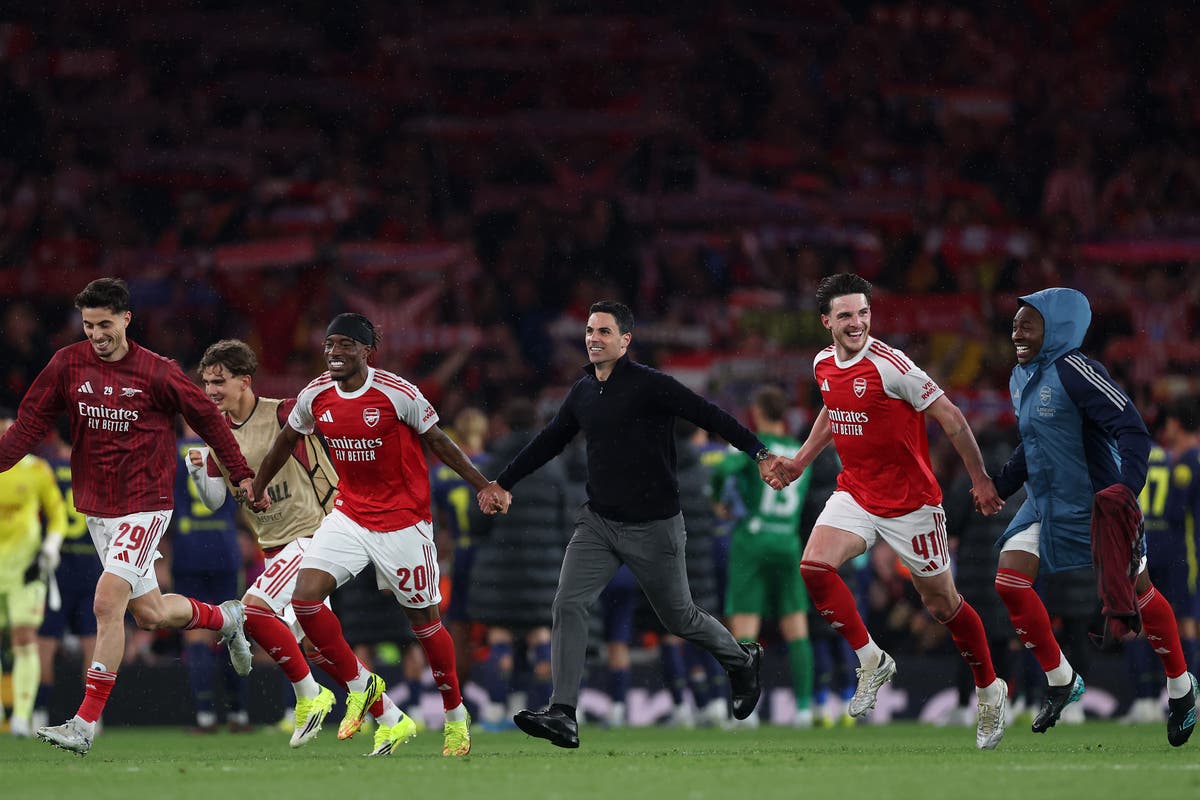
Paris Saint-Germain's journey to the final signifies their sustained presence at the pinnacle of European football. As defending champions, they carry the weight of expectation, aiming to become only the second team in the modern era to successfully retain the Champions League title, following Real Madrid's precedent. For Bayern Munich, the semi-final exit marks a disappointing end to their European campaign. However, the team's performance throughout the season, particularly their fightback in the first leg, suggests a strong foundation for future endeavors. Manager Vincent Kompany is expected to continue building a squad capable of challenging for major honors. The final against Arsenal presents a compelling narrative. Arsenal, having secured their own path to the final, will be eager to dethrone the reigning champions. The match is anticipated to be a tactical battle, showcasing the strengths and strategies of two of the continent's most exciting teams, with the added intrigue of the pre-match entertainment featuring The Killers.
Historical Context and Final Preparations
The Champions League final between PSG and Arsenal will be only the fourth European Cup or Champions League final contested between teams from two different capital cities. This historical parallel adds a unique dimension to the upcoming match, drawing comparisons to past finals involving Benfica, Real Madrid, Ajax, and Panathinaikos. Preparations for the final are already underway, with both teams aiming to peak for the May 30th fixture. The venue, Budapest's Puskás Aréna, will host the culmination of this season's premier club competition. The atmosphere is expected to be electric, amplified by the significance of the occasion and the fan bases of both PSG and Arsenal. The significance of the final extends beyond the trophy itself. For PSG, it represents an opportunity to solidify their legacy as a dominant force in European football. For Arsenal, it is a chance to cap a successful season with the ultimate prize, potentially marking a new era of success for the club.
The bottom line
- Paris Saint-Germain has reached the Champions League final for the second consecutive year.
- Ousmane Dembélé's early goal in the second leg was the decisive factor in PSG's 6-5 aggregate win over Bayern Munich.
- PSG will face Arsenal in the final on May 30 in Budapest, Hungary.
- Harry Kane scored a late goal for Bayern Munich, but it was insufficient to change the tie's outcome.
- This marks PSG's second consecutive final appearance, a feat not achieved by many clubs in recent history.
- The semi-final tie was characterized by high scoring, with 11 goals across the two legs.


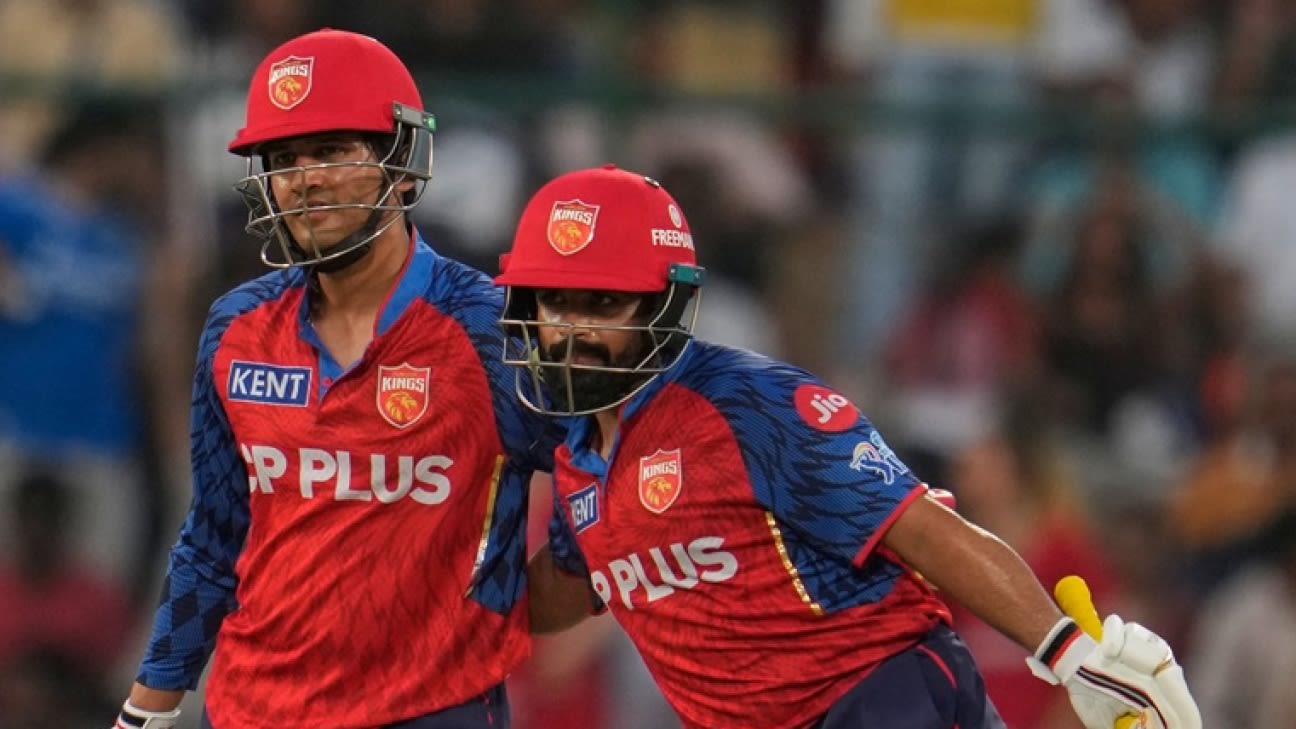
Sunrisers Hyderabad Face Punjab Kings in Crucial Encounter

Rohit Sharma’s Gesture After Accidental Hit on Ground Staff Steals Show as MI Face Playoff Pressure
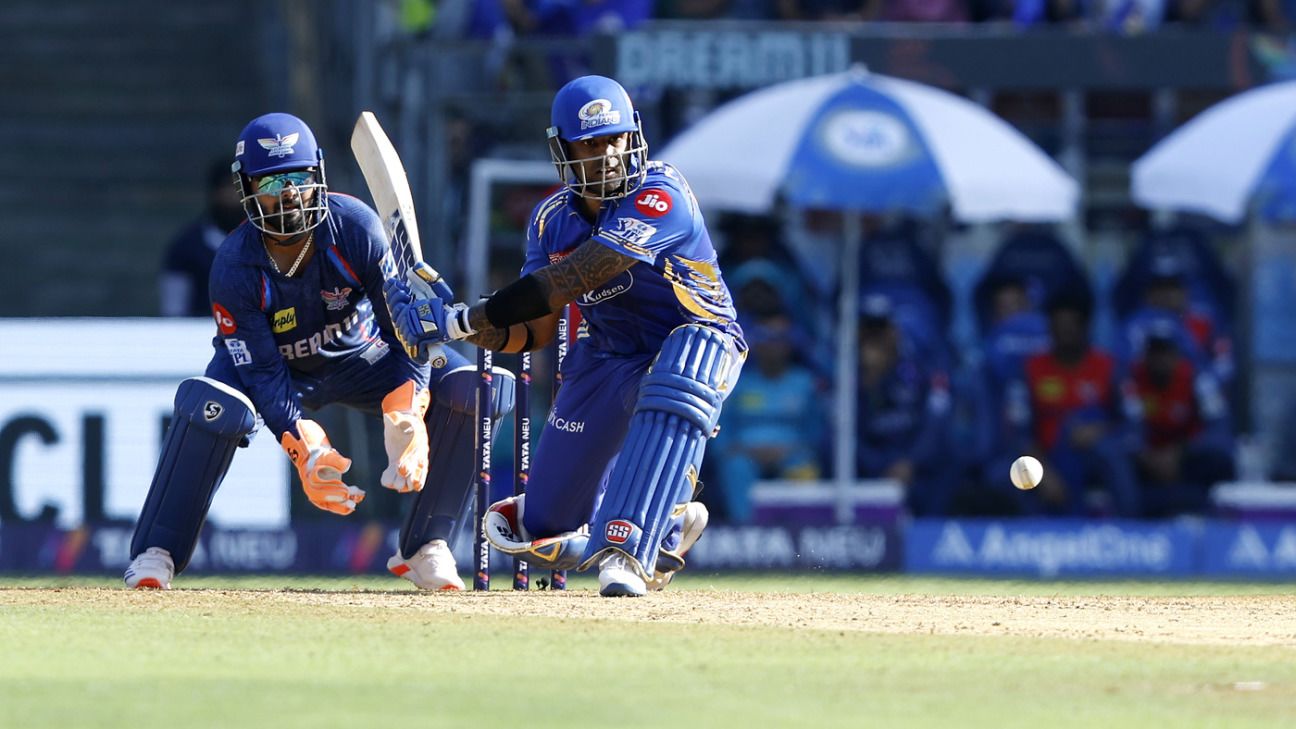
Suryakumar Yadav Wins Toss, Elects to Bowl as Rohit Sharma Returns for MI Against LSG