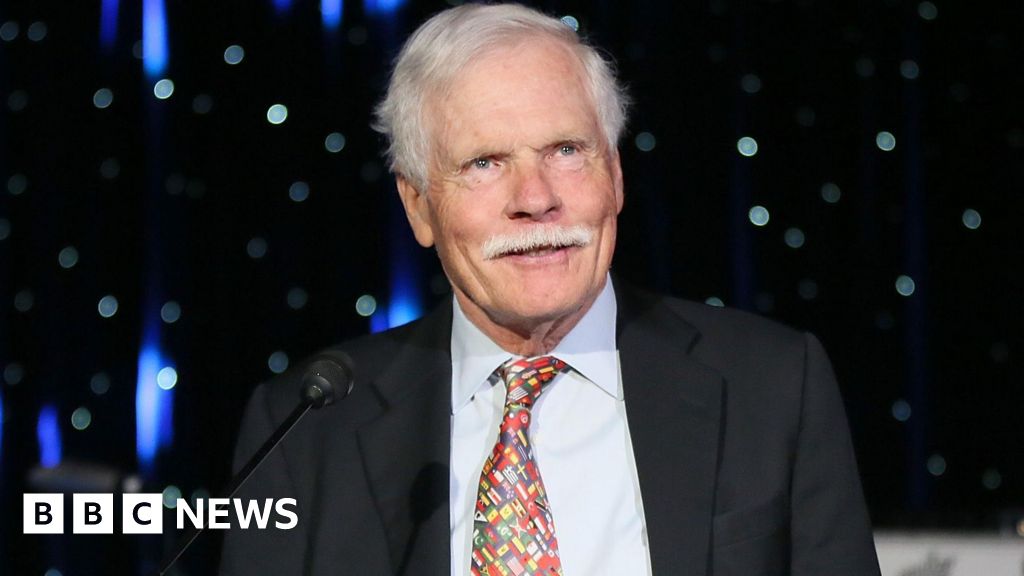
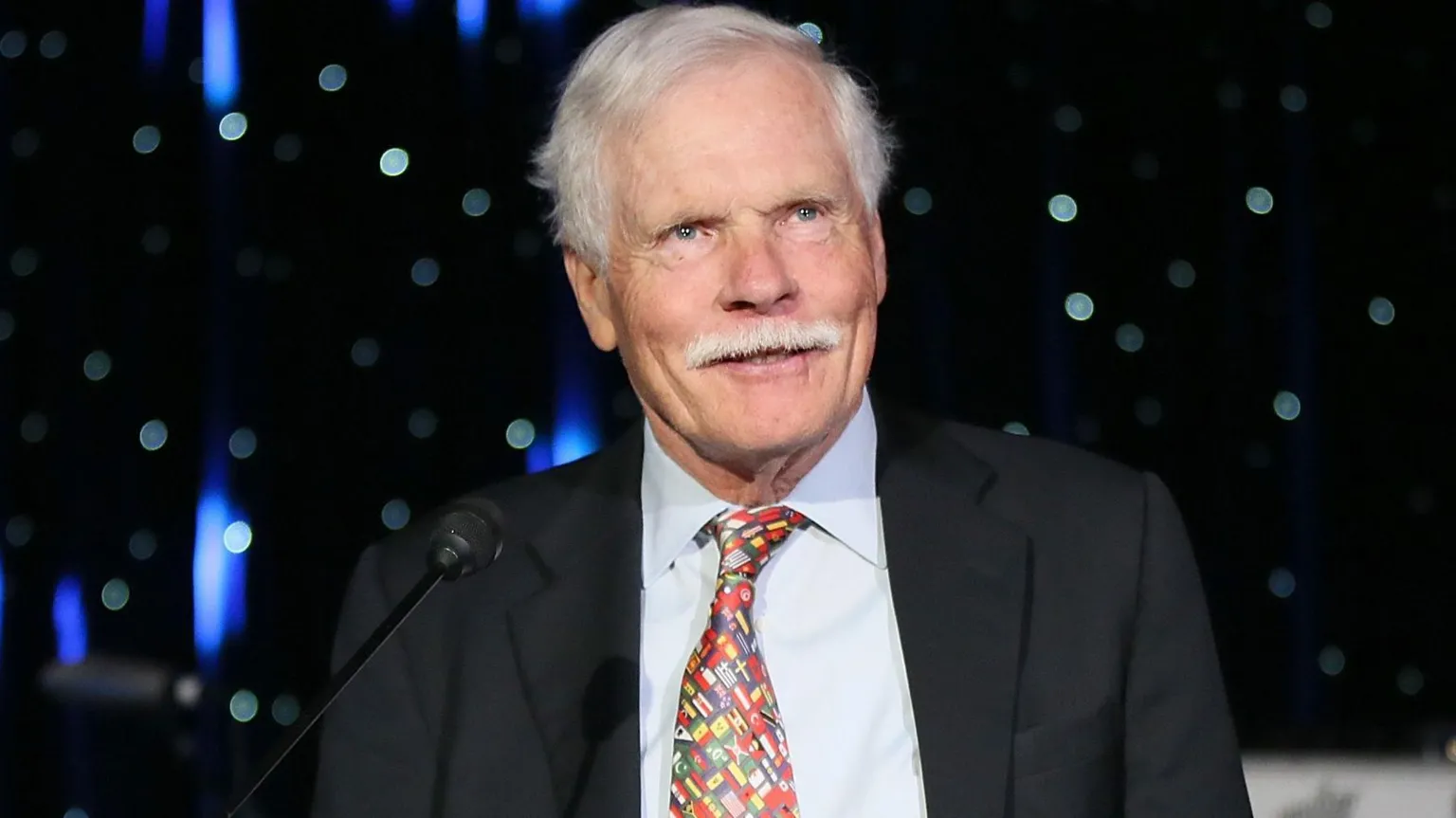
Ted Turner, CNN Founder and Media Pioneer, Dies at 87
The visionary entrepreneur revolutionized television news and became a prominent philanthropist.
PAKISTAN —
Key facts
- Ted Turner, founder of CNN, died at age 87.
- He launched the first 24-hour news channel, CNN, in 1980.
- Turner was named Time magazine's Man of the Year in 1991.
- He donated $1 billion to the United Nations Foundation, which he founded.
- He also established the Nuclear Threat Initiative.
- Turner revealed his diagnosis of Lewy body dementia in 2018.
- He is survived by five children, 14 grandchildren, and two great-grandchildren.
A Giant of Broadcast History Passes
Media mogul Ted Turner, the visionary behind the modern 24-hour news cycle, has died at the age of 87. His passing was announced by CNN, the groundbreaking network he launched in 1980, and confirmed by his family. Turner's death marks the end of an era for television news, a landscape he fundamentally reshaped with his audacious approach and relentless ambition. His legacy is inextricably linked to the creation of the Cable News Network, the first channel dedicated to continuous news coverage. This innovation, initially met with skepticism and derision, would go on to become a central pillar of the global media ecosystem, transforming how the world consumed information. Turner's impact extended far beyond the newsroom. He was also a prolific philanthropist, dedicating significant resources and energy to global causes. His pioneering spirit and willingness to challenge convention defined his career, leaving an indelible mark on both media and humanitarian efforts.
The Birth of the 24-Hour News Cycle
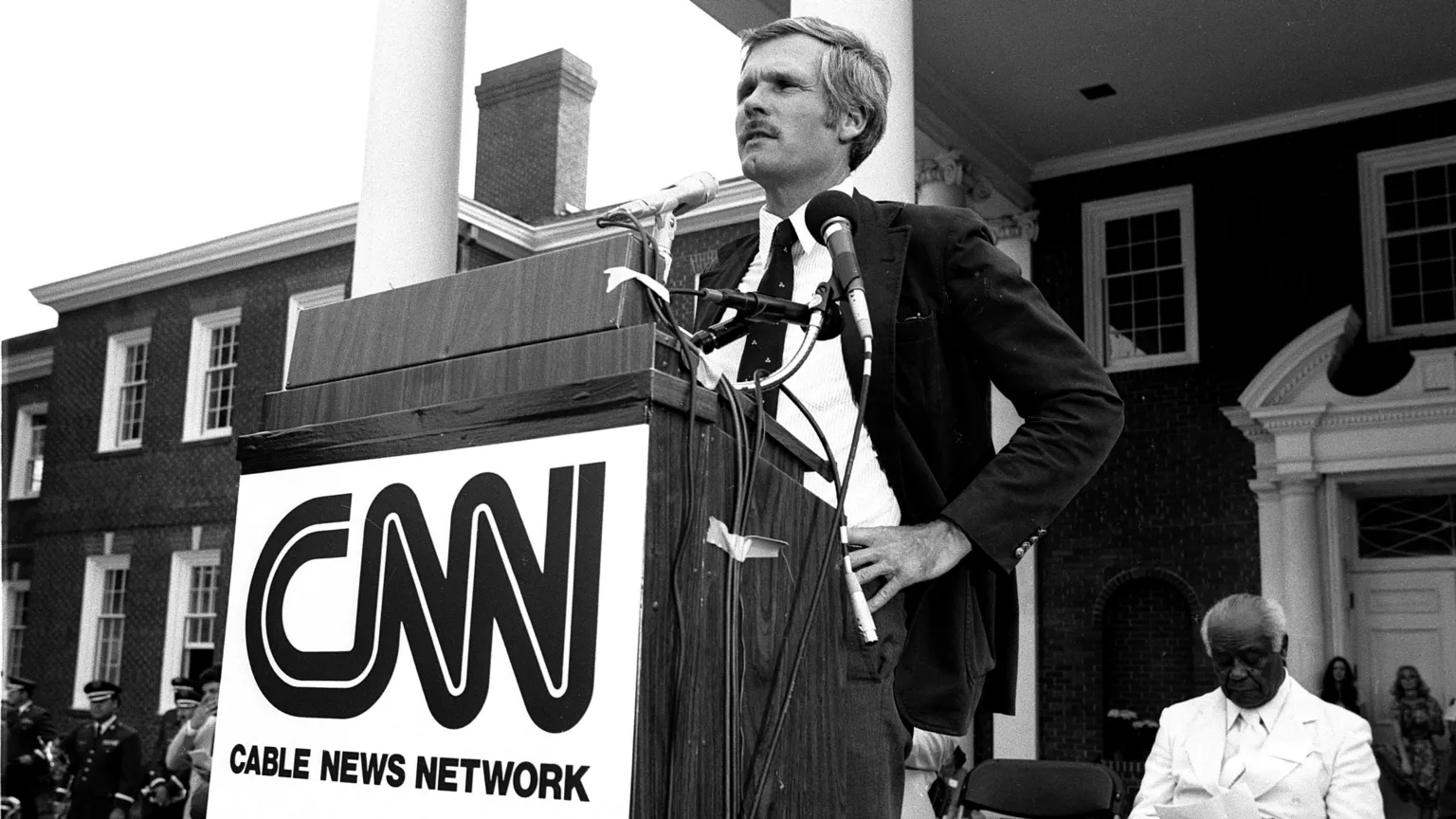
In 1980, Ted Turner defied conventional wisdom by launching Cable News Network, a bold venture into uncharted territory. The concept of a dedicated, rolling news channel was revolutionary, and detractors famously mocked it as the "Chicken Noodle Network" in its nascent years. However, CNN quickly proved its mettle by providing immediate and comprehensive coverage of pivotal events. The assassination attempt on President Ronald Reagan in 1981 and the Challenger space shuttle disaster in 1986 were early demonstrations of the network's capacity to deliver breaking news. The network's true ascendance, however, arrived with its extensive live reporting from Iraq during the 1990-1991 Gulf War. This sustained, in-depth coverage cemented CNN's status as an indispensable global news source, earning praise even from figures like President George Bush, who reportedly stated he learned more from CNN than from the CIA.
A Leader of Vision and Audacity
Current CNN CEO and chairman Mark Thompson lauded Turner as "the giant on whose shoulders we stand," emphasizing his enduring influence. Thompson described Turner as an "intensely involved and committed leader, intrepid, fearless and always willing to back a hunch and trust his own judgement." This description resonates with accounts from those who worked closely with him. Founding team member Mary Alice Williams characterized Turner as "a wild man" and "a go-for-broke idea guy." She credited him with forging a network that could "connect the whole world so we could all see each other, so we could see that we shared common struggles and we could share practical solutions." Turner's leadership style was marked by a deep-seated belief in the power of shared understanding, a conviction that fueled CNN's mission. This philosophy, though perhaps seeming idealistic, was the bedrock upon which the network was founded and embraced by its early staff.
Transforming Media and Beyond
Turner's influence on the media landscape was profound. He successfully merged his Turner Broadcasting System, which included CNN, with Time Warner Inc. in 1996, becoming a leading shareholder and heading the new company's cable networks division. This move solidified his position as one of the most powerful figures in US media and entertainment. Beyond his media empire, Turner emerged as a significant philanthropist. In 1998, he founded the United Nations Foundation, an organization dedicated to demonstrating the value of investing in the UN and promoting strong US leadership within it. His commitment to the UN was underscored by a record $1 billion donation. He also established the Nuclear Threat Initiative, a global security organization focused on mitigating threats from nuclear, biological, and emerging technologies. His philanthropic endeavors reflected a broader concern for humanity's future, earning him recognition as Time magazine's "Man of the Year" in 1991 for "influencing the dynamic of events and turning viewers in 150 countries into instant witnesses of history."
A Life of Entrepreneurial Drive and Personal Challenges
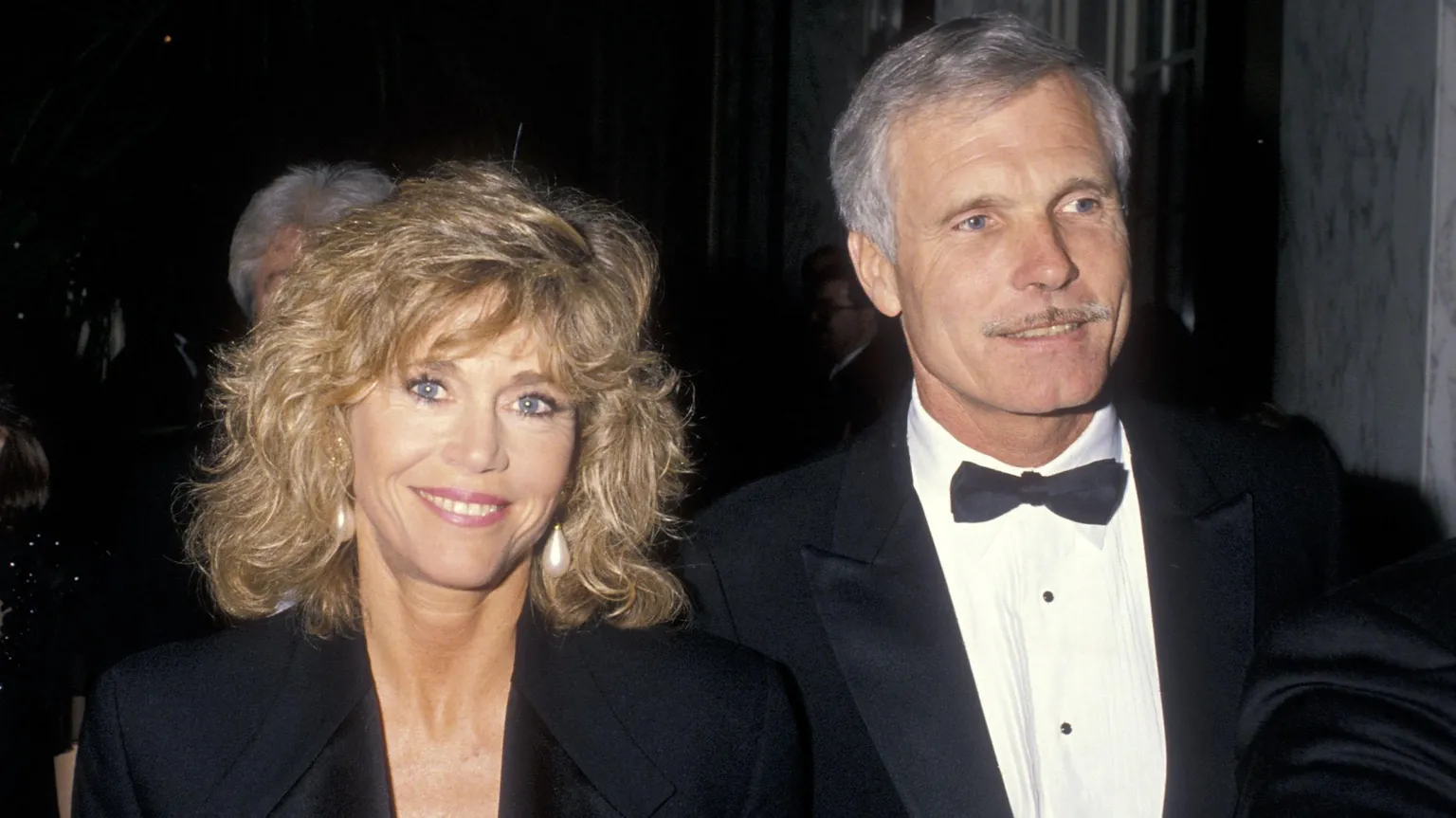
Born in Cincinnati, Ohio, in November 1938, Robert Edward “Ted” Turner III inherited a faltering family advertising business after his father's suicide. He took control of the business and, after acquiring radio stations, made his pivotal move into television by purchasing a struggling Atlanta station in 1970. This acquisition became the foundation for Turner Broadcasting System, which ten years later launched CNN. Turner's entrepreneurial journey was also marked by significant personal and business ventures, including ownership of professional sports clubs, a marriage to actor Jane Fonda, and leading a competitive yachting team. In later life, Turner faced health challenges. In September 2018, he disclosed his diagnosis of Lewy body dementia, a progressive brain disorder. He was briefly hospitalized in 2025 for a mild case of pneumonia. Turner's death was confirmed by a spokesperson for his family to The New York Times.
Tributes and Enduring Impact
Tributes poured in from across the political spectrum and the media world. US President Donald Trump, a frequent critic of the current CNN, acknowledged Turner's stature, stating, "Whenever I needed him, he was there, always willing to fight for a good cause!" He described Turner as "one of the greats of broadcast history, and a friend of mine." Governor Brian Kemp of Georgia, where CNN's main studio is located, remembered Turner as "a bold man, entrepreneur, and philanthropist, and even those who at times strongly disagreed with him respected him." Turner's enduring impact is evident not only in the continued existence of CNN but also in the philanthropic organizations he founded and the billions he donated. His life's work fundamentally altered the media landscape and contributed to global humanitarian efforts.
The bottom line
- Ted Turner, the founder of CNN, has died at the age of 87.
- He revolutionized television news by launching the world's first 24-hour news channel in 1980.
- Turner was recognized as Time magazine's Man of the Year in 1991 for his global influence.
- He was a significant philanthropist, founding the UN Foundation with a $1 billion donation and establishing the Nuclear Threat Initiative.
- Turner had revealed in 2018 that he was diagnosed with Lewy body dementia.
- He is survived by five children, 14 grandchildren, and two great-grandchildren.




Pakistan Dominates Zimbabwe by 168 Runs in ODI Series Opener

Karachi Swelters Under 42°C as Heatwave Grips Pakistan's Largest City

Eid al-Adha 2026: Astronomical Projections Point to May 27