UK Twins Discover They Are Half-Sisters After DNA Test Reveals Different Fathers
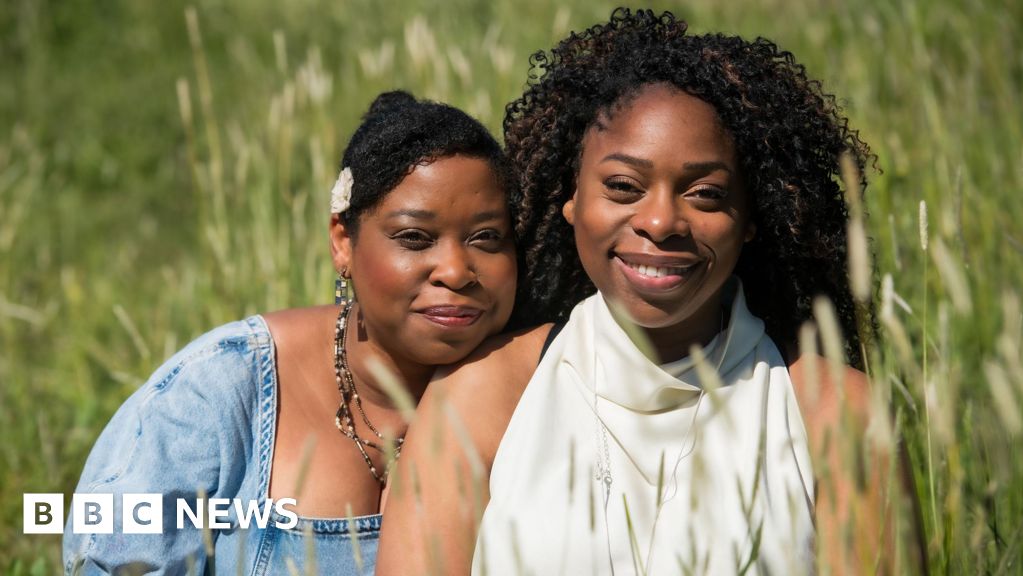
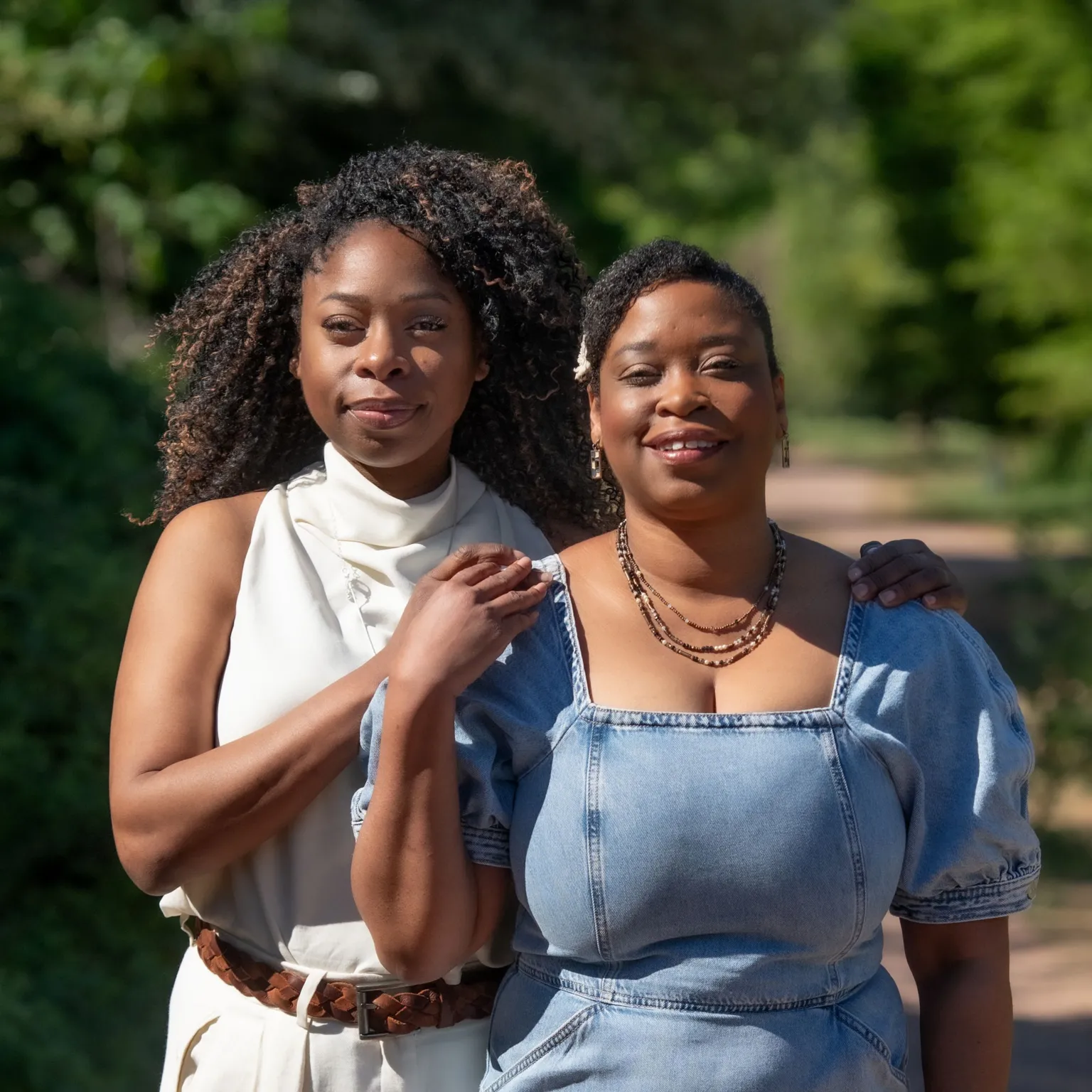
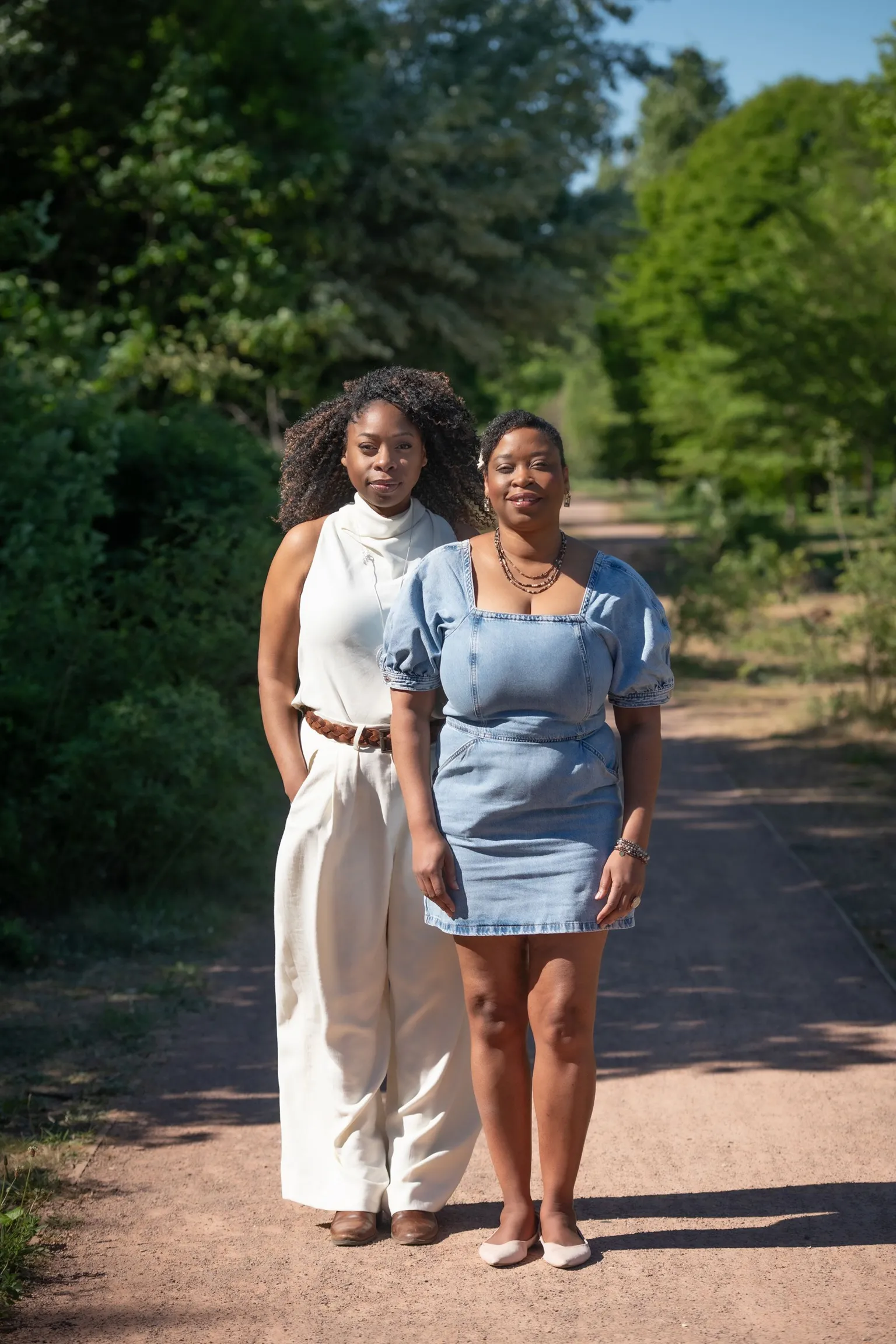
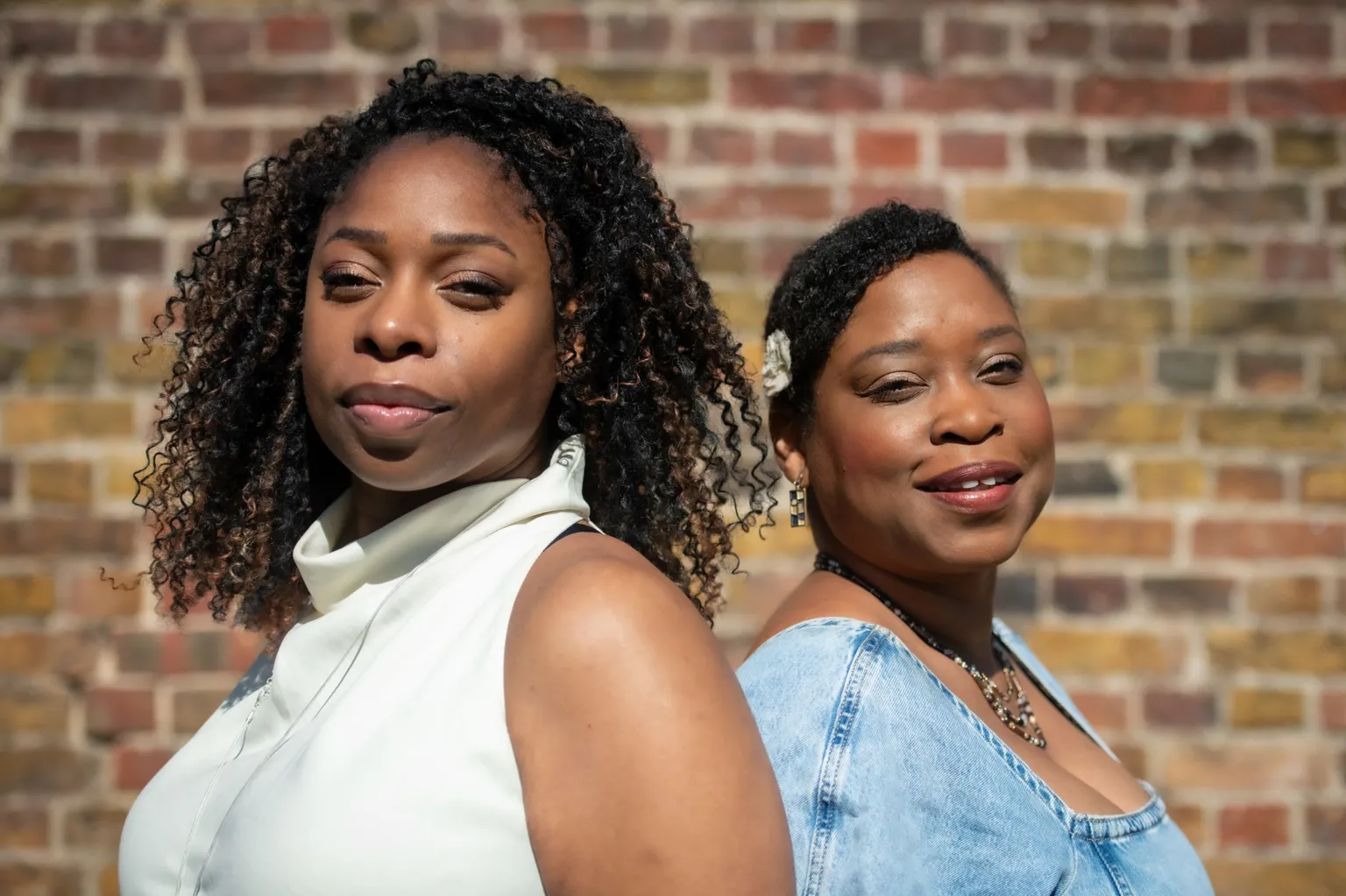
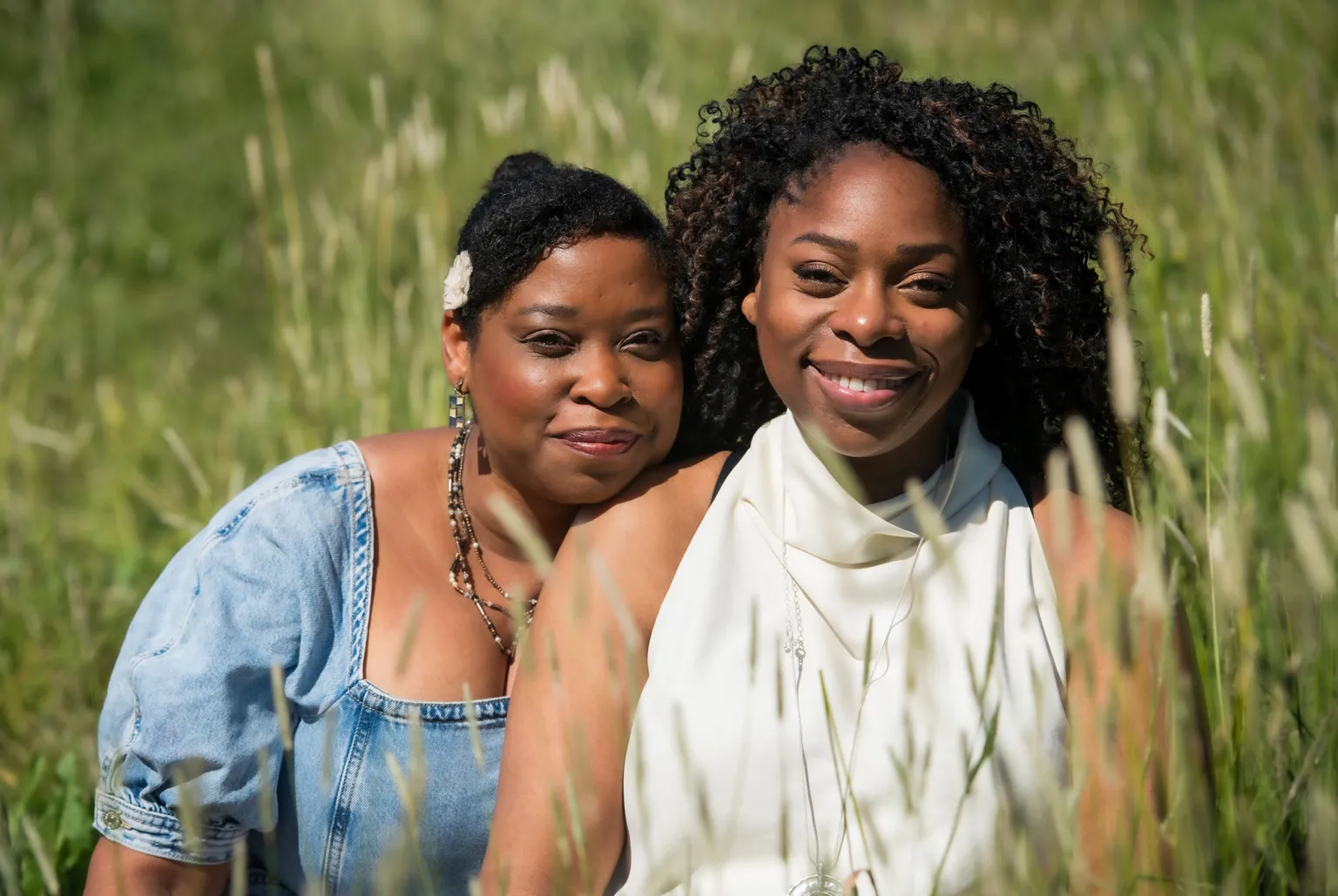
Lavinia and Michelle Osbourne, 49, are the only documented case of heteropaternal superfecundation in British history, a rare biological phenomenon that has upended their understanding of family.
PAKISTAN —
Key facts
- Lavinia and Michelle Osbourne, 49, are non-identical twins born in Nottingham in 1976.
- DNA tests from Ancestry in 2022 revealed they have different fathers, making them half-sisters.
- Heteropaternal superfecundation occurs when a woman releases multiple eggs fertilized by sperm from different men.
- Fewer than 20 such cases have been documented worldwide; this is the first in the UK.
- The twins were raised in unstable homes and relied on each other for stability.
- Their mother was a 19-year-old who had suffered abuse and was in foster care.
- Michelle felt unsurprised by the revelation; Lavinia was devastated.
- The twins have a close bond, reporting feeling each other's pain and emotions.
A DNA Test Unravels a Family Secret
When Lavinia Osbourne opened an email from the genealogy firm Ancestry in September 2022, a sense of dread washed over her. The results of her at-home DNA test confirmed what she had perhaps subconsciously feared: she and her twin sister, Michelle, were not full siblings. They were half-sisters, sharing the same mother but different fathers. The revelation, which came when the twins were 45, shattered the foundation of their shared identity. For Lavinia, it was devastating. "She was the one thing that belonged to me, the one thing that I was certain about, the one thing that I was sure of," she said. "And then she wasn't."
The Science Behind the Rarity
The twins' existence is the result of heteropaternal superfecundation, an extremely rare biological process. For it to occur, a woman must release more than one egg during the same menstrual cycle, have intercourse with multiple partners during her fertile window, and have each egg fertilized by sperm from different men. The resulting embryos must then survive to term. Fewer than 20 such cases have ever been documented worldwide, and the Osbourne twins are the first recorded in the UK. The actual number is likely higher, but cases come to light only when both twins take DNA tests. Non-identical twins typically share the same proportion of maternal and paternal genes, so a discrepancy is the only clue.
A Childhood of Instability, Anchored by Each Other
Lavinia and Michelle were born prematurely in Nottingham in 1976 via emergency caesarean section. Their mother was a vulnerable 19-year-old who had suffered abuse at the hands of her stepfather and spent much of her own childhood in foster care. The twins were passed between homes and carers, attending multiple schools and never knowing a stable family environment. Throughout their turbulent upbringing, the only constant was each other. "The only stability the non-identical twins had was each other," the sisters recalled. Their mother rarely spoke of their father, identifying him only as a man named James, who was absent from their lives.
Contrasting Reactions to the Discovery
When Lavinia called Michelle to share the news, their responses diverged sharply. Lavinia was overwhelmed by a sense of loss, while Michelle felt a strange relief. "I wasn't surprised," Michelle said. "I'm still in amazement that this can actually happen – it's super weird, super odd, super rare – but it makes sense." The twins had always sensed differences that went beyond the usual twin dynamics. Michelle had long questioned why she had so little in common with the man their mother claimed was their father. The DNA results provided an explanation, even as they raised new questions about their mother's life at the time of conception.
A Bond Beyond Biology
Despite the revelation, the twins' connection remains profound. They describe a "twin magic" that allows them to sense each other's emotions and even physical pain. "I can feel when she's upset, and she can feel when I'm upset," Michelle said. Lavinia recalled an incident when Michelle spilled hot water on her leg, and she felt it. The sisters have led parallel but opposite lives: Lavinia moved to Barcelona in her early 20s, while Michelle settled in Iceland. Lavinia runs a platform for women in blockchain; Michelle owns a sewing company and appeared on the first series of The Great British Sewing Bee. "We do things that are parallel, but opposite," Lavinia said.
The Search for Answers Continues
The DNA results have opened a new chapter for the twins, one filled with unanswered questions about their mother's circumstances. Michelle, who initiated the tests to understand her own history, now wonders what must have been going on in their mother's life when they were conceived. The twins have few photographs from childhood and only scattered stories of maternal affection, such as their mother nestling them under her jumper to keep them warm. As they navigate this new reality, Lavinia and Michelle remain bound by their shared history and the extraordinary circumstances of their birth. Their story, now documented as a unique case in British medical history, challenges assumptions about family, identity, and the limits of biological possibility.
The bottom line
- The Osbourne twins are the only documented case of heteropaternal superfecundation in the UK.
- The phenomenon requires a woman to release multiple eggs fertilized by different men in the same cycle.
- Fewer than 20 such cases have been recorded globally, though the actual number may be higher.
- The twins' childhood was marked by instability, with each other as their only constant.
- Michelle was unsurprised by the DNA results, while Lavinia felt devastated.
- The discovery has prompted the twins to seek more information about their mother's life.



Pakistan Meteorological Department Dismisses Viral 'Heat Burst' Warning as Unfounded
Riyan Parag fined 25% of match fee for vaping in IPL dressing room

Chief Minister of Khyber Pakhtunkhwa — and what comes next