US Treasury Sets New I Bond Rate at 4.26% as Inflation Surge Revives Investor Interest
The composite rate, effective through October, combines a 0.90% fixed component with a variable 3.34% inflation-linked portion, drawing renewed attention after a period of lukewarm demand.

PAKISTAN —
Key facts
- New Series I bonds will pay 4.26% annual interest from May 1 through October 31, 2026.
- The rate is up from 4.03% offered through April 30.
- The variable portion is 3.34%, based on inflation data; the fixed portion is 0.90%.
- The I bond rate hit a record 9.62% in May 2022.
- Consumer prices rose 3.3% year-over-year in March, up from 2.4% in February.
- Gasoline prices surged 18.9% year-over-year in March; month-to-month they rose 21.2%.
- The U.S. and Israel launched airstrikes against Iran on February 28.
- David Enna, founder of Tipswatch.com, noted that interest in I Bonds had waned before the latest inflation data.
New Rate Announced Amid Shifting Economic Landscape
The U.S. Department of the Treasury has set the annual interest rate for newly purchased Series I savings bonds at 4.26% for the six-month period starting May 1 through October 31, 2026. The rate marks an increase from the 4.03% yield offered through April 30, reflecting a modest uptick in the inflation-adjusted component. The composite rate comprises a variable portion of 3.34%, derived from recent inflation data, and a fixed rate of 0.90% — unchanged from the fixed rate announced in October. For existing bondholders, rates will adjust automatically based on their purchase date, though the Treasury did not specify individual recalculation schedules. The announcement comes as the broader economic environment shows signs of renewed inflationary pressure, with the Consumer Price Index rising 3.3% year-over-year in March, compared to 2.4% in February.
Inflation Spike Reshapes Investor Calculus
The latest CPI report, released April 10 by the U.S. Bureau of Labor Statistics, revealed a sharp acceleration in consumer prices. Gasoline prices jumped 18.9% over the past 12 months, and fuel oil surged 44.2% year-over-year. On a month-to-month basis, gasoline prices rose 21.2% in March alone. This inflationary shock has altered the outlook for I Bonds, which are designed to protect savings against rising prices. The composite rate adjusts every six months based on inflation, making the bonds particularly attractive when price pressures intensify. David Enna, founder of Tipswatch.com, a website that tracks Treasury inflation-protected securities and I bond rates, observed that "people were definitely losing interest in I Bonds" before the latest data. The new figures, he said, have changed that narrative.
Geopolitical Tensions Add Uncertainty to Inflation Outlook
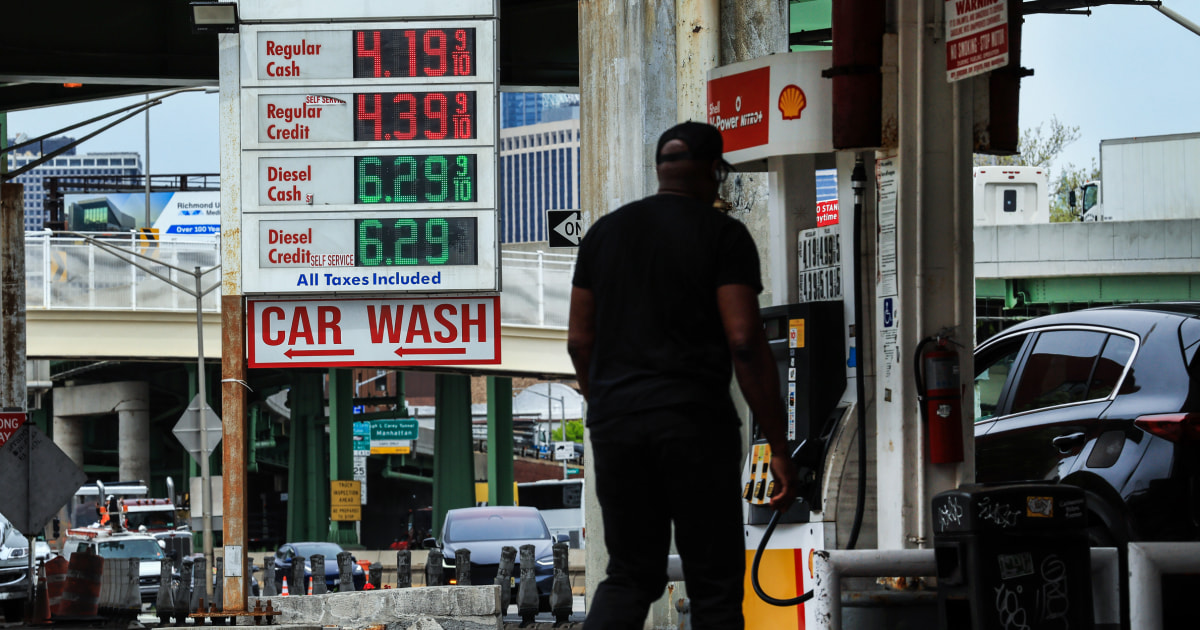
The inflation surge coincides with escalating geopolitical instability. On February 28, the United States and Israel launched widespread airstrikes against Iran, a development that could further disrupt energy markets and push prices higher. Analysts warn that the conflict may exacerbate supply constraints, particularly in oil and refined products. For savers, the combination of stock market volatility and rising inflation has renewed the appeal of government-backed, nearly risk-free assets. I Bonds, which can serve as both emergency savings and a conservative portfolio hedge, offer a guaranteed return linked to inflation, insulating holders from dramatic downturns in equities. "Anyone who drives by a gas station sees how prices at the pump skyrocketed," noted one observer, highlighting the visceral impact of inflation on everyday consumers.
Historical Context: From Record Highs to Lukewarm Demand
The I bond rate hit a record high of 9.62% in May 2022, when inflation peaked at 9.1% — the highest level in 40 years. Investors poured into the bonds, attracted by the nearly risk-free, inflation-protected returns. However, as inflation moderated, many shorter-term holders redeemed their bonds, and demand cooled. Earlier this year, Enna described I bond interest as "lukewarm," reflecting the decline in inflation from its 2022 peak. The fixed rate, which has remained at 0.90% since October, has continued to appeal to longer-term investors seeking a stable real return, even as the variable component fluctuates. The current 4.26% rate, while far below the 2022 peak, represents a meaningful increase from the previous 4.03% and may attract savers who had been considering selling their older bonds.
Strategic Considerations for Savers and Investors
For those holding I Bonds purchased during the high-rate period, the decision to sell or hold now requires careful evaluation. Selling bonds that still carry a high composite rate could mean forfeiting future inflation protection, especially if price pressures persist. Conversely, redeeming bonds to cover expenses may be necessary for some households. Experts advise that savers should prioritize which bonds to sell, if any, based on their fixed-rate component and remaining time to maturity. Bonds with higher fixed rates may be worth retaining, while those with lower fixed rates might be candidates for redemption. The Treasury's announcement also affects new purchasers: bonds bought between May 1 and October 31 will lock in the 4.26% rate for six months, after which the rate will reset based on inflation trends. For investors seeking a hedge against further inflation, the current rate offers a solid real return above recent CPI readings.
Outlook: Inflation Trajectory and Bond Performance
The path of I bond rates hinges on future inflation data. If the March CPI spike proves transitory, the variable component could decline in subsequent periods, reducing the composite rate. However, if geopolitical tensions and supply disruptions persist, inflation may remain elevated, supporting higher bond yields. The Federal Reserve's decision to keep interest rates unchanged in April adds another layer of complexity. Lower policy rates typically reduce the opportunity cost of holding I Bonds, while higher rates make alternative fixed-income investments more competitive. For now, the 4.26% rate provides a benchmark for savers weighing safety against return. As Enna noted, the recent inflation data has "changed everything" for I Bonds, restoring their relevance in a volatile economic landscape.
The bottom line
- The new I bond composite rate of 4.26% is effective for purchases from May 1 through October 31, 2026.
- The rate includes a fixed component of 0.90% and a variable component of 3.34% tied to inflation.
- March CPI data showed consumer prices rising 3.3% year-over-year, up from 2.4% in February, driven by energy costs.
- Geopolitical risks, including U.S.-Israel airstrikes on Iran, may further stoke inflation and support I bond demand.
- Investors should assess their individual bond holdings carefully before selling, considering fixed rates and inflation expectations.
- The Federal Reserve's unchanged interest rate policy influences the relative attractiveness of I Bonds versus other savings vehicles.



Rain Washes Out Second T20I in Chattogram, Bangladesh Clinch Series
Rain Washes Out Second T20I as Bangladesh Secures Series Lead
U.S. Gas Prices Hit Record $4.23 as Iran War Disrupts Strait of Hormuz