India Braces for Dual Weather Threat: Scorching Heat and Western Disturbance
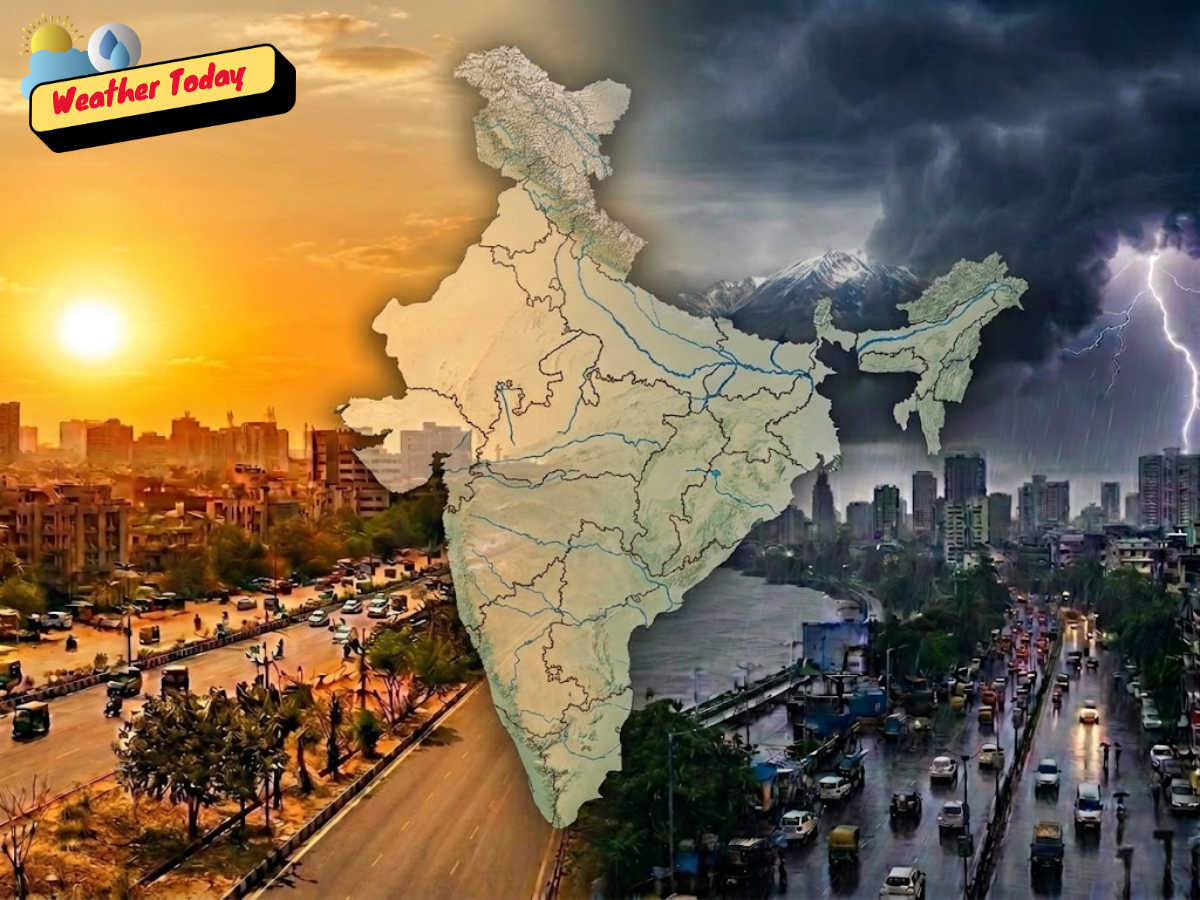
As temperatures soar to 43°C in parts of Gujarat and Rajasthan, a new Western Disturbance is set to bring rain and snowfall to the Himalayan region, complicating the early summer surge.

PAKISTAN —
Key facts
- Maximum temperatures range from 24°C to 43°C across Indian cities.
- Ahmedabad recorded a minimum of 28°C and maximum of 43°C.
- Rajasthan faces extreme heat pockets above 42°C.
- Gujarat experiences severe heat zones near 43°C.
- high heat stress around 40–42°C.
- Srinagar remains cool with a minimum of 7°C and maximum of 15°C.
- A new Western Disturbance is expected to hit Northwest India on May 3, 2026.
- Bengaluru and other South Indian cities may see rain or thundershowers on May 2.
Heat Wave Intensifies Across Plains
India is experiencing a sharp shift in weather patterns as heat levels climb across several states, with temperatures ranging between a minimum of 24°C and a maximum of 43°C in many cities. The rapid heating is driven by delayed pre-monsoon activity and dry western winds, reducing cloud cover and accelerating daytime heating across the plains. Central and northwestern India are particularly affected. Ahmedabad has reached a minimum of 28°C and a maximum of 43°C, while extreme heat pockets above 42°C and Gujarat faces severe heat zones near 43°C. Delhi-NCR is under high heat stress around 40–42°C, and Uttar Pradesh experiences persistent warm conditions up to 40°C. Telangana and Andhra regions are grappling with high humidity heat stress zones, compounding the discomfort for residents.
Western Disturbance to Bring Rain and Snow to the Hills
A new Western Disturbance is set to hit Northwest India on May 3, 2026, bringing mixed signals to the Himalayan region. Light rainfall is expected in lower valleys, while higher altitudes may still witness light snowfall. In Srinagar, temperatures remain cool at a minimum of 7°C and a maximum of 15°C, keeping hill weather stable but changeable. The disturbance is expected to provide some relief from the heat in the northern plains, but also poses risks of thunderstorms and strong surface winds.
South Indian Cities Brace for Thunderstorms
On May 2, 2026, the India Meteorological Department forecasted rain or thundershowers for several South Indian cities. Bengaluru is expected to have rain or thundershowers towards afternoon or evening, with temperatures ranging between a low of 23°C and a high of 35°C, and humidity levels between 50% and 70%. Hyderabad is likely to experience a partly cloudy sky with the possibility of rain, thunderstorm, or duststorm. Temperatures are expected to range between a low of 28°C and a high of 41°C, with humidity levels between 41% and 71%. No weather warnings have been issued for Hyderabad. Thiruvananthapuram is expected to have a partly cloudy sky with one or two spells of rain or thundershowers, with temperatures between 26°C and 35°C and humidity at 75%. Chennai is likely to see a generally partly cloudy sky with one or two spells of rain or thundershowers, with temperatures between 28°C and 42°C, and a warning of thunderstorms accompanied by lightning and strong surface winds.
Delhi and Other Northern Cities Face High Heat Stress
Delhi-NCR is under high heat stress with temperatures around 40–42°C, as hazy conditions prevail during morning hours. The maximum temperature is likely to be around 40°C, with a minimum of 28°C. No rainfall was recorded in the city up to 20:30 hours IST. The combination of high temperatures and hazy conditions is expected to exacerbate discomfort for residents. The India Meteorological Department has not issued any specific heat wave warnings for Delhi, but the conditions align with the broader heat surge affecting the region.
Why the Heat Is Building Up So Fast
The rapid heating across India is driven by delayed pre-monsoon activity and dry western winds. Reduced cloud cover and rising solar radiation are accelerating daytime heating across the plains, particularly in central and northwestern India. This early summer surge, combined with unstable atmospheric conditions in select regions, points toward a challenging weather pattern. The Western Disturbance may provide temporary relief in the north, but the overall trend indicates continued high temperatures and potential heat wave conditions in the coming days.
Outlook: Relief in the Hills, Continued Heat in Plains
While the Western Disturbance is expected to bring rain and snowfall to the Himalayan region, providing some respite, the plains are likely to continue experiencing high heat stress. The India Meteorological Department's forecast for May 3 indicates that the heat wave conditions in Rajasthan, Gujarat, Delhi-NCR, and Uttar Pradesh may persist. Residents in affected areas are advised to take precautions against heat-related illnesses, while those in the hills should prepare for intermittent precipitation. The coming days will reveal whether the Western Disturbance can significantly alter the trajectory of the early summer heat.
The bottom line
- India is experiencing a dual weather threat: a heat wave across plains and a Western Disturbance bringing rain/snow to the hills.
- Temperatures in many cities range from 24°C to 43°C, with Ahmedabad hitting 43°C and Delhi-NCR around 40–42°C.
- Rajasthan and Gujarat face extreme heat pockets above 42°C and 43°C respectively.
- A new Western Disturbance on May 3 will bring light rainfall to lower valleys and snowfall to higher altitudes in the Himalayas.
- South Indian cities like Bengaluru, Hyderabad, Chennai, and Thiruvananthapuram are forecasted to have rain or thundershowers on May 2.
- The heat buildup is driven by delayed pre-monsoon activity and dry western winds, with reduced cloud cover accelerating daytime heating.



Pakistan Meteorological Department Dismisses Viral 'Heat Burst' Warning as Unfounded

Riyan Parag fined 25% of match fee for vaping in IPL dressing room

Khyber-Pakhtunkhwa Chief Minister Sohail Afridi Calls for Cross-Party Unity Against Drone Strikes