Hantavirus Outbreak on Cruise Ship Prompts Global Tracing Effort
Authorities race to track passengers who disembarked after deaths linked to the Andes strain, with Argentina investigating its potential role.
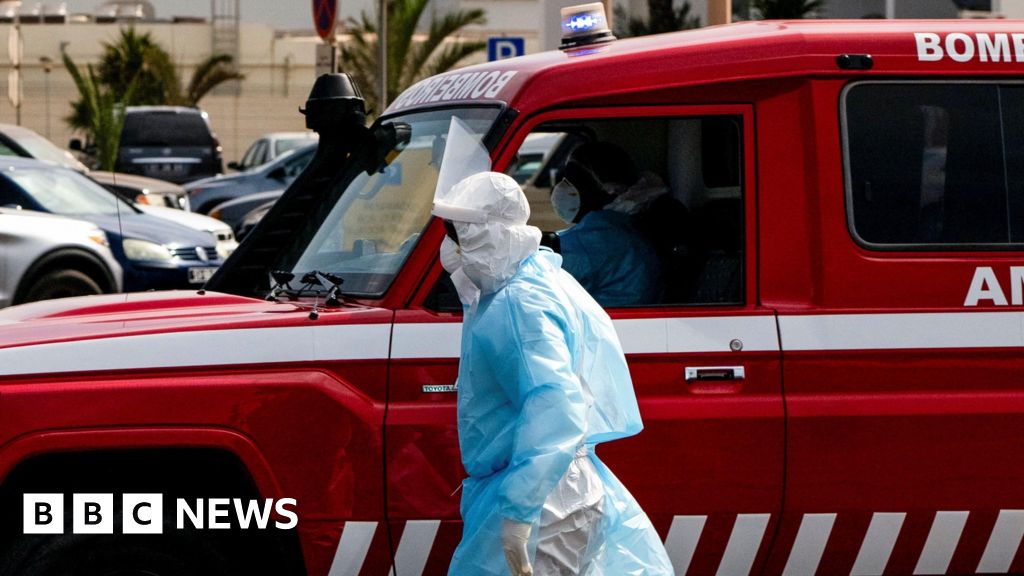
QATAR —
Key facts
- Three passengers have died from hantavirus, either on board or after returning from a cruise.
- Eight cases, including three confirmed and five suspected, have been identified among ship passengers.
- The Andes strain of hantavirus, capable of human-to-human transmission, is behind the outbreak.
- Passengers potentially exposed have flown to numerous countries, including the UK, US, and Netherlands.
- Argentina has seen a surge in hantavirus cases, with infections doubling in the past year.
- The mortality rate for hantavirus pulmonary syndrome in Argentina has nearly doubled in the last year.
- Argentina is sharing genetic material and testing equipment to aid international detection efforts.
Global Hunt for Exposed Passengers Underway
An international health alert is in effect as authorities scramble to trace passengers who may have been exposed to a deadly hantavirus outbreak on a cruise ship. The vessel, which departed from Argentina a month ago, has seen three passengers die either onboard or after their return home. Four others have been medically evacuated for urgent treatment, underscoring the seriousness with which health officials are treating the situation. The immediate priority is identifying and monitoring individuals who have already travelled to numerous countries, including the United Kingdom, South Africa, the Netherlands, the United States, and Switzerland. This vast tracing operation highlights the interconnectedness of global travel and the potential for rapid dissemination of infectious agents. Despite the concerning developments, health experts emphasize that the risk to the general public remains low. The specific strain involved, the Andes virus, is not as easily transmissible as other common viruses, and human-to-human spread, while possible, is not the primary mode of infection.
The Andes Strain: A Rare But Potent Threat
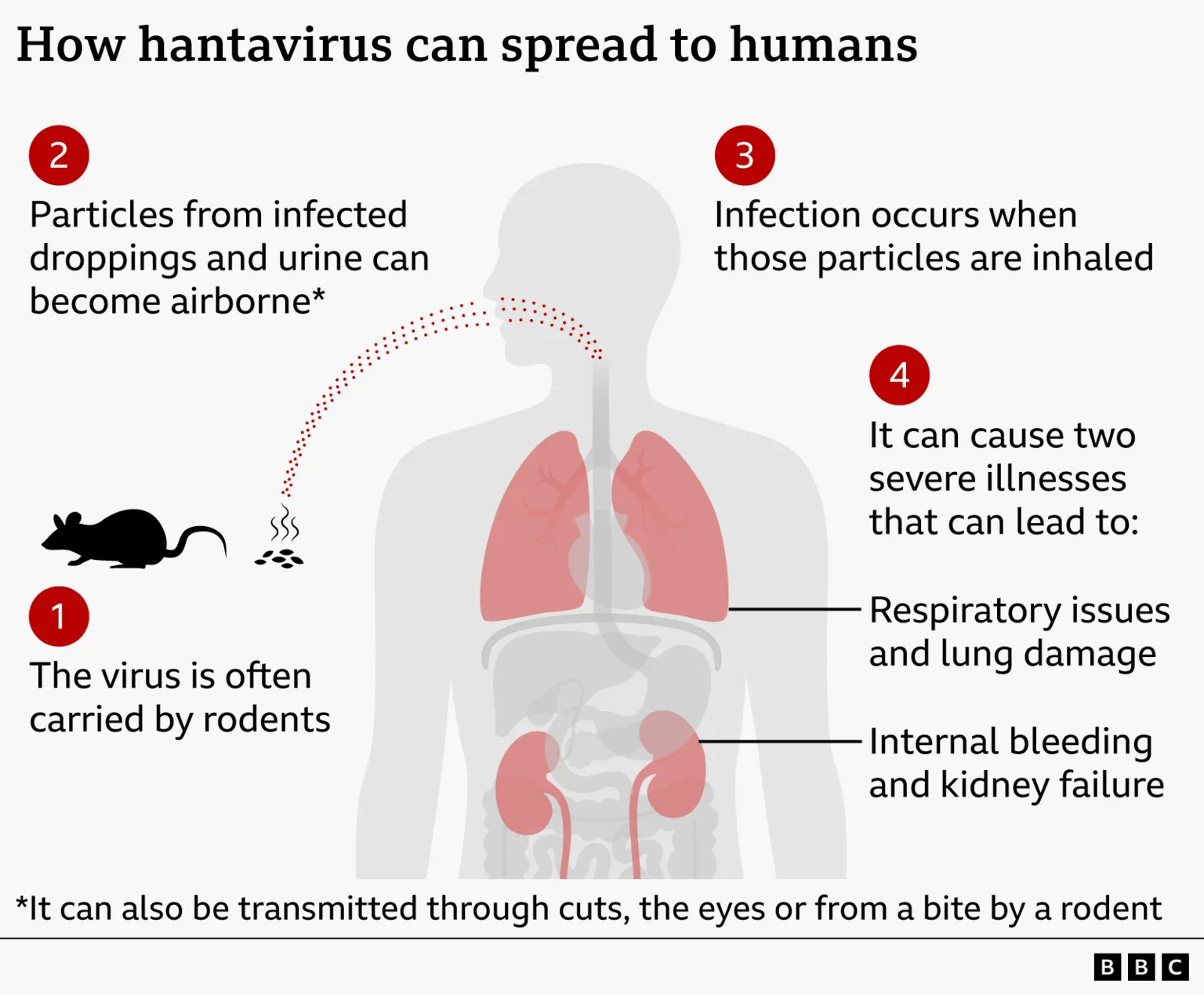
The outbreak is attributed to the Andes strain of hantavirus, a variant known for its potential to spread between humans. Unlike the more common rodent-to-human transmission, which occurs through inhaling virus particles from rodent urine, droppings, or saliva, the Andes strain can pass from person to person through very close contact. Experts believe this human-to-human transmission may have occurred among passengers sharing the relatively confined spaces of the cruise ship. While the World Health Organization (WHO) has stressed that this is not the beginning of a pandemic and that hantavirus spreads very differently from diseases like COVID-19 or influenza, the potential for human transmission warrants careful monitoring. The WHO has identified eight cases among those on the ship, comprising three confirmed and five suspected infections. The cruise had visited remote wildlife areas, raising the possibility that passengers contracted the virus from rodents before or during their voyage. The close living quarters typical of even luxury cruise ships, where individuals share cabins and dining areas, can facilitate the spread of infections among those in prolonged physical proximity.
Argentina Grapples with a Hantavirus Surge
Officials and experts in Argentina are urgently investigating whether their country is the source of the deadly outbreak. The cruise ship, MV Hondius, set sail from Argentina, a nation that consistently ranks high for hantavirus incidence in Latin America, according to the WHO. Argentina is currently experiencing a significant surge in hantavirus cases. 101 infections since June 2025, a figure that is roughly double the number recorded during the same period the previous year. This increase has led many local public health researchers to attribute the rise to the accelerating effects of climate change. Experts suggest that higher temperatures are expanding the range of hantavirus-carrying rodents, allowing them to thrive in more diverse environments. This phenomenon, coupled with the typical transmission route from rodents, contributes to the heightened caseload.
Mounting Mortality and Climate Change Links
The Andes virus, prevalent in South America, can cause a severe and often fatal lung disease known as hantavirus pulmonary syndrome. In the past year, the disease has led to death in nearly a third of reported cases in Argentina, a stark increase from the average mortality rate of 15 percent observed in the five years prior. This alarming rise in fatalities has prompted concern among health officials and researchers. The connection drawn between the surge in cases and climate change is a significant area of focus, with warmer temperatures potentially altering rodent habitats and increasing human exposure. Families in Argentina are mourning the loss of loved ones to the virus. In one poignant case, 14-year-old Rodrigo Morinigo died in January in San Andrés de Giles after initially being misdiagnosed with the flu. His parents recounted the swift progression of his illness, which led to his death just hours after a positive hantavirus test.
International Cooperation in Detection and Response
In response to the escalating situation, Argentina has pledged support to several countries grappling with potential detections of the Andes virus. The nation announced on Wednesday that it is providing genetic material from the virus and testing equipment to assist Spain, Senegal, South Africa, the Netherlands, and the United Kingdom in their diagnostic efforts. This collaborative approach is crucial for containing the spread and understanding the geographical reach of the outbreak. By sharing vital resources, Argentina aims to bolster the capacity of other nations to identify and manage cases effectively. The WHO's involvement, particularly through experts like Dr. Maria Van Kerkhove, provides a global perspective and reassures the public about the controlled nature of the current risk. The organization's clear communication aims to prevent undue alarm while ensuring that necessary public health measures are implemented.
Navigating the Uncertainties Ahead
As the tracing efforts continue, the full extent of the hantavirus outbreak remains to be seen. The number of potentially exposed individuals and the geographical spread of infections will dictate the scale of the ongoing public health response. The investigation into Argentina as the potential origin point adds another layer of complexity, particularly given the noted increase in national cases and the suspected link to climate change. Understanding this connection could have broader implications for public health strategies in regions vulnerable to environmental shifts. For now, the focus remains on diligent contact tracing, robust medical surveillance, and international cooperation to mitigate the impact of this rare but dangerous virus. The situation underscores the persistent challenges posed by zoonotic diseases and the critical need for preparedness in an increasingly interconnected world.
The bottom line
- A hantavirus outbreak on a cruise ship has led to three deaths and prompted a global passenger tracing effort.
- The Andes strain, capable of human-to-human transmission, is the cause, though human spread is considered rare.
- Argentina is investigating its role as a potential source amidst a significant national surge in hantavirus cases.
- Experts link Argentina's hantavirus increase to climate change, which may be expanding rodent habitats.
- The mortality rate for hantavirus pulmonary syndrome in Argentina has nearly doubled in the past year.
- International collaboration is underway, with Argentina sharing genetic material and testing equipment.

Hantavirus Andean Strain Found in Deadly Cruise Ship Outbreak

Marsh's Century, Yadav's Bowling Seal LSG Victory Over RCB

تفشي فيروس هانتا على متن سفينة سياحية يثير قلقاً دولياً