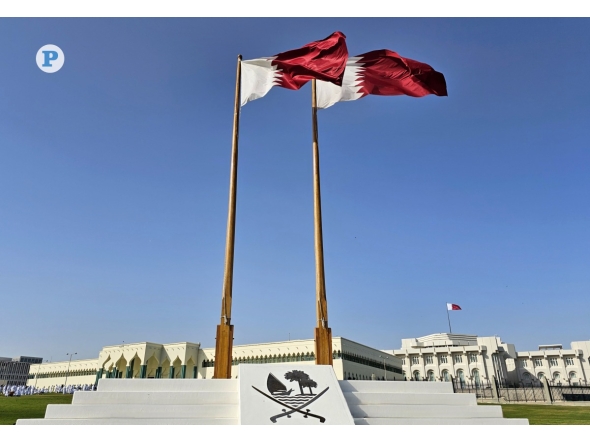
Qatar intercepts second wave of Iranian missiles as regional tensions escalate
The Gulf state's armed forces shot down drones and cruise missiles launched from Iran, while condemning attacks on the UAE that injured Indian nationals.

QATAR —
Key facts
- Qatar's Armed Forces intercepted a second wave of missile attacks from Iran on Sunday.
- Drones and cruise missiles launched from Iran were shot down by Qatari defenses.
- Iranian attacks on civilian sites in the UAE injured three Indian nationals.
- A residential building in Oman's Wilayat of Bukha was attacked, injuring two expatriates.
- Alaraby TV bureau in Tehran was damaged by a missile strike, injuring 10 people.
- Qatar strongly condemned the renewed Iranian missile and drone attacks on the UAE.
- The UAE temporarily transitioned school education to remote learning from May 5 to 8, 2026.
Qatar intercepts second wave of Iranian missiles
Qatar's Armed Forces intercepted a second wave of missile attacks from Iran on Sunday, following an earlier interception of drones and cruise missiles. The military confirmed the successful neutralization of threats, though details on the number of projectiles intercepted were not disclosed. The attacks come amid heightened regional tensions, with Iran launching multiple salvos targeting civilian sites and facilities in the United Arab Emirates. Qatar's swift response underscores its readiness to defend its airspace and its commitment to regional stability.
Condemnation of attacks on UAE and Oman
The State of Qatar strongly condemned the renewed Iranian attacks targeting civilian sites and facilities in the sisterly United Arab Emirates using missiles and drones, which resulted in injuries to three Indian nationals. Qatar considers these attacks a violation of international law and a threat to regional peace. In a separate incident, the on Monday that a security source stated a residential building housing company employees in the Tibat area of the Wilayat of Bukha was targeted in an attack. The assault caused moderate injuries to two expatriates, damaged four vehicles, and shattered windows in a neighboring house. Omani authorities are investigating and have affirmed their commitment to ensuring the safety of citizens and residents.
Missile strike damages Alaraby TV bureau in Tehran
A missile strike damaged the Alaraby TV bureau in Tehran, injuring 10 people, according to a statement from the network. The attack on a media outlet adds a new dimension to the conflict, raising concerns about press freedom and the safety of journalists in the region. The incident occurred as Iran continues to launch attacks on neighboring countries, drawing widespread international condemnation. Qatar has not commented specifically on the Alaraby strike but has consistently called for de-escalation.
UAE shifts to remote learning amid security concerns
The UAE Ministry of Education announced Monday the transition to remote learning from Tuesday, May 5 until Friday, May 8, 2026. The decision was taken in response to the ongoing missile and drone attacks, prioritizing the safety of students and staff. The move affects all schools and educational institutions across the UAE, as the country grapples with the security threat. Qatar has also intensified consumer protection measures and its ministries are working to ensure public safety during the crisis.
Wider regional impact and international response
The attacks have disrupted life across the Gulf, with Qatar's Armed Forces on high alert. The Qatari Stock Exchange index opened higher on Monday, gaining 17.36 points, despite the geopolitical tensions. Gold prices continued to decline, falling below $5,000 as the dollar strengthened. Qatar's leadership has been engaged in diplomatic efforts, with the Amir holding a phone call with the UAE President. The country has also demonstrated leadership in sustainability, even as it navigates the security crisis. The global trading system is experiencing its worst disruptions in 80 years, according to the WTO chief, adding to the economic uncertainty.
Outlook: Escalation risks and diplomatic efforts
The repeated Iranian attacks on Gulf states risk a broader regional conflict, with Qatar and the UAE calling for restraint. Qatari authorities have not disclosed whether further interceptions are expected, but the military remains on standby. Diplomatic channels remain open, with Qatar's Ministry of Finance participating in virtual meetings of Arab financial institutions. The international community is closely watching the situation, as any further escalation could have severe consequences for global energy markets and security. Qatar's ability to intercept the attacks demonstrates its military capabilities, but the underlying tensions show no signs of abating.
The bottom line
- Qatar successfully intercepted a second wave of Iranian missiles and drones, demonstrating its defensive capabilities.
- Iranian attacks on the UAE injured three Indian nationals and damaged civilian infrastructure, drawing strong condemnation from Qatar.
- A residential building in Oman was also attacked, injuring two expatriates, as the conflict spills across borders.
- The UAE temporarily shifted to remote learning from May 5 to 8, 2026, due to security concerns.
- Alaraby TV bureau in Tehran was damaged by a missile strike, injuring 10 people, highlighting risks to media outlets.
- Regional tensions remain high, with Qatar engaged in diplomatic efforts while maintaining military readiness.





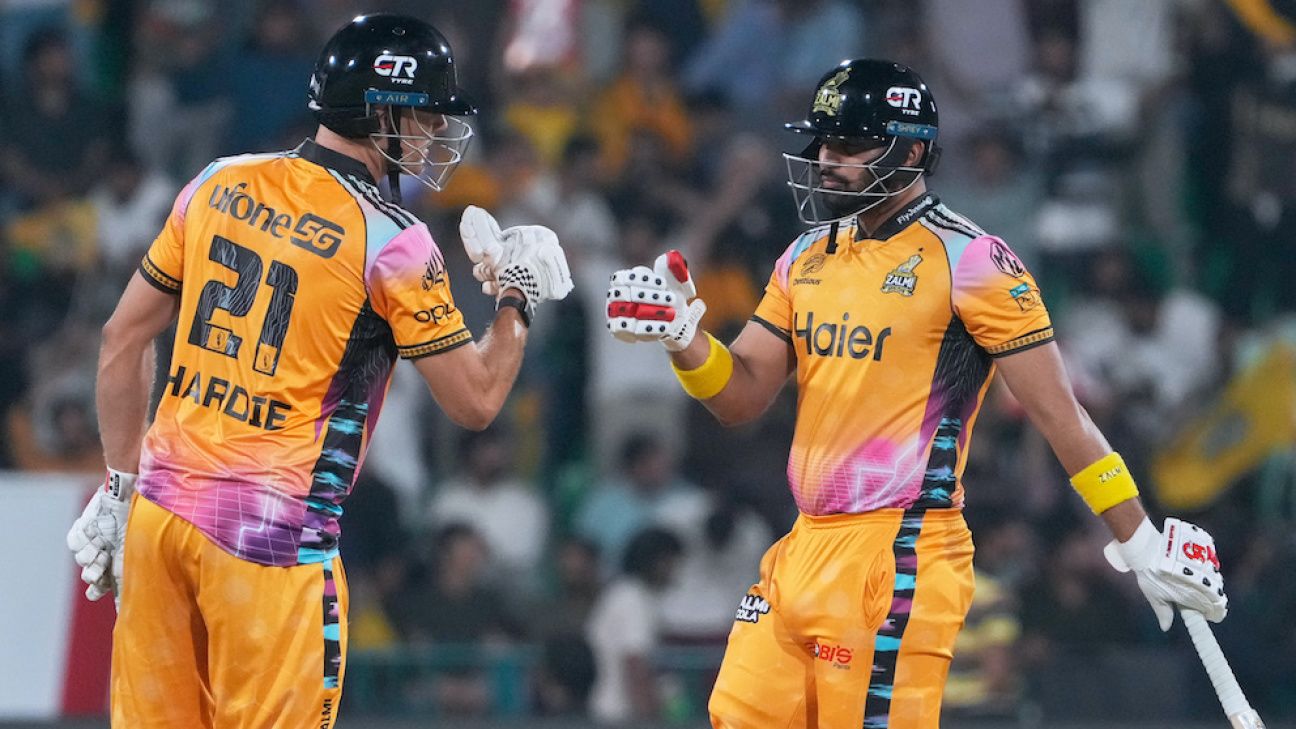
Peshawar Zalmi End Nine-Year Wait with Dominant PSL Final Win Over Hyderabad Kingsmen
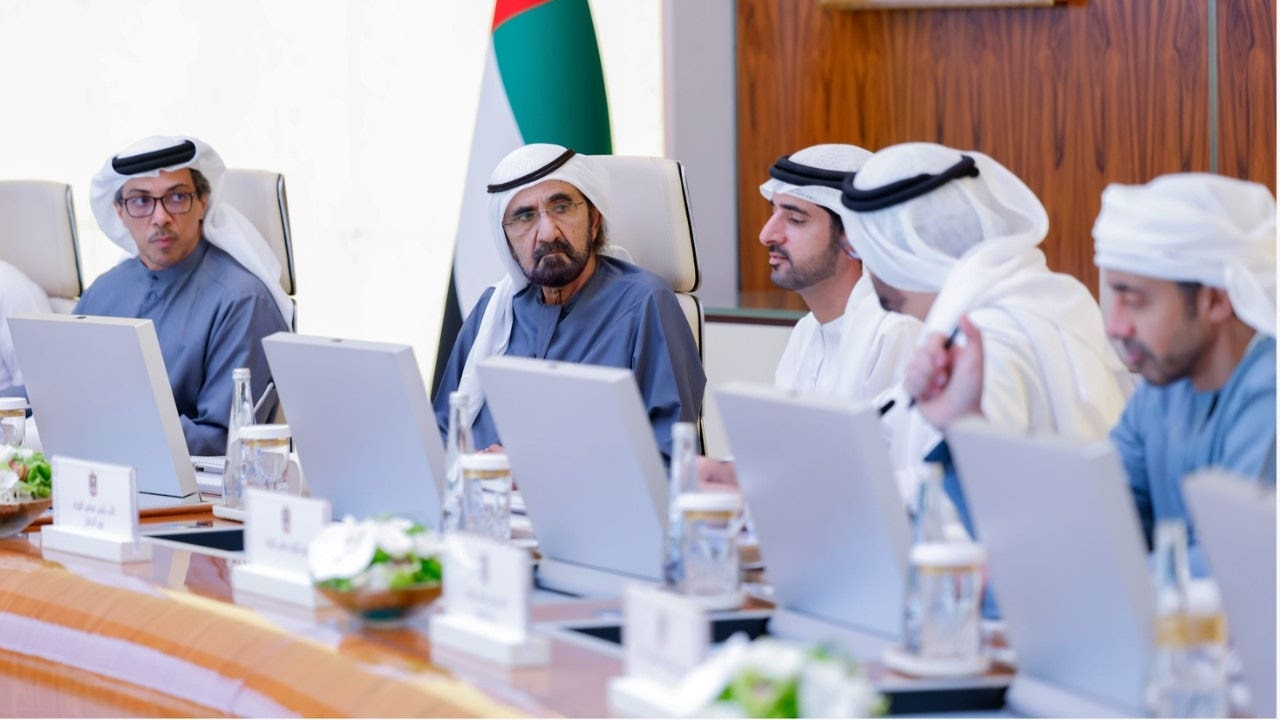
UAE to Deploy Agentic AI Across 50% of Government Operations Within Two Years

Smaran Ravichandran Makes IPL Debut for Sunrisers Hyderabad After Year-Long Wait