BJP Breaches Mamata's Bengal Fortress as Vijay's TVK Reshapes Tamil Nadu Politics
The 2026 assembly elections deliver a historic BJP victory in West Bengal, unseating Mamata Banerjee, while actor Vijay's party ends decades of Dravidian rule in Tamil Nadu.

QATAR —
Key facts
- BJP wins historic victory in West Bengal, unseating Mamata Banerjee.
- Actor Vijay's TVK party leads in Tamil Nadu, ending decades of Dravidian rule.
- Congress-led UDF set to form government in Kerala with 63 seats.
- Assam CM Himanta Sarma wins Jalukbari seat by 89,434 votes.
- DMK concedes defeat in Tamil Nadu; CM Stalin says 'We bow to verdict of people'.
- Mamata Banerjee alleges BJP 'looted' more than 100 seats, vows to 'bounce back'.
- Suvendu Adhikari defeats Mamata Banerjee in Bhabanipur constituency.
A Political Earthquake in Two States
The 2026 assembly elections have dramatically reshaped India's political landscape, with the Bharatiya Janata Party achieving a historic breakthrough in West Bengal and actor Vijay's fledgling party ending decades of Dravidian dominance in Tamil Nadu. The results, announced over the weekend, signal a significant churn across the country, as established powers face challenges from new forces. In West Bengal, the BJP unseated Mamata Banerjee's Trinamool Congress after years of fierce political battles. The party's victory was sealed by a strong performance in key constituencies, including Bhabanipur, where senior BJP leader Suvendu Adhikari defeated Banerjee herself. 'Hats off to people of Bhabanipur,' said Union Home Minister Amit Shah, calling Banerjee an 'anarchic ruler' in a sharp attack.
Vijay's TVK: A New Force in Tamil Nadu
In Tamil Nadu, actor Vijay's Tamilaga Vettri Kazhagam (TVK) emerged as a formidable force, leading the race and pushing the Dravidian parties—the DMK and AIADMK—to the margins. The result ends decades of alternating rule by the two Dravidian giants. Chief Minister M.K. Stalin conceded defeat, saying, 'We bow to the verdict of the people. The DMK's journey will continue.' The TVK's rise has been rapid, leveraging Vijay's massive fan base and a campaign that promised a break from dynastic politics. The party's performance has reshaped the state's political calculus, with analysts calling it a seismic shift.
Kerala's Rotation Cycle and Assam's Pro-Incumbency
Kerala returned to its traditional rotation cycle, with the Congress-led United Democratic Front (UDF) set to form the government. The Congress emerged as the single largest party with 63 seats, ousting the incumbent Left Democratic Front. The result underscores the state's pattern of alternating between the two coalitions. In Assam, the BJP demonstrated that pro-incumbency can prevail, with Chief Minister Himanta Biswa Sarma winning the Jalukbari seat by a margin of 89,434 votes. The victory reinforces the party's stronghold in the northeastern state.
Allegations of Irregularities and Political Fallout
The elections were not without controversy. Mamata Banerjee alleged that the BJP had 'looted' more than 100 seats, calling the process 'immoral and illegal.' Congress leader Rahul Gandhi echoed her concerns, stating there were 'clear cases of election being stolen' and that 100 seats were stolen in Bengal. The BJP dismissed the allegations, with Prime Minister Narendra Modi emphasizing the need to 'revive Ang, Banga, and Kalinga for Viksit Bharat' after the Bengal win. The results have also sparked debate about the future of opposition unity. While some see Mamata's defeat as a blow to anti-BJP forces, others argue it could open space for the Congress to rebuild in the state. 'Why Mamata's defeat is good news for Congress,' read one analysis, suggesting that the Trinamool's decline might allow the Congress to reclaim its traditional base.
National Implications and the Road Ahead
The 2026 assembly elections have sent shockwaves through the national political landscape. The BJP's breakthrough in West Bengal, a state it had long coveted, strengthens its position ahead of the 2029 general elections. Meanwhile, the rise of Vijay's TVK in Tamil Nadu introduces a new player in southern politics, potentially altering alliances and calculations. For the DMK and AIADMK, the results pose existential questions. Both parties must now grapple with a resurgent third force that has captured the public imagination. In West Bengal, Mamata Banerjee has vowed to 'bounce back,' but the scale of the BJP's victory suggests a fundamental shift in the state's political alignment.
A New Chapter in Indian Democracy
The 2026 elections have demonstrated that Indian voters are willing to embrace new alternatives when established parties fail to deliver. The success of Vijay's TVK, a party less than two years old, highlights the growing appetite for change. Similarly, the BJP's victory in West Bengal, achieved through a combination of organizational strength and targeted messaging, shows the party's ability to expand beyond its traditional strongholds. As the dust settles, the winners and losers are clear. The BJP and TVK have emerged as the big winners, while the DMK, AIADMK, and Trinamool Congress face an uncertain future. The results also underscore the volatility of Indian politics, where no party can take its support base for granted.
The bottom line
- The BJP's victory in West Bengal ends Mamata Banerjee's decade-long rule and marks a major expansion of the party's footprint.
- Actor Vijay's TVK ends Dravidian dominance in Tamil Nadu, reshaping the state's political landscape.
- Kerala returns to its rotation cycle with the Congress-led UDF forming the government.
- Assam's BJP government retains power with a strong pro-incumbency mandate.
- Allegations of electoral irregularities in West Bengal have sparked a political row between the BJP and opposition parties.
- The 2026 elections signal a shift towards new political forces and increased volatility in Indian electoral politics.





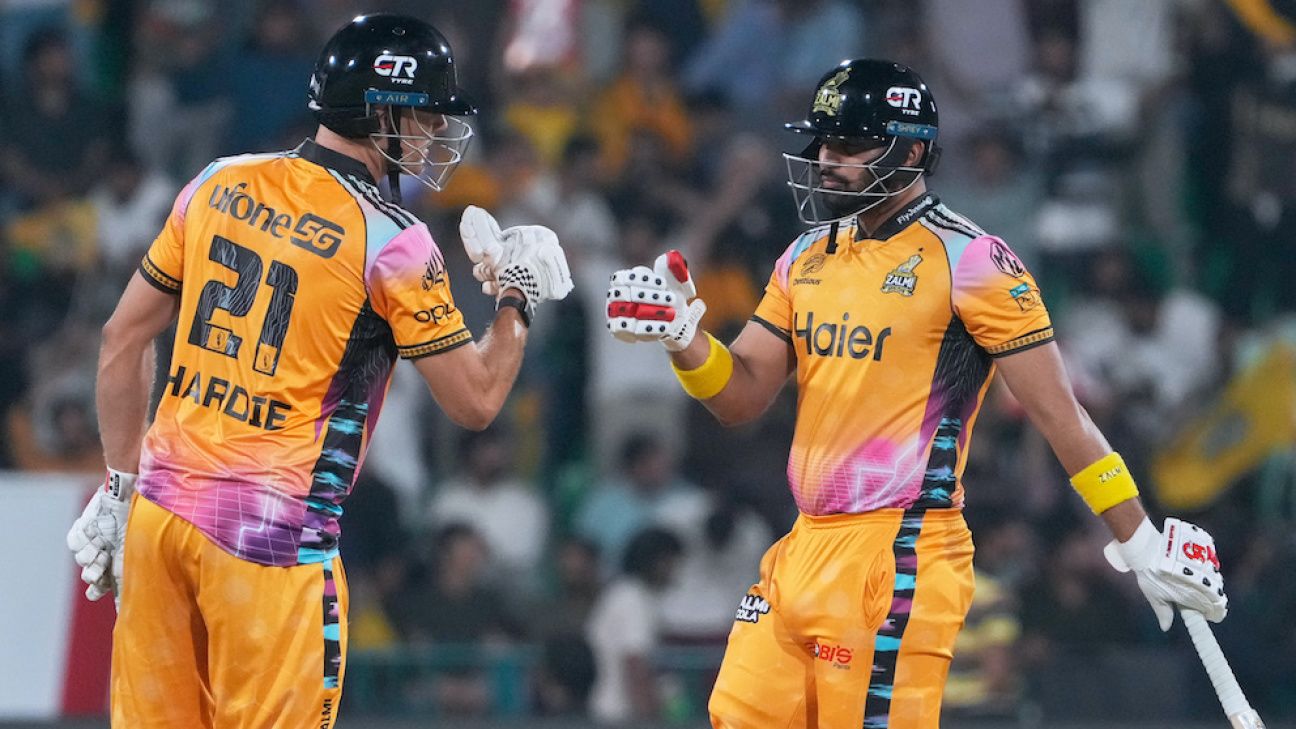
Peshawar Zalmi End Nine-Year Wait with Dominant PSL Final Win Over Hyderabad Kingsmen

Smaran Ravichandran Makes IPL Debut for Sunrisers Hyderabad After Year-Long Wait
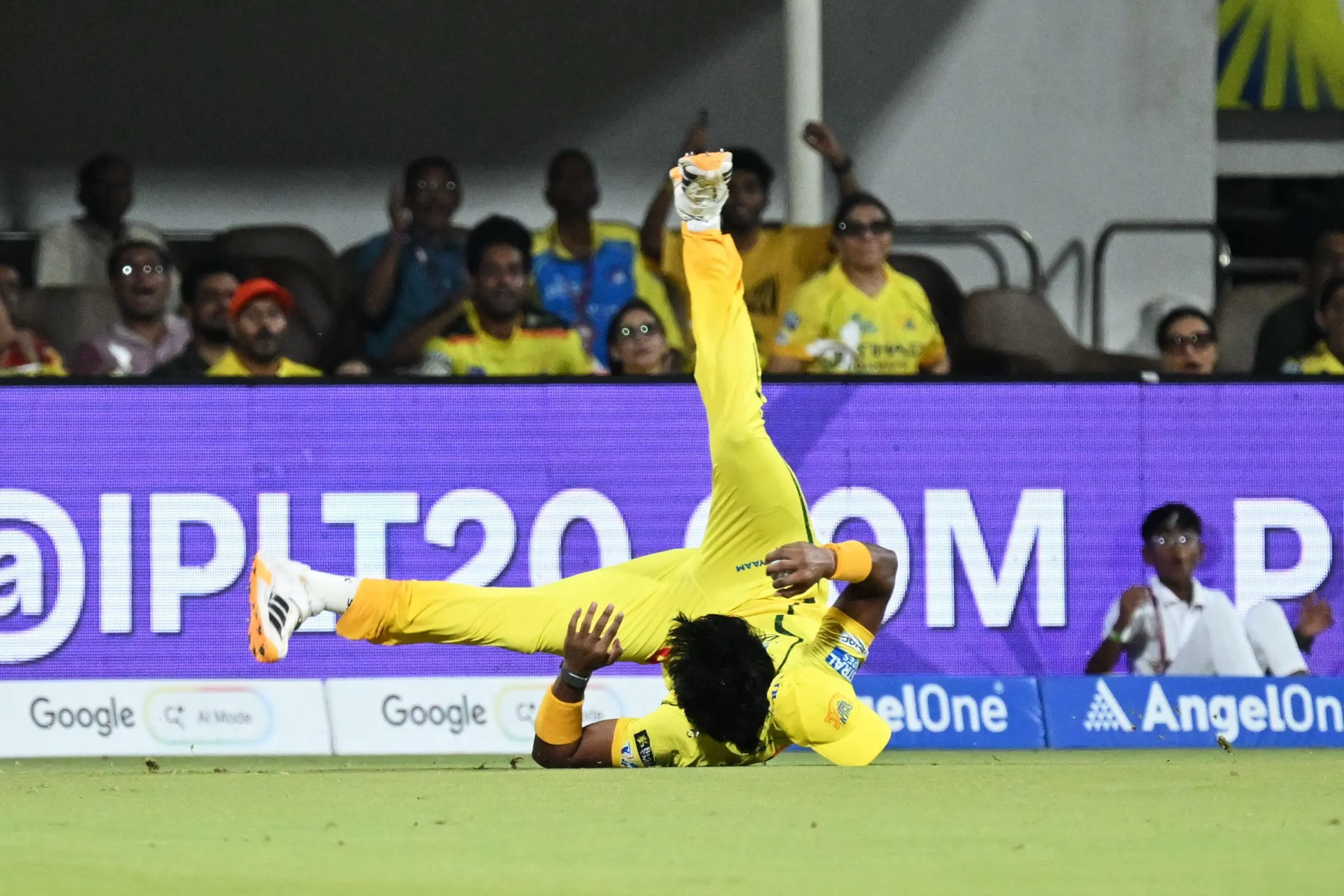
Ramakrishna Ghosh ends two-season wait with debut IPL wicket for CSK against Mumbai Indians