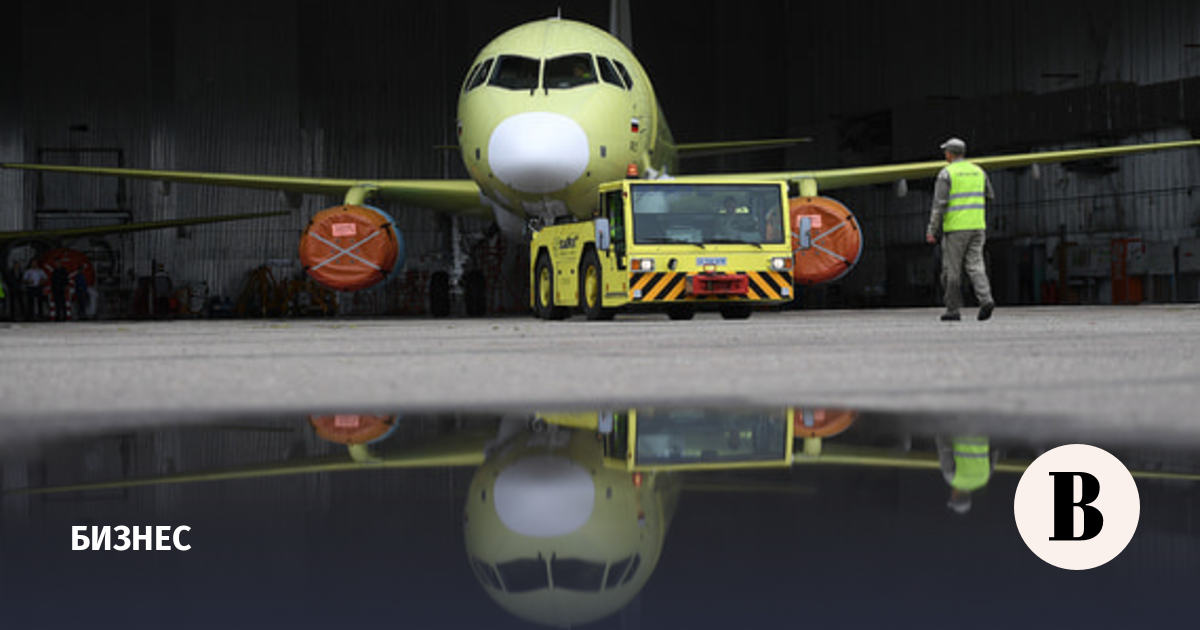
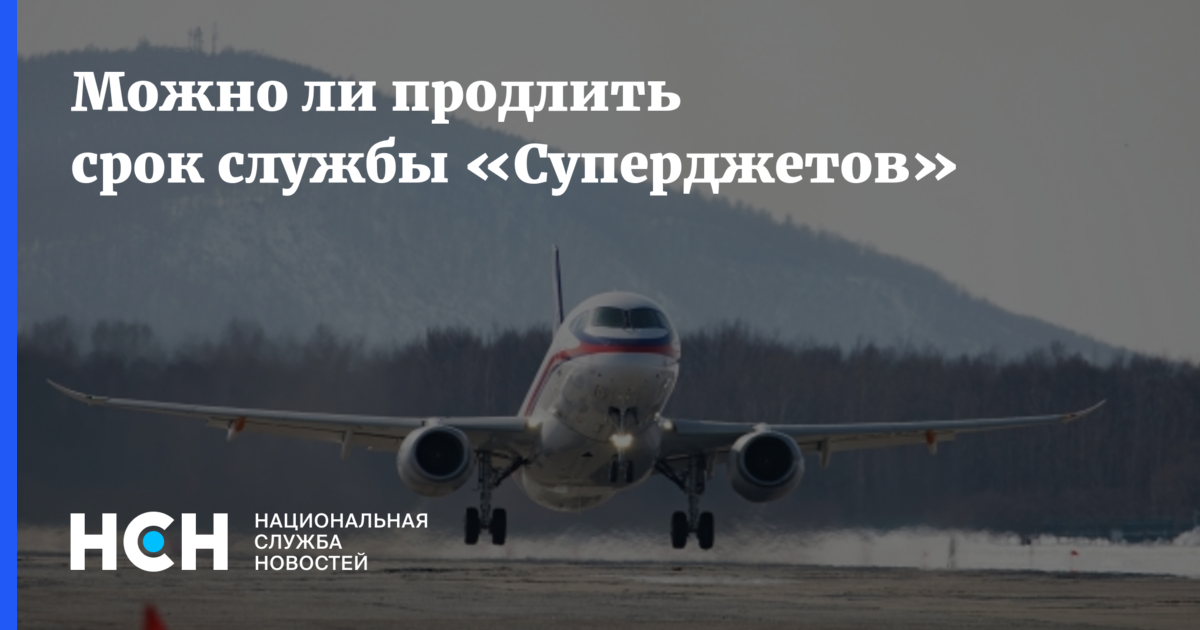
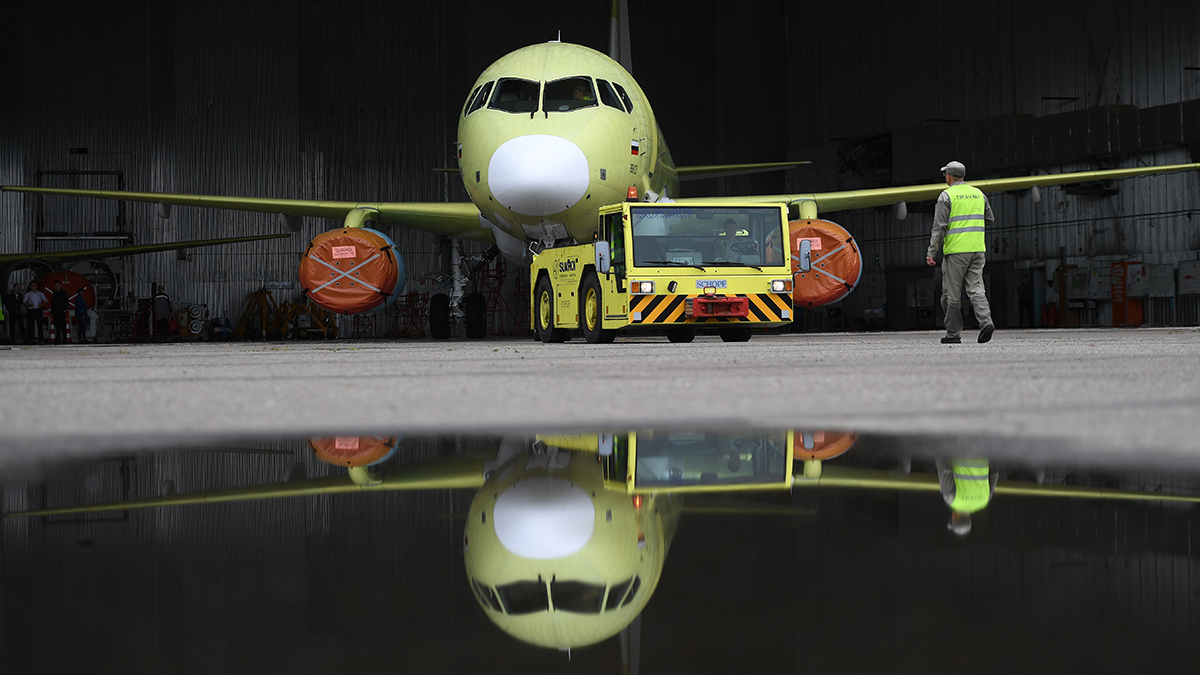
Russia Seeks to Extend Life of Sukhoi Superjet 100 Fleet
Moscow allocates funds to boost reliability and flight hours for aging regional jets as import substitution efforts ramp up.
RUSSIA —
Key facts
- Russia's Ministry of Industry and Trade is seeking contractors to extend the service life of Sukhoi Superjet 100 (SSJ-100) aircraft.
- The project aims to increase flight cycles from 10,000-15,000 to 15,000-20,000 and flight hours from 15,000-25,000 to 25,000-40,000.
- The operational lifespan for some SSJ-100 variants is targeted for extension from 15 to 20 years.
- The Russian government is allocating up to 4.5 billion rubles for these enhancement works.
- The original design life of the SSJ-100 was 54,000 flight cycles, 70,000 flight hours, and 25 years.
- Western partners, including Safran Group, ceased component supply and technical support after 2022.
- An import-substituted version of the SSJ-100, powered by PD-8 engines, is nearing certification.
- Maintenance costs for the SSJ-100 are reportedly 1.5 to 2 times higher than Western counterparts per flight hour.
A Mandate to Keep Regional Jets Flying
Russia's Ministry of Industry and Trade has initiated a search for entities capable of enhancing the reliability and extending the operational lifespan of its Sukhoi Superjet 100 (SSJ-100) regional aircraft. The initiative, detailed in a public procurement notice, aims to address the aging fleet's diminishing capabilities and ensure its continued service. This move comes as Russia grapples with the challenges of maintaining its aviation sector in the face of international sanctions. The project outlines specific targets for improvement: increasing flight cycles from the current 10,000-15,000 to 15,000-20,000, and flight hours from 15,000-25,000 to 25,000-40,000, depending on the aircraft model. Furthermore, the operational lifespan for certain variants is slated for an extension from 15 to 20 years. These upgrades are crucial, as the current in-service resource for the SSJ-100 is significantly below its original design parameters. Original design specifications for the SSJ-100 envisioned a resource of 54,000 flight cycles, 70,000 flight hours, and a 25-year service life. The current operational reality falls considerably short, necessitating these extensive refurbishment efforts. The government's commitment is underscored by the allocation of up to 4.5 billion rubles dedicated to this critical program.
Legacy of International Cooperation and Sanctions
The SSJ-100 program was initially a testament to international collaboration. European partners, including Italy's Alenia Aeronautica and France's Safran Group, were integral to the project through the PowerJet joint venture with Russia's NPO Saturn, a subsidiary of the United Engine Corporation (UEC). This partnership was responsible for producing the SaM146 engines that power the SSJ-100. However, following 2022, Western partners ceased the supply of essential components and withdrew technical support, significantly impacting the program. Safran, in particular, exited the joint venture with Saturn. This abrupt halt in international cooperation forced Russia to accelerate its import substitution strategy. The United Aircraft Corporation (UAC) has been developing a fully domestically produced version of the SJ-100, equipped with the new PD-8 engine, which is reportedly in the final stages of certification. The Russian Federal Air Transport Agency (Rosaviatsiya) has already extended the operational life of the existing SaM146 engines until 2028-2029, providing a temporary solution.
Fleet Status and Operational Realities
As of November 2025, out of 219 SSJ-100 aircraft manufactured, 159 were reported to be in active service."Yakovlev" design bureau. The fleet has maintained a high level of operational reliability, with flight regularity hovering around 97%, a senior company representative stated. The primary operator of the SSJ-100 is Rossiya Airlines, part of the Aeroflot group, which operates 78 aircraft. Other significant operators include Azimuth with 19 aircraft, Red Wings with 22, and Yamal with 15. Smaller operators, such as Severstal Avia, which manages four SSJ-100s, report flight cycles approaching 6,500–7,500. However, the operational realities present significant financial and logistical hurdles. Severstal Avia noted that maintaining an SSJ-100 costs 1.5 to 2 times more per flight hour than comparable Western aircraft. Post-2022, these costs have escalated by 20-30% due to complex logistics and the necessity of developing in-house repair capabilities for components, particularly for the hot section of the SaM146 engines, leading to a scarcity of spare parts.
Financial Strain and the Need for Alternatives
The increased maintenance and spare parts expenses are placing a considerable burden on airlines. Rossiya Airlines, for instance, saw its expenditures on spare parts and technical maintenance more than double in 2025, rising from 8.4 billion to 17.5 billion rubles. Capital repairs and technical maintenance costs also increased by a third, reaching 10.9 billion rubles, as per the carrier's financial statements. The airline received 1.3 billion rubles in subsidies specifically to offset some of these maintenance costs for the SSJ-100. For operators like Severstal Avia, extending the resource life of the SSJ-100 is not merely a preference but a critical necessity. The company views this program as vital, especially given the current lack of viable alternatives in the regional aircraft segment for 90-100 passengers. Severstal Avia anticipates that by 2028, serial repair of the SaM146's hot section will be established, or a re-engining program with the PD-8 will be available. This sentiment is echoed by other operators, who acknowledge that as aircraft age, maintenance costs inevitably rise. With serial production of the domestically produced SJ-100 yet to commence, extending the operational life of the existing fleet is seen as a welcome and essential measure.
The Path to an Indigenous Fleet
The Russian government's efforts extend beyond merely prolonging the life of existing aircraft. The development of the import-substituted SJ-100, powered by the PD-8 engine, is a cornerstone of its long-term aviation strategy. This version is expected to begin deliveries from late 2026. Rosaviatsiya has already extended the service life of the SaM146 engines to 2028-2029, a move that allows the current SSJ-100 fleet to continue flying. Looking further ahead, the agency is exploring the possibility of re-engining existing SSJ-100s with the Russian PD-8 engines, offering a potential upgrade path for the current fleet. Industry figures highlight the broader challenge: Russia needs to replace approximately 300 Western-manufactured aircraft. To achieve this, a minimum of 600 new engines will be required, underscoring the scale of the domestic manufacturing and development effort needed to achieve self-sufficiency in the aviation sector.
Uncertainties in Engine Maintenance
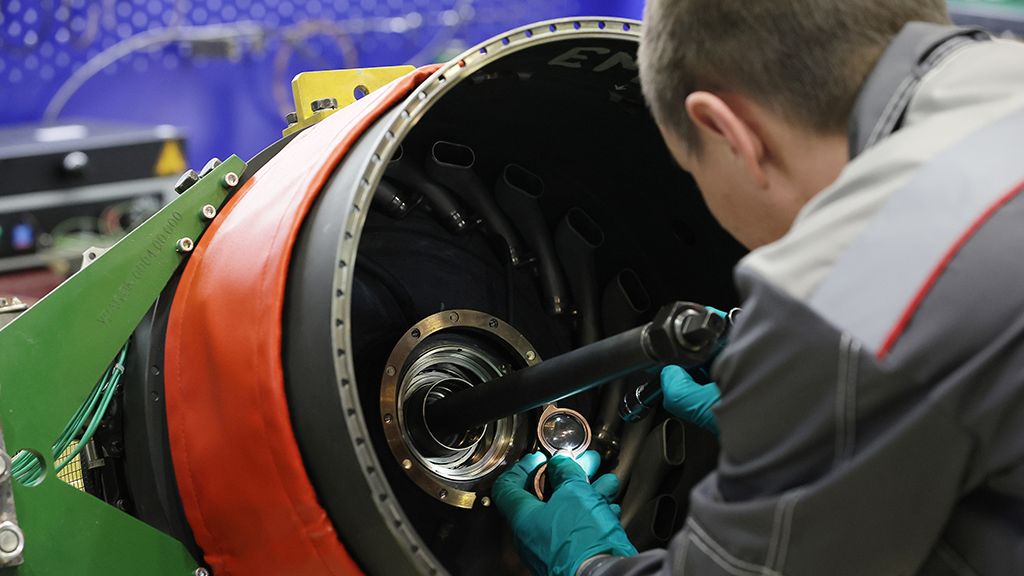
A significant challenge lies in the maintenance of the original SaM146 engines, which were a product of Franco-Russian cooperation. Reports suggest that these engines are currently undergoing unofficial repairs, a situation that raises questions about airworthiness and long-term reliability. The withdrawal of Western technical support has necessitated the development of indigenous repair capabilities. While progress is being made, the complexity of these engines and the scarcity of specialized components, particularly for the hot section, continue to pose difficulties. The Ministry of Industry and Trade's procurement notice is a clear signal of the government's intent to formalize and improve these maintenance processes. However, the success of extending the SSJ-100's lifespan hinges on the effective resolution of these engine-related challenges and the successful integration of domestically produced components and repair solutions.
The bottom line
- Russia is investing significantly to extend the operational life of its Sukhoi Superjet 100 fleet due to sanctions impacting Western aircraft and parts.
- The government aims to increase flight cycles, flight hours, and the service lifespan of the SSJ-100, though current operational metrics fall short of original design goals.
- The withdrawal of Western partners, including Safran, has necessitated an accelerated push for import substitution, with a domestically produced SJ-100 nearing readiness.
- Airlines face significantly higher maintenance costs for the SSJ-100 compared to Western alternatives, exacerbated by supply chain disruptions.
- The availability and repair of the SaM146 engines, a product of prior international cooperation, represent a critical bottleneck for the fleet's continued operation.
- The long-term strategy involves transitioning to an indigenous SJ-100, potentially re-engining existing aircraft with Russian PD-8 engines.

Россия объявляет перемирие на три дня, угрожая Киеву ударом

Украина готовится к весенне-летнему наступлению российских войск
Атака дронов на Чувашию: двое погибших, десятки раненых