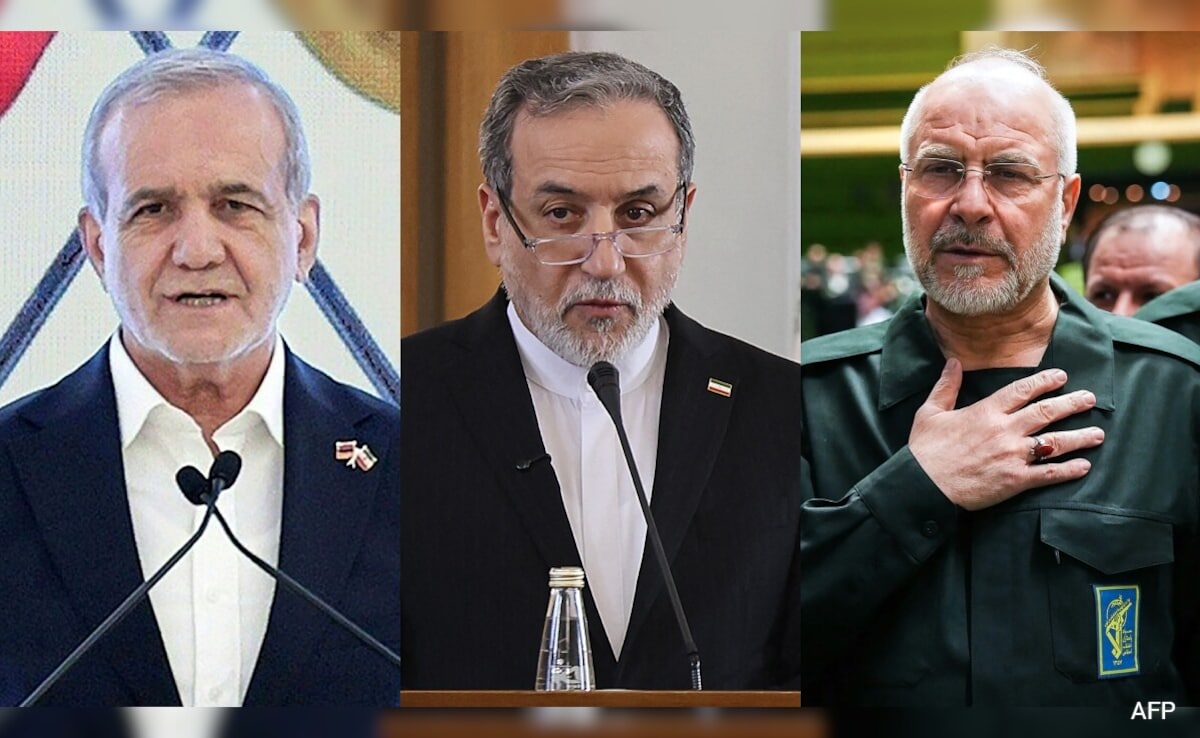
Iran's Pezeshkian and Ghalibaf Seek Ouster of Foreign Minister Araghchi Over IRGC Alignment
President and parliament speaker accuse Araghchi of bypassing civilian leadership to follow directives from IRGC commander Ahmad Vahidi, deepening a leadership crisis that has stalled nuclear talks with the United States.
SAUDI ARABIA —
Key facts
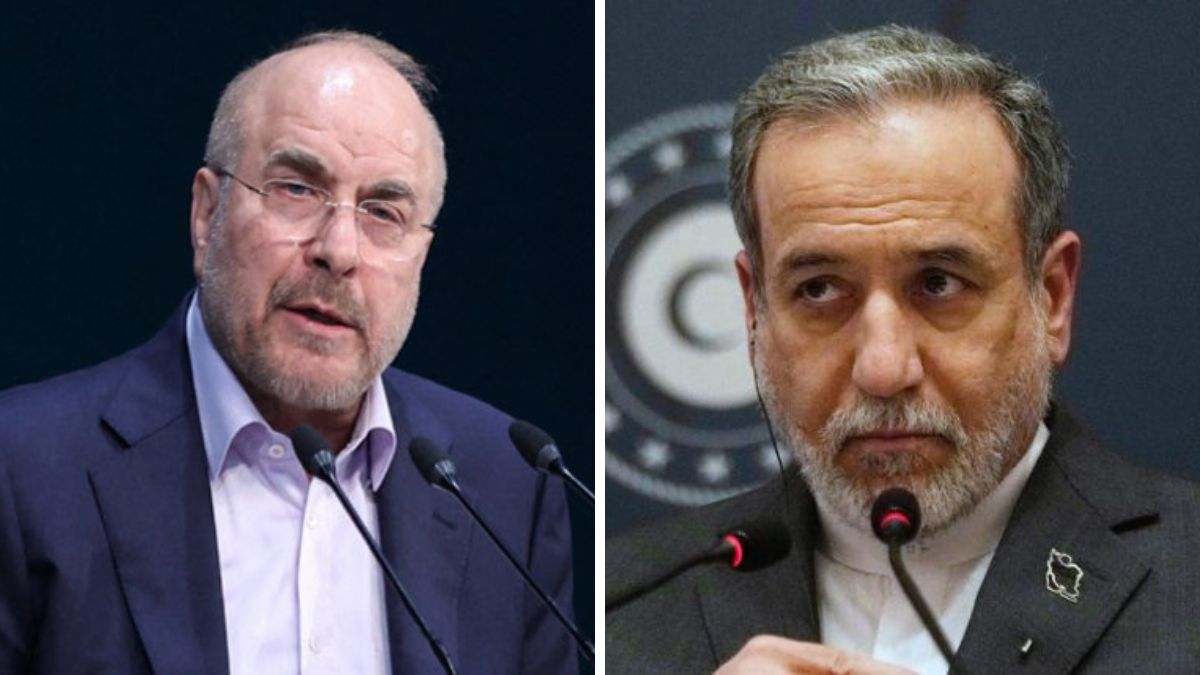
- President Masoud Pezeshkian and Parliament Speaker Mohammad Bagher Ghalibaf have accused Foreign Minister Abbas Araghchi of sidelining them.
- Araghchi is alleged to be acting as an aide to IRGC Commander Ahmad Vahidi, bypassing the presidency.
- Pezeshkian has told associates he will fire Araghchi if the foreign minister continues to follow IRGC directives.
- The second round of peace talks in Islamabad was cancelled; Ghalibaf did not accompany Araghchi.
- US Vice President JD Vance said the Iranian delegation lacked full authority to strike a deal.
- Supreme Leader Ayatollah Mojtaba Khamenei vowed to protect Iran's nuclear and missile capabilities.
- Araghchi traveled to Oman and St. Petersburg after the cancelled talks, discussing strategic issues.
- The first round of talks in Islamabad included US Vice President JD Vance, Jared Kushner, and Steve Witkoff.
Lede: Leadership Rift Threatens Nuclear Negotiations
Iranian President Masoud Pezeshkian and Parliament Speaker Mohammad Bagher Ghalibaf are seeking the removal of Foreign Minister Abbas Araghchi, accusing him of bypassing civilian leadership to follow directives from the Islamic Revolutionary Guard Corps (IRGC) on nuclear talks with the United States. The internal power struggle has contributed to a stalemate in converting the fragile ceasefire into a permanent arrangement, with American officials expressing frustration that Tehran's negotiators lacked full authority to finalize a deal.
Araghchi Accused of Acting as IRGC Aide
According to sources cited by Iran International, Pezeshkian and Ghalibaf believe Araghchi has sidelined them over the past two weeks, acting less as a cabinet minister and more as an aide to IRGC Commander Ahmad Vahidi. The foreign minister has been coordinating entirely with Vahidi and his directives, without keeping Pezeshkian in the loop. Frustrated, Pezeshkian has told his associates he will fire Araghchi if this continues.
Cancelled Talks and Disagreements Over Nuclear Agenda
The second round of peace talks in Islamabad was cancelled, and notably, Ghalibaf did not accompany Araghchi. Internal disputes within the Iranian negotiating team, including whether to discuss Tehran's nuclear programme, caused them to leave the talks on April 12. Following the negotiations, US Vice President JD Vance told Fox News that the US delegation discovered the Iranian team was unable to strike a deal without returning to Tehran for approval from the supreme leader or somebody else.
Araghchi's Diplomatic Moves Amid Crisis
After the cancelled talks, Araghchi traveled to Oman to discuss control of the Strait of Hormuz and to St. Petersburg to discuss strategic and defence ties with Russian President Vladimir Putin. The first round of negotiations in Islamabad was attended by US Vice President JD Vance, Trump's adviser Jared Kushner, and US Middle East special envoy Steve Witkoff.
Supreme Leader's Defiant Stance
comes a day after Iran's Supreme Leader Ayatollah Mojtaba Khamenei vowed to protect the Islamic Republic's nuclear and missile capabilities. In a statement read by a state television anchor, Khamenei declared that the only place Americans belonged in the Persian Gulf is 'at the bottom of its waters' and that a 'new chapter' was being written in the region's history. He described Iran's capacities—from nanotechnology and biotechnology to nuclear and missile capabilities—as national assets.
Broader Implications for Iran-US Talks
The leadership crisis is seen as one of the reasons behind the stalemate in talks between Washington and Tehran over converting the fragile ceasefire into a permanent arrangement. American terms for restarting talks include that Tehran's negotiators must have full authority from the IRGC to finalize any agreement. The internal divisions highlight the tension between civilian and military authorities in Iran's governance system.
Outlook: Uncertain Path Forward
With Pezeshkian threatening to fire Araghchi and the supreme leader taking a hardline stance, the prospects for renewed nuclear negotiations remain unclear. The IRGC's influence over foreign policy continues to challenge the civilian government's authority, and the lack of a unified negotiating position weakens Iran's ability to engage with the US. The coming weeks will test whether the leadership can resolve its internal rift or whether the stalemate deepens further.
The bottom line
- President Pezeshkian and Speaker Ghalibaf are aligned in seeking Araghchi's removal over his allegiance to the IRGC.
- Araghchi is accused of bypassing the presidency and acting on directives from IRGC Commander Ahmad Vahidi.
- The second round of US-Iran talks in Islamabad was cancelled due to internal Iranian disagreements.
- US Vice President JD Vance stated the Iranian delegation lacked full authority to make a deal.
- Supreme Leader Khamenei reaffirmed Iran's commitment to its nuclear and missile programs.
- The rift between civilian and military authorities is a major obstacle to progress in nuclear negotiations.



Blackburn Rovers Seek to End Home Woes as Leicester City Face Relegation Finale

Raptors Grind Out 93-89 Win Over Cavaliers, Tie Series at 2-2

LIV Golf Faces Collapse as PIF Withdraws Funding, Al-Rumayyan Steps Down