Ali Khamenei Killed in U.S.-Israeli Strike; Iran Vows Revenge
The 86-year-old supreme leader died alongside dozens of senior officials in a precision attack on his Tehran compound, prompting retaliatory missile strikes across the Middle East.
SAUDI ARABIA —
Key facts
- Ali Khamenei was killed in a joint U.S.-Israeli strike on his office compound in central Tehran on February 28, 2026.
- Around 40 senior Iranian officials were also killed in the attack, according to the IDF.
- President Donald Trump confirmed U.S. involvement, stating Khamenei could not evade 'Highly Sophisticated Tracking Systems.'
- Iran launched retaliatory missile and drone attacks targeting Israel and Gulf countries hosting U.S. bases.
- Iranian state media confirmed Khamenei's death and declared a 40-day mourning period.
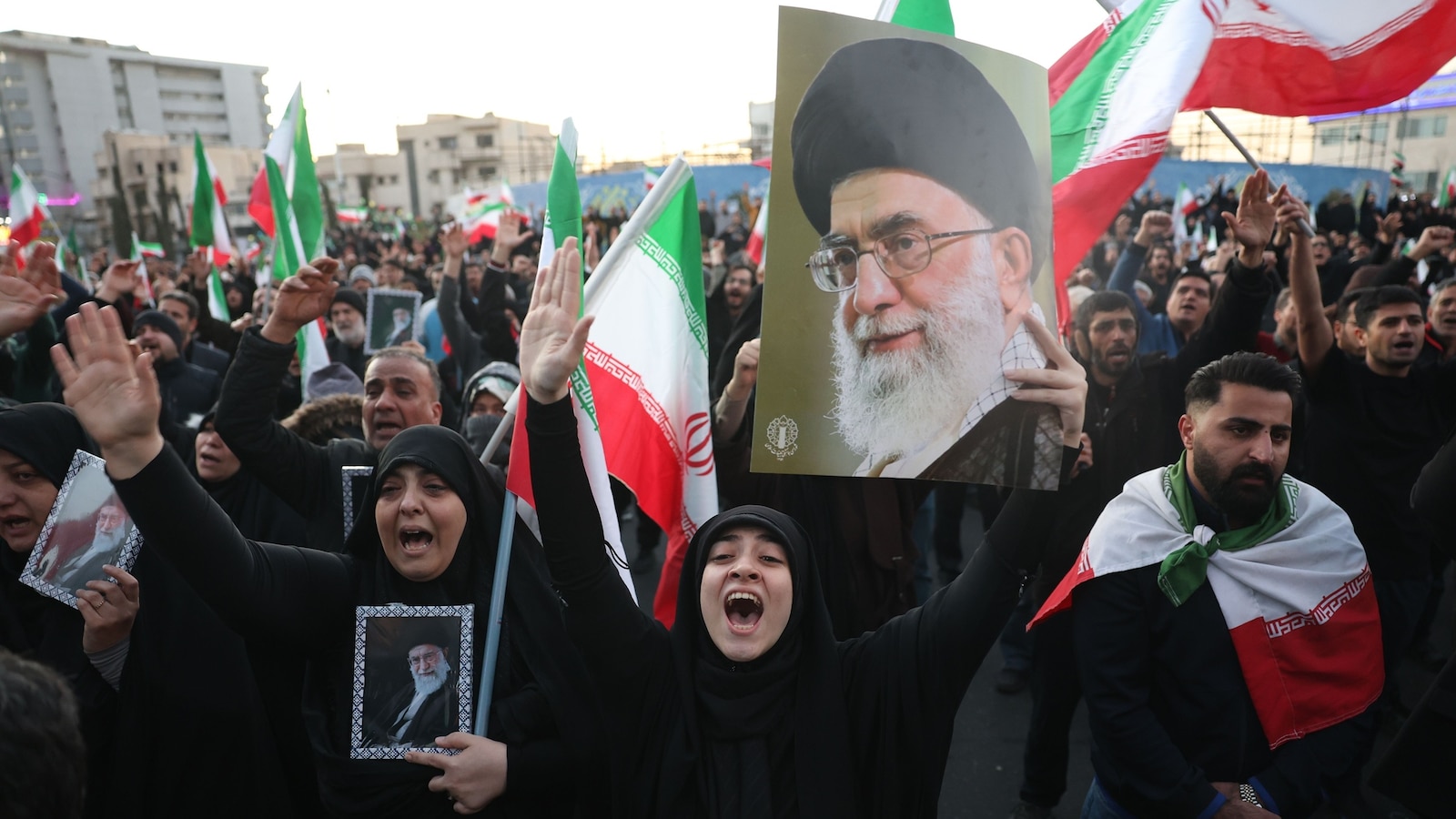
- Thousands of Iranians protested in Tehran, with some celebrating the supreme leader's death.
- Iran's Revolutionary Guards threatened to target 18 U.S. tech firms, including Apple, Google, and Meta, if more leaders are killed.
A Precision Strike in Central Tehran
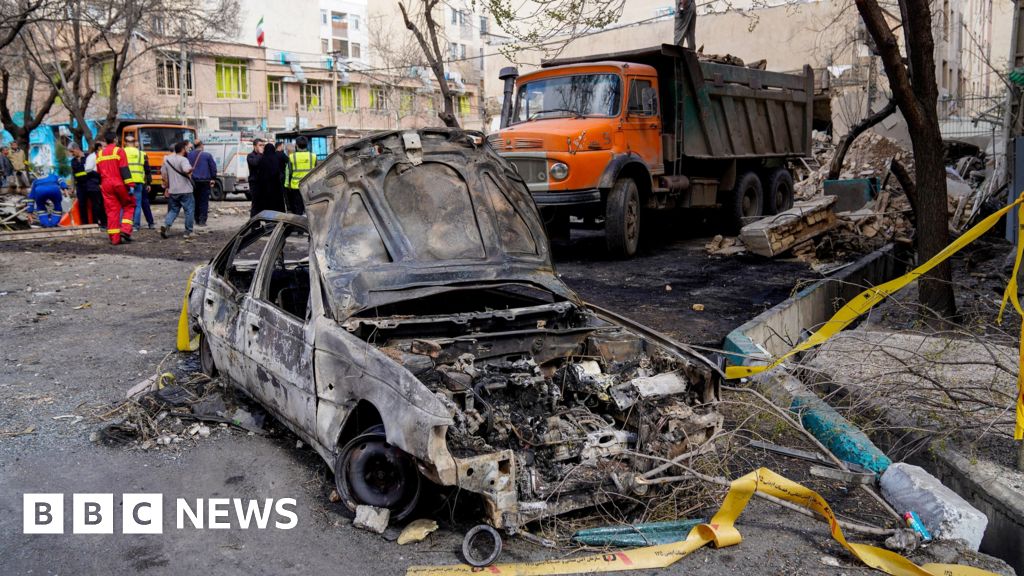
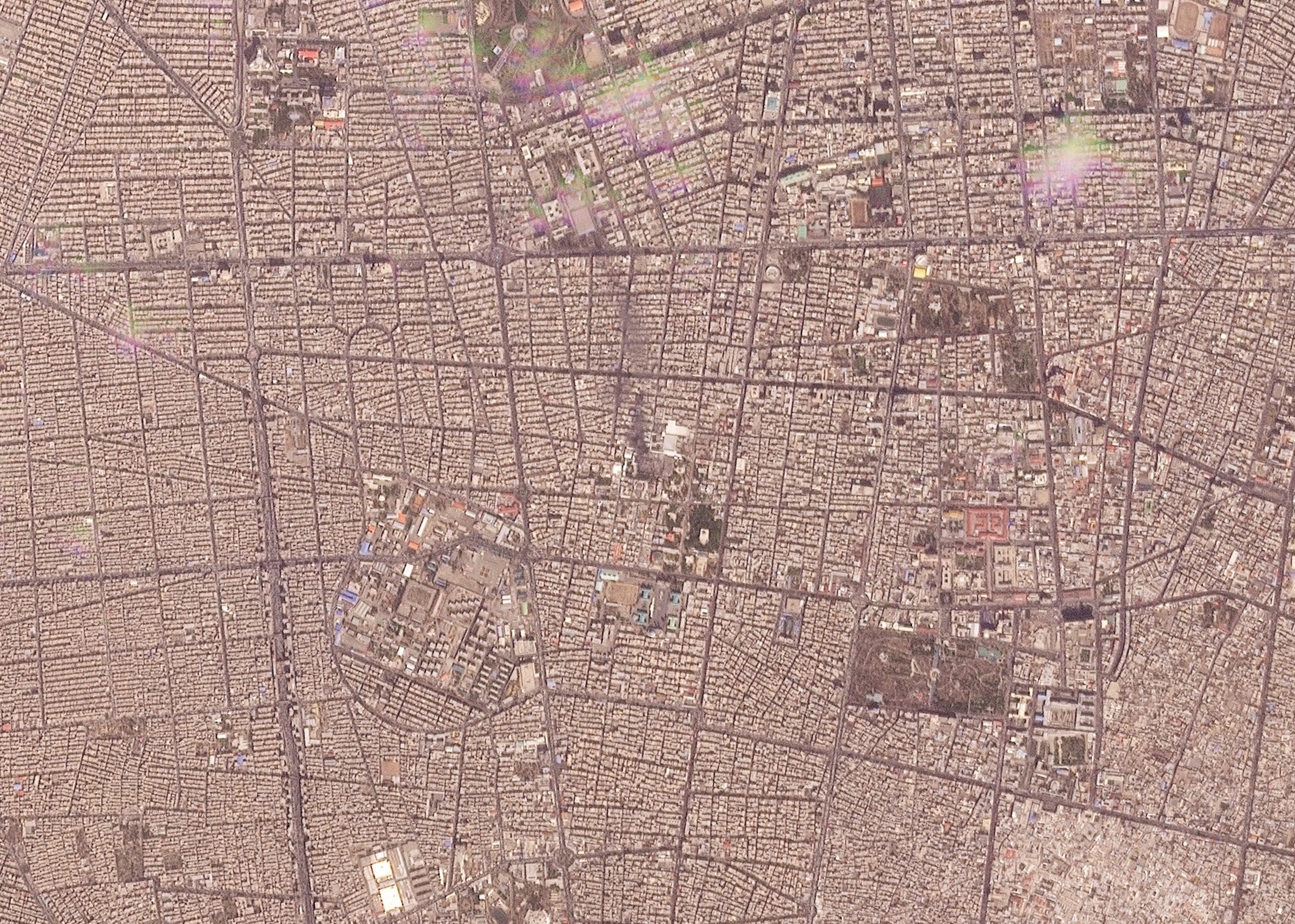
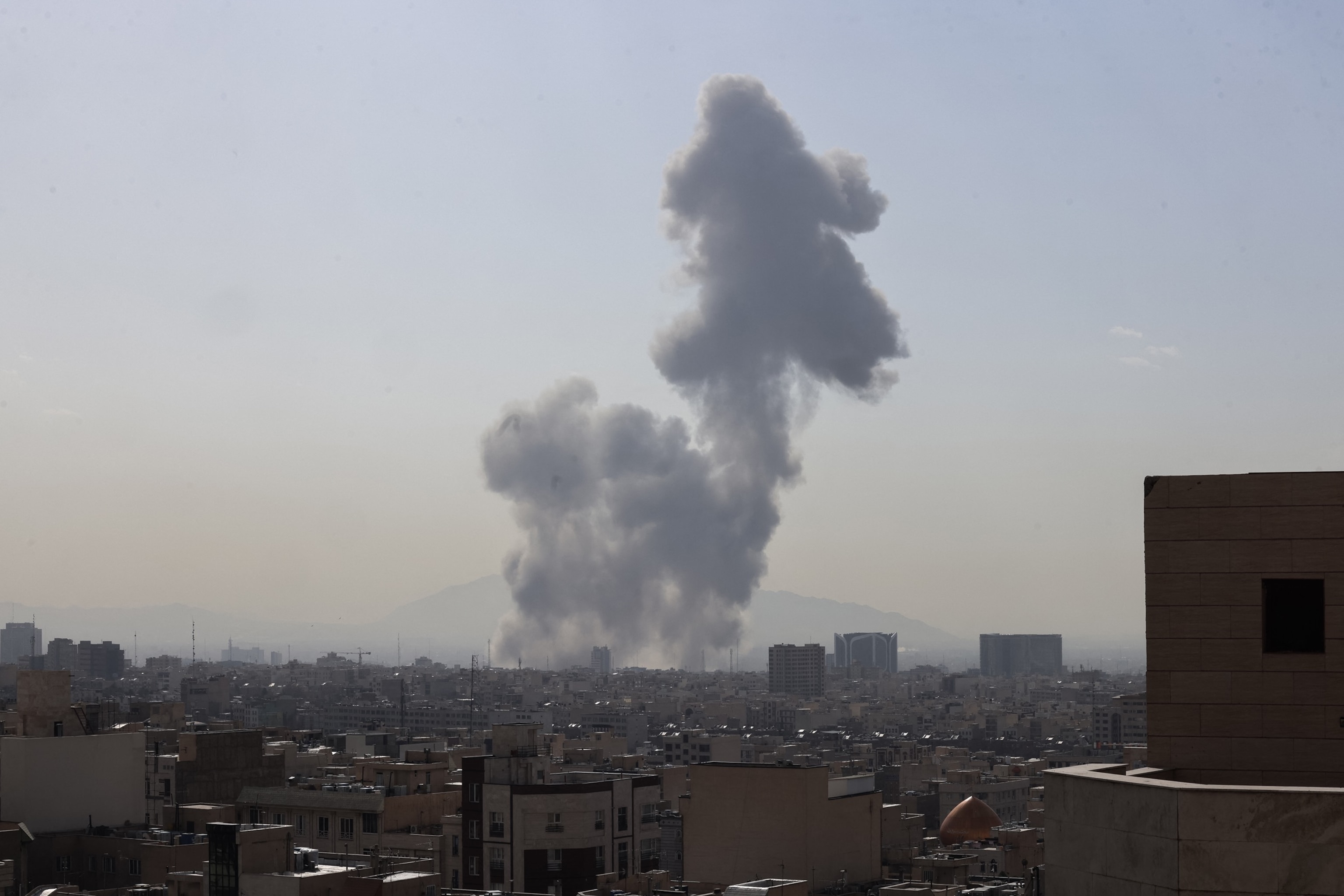
Iranian Supreme Leader Ayatollah Ali Khamenei was killed early Saturday morning in a joint U.S.-Israeli operation that struck his office compound in central Tehran, according to statements from President Donald Trump, Israeli officials, and the Israel Defense Forces. The Israeli Air Force jets targeted the compound based on IDF intelligence, while the CIA had tracked Khamenei's routines and whereabouts for months, learning that he would be meeting with other top officials that morning. The United States had high confidence in the intelligence, and the attack was timed accordingly, a person familiar with the intelligence said. Trump confirmed U.S. involvement in a post on his Truth Social platform, writing, 'He was unable to avoid our Intelligence and Highly Sophisticated Tracking Systems and, working closely with Israel, there was not a thing he, or the other leaders that have been killed along with him, could do.' Israeli Prime Minister Benjamin Netanyahu earlier said there were 'growing signs' that Khamenei had been killed.
Iran Confirms Death and Declares Mourning
Initially, Iranian state media denied Khamenei's death, with Tasnim and Mehr news agencies reporting he was 'steadfast and firm in commanding the field.' However, Iranian state television later confirmed the killing in an address by a tearful presenter, who announced a 40-day mourning period for the longtime leader. The confirmation came after the death. Reuters, citing an unnamed senior Israeli official, reported that Khamenei's body had been located. Iranian President Masoud Pezeshkian said Khamenei was 'martyred at the hands of the most wicked villains in the world,' adding that 'bloodshed and revenge against the perpetrators and commanders of this historical crime as its legitimate duty and right.' Ali Larijani, head of Iran's Supreme National Security Council, warned, 'Americans should know that by stabbing the hearts of the Iranian nation, their hearts will be stabbed.'
Retaliatory Strikes Across the Middle East
In response to the attack, Iran launched a wave of missiles and drones aimed at Israel and Gulf countries that host U.S. bases, with strikes reported in several nations. The conflict quickly drew in Lebanon, where Hezbollah launched rockets at Israel to avenge Khamenei's death. Israel responded with strikes on Hezbollah sites, announcing a 'security buffer' as deep as 30 kilometers into Lebanon and issuing evacuation orders for around 15 percent of Lebanese territory. Israeli strikes also killed 11 people in Lebanon and destroyed crucial bridges. Iran's foreign minister accused Israel and the U.S. of launching a war that was 'wholly unprovoked, illegal, and illegitimate.' The UN secretary general and leaders from Brazil to China condemned the attacks, while a joint statement by the leaders of the UK, France, and Germany urged Iran to refrain from further strikes and give up its weapons programs.
Casualties and Domestic Reaction
Dozens of people were reportedly killed across Iran in the initial strikes, including 165 in an Israeli strike on a school in southern Iran. Thousands of Iranians took to the streets of Tehran on Sunday to mourn Khamenei and call for revenge, while videos also emerged of some Iranians celebrating his death. The regime had put down nationwide anti-government protests in January, killing more than 7,000 people, according to the U.S.-based Human Rights Activists News Agency. Trump described the killing as 'the single greatest chance for the Iranian people to take back their Country,' adding, 'Hopefully, the IRGC and Police will peacefully merge with the Iranian Patriots.' He warned that 'the heavy and pinpoint bombing, however, will continue, uninterrupted throughout the week or, as long as necessary to achieve our objective.'
Khamenei's Legacy and the Succession Crisis
Khamenei had led the Islamic Republic since 1989, succeeding Ayatollah Ruhollah Khomeini, who steered Iran's 1979 revolution. As supreme leader, he held ultimate authority over all branches of government, the military, and the judiciary, while also serving as the country's spiritual leader. His death injects new uncertainty into an unfolding conflict that has already spurred concerns of further escalation. Iran's Revolutionary Guards have threatened to target 18 U.S. tech firms, including Apple, Google, Meta, Microsoft, Nvidia, Tesla, Oracle, and Palantir, if more Iranian leaders are killed. The list signals a potential shift in the conflict's scope, extending beyond military targets to civilian infrastructure. Meanwhile, North Korea has remained silent on Iran, signaling openness to talks with the U.S..
Global Stakes and the Path Ahead
The assassination of Khamenei marks a dangerous escalation in the Middle East, with the U.S. and Israel seeing an opportunity to reshape the region, while Iran vows revenge and its allies mobilize. Trump's administration has signaled continued military operations, while world leaders urge restraint. The coming days will test whether Iran's retaliatory capabilities can be contained or whether the conflict will draw in more actors, including Hezbollah and other proxies. For the Iranian people, the death of their supreme leader presents both risk and possibility. While the regime has historically crushed dissent, the loss of its top figure could embolden opposition movements. However, the immediate aftermath has seen a surge in nationalist sentiment and calls for revenge, complicating any prospects for internal change. The international community watches warily as the region braces for further strikes and potential cyberattacks.
The bottom line
- Ali Khamenei, Iran's supreme leader since 1989, was killed in a U.S.-Israeli strike on his Tehran compound, along with about 40 senior officials.
- Iran retaliated with missile and drone attacks on Israel and Gulf states, while Hezbollah launched rockets from Lebanon, drawing Israel into a broader conflict.
- Iran declared 40 days of mourning, and its leaders vowed revenge, with the Revolutionary Guards threatening U.S. tech firms.
- The attack has heightened regional instability, with world leaders condemning the strikes and urging restraint.
- Khamenei's death creates a power vacuum in Iran, potentially altering the country's domestic and foreign policy trajectory.
- The U.S. and Israel see the killing as an opportunity to weaken Iran, but the risk of wider war remains high.

RCB Eye Top Spot as Gujarat Titans Seek Redemption in IPL 2026 Rematch

Shakhtar Donetsk’s 18-Hour Bus Journey Ends in 3-1 Loss to Crystal Palace in Conference League Semi-Final
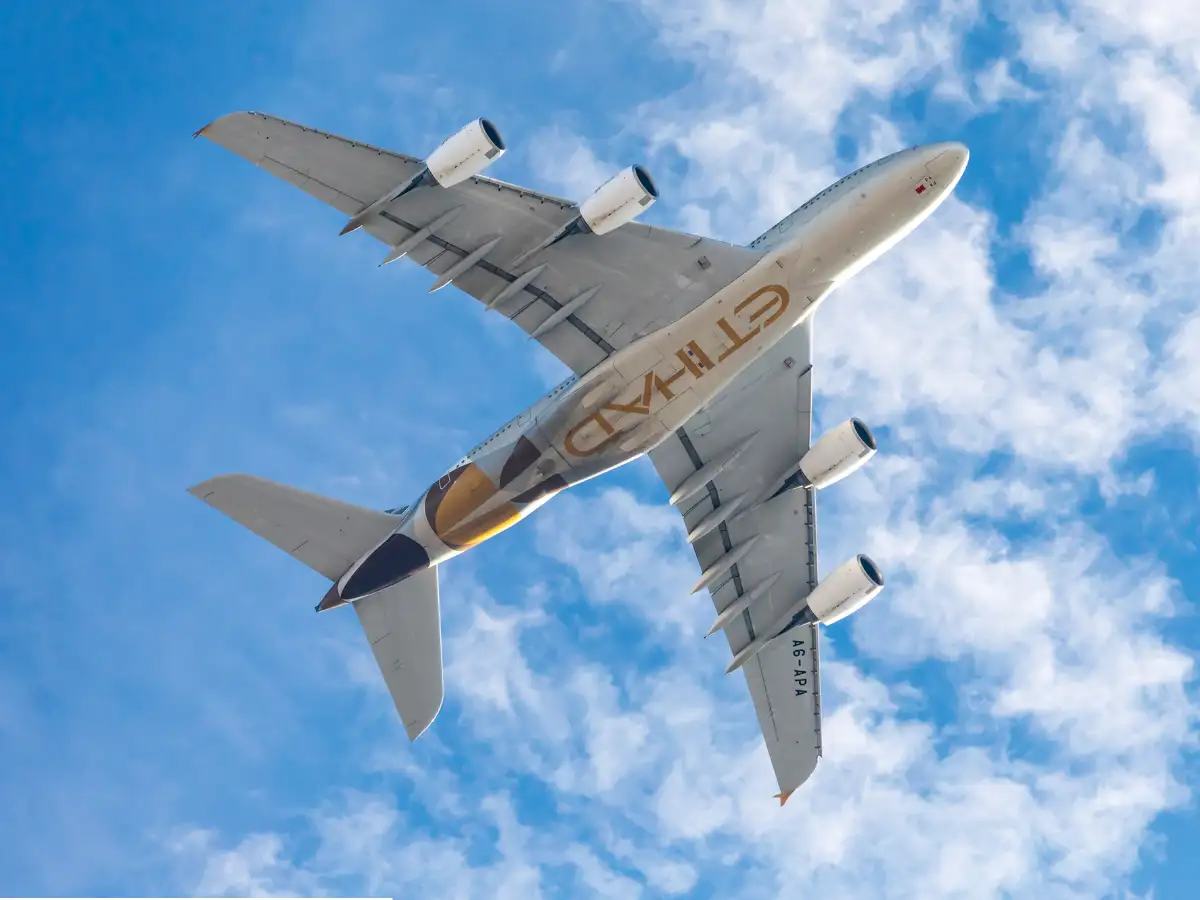
Etihad Airways Boosts Loyalty Program with Discounts for Top-Tier Members as Network Expands