Abbas Loyalists Sweep Palestinian Municipal Elections, Including Gaza City for First Time in Decades
Low turnout and a symbolic vote in Deir Al-Balah mark a rare electoral moment amid war and division.
SAUDI ARABIA —
Key facts
- Loyalists of President Mahmoud Abbas won most races in Palestinian municipal elections on Saturday.
- The vote included Deir Al-Balah in Gaza, the first election in the enclave since 2006.
- Voter turnout was 23% in Gaza and 56% in the West Bank.
- Fatah-backed list Nahdat Deir Al-Balah won 6 of 15 Gaza seats; Hamas-aligned list won 2.
- Hamas boycotted the West Bank elections and did not formally nominate candidates in Gaza.
- The elections were held amid ongoing Israeli strikes and a fragile October ceasefire.
- Palestinian Prime Minister Mohammed Mustafa called the vote 'an important first step' toward national unity.
A Historic Ballot in a Divided Territory
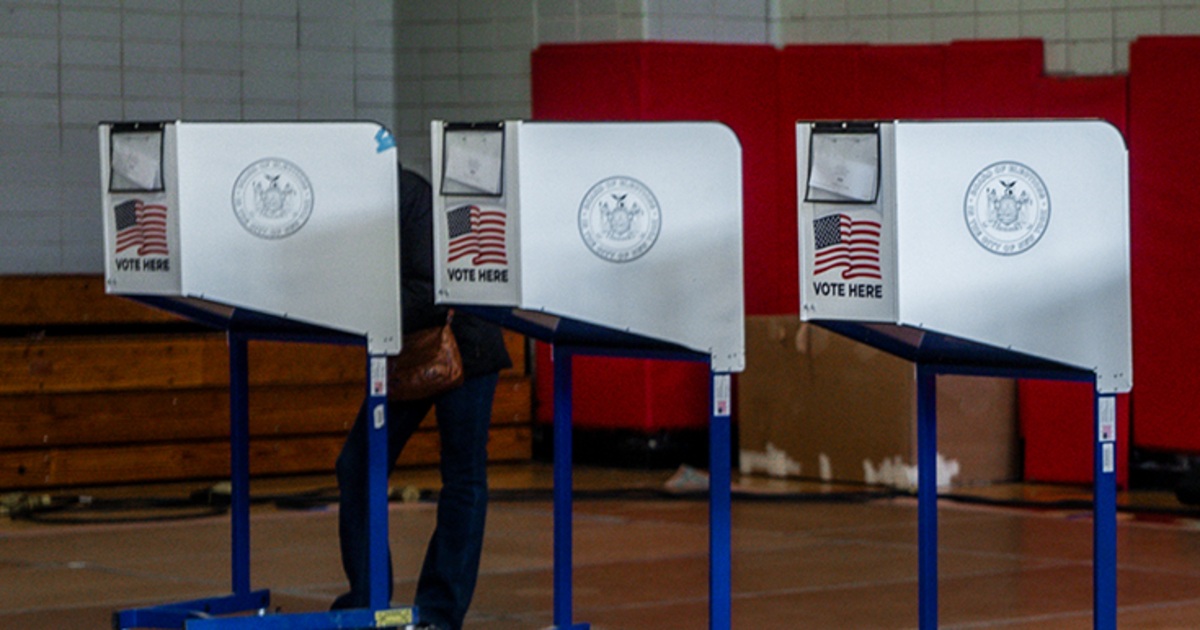
For the first time in nearly two decades, a city in the Gaza Strip participated in Palestinian municipal elections on Saturday, as loyalists of President Mahmoud Abbas swept most races across the West Bank and secured a majority in the Gaza city of Deir Al-Balah. The vote marked the first elections of any kind in Gaza since 2006 and the first Palestinian polls since the Gaza war erupted more than two years ago with Hamas’ cross-border attack on southern Israel. The inclusion of Deir Al-Balah, which suffered less damage than other parts of the coastal territory during the war, was intended by Abbas’ West Bank–based Palestinian Authority to demonstrate that Gaza remains an inseparable part of a future Palestinian state. Election officials announced the results on Sunday, revealing a clear victory for Abbas loyalists but also exposing deep political fractures and low voter engagement.
Fatah Dominates West Bank, Secures Gaza Seats
In the West Bank, Abbas’ Fatah party ran largely unchallenged, sweeping most seats as expected. The party’s spokesperson, Abdul Fattah Dawla, noted that turnout was close to that of the last municipal elections in 2022 and praised voters for participating despite ongoing Israeli violence. In Gaza, the Fatah-backed list Nahdat Deir Al-Balah won six of the 15 contested seats, while a list widely seen as aligned with Hamas, Deir Al-Balah Brings Us Together, secured only two seats. The remaining seven seats were won by two other Gaza-based groups, Future of Deir Al-Balah and Peace and Building, which are not affiliated with either faction. Hamas did not formally nominate candidates in Gaza and boycotted the race in the West Bank, but the presence of Hamas-aligned candidates on the ballot made the vote a potential indicator of support for the movement.
Low Turnout Reflects War Weariness and Displacement
Voter turnout in Gaza reached just 23%, compared to 56% in the West Bank, chairman of the Central Elections Commission. Al-Hamdallah said some ballot boxes and voting equipment failed to enter the enclave due to Israeli security restrictions, though those logistical challenges were eventually overcome. The recent war has left much of Gaza reduced to rubble, with many residents displaced and focused on survival. Israel has continued conducting strikes despite an October ceasefire. On the same day as the election, Israeli attacks killed at least four Palestinians in Gaza, according to local authorities. The grim security backdrop likely depressed participation, especially in Gaza, where residents face daily threats to their safety.
Political Reactions: Hope and Dismissal
Palestinian Prime Minister Mohammed Mustafa described the elections as having been held “at a highly sensitive moment amid complex challenges and exceptional circumstances,” but said they represented “an important first step in a broader national process aimed at strengthening democratic life... and ultimately achieving the unity of the homeland.” His remarks underscored the PA’s desire to use the vote as a building block for political reconciliation. Hamas’ Gaza spokesperson, Hazem Qassem, downplayed the significance of the results, saying they had no impact on wider national issues. The movement’s boycott of the West Bank races and its refusal to formally field candidates in Gaza reflected its ongoing rejection of the PA’s legitimacy. Palestinian political analyst Reham Ouda suggested that by electing figures linked to Fatah, voters appeared to be seeking unrestricted international support for municipal governance and a gradual political shift that could extend beyond the local level.
A Fragile Step Toward Unity
The elections took place against a backdrop of deep political division between the PA, which governs parts of the West Bank, and Hamas, which has controlled Gaza since 2007. The war that began with Hamas’ attack on Israel in October 2023 has exacerbated the rift, leaving Gaza devastated and its population in dire humanitarian conditions. The PA’s decision to include a Gaza city in the ballot was a symbolic move to assert its claim over the entire Palestinian territory. Yet the low turnout in Gaza and the continued Israeli military operations highlight the immense challenges to any broader political process. The October ceasefire remains fragile, and Israel has shown no sign of easing restrictions on movement and goods into Gaza. The elections, while historic, are unlikely to immediately alter the political landscape.
Outlook: Local Governance as a Prelude to National Change?
The municipal elections may serve as a test case for future national polls, which have not been held since 2006. The PA hopes that demonstrating its ability to conduct elections even in wartime will strengthen its international legitimacy and put pressure on Hamas to engage in reconciliation talks. However, Hamas’ dismissal of the results and its continued military posture suggest that the path to unity remains blocked. For now, the vote in Deir Al-Balah offers a glimpse of what democratic life could look like in a unified Palestinian state, but the reality on the ground — war, displacement, and political intransigence — makes that vision distant. As Prime Minister Mustafa acknowledged, the elections were only a first step, and the road ahead is fraught with obstacles.
The bottom line
- Abbas loyalists won most municipal seats in the West Bank and secured a majority in Gaza’s Deir Al-Balah, the first Gaza city to vote since 2006.
- Voter turnout was starkly different: 23% in Gaza vs. 56% in the West Bank, reflecting war conditions and displacement.
- Hamas boycotted the West Bank elections and did not formally field candidates in Gaza, but a Hamas-aligned list won two seats.
- The elections were held amid ongoing Israeli strikes and a fragile ceasefire, underscoring the security challenges.
- Palestinian Prime Minister Mohammed Mustafa framed the vote as a step toward national unity, while Hamas dismissed its significance.
- The vote highlights the deep political divide between the PA and Hamas, with no clear path to reconciliation.



ECI Orders Repoll in 15 Booths as Tensions Flare in West Bengal Elections

Congress-Led UDF Surges Ahead in Kerala Assembly Elections, Leading in 81 Seats

Mavididi Ends Leicester's Winless Run as Relegated Foxes Beat Blackburn 1-0