Samsung Galaxy A57 5G: A Mid-Range Phone That Prioritises Dependability Over Flash
With a two-day battery, a 120Hz AMOLED display, and IP68 rating, the A57 targets users weary of daily tech frustrations, yet its conservative camera and chipset choices may limit its appeal.

SAUDI ARABIA —
Key facts
- 66% of Brits feel stressed when they lose internet connection, and 20% when their phone battery runs low.
- The Galaxy A57 5G features a 6.7-inch FHD+ Super AMOLED display with 120Hz refresh rate.
- It is powered by the Exynos 1480 chipset, replacing the Snapdragon 6 Gen 3 found in the A36.
- The phone offers up to 8GB RAM and 256GB storage, with a 50MP main camera, 12MP ultrawide, and 5MP macro.
- It has an IP68 rating for dust and water resistance and is protected by Gorilla Glass.
- The battery can last up to two days on a single charge.
- The average person experiences two tech frustrations per day, according to new research.
- The A57 runs Android 16 with One UI out of the box.
Everyday Frustrations Drive a Shift in What Users Value
From dropped signals on busy commutes to the familiar anxiety of a battery slipping into the red, everyday smartphone frustrations continue to shape how people feel about their devices. New research highlights just how common these moments are for UK consumers, while also revealing a shift in what “value” really means. Increasingly, it’s no longer defined by price alone, but by how well a smartphone performs over time, from reliability and longevity to consistent, high-quality experiences. Twenty percent of Brits feel stressed when their phone battery runs low, and 66% feel stressed when they lose internet connection. The average person experiences two tech frustrations per day. Against this backdrop, the Galaxy A57 5G has been designed to bring greater reassurance to everyday use, combining dependable performance with features that matter most to users.
A Design That Mimics the Flagship S-Series
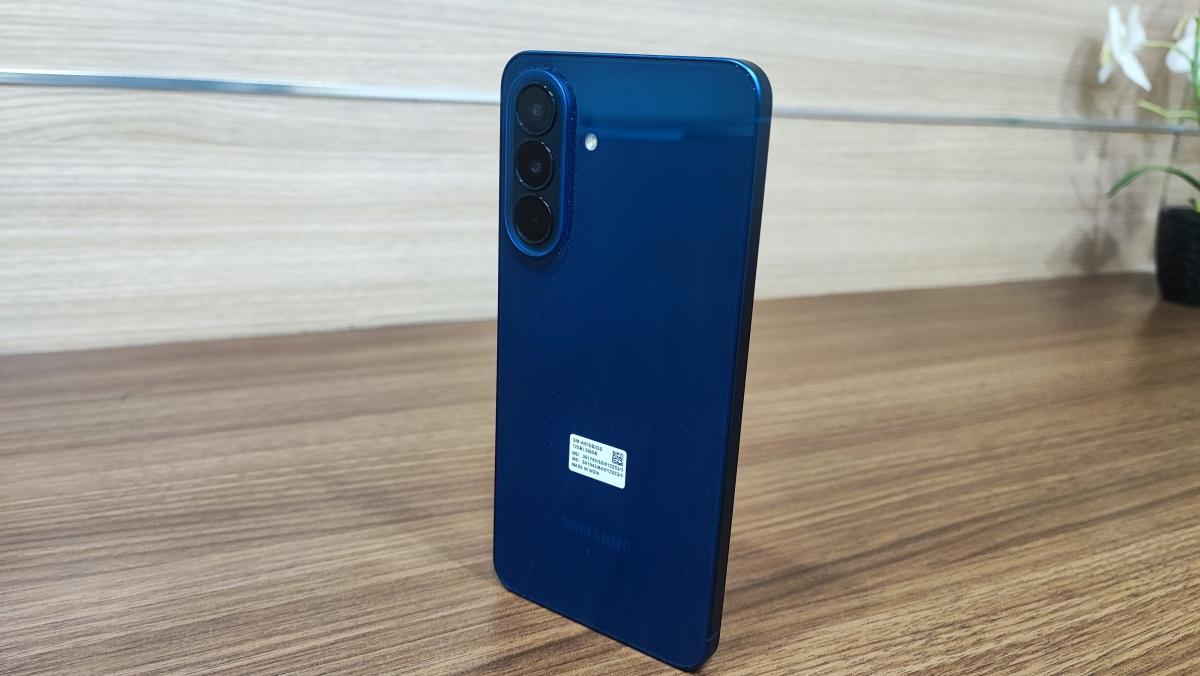
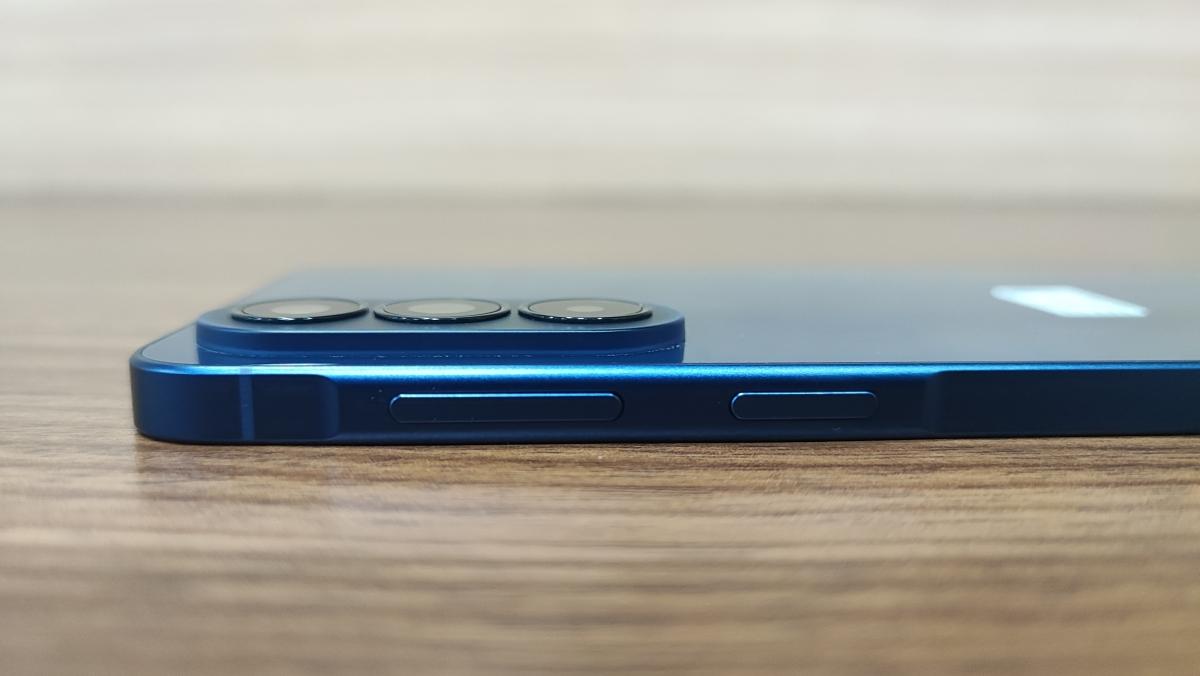
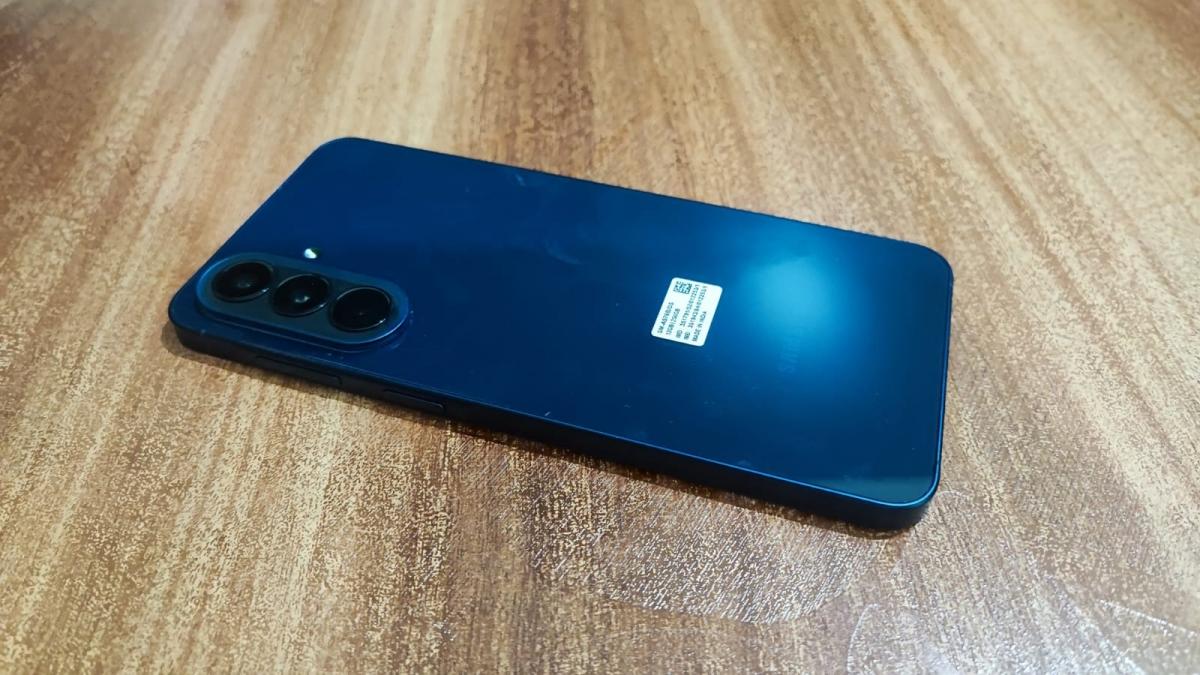
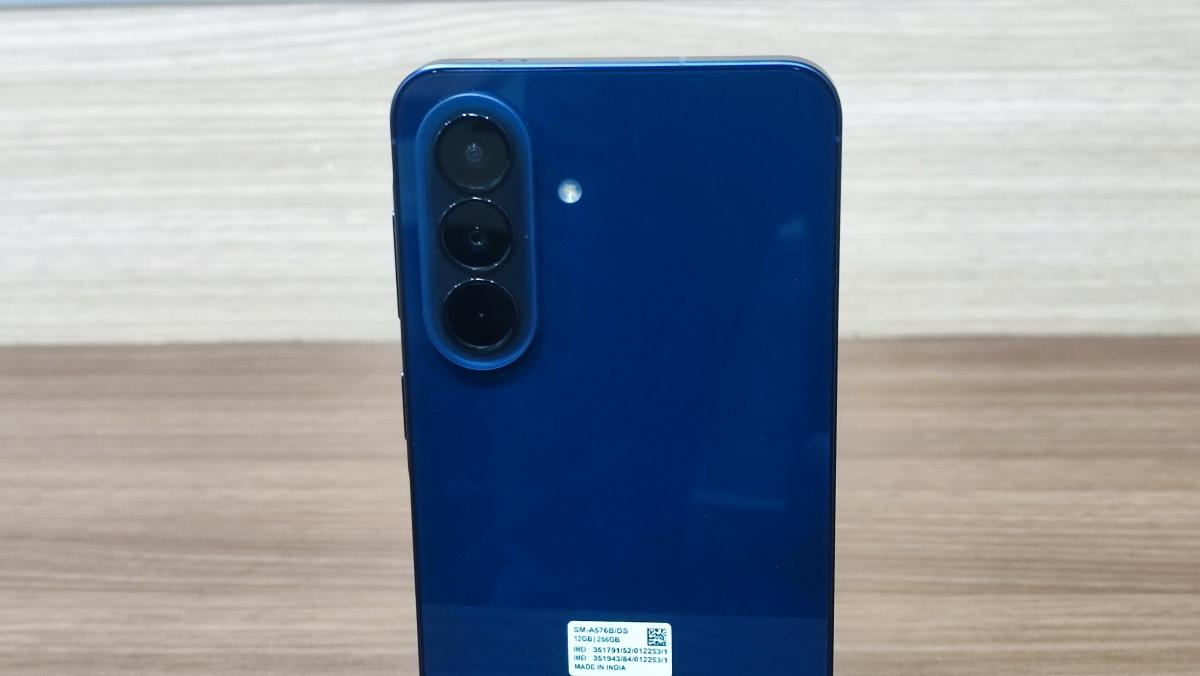
The first thing that stood out is how premium the Galaxy A57 feels in hand. Samsung has done a great job refining the design here. The glass back and metal frame give the phone a flagship-like finish, and at times, it genuinely feels closer to the S-series than its price would suggest. The phone is slim, well-balanced, and comfortable despite the large 6.7-inch display. The ergonomics are just right, and the weight distribution makes it easy to use for long periods. The display is classic Samsung and that's a good thing. The AMOLED panel is vibrant, sharp, and smooth thanks to the 120Hz refresh rate. Scrolling feels fluid, content looks punchy, and overall usability is excellent. Brightness is strong enough for outdoor use, and the viewing experience is on point, whether it's streaming or social media. This is easily one of the strongest aspects of the phone.
Camera Performance: Reliable in Daylight, Mixed in Low Light
Samsung Galaxy A57 sticks to a familiar camera setup akin to the flagship series, but it delivers mixed yet mostly reliable results. The 50MP sensor is the primary lens here and does a good job in daylight. Photos come out sharp, with good detail and slightly boosted colours in a true Samsung way. Some shots lean towards brighter tones and, in doing so, may lose out on colour accuracy, but the results are visually appealing. Low-light performance is decent, with the phone managing to capture more light than expected, though not always perfectly balanced. Intelligent optimisation works in the background to help users get the most out of every shot, making it easier to capture moments as they happen. The camera system is so good that it's possible to take a bad photo, but overall it offers dependable results across a variety of conditions.
Battery Life That Lasts Up to Two Days
Battery life remains one of the most consistent sources of frustration for smartphone users. Frequent charging and constant battery checks can interrupt even the simplest daily routines. With power efficiency designed for real-world usage and a battery that can last up to two days on a single charge, the Galaxy A57 5G is built to support users throughout their day, offering greater confidence when it matters most. This long battery life, combined with the 120Hz display and IP68 rating, positions the A57 as a phone built for consistency rather than excitement. It targets users who want a dependable smartphone with a premium feel, strong software support, and balanced performance, without stepping into flagship territory.
Internal Hardware: Exynos 1480 Chipset Raises Questions
The most notable change is in the internal hardware. Samsung's latest midrange phone runs on the Exynos 1480 chipset, while the A36 uses the Snapdragon 6 Gen 3. The Snapdragon 6 Gen 3, as seen in the Moto G Stylus, provides solid performance. The question is how the Exynos chipset holds up in real-world usage. The A57 offers up to 8GB RAM and 256GB storage, which should be sufficient for most users, but the chipset swap may affect performance and power efficiency. Samsung has not provided detailed benchmarks or comparisons, leaving reviewers and consumers to test the device themselves. The A57 is designed to bring greater reassurance to everyday use, but the chipset change could be a point of contention for those who prefer Qualcomm's processors.
Software and Long-Term Support
The Galaxy A57 runs Android 16 with One UI out of the box. Enhancements across performance, camera and display are paired with long-term software support, helping the device stay useful and secure over time. This focus on longevity aligns with the shift in what consumers value: not just price, but how well a smartphone performs over time. Samsung has committed to providing regular security updates and major OS upgrades for its A-series devices, though the exact duration has not been specified for the A57. The company aims to deliver a balanced, dependable experience that reduces the stress of everyday tech frustrations.
A Conservative but Polished Mid-Range Contender
The Galaxy A57 5G is a polished mid-range phone that nails the essentials: design, display, and battery. It plays it too safe on some fronts, such as the camera and chipset, but for users seeking reliability over excitement, it delivers. The phone does not try to reinvent the wheel, but the longer you use it, the more you understand what Samsung is aiming for. It faces stiff competition in the midrange market, particularly from devices that offer more aggressive upgrades. However, for those who value a premium feel, strong software support, and a battery that can last two days, the A57 is a compelling option. The question remains whether it is enough of an upgrade over the A36 to warrant buying for existing users.
The bottom line
- The Galaxy A57 5G prioritises battery life and design, with a two-day battery and premium glass-and-metal build.
- Its 120Hz AMOLED display is one of the best in its class, offering vibrant colours and smooth scrolling.
- The camera system delivers reliable daylight shots but struggles with colour accuracy and low-light balance.
- The switch from Snapdragon to Exynos chipset may affect performance, though real-world tests are pending.
- IP68 water resistance and Gorilla Glass protection add durability, a rarity at this price point.
- Long-term software support with Android 16 and One UI enhances the phone's value over time.



RCB Eye Top Spot as Gujarat Titans Seek Redemption in IPL 2026 Rematch

Shakhtar Donetsk’s 18-Hour Bus Journey Ends in 3-1 Loss to Crystal Palace in Conference League Semi-Final

Etihad Airways Boosts Loyalty Program with Discounts for Top-Tier Members as Network Expands