Australia records zero cervical cancer cases in women under 25, a global first
The milestone, achieved through widespread HPV vaccination, puts the country on track to eliminate the disease within a decade.
SINGAPORE —
Key facts
- Australia has recorded no new cervical cancer diagnoses in women under 25 for the first time.
- The country aims to become the first in the world to eliminate cervical cancer within a decade.
- The HPV vaccine is offered to 12- and 13-year-olds as part of the National Immunisation Programme.
- Cervical cancer is the fourth most common cancer in women worldwide.
- Chrissy Walters, diagnosed with advanced cervical cancer at 39, now has a terminal prognosis.
- Walters' daughter, now 12, has reached the age for HPV vaccination in Australia.
A historic milestone in cancer prevention
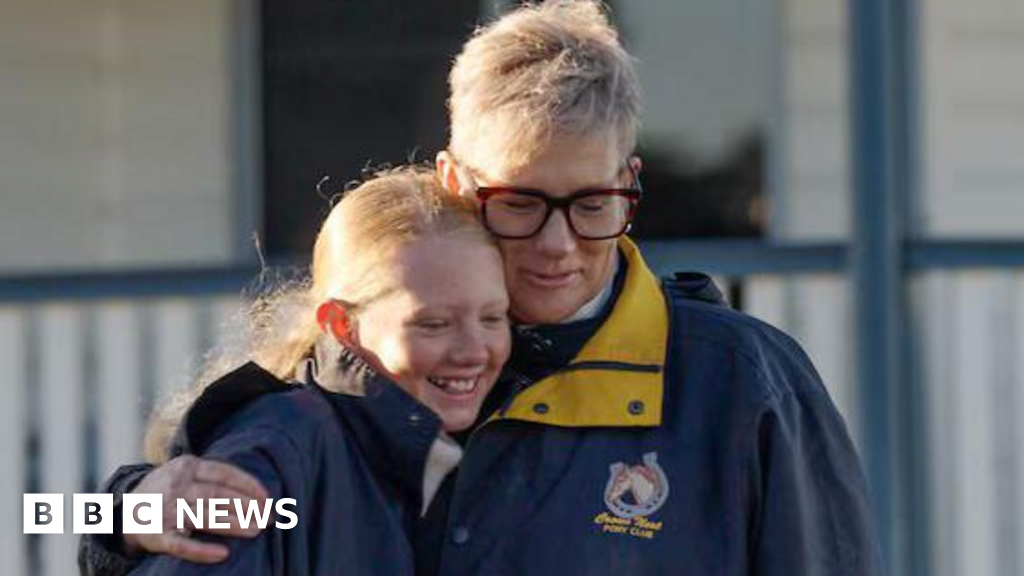
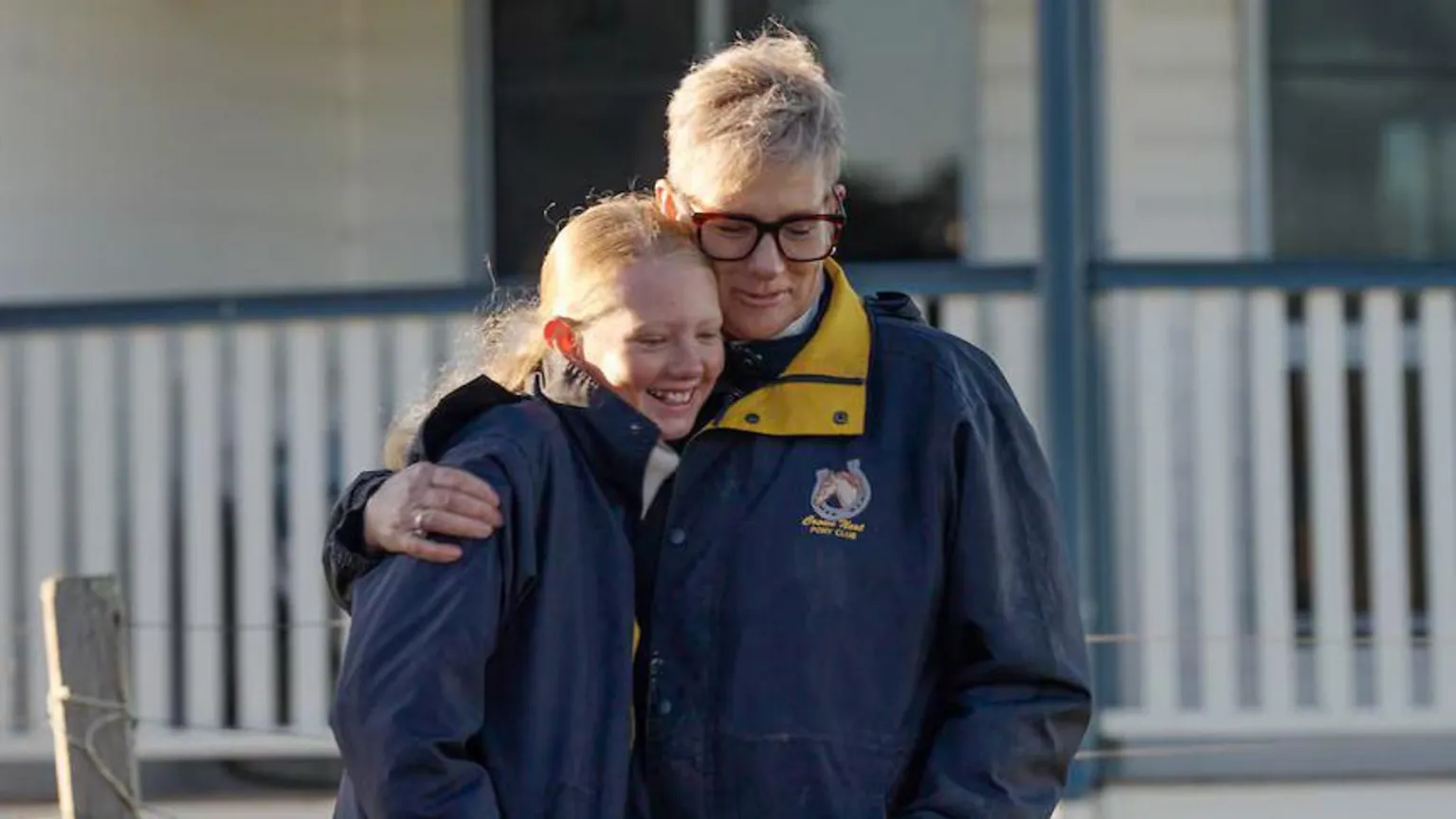
For the first time, Australia has recorded no new cervical cancer diagnoses in women under 25, a landmark achievement in the global fight against the disease. The milestone, driven by a nationwide HPV vaccination programme, positions the country to become the first in the world to eliminate a form of cancer within the next decade. The announcement comes as a stark contrast to the experience of women like Chrissy Walters, a 39-year-old mother from Toowoomba who was diagnosed with advanced cervical cancer after a major bleed at home. Despite years of debilitating treatments, her cancer has spread, and doctors now consider her case terminal.
The two-pronged strategy: vaccination and screening
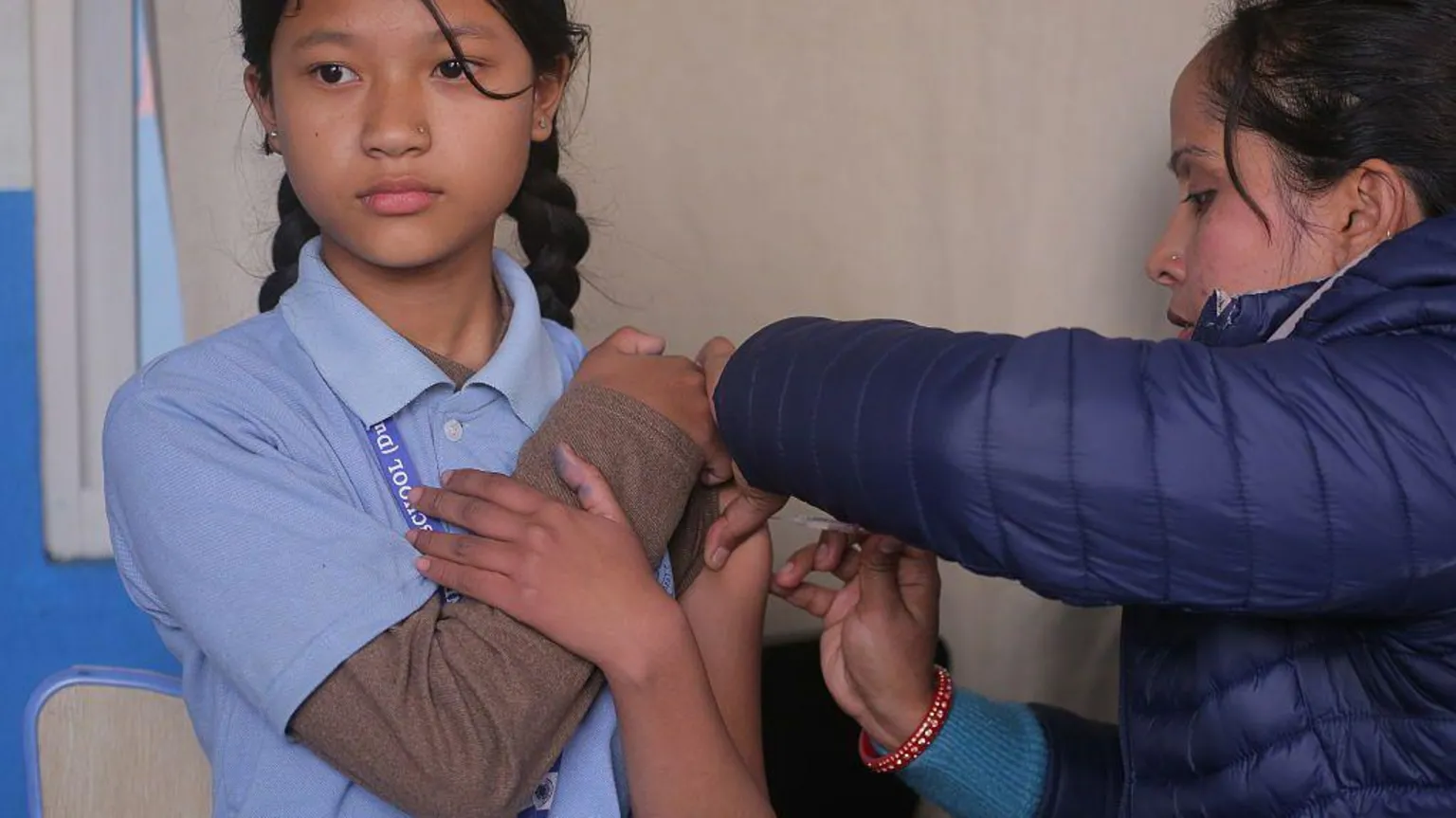
Australia's success rests on a dual approach: vaccinating adolescents against human papillomavirus (HPV) and regular cervical screening. The HPV vaccine, administered to 12- and 13-year-olds in schools as part of the National Immunisation Programme, targets high-risk strains that can cause cervical cancer. Though HPV often shows no symptoms and can clear on its own, persistent infection with certain strains is responsible for nearly all cervical cancers. The vaccine, combined with Pap smears and HPV testing, has dramatically reduced incidence rates among younger women.
Chrissy Walters: a life shaped by a preventable disease
Chrissy Walters' story illustrates the stakes behind the statistics. After a years-long struggle to conceive, she gave birth to her first child, only to be diagnosed with advanced cervical cancer six months later. 'I just said to [my husband] Neil… there has been a huge mistake,' she recalls. Her daughter, now 12, has grown up with the disease as a constant presence. Walters says the family began having frank conversations about dying when her daughter was as young as three. 'I would never wish [this] on my worst enemy,' she says.
A race to be the first to eliminate a cancer
Australia is now racing other nations to become the first to eliminate cervical cancer, defined as reducing new cases to fewer than four per 100,000 women per year. The country's vaccination coverage rates are among the highest globally, with over 80% of adolescents fully vaccinated. The World Health Organization has set a global elimination target of 2030, but Australia may reach it sooner. The zero-case figure among women under 25, who have been eligible for the vaccine since its introduction in 2007, is a powerful indicator of progress.
The road ahead: challenges and hope
While the news is cause for celebration, challenges remain. Older women, who were not vaccinated as adolescents, still face risk, and disparities in screening uptake persist among Indigenous and rural communities. Walters' daughter, now eligible for the vaccine, represents a generation that may never face the same fate as her mother. Australia's achievement offers a blueprint for other countries, demonstrating that a coordinated public health strategy can turn the tide against a major cancer. For Walters, the milestone brings bittersweet relief: 'I'm so glad my daughter will never have to go through what I have.'
The bottom line
- Australia has achieved zero cervical cancer cases in women under 25 for the first time, a global first.
- The milestone is attributed to high HPV vaccination coverage among adolescents and effective screening programmes.
- The country is on track to eliminate cervical cancer within a decade, potentially becoming the first nation to do so.
- Chrissy Walters' terminal diagnosis underscores the human cost of the disease, which vaccination can prevent.
- The achievement provides a model for other countries aiming to eliminate cervical cancer globally.


Singapore Sees 40% Surge in Cancer Screenings as Urothelial Cancer Claims Marathoner

DBS Reports Record Total Income of S$5.95 Billion in 1Q2026, Lifts Dividend to S$0.81

Mandatory TB Screenings Ordered for Bedok Central After 13 Genetically Linked Cases Found