China Urges Strait of Hormuz Reopening in Talks with Iran
Beijing seeks to mediate regional conflict ahead of crucial US-China summit, emphasizing diplomatic resolution and secure shipping lanes.
SINGAPORE —
Key facts
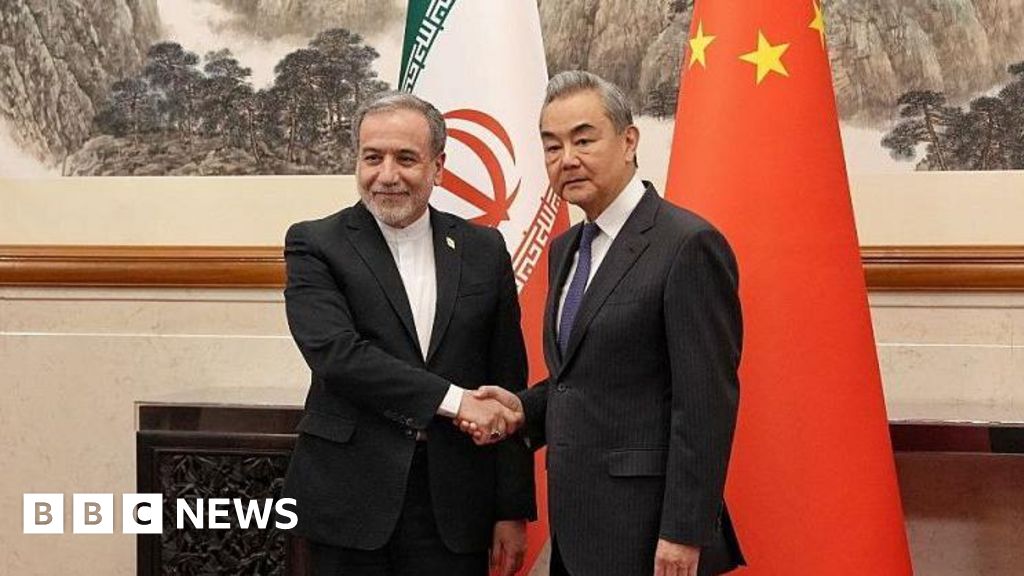
- Chinese Foreign Minister Wang Yi met with Iranian counterpart Abbas Araqchi in Beijing on Wednesday.
- Wang Yi called for the Strait of Hormuz to be reopened "as soon as possible."
- A lasting ceasefire was described as an "urgent priority" by Wang Yi.
- The meeting occurred before a summit between US President Donald Trump and Chinese leader Xi Jinping.
- China imported approximately 1.38 million barrels of crude oil per day from Iran in 2025.
- The Strait of Hormuz is a vital waterway for global oil transportation.
- Commercial traffic through the Strait has slowed significantly due to blockades.
Beijing Presses for Diplomatic Resolution and Open Waterways
Chinese Foreign Minister Wang Yi urged Iran on Wednesday to pursue a diplomatic resolution to the ongoing conflict and refrain from resuming hostilities. The call came during talks with his Iranian counterpart, Abbas Araqchi, who was in Beijing for his first visit since the war began. Wang Yi stressed that achieving a comprehensive ceasefire is an "urgent priority" and reiterated China's readiness to help de-escalate tensions. The meeting, which took place in Beijing, is strategically timed just a week before U.S. President Donald Trump is scheduled to hold a high-stakes summit with Chinese leader Xi Jinping. Discussions between the two leaders are widely expected to include the Iran conflict and the critical issue of reopening the Strait of Hormuz, a vital artery for global energy trade. Wang Yi explicitly called for the waterway to be reopened "as soon as possible," a point that was notably absent from Iran's own statement following the discussions. This emphasis underscores Beijing's desire for stability in the Persian Gulf to safeguard its own trade and energy flows, which are significantly impacted by disruptions in the region.
Strategic Alignment Ahead of U.S.-China Summit
Analysts suggest that the timing of Araqchi's visit and the subsequent discussions between Wang Yi and the Iranian minister are deliberate, aimed at aligning interests between Tehran and Beijing in advance of the summit with President Trump. This diplomatic engagement positions China as a key mediator in the complex geopolitical landscape. Both the U.S. president and Iranian officials have previously credited Beijing with playing a role in securing acceptance of a ceasefire brokered by Pakistan in April. China has consistently advocated for negotiations and has repeatedly urged both the U.S. and Iran to engage in dialogue, a stance Wang Yi reinforced during his meeting. This strategic alignment seeks to leverage China's growing influence and its position as a major global economic power. By engaging actively in mediating regional conflicts, Beijing aims to cement its role as a crucial player on the international stage, particularly in matters concerning global trade and energy security.
The Critical Importance of the Strait of Hormuz
The Strait of Hormuz, a narrow waterway connecting the Persian Gulf to the open sea, is indispensable for the global transport of oil and liquefied natural gas. Before the current conflict, approximately 20% of the world's oil and LNG passed through this crucial chasm daily. However, blockades imposed by both Iran and the U.S. have rendered the strait largely impassable, severely disrupting commercial traffic. China, as the world's largest buyer of Gulf oil and gas, has a significant stake in ensuring the free flow of energy resources. The country imported around 1.38 million barrels of crude oil per day from Iran in 2025, accounting for about 12% of its total crude oil imports. Disruptions to this supply chain could trigger inflationary shocks and potentially lead to a recession across the region. Beijing has publicly condemned the U.S. naval blockade of Iranian ports, labeling it "irresponsible and dangerous" and a threat to the fragile ceasefire agreement. China's desire for stability in the Persian Gulf is driven by its economic imperative to maintain secure trade and energy flows into Asian markets.
China's Stance on Nuclear Development and Shipping
During the talks, Wang Yi also expressed China's appreciation for Iran's commitment to not developing nuclear weapons. This statement aligns with broader international concerns regarding nuclear proliferation and reinforces China's position as a proponent of non-proliferation efforts. Wang Yi further emphasized the importance of safe passages through the Strait of Hormuz, urging relevant parties to respond to the international community's call for restored normal and secure navigation. China's foreign ministry had previously stated that the international community shares a common concern over restoring secure navigation through the strait. While China has called for a "prompt resumption of shipping traffic," this particular point was absent from Iran's official statement on Telegram. This divergence highlights the complexities of the diplomatic efforts and the differing priorities of the involved parties, even as they seek common ground on certain issues.
Navigating a Complex Geopolitical Landscape
The diplomatic maneuvers between China and Iran occur against a backdrop of escalating global tensions and shifting alliances. China's role as a mediator, while seeking to protect its economic interests, places it in a delicate position between major global powers. President Trump's advisors have reportedly urged Beijing to exert pressure on Iran to restore commercial shipping, adding another layer of complexity to the upcoming summit. The outcome of these high-level discussions could have significant implications for regional stability and global energy markets. As the summit approaches, the world watches to see how China will navigate these competing interests, balancing its economic ties with Iran against its strategic relationship with the United States. The reopening of the Strait of Hormuz and the establishment of a lasting ceasefire remain paramount objectives for global economic stability.
The bottom line
- China is actively seeking to mediate the conflict involving Iran and the U.S., positioning itself as a key diplomatic player.
- The reopening of the Strait of Hormuz is a primary concern for China due to its significant energy imports from the region.
- Beijing's diplomatic efforts are strategically timed to influence discussions at the upcoming U.S.-China summit.
- China has reiterated its support for Iran's commitment to non-nuclear weapon development.
- Disruptions to shipping through the Strait of Hormuz pose a substantial risk to global energy markets and could trigger economic instability.
- Divergent statements from China and Iran following their talks suggest differing priorities despite shared diplomatic engagement.



Single Ticket Wins S$12.8 Million Toto Jackpot in Singapore Cascade Draw

Trump Warns Iran Will Be 'Blown Off the Face of the Earth' as Strait of Hormuz Crisis Escalates
Sheng Siong Raises Profit 12.6% as Analysts Lift Targets on Store Expansion Runway