Civet, explained
It was Bukit Timah resident Audrey Wong’s first time encountering a common palm civet in the 30 years she had lived in her home.
SINGAPORE —
It was Bukit Timah resident Audrey Wong’s first time encountering a common palm civet in the 30 years she had lived in her home. Civet has emerged this Saturday as one of the stories drawing attention in Singapore.
Key facts
- It was Bukit Timah resident Audrey Wong’s first time encountering a common palm civet in the 30 years she had lived in her home.
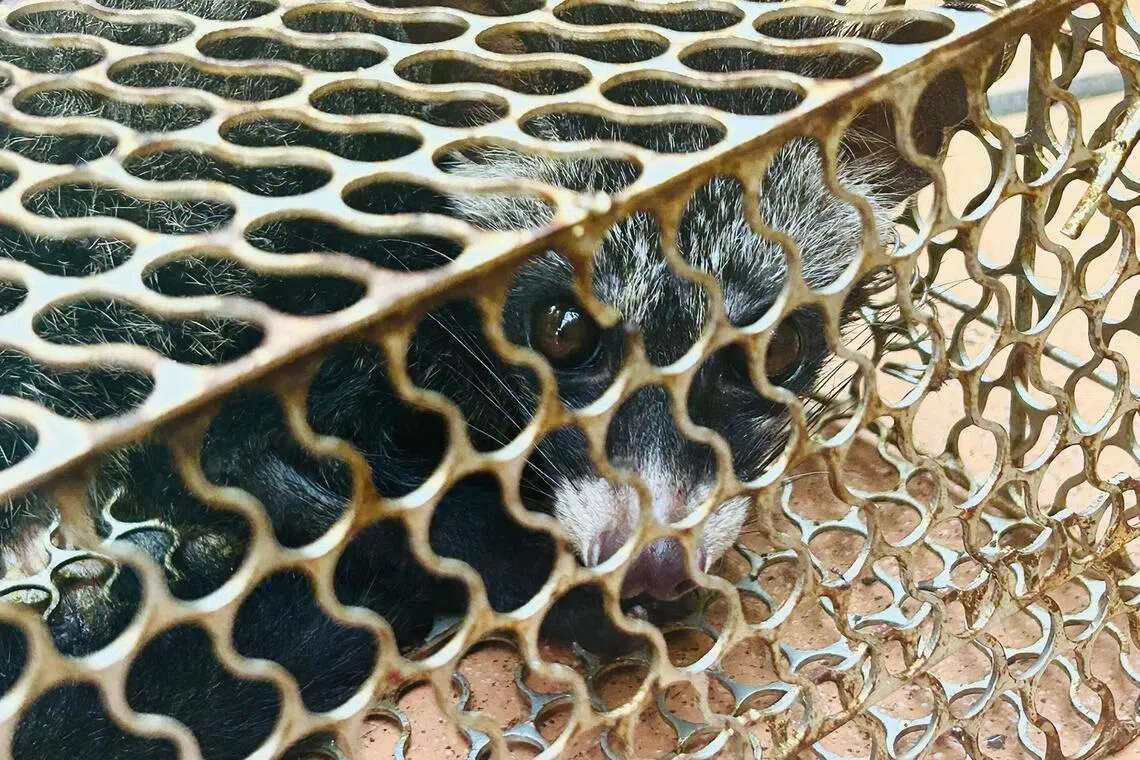
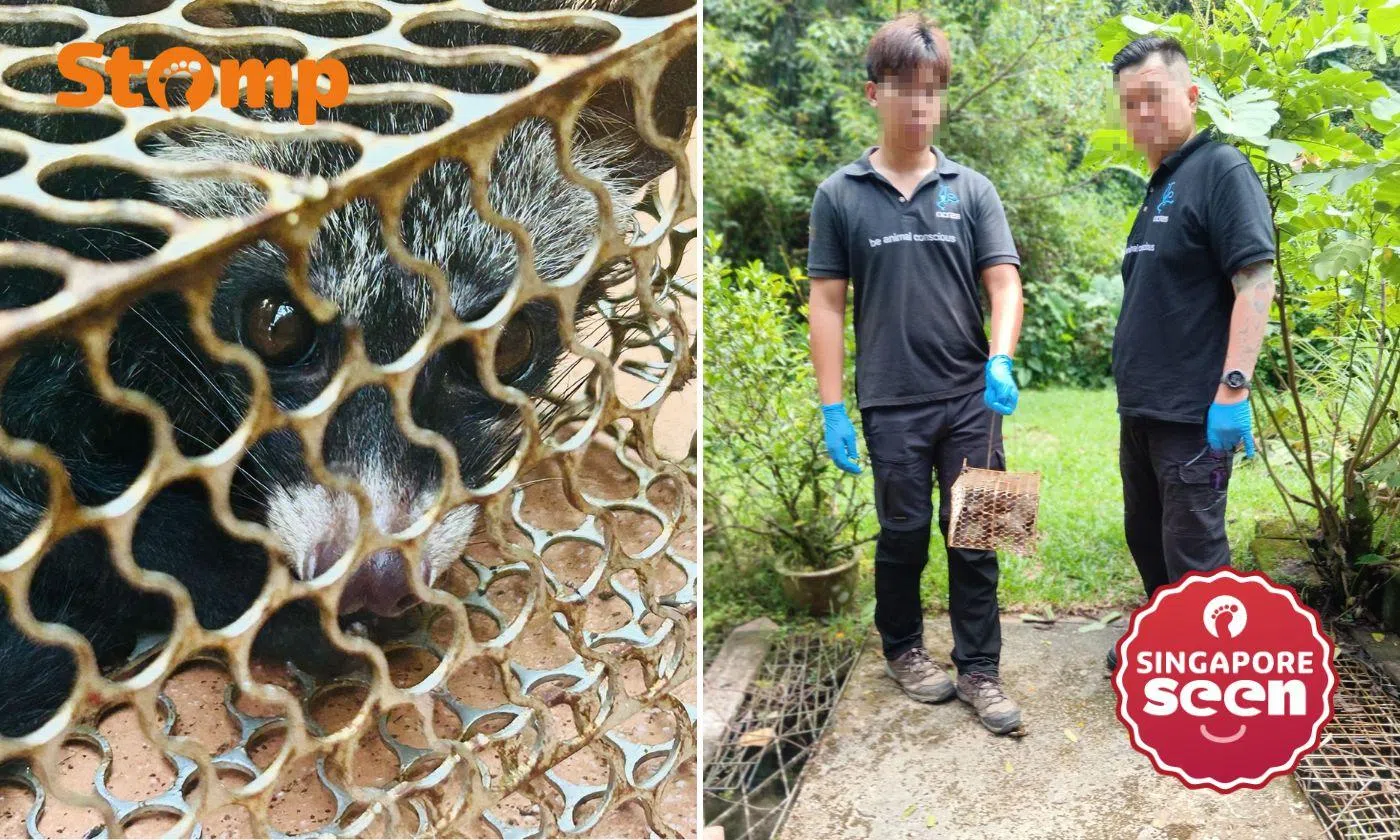
- After bananas went missing again, Ms Wong proceeded to set up a trap on April 27 to catch a rat – only to be shocked the next morning when she found a civet cat in the trap.
- However, it was the first time she encountered a common palm civet, and she was not sure how to approach the animal, which she estimated to be between 40cm and 50cm long.
- Those who come across civets that are injured, stressed or distressed are advised to call the National Parks Board’s (NParks) Animal Response Centre on 1800-476-1600 for assistance.
- “The civet was quite big, and it was hissing at us from inside the cage, which was quite scary,” Ms Wong recalled.
What we know
Going deeper, after bananas went missing again, Ms Wong proceeded to set up a trap on April 27 to catch a rat
On the substance, However, it was the first time she encountered a common palm civet, and she was not sure how to approach the animal, which she estimated to be between 40cm and 50cm long.
Beyond the headlines, those who come across civets that are injured, stressed or distressed are advised to call the National Parks Board’s (NParks) Animal Response Centre on 1800-476-1600 for assistance.
More precisely, Upon assessing the situation, the animal welfare group sought Ms Wong and her family’s consent to release the civet back into the forested area behind her house, instead of removing it from the environment.
It is worth noting that the civet was subsequently released back to the forested area.
By the numbers
“I see squirrels, green parrots, hornbills, kingfishers and monkeys in the back garden occasionally,” said Ms Wong, who has lived in her home for 30 years.
On a related note, Ms Audrey Wong first noticed something was awry when bananas went missing from the kitchen of her Bukit Timah home on April 21.
Going deeper, the public can call ACRES’ wildlife rescue hotline on 9783-7782 from 7am to 1am daily.
On the substance, they soon noticed the bananas gradually disappearing from April 21.
What they're saying
“The civet was quite big, and it was hissing at us from inside the cage, which was quite scary,” Ms Wong recalled.
“They explained that the civet’s family is likely in the region, and removing it from the environment entirely will cause it a lot of stress,” Ms Wong said, adding that she agreed with the group’s suggestion.
“The civet had entered through the kitchen windows, which we sometimes forget to close,” Ms Wong said, adding that the civet might have come from the Singapore Botanic Gardens nearby.
The wider context
“The civet may also bite in self-defence,” it warned, adding that those who have been bitten or attacked by the animal should seek medical attention immediately.
Going deeper, despite being frightened by the civet initially, she said she found the encounter a learning experience rather than an unpleasant memory.
On the substance, Do not touch, chase or corner the civet as this may further stress or injure the animal, NParks said in an advisory on its website.
Beyond the headlines, a nurse and her family thought their home was haunted after their bananas kept “going missing”
More precisely, they were surprised to discover that the “banana thief” was actually a civet cat that had been sneaking into their home near Bukit Timah.
The bottom line
- After bananas went missing again, Ms Wong proceeded to set up a trap on April 27 to catch a rat – only to be shocked the next morning when she found a civet cat in the trap.
- Those who come across civets that are injured, stressed or distressed are advised to call the National Parks Board’s (NParks) Animal Response Centre on 1800-476-1600 for assistance.
- The civet was subsequently released back to the forested area.





Mandatory TB Screening Ordered for Bedok Central Workers After 13 Genetically Linked Cases Emerge

Nkosi Tafari's Stoppage-Time Header Gives LAFC 2-1 Win Over Toluca in Champions Cup Semifinal First Leg

Woman Jailed for Repeated Drunk Driving After Judge Warns She Will Kill Someone
