From Ukraine to the DRC, a New Cold War Takes Shape
Russian missile production relies on Western parts, while American mercenaries secure Congolese minerals, reviving superpower competition.

SINGAPORE —
Key facts
- Russia's S-71K Kovyor missile uses a 551-pound OFAB-250-270 Cold War-era bomb as its warhead.
- The S-71K has an operational range of up to 186 miles and flies at Mach 0.6.
- Ukrainian intelligence says the vast majority of the missile's electronic components are of foreign origin, including from China, Germany, and the US.
- Erik Prince's private military company backed US sanctions threats to force M23's withdrawal from Uvira in December 2025.
- The DRC's minerals-for-security deal with Washington aims to replace Chinese investment with American control.
- The Cold War officially ended in the late 1980s after Gorbachev's reforms and arms reduction treaties.
- The Korean War (1950-1953) was the first major flashpoint of the original Cold War, ending in a stalemate at the 39th parallel.
A Missile Built with Global Parts
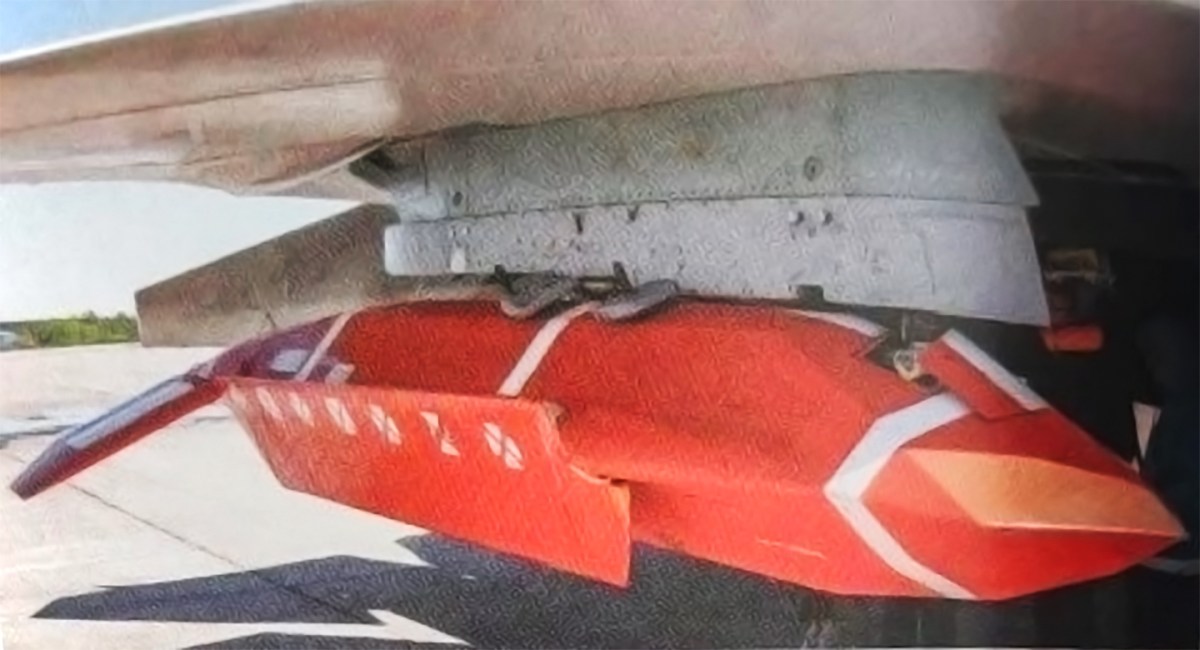
Ukraine's Main Directorate of Intelligence (GUR) has released new details on Russia's S-71K Kovyor (Carpet) air-launched missile, revealing a weapon that marries a Cold War-era bomb with a modern low-observable airframe and foreign-made electronics. The missile, first deployed in combat late last year, represents Russia's attempt to field cheaper alternatives to its costly legacy cruise missiles as wartime demand outstrips production. The S-71K's warhead is a 551-pound OFAB-250-270 high-explosive fragmentation bomb developed during the original Cold War as a free-fall weapon. This bomb is integrated into a stealthy airframe made of multi-layer fiberglass with aluminum internal elements, featuring a trapezoidal cross-section, chined nose, pop-out swept wings, and an inverted V-tail. The missile lacks radar-absorbent coatings, a cost-saving measure that likely reduces its stealth. Powered by a compact R500 turbojet engine produced by the United Aircraft Corporation (UAC), the S-71K has three internal fuel tanks giving it an operational range of up to 186 miles. It flies at Mach 0.6 at altitudes up to 27,000 feet, using an inertial navigation system based on simple sensors.
Foreign Components in Russian Weapons
The GUR states that 'the vast majority' of the S-71K's electronic components are of foreign origin, including items manufactured in China, Germany, Ireland, Japan, Switzerland, Taiwan, and the United States. This reliance on foreign parts is not unique: a Russian Shahed-136 strike drone obtained by the GUR contained numerous US components as well as parts from Iran and Taiwan, and the GUR previously found foreign components in a downed S-70 Okhotnik-B UCAV. 'Continued access to foreign technologies and components allows the aggressor state to develop new weapons and scale their use in the war against Ukraine,' the GUR said. The missile was specifically developed for the Su-57 Felon fighter, with captive-carry trials in April 2024 at the Russian flight research center in Zhukovsky. It could also be carried by other tactical jets, and integration with the S-70 Okhotnik UCAV is expected.
Mercenaries and Minerals in the Congo
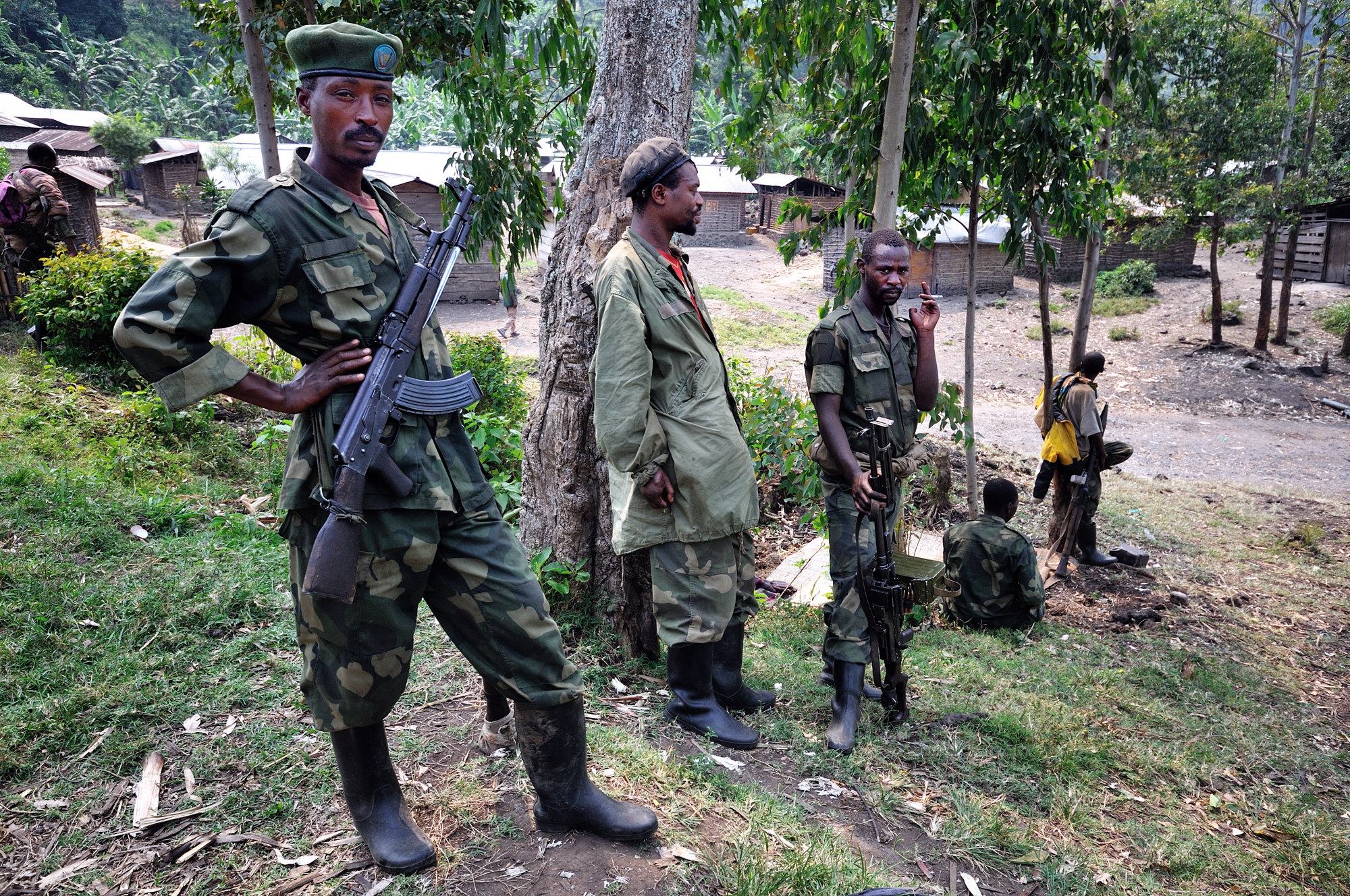
In a parallel theater of great-power competition, American private military contractor Erik Prince partnered with the Democratic Republic of the Congo in 2025 to secure mineral wealth and deter the Rwandan rebel group M23. M23 captured the city of Uvira in December 2025 after a peace deal between the DRC and Rwanda, but quickly withdrew following US sanction threats backed by Prince's forces. Prince, former CEO of Blackwater, has deep connections with the ruling Republican Party but is not officially associated with the US government. Congolese security officials described the liberation of Uvira as 'in line with the minerals-for-security deal with Washington.' The deals cement American control over the DRC's resources at the expense of China, which the article says will likely instigate a 'Cold War for resources' as Chinese deals are scrapped.
The Original Cold War's Legacy
The original Cold War, spanning from 1945 to the early 1990s, was defined by tensions between the USSR and the USA, with flashpoints including the Berlin airlift, the Korean War, the Cuban Missile Crisis, and the Vietnam War. The Korean War, which began in 1950, was the first major conflict, involving NATO forces, China, North Korea, and the Soviet Union. It ended in a stalemate at the 39th parallel, with the US accepting a compromise as nuclear sites were developed. The Cuban Missile Crisis of 1962 brought the world to the brink of nuclear war, resolved when the USSR withdrew missiles from Cuba in exchange for US missiles being removed from Turkey. This crisis marked a high-water mark, after which both superpowers recognized the cost of nuclear competition. The 1970s saw economic stagnation in the USSR, and the 1980s brought reformist leader Gorbachev, who sought better relations with the West to relieve the strain of high military expenditure.
Arms Races Past and Present
Today's competition echoes the Cold War's arms race, but with new dimensions. Russia's development of the S-71K missile mirrors Soviet efforts to keep pace with American technology, while the reliance on foreign components highlights globalized supply chains that did not exist in the mid-20th century. The missile's low-observable design and use of a Cold War bomb as a warhead illustrate a blend of old and new. Meanwhile, the scramble for resources in Africa recalls Cold War proxy conflicts, where superpowers backed opposing sides to secure strategic interests. The DRC deal, which replaces Chinese investment with American, suggests that the competition for critical minerals like cobalt and lithium is becoming a central front in the new great-power rivalry.
What Comes Next
The GUR has not disclosed which platforms have employed the S-71K in combat, but its integration with the Su-57 and potential use on other aircraft could allow large-volume employment if production ramps up. The missile's reliance on foreign parts raises questions about supply chain vulnerabilities, especially if exporting countries impose restrictions. In the DRC, the minerals-for-security deal may face challenges from local armed groups and the legacy of Chinese contracts. The M23's rapid withdrawal under US pressure shows the leverage Washington can exert, but the long-term stability of the arrangement remains uncertain. As the original Cold War showed, proxy conflicts can escalate and persist for decades.
A New Era of Competition
The parallels between the original Cold War and today's tensions are striking, but the context has shifted. The bipolar world of the US and USSR has given way to a multipolar landscape where China, Russia, and the US vie for influence. The weapons are more sophisticated, the supply chains more global, and the stakes—from nuclear arsenals to rare earth minerals—are equally high. Whether this new competition will lead to a sustained 'Cold War for resources' or a more cooperative outcome remains to be seen. What is clear is that the dynamics of the 20th century are reasserting themselves in the 21st, with Ukraine and the Congo serving as the latest battlegrounds.
The bottom line
- Russia's S-71K missile uses a Cold War-era bomb and foreign components, highlighting supply chain dependencies.
- The missile was developed for the Su-57 and may be integrated with the S-70 Okhotnik UCAV.
- Erik Prince's PMC backed US sanctions to force M23's withdrawal from Uvira in the DRC.
- The DRC's minerals-for-security deal with the US aims to replace Chinese investment, risking a 'Cold War for resources'.
- The original Cold War ended with arms reduction treaties and Gorbachev's reforms, but competition in space and proxy conflicts continued.
- Today's great-power competition echoes the Cold War but involves new actors like China and private military contractors.


Seattle Braces for Record-Breaking 80°F Heat as Cold Water Shock and Fire Risks Escalate
Singapore's PM Wong Vows to Protect Every Worker as AI Reshapes Economy

Singapore Braces for Thundery Showers and Above-Average Rainfall in First Half of May