Cold War 1994: Hong Kong’s Police Thriller Franchise Returns with a Political Edge
The third installment of Longman Leung’s series, set on the eve of the 1997 handover, blends nostalgia with a sharp critique of power and corruption.
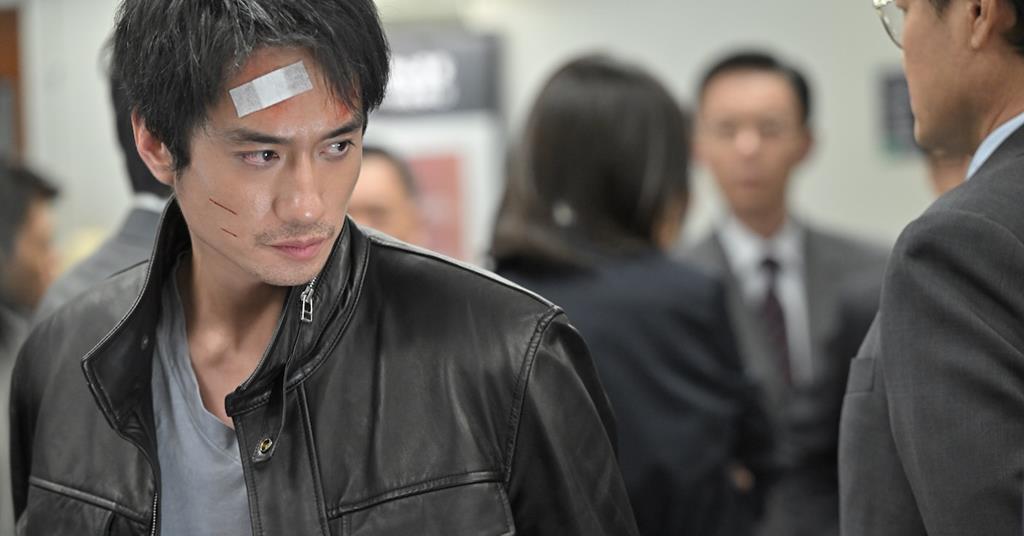
SINGAPORE —
Key facts
- Cold War 1994 releases in China, Hong Kong, Singapore, and Malaysia on May 1, 2026.
- The film stars Chow Yun-fat, Daniel Wu, Terrance Lau, Hugh Bonneville, and Aidan Gillen.
- The previous two films, Cold War (2012) and Cold War 2 (2016), grossed a combined US$115 million.
- Over 81,000 users on Maoyan have expressed interest in the film ahead of its Labor Day release.
- The original Cold War won Best Film at the 32nd Hong Kong Film Awards and grossed ¥253 million ($37 million) in China.
- A sequel, Cold War 1995, is reportedly set for release in 2027.
- The film features a past/present narrative structure and an airport action set piece.
A Handover-Era Thriller Returns to the Big Screen
Longman Leung’s Cold War 1994, the third film in the Cold War series, is set to hit cinemas across China, Hong Kong, Singapore, and Malaysia on May 1, 2026. The crime thriller arrives during the competitive Labor Day holiday window, with over 81,000 users on the film data platform Maoyan already signaling interest. The film is set in the years leading up to Hong Kong’s 1997 handover to China, a period of tense power vacuums, police factionalism, and gang rivalries. Early audiences in Shenzhen and Hong Kong have praised the film for its authentic depiction of the era and its striking parallels to real-life figures.
A Star-Studded Cast and a Complex Narrative
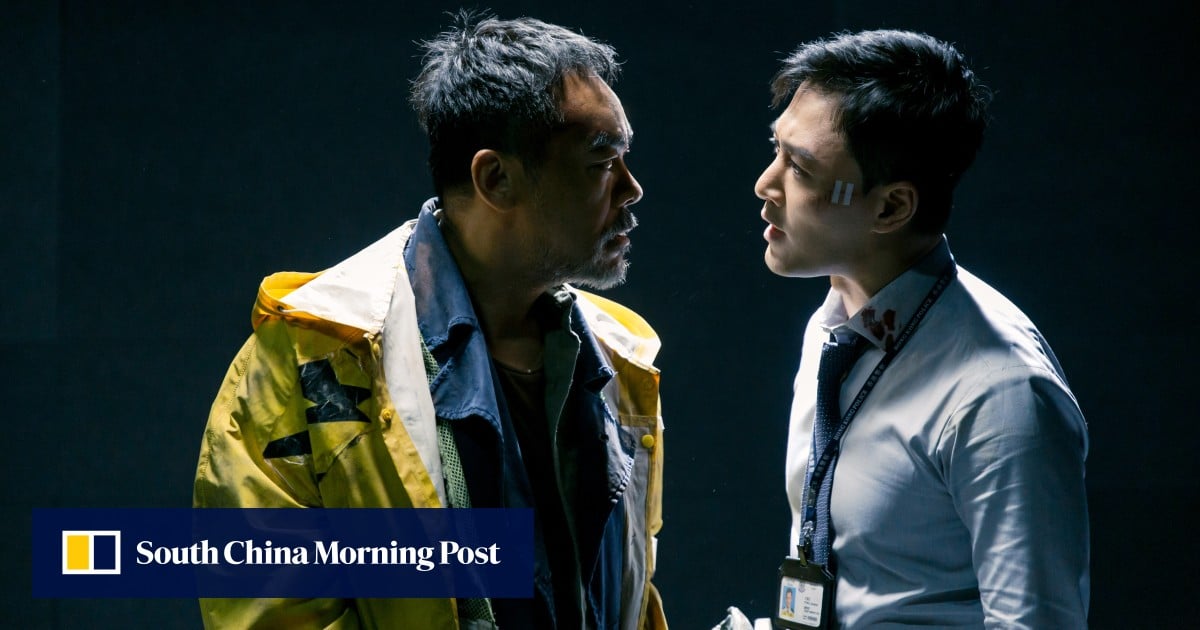
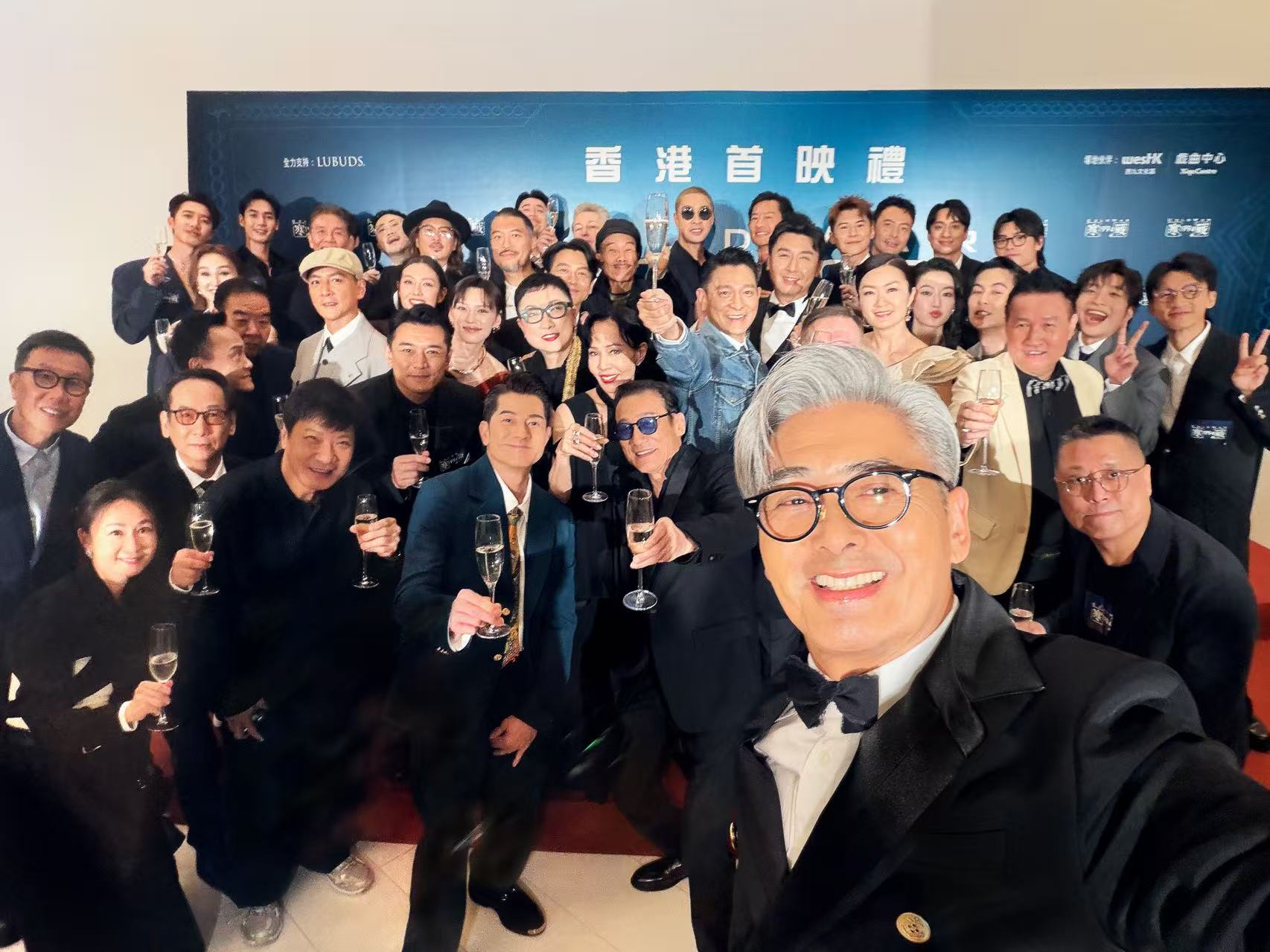
The cast is headlined by Chow Yun-fat, Daniel Wu, and Terrance Lau, joined by British actors Hugh Bonneville and Aidan Gillen. Aaron Kwok and Tony Leung Ka-fai, who starred in the previous Cold War films, appear in cameo roles, alongside Louis Koo, Carlos Chan, Fish Liew, Karen Mok, Cecilia Yip, kung fu star Yuen Biao, and Louise Wong. The story begins with the abduction of MB Lee (Tony Leung Ka-fai) and the murder of his co-conspirator Peter Choi (Chang Kuo-chu), following the selection of a new Chief Executive-elect, Adrian Yip (Louis Koo). Commissioner Sean Lau (Aaron Kwok) suspects the crimes may be linked to a 1994 kidnapping case, about which legal watchdog Oswald Kan (Chow Yun-fat) holds a detailed file.
Time-Shifting Plot and Shady Alliances
The action then moves back in time, focusing on the working relationship between a young MB Lee (Terrance Lau) and his boss Peter Choi (Daniel Wu). Lee is a chain-smoking organized crime superintendent, while Choi is a well-dressed power broker within the force, adored by rank-and-file officers and disdainful of management. Their paths cross when the scion of the powerful Poon family is kidnapped by a conflicted gang member, drawing in Lo Yuen Triad leader Sister Yuen (Louise Wong). The Poon patriarch (Tse Kwan-ho) and his eldest son (Wu Kan-ren) seek to protect their family’s financial and social standing by tapping current commissioner and Poon ally Dickson Hui (Michael Chow) for ethically questionable favors.
Box Office History and Franchise Momentum
The Cold War franchise has proven commercially successful. The original Cold War (2012) grossed ¥253 million ($37 million) at China’s box office and won Best Film at the 32nd Hong Kong Film Awards. The sequel, Cold War 2 (2016), received a significant boost from its mainland China co-producer status. Together, the two films grossed a combined US$115 million. Industry analysts predict that Cold War 1994 could dominate its opening-day ticket sales, capitalizing on nostalgic appeal for Hongkongers, a top-loaded cast, and a laundry list of supporting stars. The film’s production companies include Edko Films, Wanda Pictures, and Ruyi Pictures.
Political Allegory and Censorship Navigation
Leung’s film leans more heavily into political thriller territory than a straight police procedural. It offers a timely dissection of wealthy business interests and their proximity to power, drawing clear socio-political parallels with the present reality in many parts of the world. The screenplay plays with concepts of shifting colonialism, fractured policing infrastructure, and outside interests meddling in public policy. The film arrives amid tightened censorship in Hong Kong, where negative portrayals of the police have become politically sensitive. Rather than disappear, the crime thriller genre has evolved, mutating to fit present-day realities. Cold War 1994 navigates these constraints by setting its morally ambiguous narratives in the past, avoiding direct commentary on contemporary institutions.
A Franchise Poised for Longevity
The film ends with a clear nod to a sequel, Cold War 1995, reportedly set for release in 2027. This firmly establishes Leung’s franchise as the spiritual successor to Andrew Lau’s Infernal Affairs trilogy, albeit with far more allegory. Cold War 1994 is arguably the strongest of the three films to date, with a more sophisticated screenplay and a balanced blend of crime action and subversive storytelling. Cinematographer Anthony Pun’s warm/cool sheen and a spectacular airport set piece re-establish Leung’s action bona fides. The film’s potential to resonate in North America and Europe, where its narrative of colonial transition and corruption should find an audience, could further cement its status as one of the best post-handover Hong Kong franchises.
The bottom line
- Cold War 1994 is a political thriller set during Hong Kong’s handover, exploring power vacuums, police factionalism, and corruption.
- The film features a star-studded cast including Chow Yun-fat, Daniel Wu, Terrance Lau, Hugh Bonneville, and Aidan Gillen.
- It is the third installment in the Cold War series, which has grossed a combined US$115 million from the first two films.
- The movie navigates tightened censorship by setting its morally ambiguous narrative in the past, avoiding direct critique of modern institutions.
- A sequel, Cold War 1995, is already planned for 2027, indicating the franchise’s long-term ambitions.
- Early audience reactions praise the film’s authentic depiction of the era and its parallels to real-life figures.



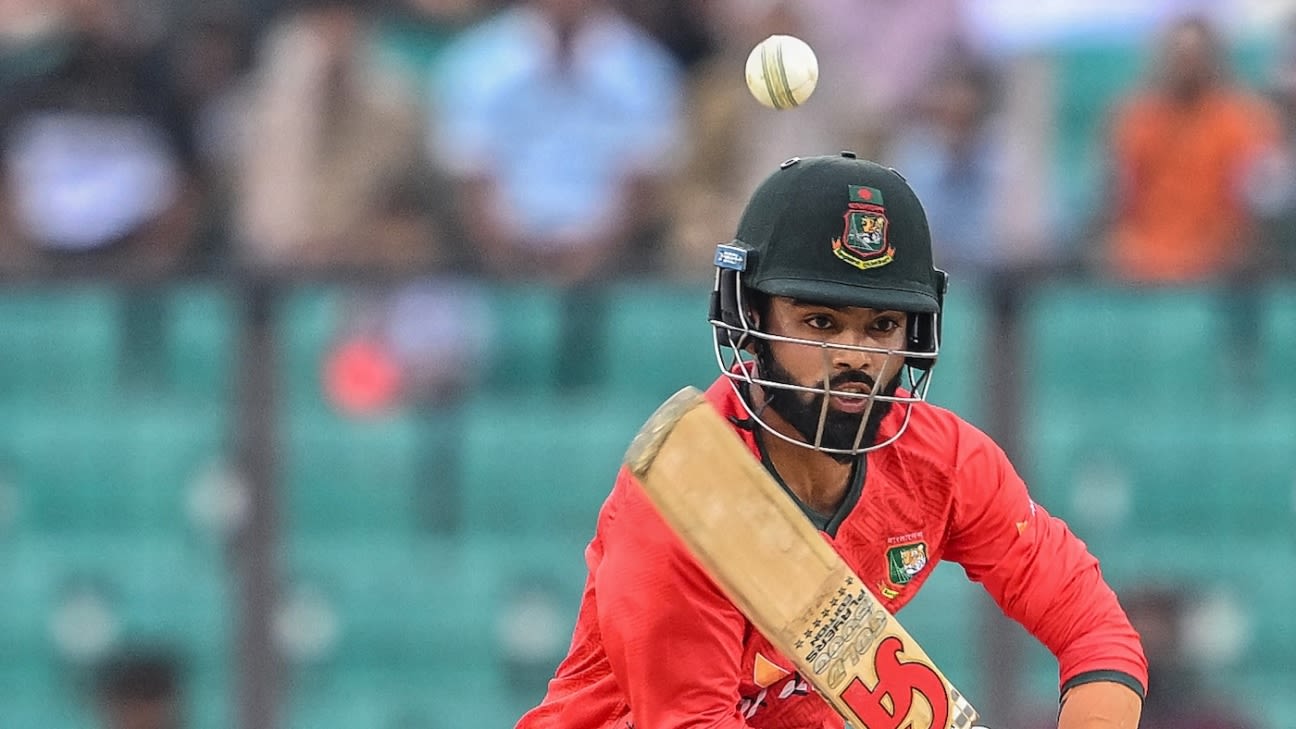
Bangladesh Face New Zealand in Series Decider as Rain Threatens Third T20I
Bangladesh’s Saifuddin Replaces Injured Tanzim Hasan in Series-Deciding T20 Against New Zealand
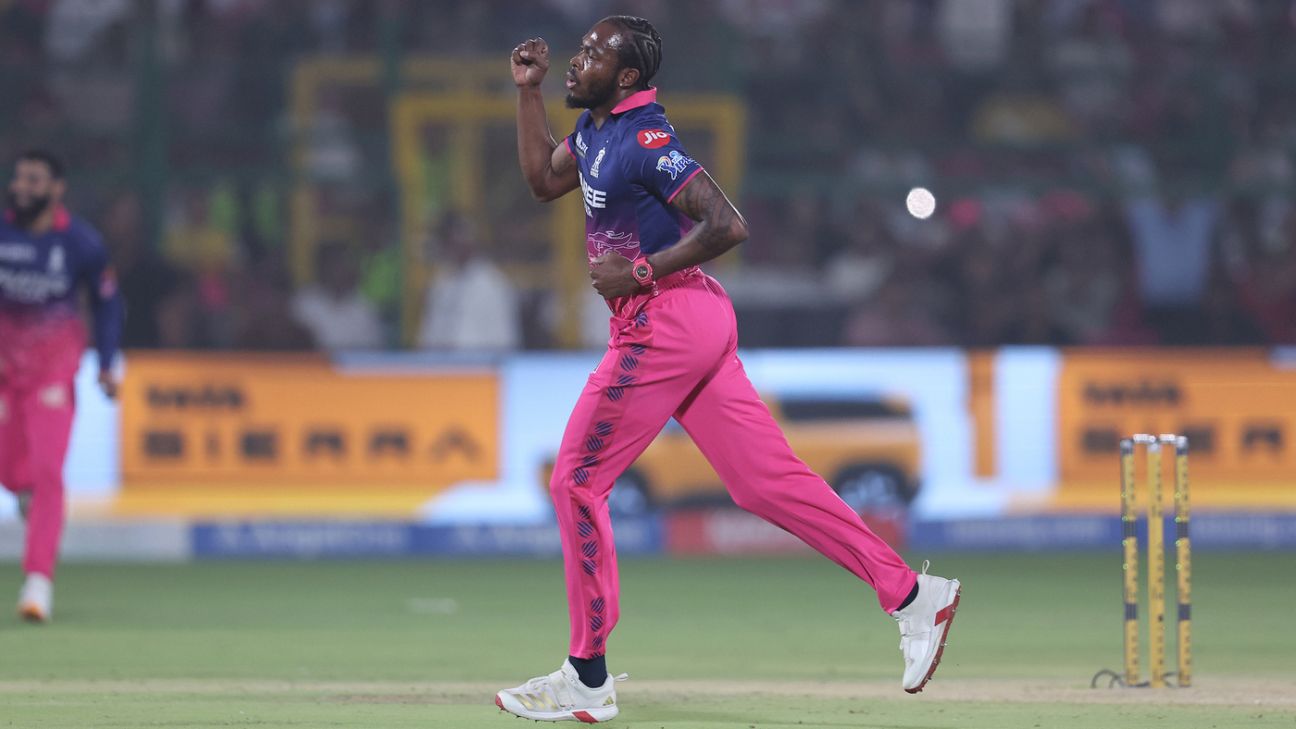
Riyan Parag's 90 in vain as Delhi Capitals chase 226 to dent Rajasthan Royals' IPL 2026 playoff hopes
