Pesticide Cocktails Raise Cancer Risk by 150% in Peru, Study Finds
A six-year mapping of 31 agricultural chemicals reveals that even non-carcinogenic pesticides, when mixed, can silently damage cells years before diagnosis.
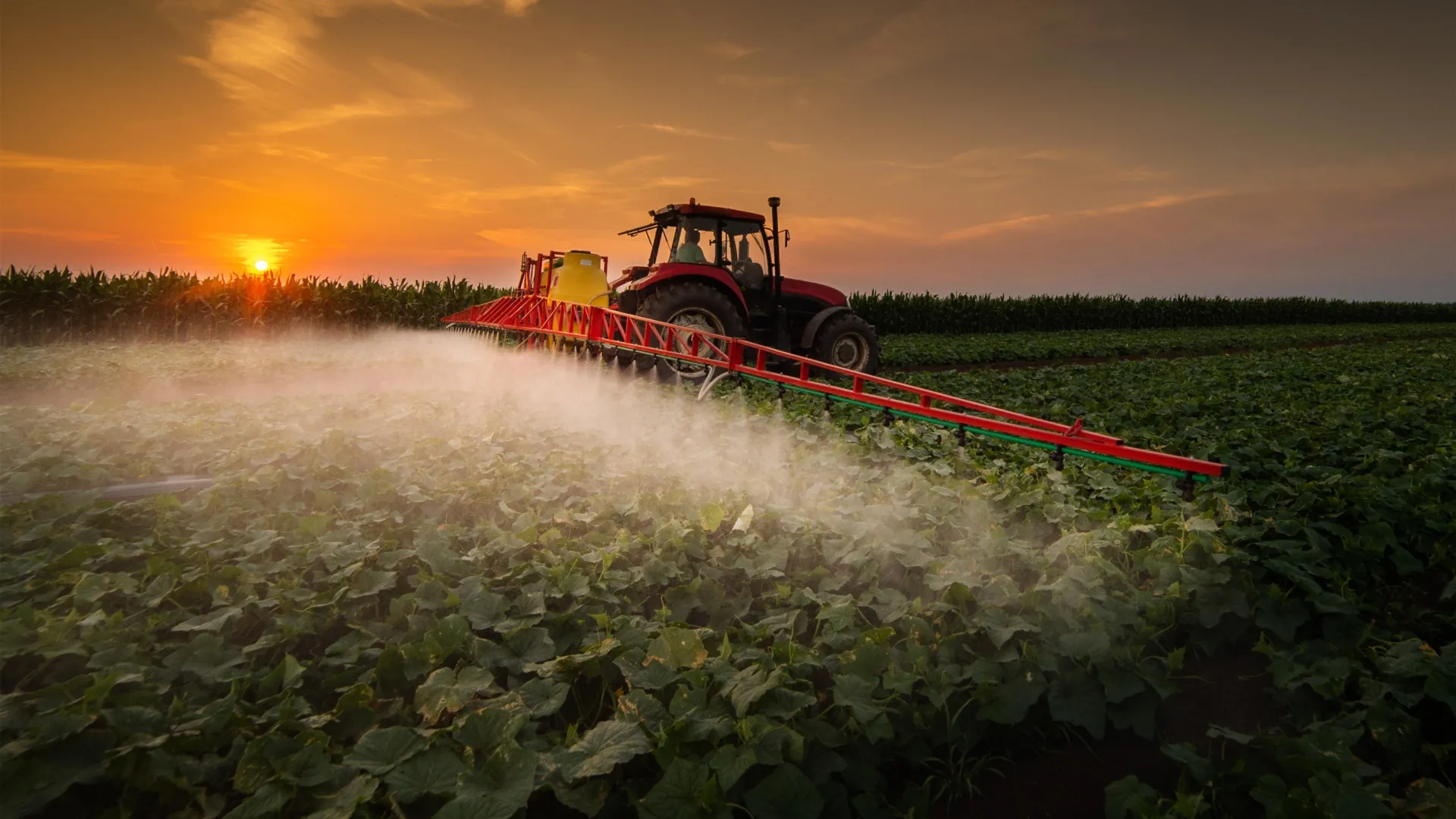
SINGAPORE —
Key facts
- Study published in Nature Health by IRD, Institut Pasteur, University of Toulouse, and INEN Peru.
- Researchers mapped dispersion of 31 pesticides across Peru from 2014 to 2019.
- Health data from over 150,000 cancer patients (2007–2020) was compared with exposure maps.
- Regions with highest pesticide exposure showed 150% greater likelihood of developing cancer.
- None of the 31 pesticides are classified as known human carcinogens by WHO.
- Indigenous and rural farming communities are exposed to about 12 different pesticides at elevated concentrations simultaneously.
A National Map of Hidden Danger
Peru's diverse agricultural landscape has become a living laboratory for a new kind of cancer research. Scientists from the French National Research Institute for Sustainable Development (IRD), the Institut Pasteur, the University of Toulouse, and Peru's National Institute of Neoplastic Diseases (INEN) have created the first high-resolution map linking environmental pesticide mixtures to cancer risk on a national scale. The study, published in Nature Health, tracked the dispersion of 31 widely used agricultural pesticides over six years, from 2014 to 2019. None of these chemicals are classified as known human carcinogens by the World Health Organization. Yet when they accumulate together in the environment, the picture changes dramatically. "We first modeled the dispersion of pesticides in the environment over a six-year period, which allowed us to create a high-resolution map and identify areas with the highest risk of exposure," explained Jorge Honles, a PhD in epidemiology at the University of Toulouse.
150% Greater Cancer Likelihood in Exposed Regions
The research team compared their exposure maps with health records from more than 150,000 cancer patients diagnosed between 2007 and 2020. The correlation was stark: in regions with the highest environmental pesticide concentrations, the likelihood of developing cancer was about 150% greater on average. This is the first time such a link has been demonstrated on a national scale using real-world exposure data rather than controlled laboratory conditions. "This is the first time we have been able to link pesticide exposure, on a national scale, to biological changes suggesting an increased risk of cancer," said Stéphane Bertani, a molecular biology researcher at the IRD's PHARMA-DEV laboratory. The study focused on Peru because of its intensive agriculture, diverse climates, and significant social and geographic inequalities. Cancer is a growing public health concern there, and pesticide exposure levels in some communities are particularly high.
Indigenous and Rural Communities Bear the Brunt
The burden of exposure is not evenly distributed. Indigenous and rural farming communities face the highest risks, with individuals in these groups exposed to an average of 12 different pesticides at elevated concentrations simultaneously. These communities often live and work in areas where agriculture is most intense, and where regulatory oversight is weakest. The study highlights how environmental inequality translates into biological vulnerability. Pesticides enter the body through food, water, and air, forming complex mixtures that are difficult to study. Most previous research examined single chemicals in isolation, failing to capture the synergistic effects of real-world exposure.
Silent Cellular Damage Years Before Diagnosis
The research also sheds light on how pesticides may trigger cancer long before any tumor appears. Molecular studies at the Institut Pasteur, led by Pascal Pineau, show that pesticides can interfere with the processes that maintain normal cell function and identity. The liver plays a key role because it processes many chemicals entering the body. Disruptions there can make tissues more susceptible to other harmful influences, including infections, inflammation, and environmental stress. These changes occur early and accumulate silently over time, without obvious symptoms. "Such changes could make tissues more susceptible to other harmful influences," the researchers noted, suggesting that pesticide exposure may prime the body for cancer years later.
Global Implications and the Climate Change Factor
The findings have implications far beyond Peru. Agricultural pesticides are used worldwide, and their mixtures in the environment are likely to become more complex as climate change alters weather patterns and pest pressures. The study's authors warn that the global rise in early-onset colorectal cancer—particularly among younger individuals—may be driven by environmental factors. Epigenetic signatures of exposure could help uncover the drivers of this trend, but many questions remain. As the world grapples with increasing cancer rates, this research provides a powerful reminder that chemicals deemed "safe" individually can become dangerous in combination. The next step is to understand how these mixtures interact with genetics, diet, and other environmental stressors.
A Call for Regulatory Rethinking
The study challenges the current regulatory approach, which evaluates pesticides one by one. Real-world exposure involves complex cocktails, and the cumulative risk may be far greater than the sum of its parts. "We need to move beyond single-chemical risk assessments," the researchers argue. "Our findings show that mixtures of non-carcinogenic pesticides can still dramatically increase cancer risk." For Peru's Indigenous and rural communities, the message is urgent. The map of pesticide dispersion is also a map of cancer risk, and it demands a policy response that matches the scale of the problem.
The bottom line
- Living in pesticide-heavy environments can raise cancer risk by up to 150%, even when individual chemicals are not classified as carcinogens.
- Indigenous and rural farming communities in Peru are exposed to an average of 12 pesticides simultaneously at high concentrations.
- The study combined environmental monitoring, national cancer registry data, and molecular biology to reveal a national-scale link.
- Pesticide mixtures can cause silent cellular damage years before cancer is diagnosed, particularly affecting the liver.
- Current regulatory frameworks that assess pesticides individually may underestimate real-world cancer risks.
- The findings have global relevance, especially as climate change may intensify pesticide use and exposure.






15-Year-Old Vaibhav Sooryavanshi Takes on IPL's Elite Bowlers, Drawing Ian Bishop's Doubt
Parag's 90 and Stubbs' Finish Highlight RR vs DC as Delhi Ends Three-Match Losing Streak

Political Interference Blocks CDC Study Showing Covid Vaccines Halved Hospitalization Risk
