Nvidia CEO Jensen Huang Blasts Anthropic's Dario Amodei Over 'God Complex' in AI Safety Debate
The clash escalates as Anthropic unveils a powerful new model it refuses to release, citing safety fears, and courts White House support.

SINGAPORE —
Key facts
- Jensen Huang, CEO of Nvidia, publicly criticized Anthropic CEO Dario Amodei, telling him to 'get out of your God complex'.
- Anthropic developed a new AI model, codenamed Mythos, which it described as 'so scarily powerful' that it will not be released.
- Anthropic CEO Dario Amodei stated: 'I don’t want AI turned on our own people'.
- White House officials met with Anthropic to discuss collaboration amid rising fears about the Mythos model.
- Anthropic announced a partnership with Blackstone, Hellman & Friedman, and Goldman Sachs, shortly after OpenAI raised over $4 billion from investors.
- Jensen Huang has dismissed predictions of massive job losses from AI, labeling such forecasts as alarmist.
- Accenture is rolling out Microsoft Copilot to 743,000 employees, signaling widespread enterprise AI adoption.
A Public Rebuke From Silicon Valley’s Hardware King
Jensen Huang, the billionaire CEO of Nvidia, has launched a blistering attack on Anthropic CEO Dario Amodei, accusing him of harboring a 'God complex' and urging him to stop his dire warnings about artificial intelligence. The exchange, which has ricocheted through the tech industry, pits the world’s most valuable chipmaker against one of AI’s most vocal safety advocates. Huang’s remarks come amid a broader backlash against what he and others call 'AI doomsayers' — executives who predict that advanced AI could lead to mass unemployment or even existential threats. The Nvidia chief has repeatedly argued that such forecasts are overblown and that AI will augment rather than replace human workers.
Anthropic’s Secret Weapon: The Mythos Model
At the center of the storm is Anthropic’s latest AI model, codenamed Mythos. The company has described the system as 'so scarily powerful' that it has decided not to release it to the public — an extraordinary step that underscores the escalating safety concerns within the industry. Dario Amodei, a former OpenAI researcher who co-founded Anthropic, has long warned that AI could be weaponized against democratic societies. 'I don’t want AI turned on our own people,' he said in a recent statement, reflecting the company’s cautious ethos. The decision to withhold Mythos has drawn both praise from safety advocates and skepticism from those who see it as a publicity stunt.
White House Engagement and Industry Alliances
The controversy has reached the highest levels of government. White House officials have held discussions with Anthropic about working together, motivated by rising fears about the capabilities of the Mythos model. The meetings signal that Washington is taking the potential risks of frontier AI seriously, even as it seeks to maintain U.S. leadership in the technology. Meanwhile, Anthropic has forged a major financial partnership with Blackstone, Hellman & Friedman, and Goldman Sachs. The deal was announced within minutes of OpenAI revealing that it had raised more than $4 billion from investors, highlighting the breakneck pace of investment in AI startups. The partnership is expected to provide Anthropic with the capital needed to scale its safety research and infrastructure.
The Numbers Behind the Debate
The clash between Huang and Amodei is set against a backdrop of rapid enterprise AI adoption. Accenture, the global consulting giant, is rolling out Microsoft Copilot to 743,000 employees, a move that CEO Julie Sweet says will transform how teams work. Such large-scale deployments fuel the argument that AI is already reshaping the workforce, even as the debate over its long-term impact rages. Huang’s Nvidia, whose chips power most AI systems, has seen its market value soar past $3 trillion. The company’s dominance gives Huang a powerful platform to shape the narrative around AI’s future. His dismissal of 'AI apocalypse' predictions carries weight with investors and business leaders who are betting big on the technology.
A Philosophical Divide With High Stakes
The rift between Huang and Amodei reflects a deeper philosophical divide in Silicon Valley. On one side are those who see AI as a tool to be deployed as quickly as possible, trusting that markets and regulation will manage the risks. On the other are safety-first advocates who believe that some capabilities are too dangerous to release, even if it means slowing progress. Anthropic’s decision to withhold Mythos is a direct challenge to the prevailing ethos of 'move fast and break things.' The company has positioned itself as a responsible alternative to OpenAI, which has faced criticism for releasing powerful models with insufficient safeguards. Yet the partnership with Wall Street giants suggests that Anthropic is also preparing for a future in which its models are widely used — if and when safety concerns are resolved.
What Comes Next for the AI Industry
The coming months will test whether Anthropic’s cautious approach can coexist with the commercial pressures of the AI arms race. The White House engagement could lead to new regulations or voluntary commitments, but the industry’s track record suggests that voluntary restraint is rare. For Nvidia, Huang’s attack on Amodei is also a business move: any slowdown in AI development could hurt demand for its chips. As the debate intensifies, the world’s most valuable chipmaker is betting that the future of AI is one of rapid deployment, not cautious containment. The outcome of this clash will shape not only the fortunes of two companies but the trajectory of a technology that is already transforming economies and societies.
The bottom line
- Jensen Huang publicly accused Anthropic CEO Dario Amodei of having a 'God complex' over AI safety warnings.
- Anthropic developed a powerful AI model called Mythos that it refuses to release due to safety concerns.
- White House officials met with Anthropic to discuss collaboration amid fears about the Mythos model.
- Anthropic partnered with Blackstone, Hellman & Friedman, and Goldman Sachs shortly after OpenAI raised over $4 billion.
- Accenture is deploying Microsoft Copilot to 743,000 employees, signaling widespread enterprise AI adoption.
- The debate highlights a fundamental split between rapid AI deployment advocates and safety-first proponents.






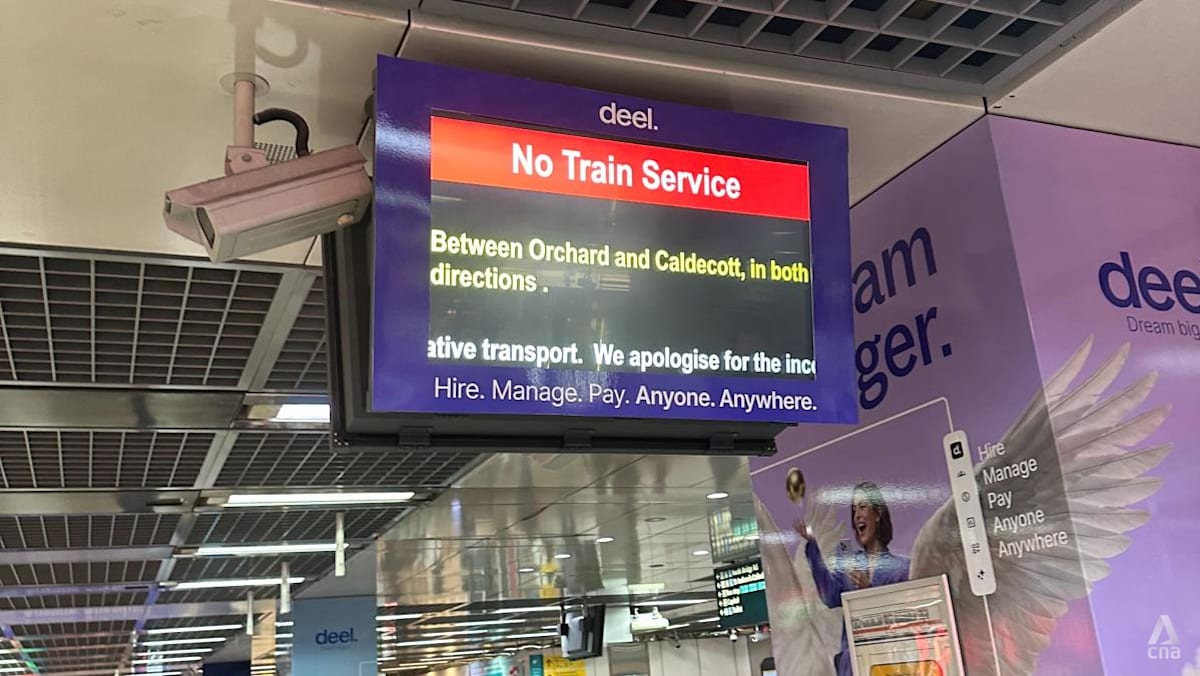
Singapore's Thomson-East Coast Line hit by signalling fault after Alstom tests; weekend service cuts planned for 2026

Metal Beam Crashes Through Yishun HDB Roof During Dismantling Works; No Injuries
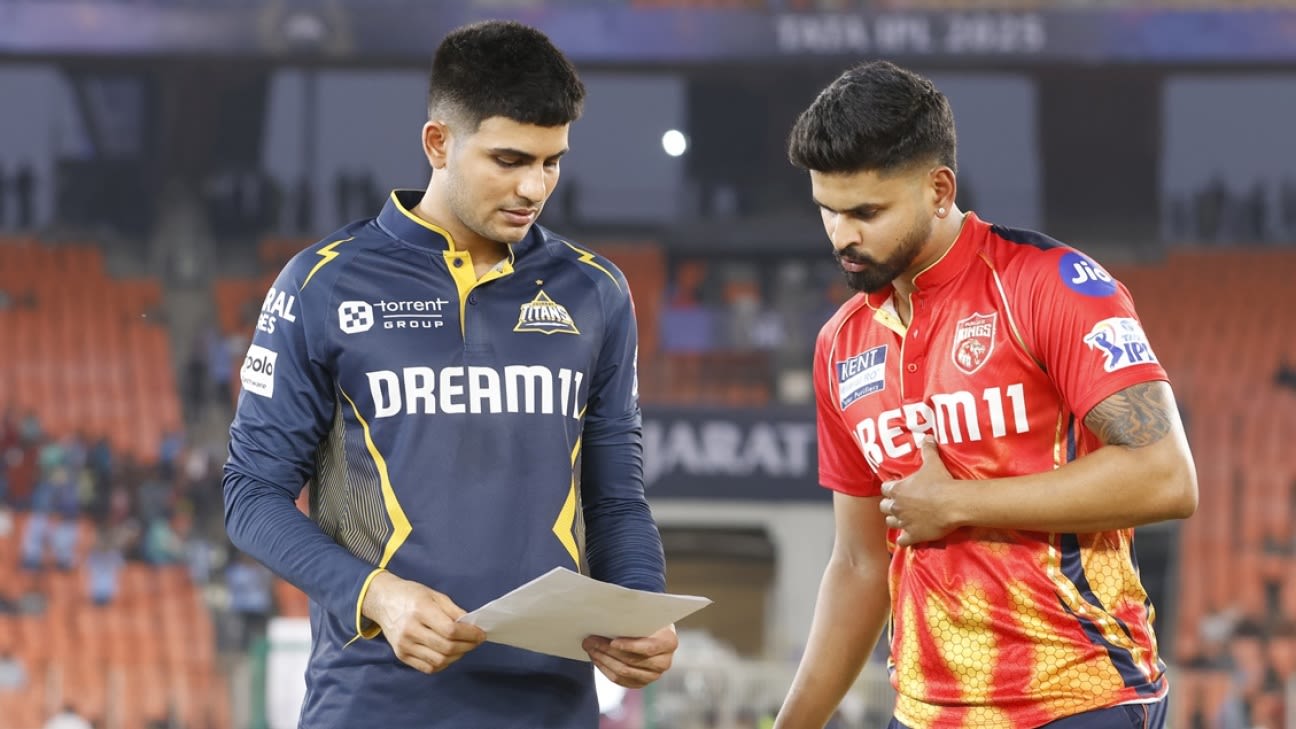
Jason Holder's Four-Wicket Haul Propels Gujarat Titans to Four-Wicket Win Over Punjab Kings